
Innovaciones en la tecnología de fundición de metales de precisión: una guía completa
¡Bienvenido a mi blog!
¡Me encanta tenerte aquí! Antes de profundizar en el contenido, me encantaría que me acompañaras en mis redes sociales. Es donde comparto información adicional, conecto con nuestra increíble comunidad y te mantengo al tanto de las últimas noticias. Así es como puedes mantenerte conectado:
📘 Facebook: Shanghai Leierwo Industria Comercio Co., Ltd.
¡Ahora, emprendamos este viaje juntos! Espero que el contenido aquí te resulte no solo revelador, sino también inspirador y valioso. ¡Comencemos!
Tabla de contenido
Introducción
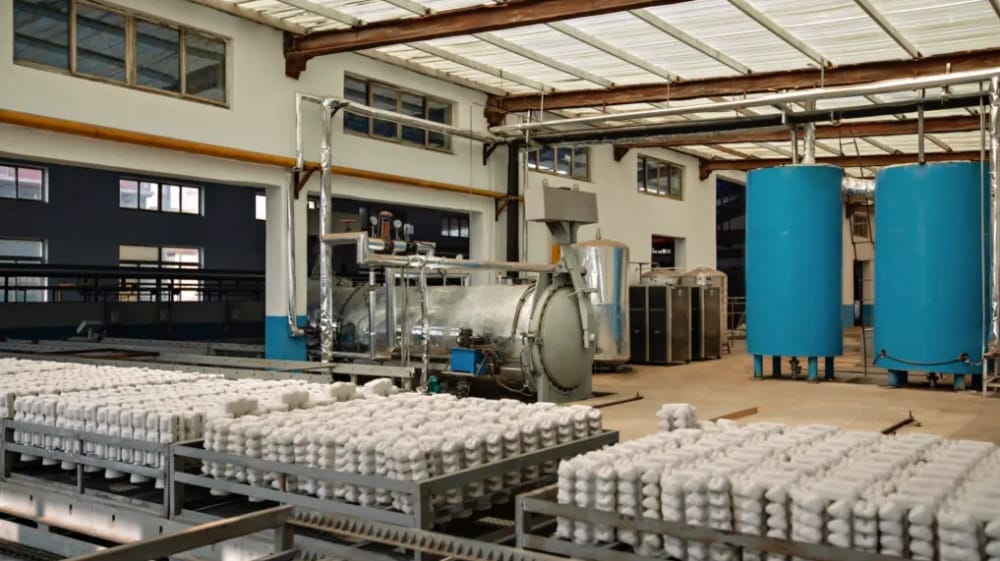
En el mundo de la manufactura en rápida evolución, fundición de metales de precisión se ha convertido en una tecnología fundamental para producir componentes complejos y de alta calidad. Industrias que van desde la aeroespacial, la automotriz y la electrónica hasta los dispositivos médicos dependen de la fundición de metales de precisión para cumplir con requisitos cada vez más estrictos de rendimiento, durabilidad y dimensiones. Según un informe de MarketsandMarkets (2025), se prevé que llegue el mercado mundial de fundición de metales de precisión $12,5 mil millones para 2030, creciendo a una CAGR de 6.8%, impulsado por la demanda de componentes ligeros y de alta resistencia.
Desde la integración de la fabricación aditiva hasta el monitoreo de procesos impulsado por IA, las innovaciones en la fundición de metales de precisión están transformando la forma en que se diseñan, fabrican y mantienen los componentes. Esta guía explora las últimas tendencias, conocimientos prácticos y perspectivas de expertos para ayudar a los fabricantes, ingenieros y profesionales de adquisiciones a optimizar sus procesos de fundición y tomar decisiones informadas.
Conclusiones clave de este blog
- Explore las últimas innovaciones en fundición de metales de precisión
- Comprender las estrategias de selección de materiales y las aleaciones de alto rendimiento
- Compare la fundición de metales de precisión con los métodos de fundición tradicionales
- Aprenda técnicas de optimización de procesos y estrategias de mantenimiento predictivo
- Descubra estudios de casos, datos y conocimientos de expertos de la industria
- Acceda a respuestas a preguntas frecuentes con orientación práctica
Comprensión Fundición de metales de precisión
¿qué es la fundición de metales de precisión?
La fundición de metales de precisión es un proceso de fabricación que crea componentes metálicos de alta precisión mediante técnicas controladas de fabricación de moldes y vertido de metales. A diferencia de la fundición en arena tradicional, la fundición de precisión ofrece:
- Tolerancias más estrictas, a menudo dentro ±0,01 mm până la ±0,1 mm
- Geometrías complejas, incluidas paredes delgadas, canales internos y patrones intrincados
- Reducción del posprocesamiento, ahorrando tiempo y costos
Perspectiva experta: La Dra. Sarah Collins, ingeniera metalúrgica del MIT, enfatiza: “La fundición de precisión permite a los diseñadores crear geometrías que antes eran imposibles, manteniendo al mismo tiempo la resistencia mecánica y la confiabilidad”
Componentes clave de a Fundición de metales de precisión Sistema
- Moho: Materiales cerámicos, de sílice o compuestos utilizados para dar forma al metal fundido
- Core: Insertos que crean cavidades internas en el componente
- Sistem de vitere: Controla el flujo de metales para minimizar turbulencias y defectos
- Sistem de refrigere: Garantiza una solidificación uniforme y reduce las tensiones internas
Beneficios de la fundición de metales de precisión
- Precisión dimensional: Ideal para componentes que requieren un ajuste exacto
- Versatilidad del material: Funciona con aluminio, acero inoxidable, aleaciones de níquel y aleaciones de cobalto
- Acabado superficial mejorado: Reduce los requisitos de mecanizado y acabado
- Consistencia: Permite la producción en masa de piezas idénticas de alta calidad
Innovaciones recientes en Fundición de metales de precisión Tecnología
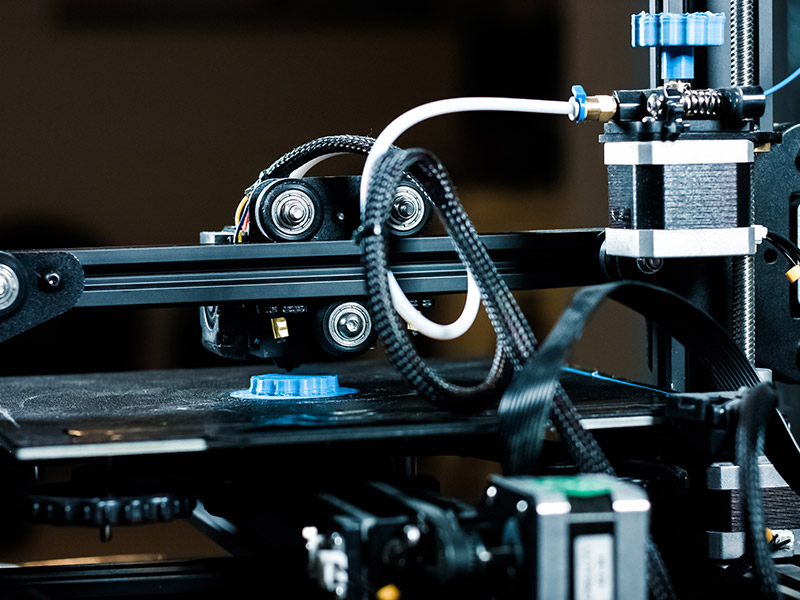
Fabricación aditiva para moldes y creación de patrones
- La impresión 3D permite la creación rápida de moldes cerámicos o patrones de cera
- Reduce el plazo de entrega de semanas a días
- Soporta geometrías internas complejas para canales de enfriamiento, conductos de fluidos y estructuras livianas
Ejemplo de caso: Airbus utiliza patrones de cera impresos en 3D para los componentes de las turbinas, lo que reduce el tiempo de entrega 40% al tiempo que mejora la precisión y la repetibilidad.
Materiales de molde avanzados
- Las nuevas cerámicas y moldes compuestos soportan temperaturas más altas y mantienen la estabilidad dimensional
- Reduzca defectos como deformaciones, contracciones y rugosidad de la superficie
- Permitir la fundición de aleaciones de alto punto de fusión, como las superaleaciones a base de níquel
Perspectiva de datos: Un estudio realizado por el International Journal of Metalcasting (2024) encontró que los moldes cerámicos avanzados reducían los defectos de porosidad 35% en comparación con los moldes de sílice convencionales.
Automatización y Monitoreo de IA
- Los sensores de IoT y la IA analizan la temperatura, el flujo y la solidificación en tiempo real
- El mantenimiento predictivo reduce el tiempo de inactividad no planificado 30-40%
- Garantiza una calidad constante para una producción de gran volumen
Vizualizare expertă: Michael Thompson, ingeniero senior de Siemens, señala: “La integración de la IA en el monitoreo de la fundición nos permite detectar microdefectos antes de que se conviertan en fallas estructurales, lo que mejora significativamente la confiabilidad”
Técnicas de vertido de precisión
- Fundición al vacío: Elimina las burbujas de aire para reducir la porosidad
- Fundición centrífuga: Fuerza el metal a formar moldes para obtener piezas más densas y resistentes
- Casting cu presură scăzută: Reduce la turbulencia y la formación de óxido
Selección de materiales en Fundición de metales de precisión
Metales comunes y sus aplicaciones
- Aleaciones de aluminio: Ligero, resistente a la corrosión, ideal para automoción y aeroespacial
- Acero inoxidable: Alta resistencia y resistencia a la corrosión para aplicaciones médicas, alimentarias e industriales
- Aleaciones de níquel: Aplicaciones de alta temperatura y alta resistencia en turbinas y aeroespacial
- Aleaciones de cobalto: Excelente resistencia al desgaste para aplicaciones industriales y de herramientas
Innovaciones avanzadas en materiales
- Los compuestos de matriz metálica mejoran la resistencia al desgaste y la fatiga
- Los revestimientos superficiales como el níquel, la cerámica o el epoxi mejoran la corrosión y la resistencia al calor
- Las técnicas de pulvimetalurgia permiten componentes híbridos con diferentes propiedades del material
Comparación de Materiales para Aplicaciones Específicas
| Material | Fortaleza | Resistencia a la corrosión | Aplicación |
|---|---|---|---|
| Aleación de aluminio | Moderado | Alto | Componentes ligeros automotrices y aeroespaciales |
| Acero inoxidable | Alto | Muy alto | Procesamiento médico, químico y de alimentos |
| Aleación de níquel | Muy alto | Alto | Turbinas, aeroespaciales, piezas de alta temperatura |
| Aleación de cobalto | Alto | Moderado | Herramientas industriales, componentes resistentes al desgaste |
Fundición de metales de precisión vs Casting Tradicional

Limitaciones de la fundición tradicional
- Precisión dimensional inferior (±0,5-1 mm)
- Mayores requisitos de posprocesamiento
- Capacidad limitada para producir geometrías complejas
Beneficios de la fundición de metales de precisión
- Tolerancias estrictas (±0,01-0,1 mm)
- Estructuras internas y de paredes delgadas complejas
- Mejora de la eficiencia de los materiales y reducción de residuos
Comparación lado a lado
| Característica | Casting tradicional | Fundición de metales de precisión |
|---|---|---|
| Precisión | ±0,5-1 mm | ±0,01-0,1 mm |
| Complejidad | Limitado | Alto |
| Acabado de la superficie | Aspere, requiere mecanizare | Acabado suave y minimalista |
| Residuos de materiales | Alto | Bajo |
| Tiempo de producción | Moderado | Más rápido para lotes pequeños |
Optimización y Mantenimiento de Procesos
Técnicas de inspección
- Scanare cu radiografie și CT: Detectar porosidad interna, grietas e inclusiones
- Scanare cu laser 3D: Garantiza la precisión dimensional
- Microscopía de superficie: Comprueba la rugosidad y los defectos a pequeña escala
Mantenimiento Preventivo
- Limpie los moldes y núcleos para evitar la contaminación
- Supervise las temperaturas del horno para lograr una calidad constante de la masa fundida
- Mantenga equipos de vertido automatizados para un control de precisión
Mantenimiento Predictivo con IA
- Los sensores detectan desviaciones en el flujo, la temperatura o la vibración
- Los algoritmos de aprendizaje automático predicen fallas antes de que ocurran
- Reduce el tiempo de inactividad inesperado hasta 40%
Estudios de casos de la industria y conocimientos de expertos
Aplicaciones aeroespaciales
- Airbus y Boeing confían en la fundición metálica de precisión para álabes de turbinas livianos
- Los patrones de cera impresos en 3D combinados con moldes de alto cromo mejoran la precisión y reducen el tiempo de entrega
Aplicaciones automotrices
- Las piezas fundidas de aluminio de precisión se utilizan para bloques de motor y componentes estructurales
- Informes Volvo 15-20% reducción de peso y eficiencia de combustible mejorada utilizando componentes fundidos de precisión
Opinión de expertos
- Dra. Laura Jenkins, científica de materiales: “La fundición de metales de precisión ya no es sólo una técnica tradicional; es una solución de alta tecnología para los desafíos de la ingeniería moderna”
tendencias futuras en Fundición de metales de precisión
- Fabricación sostenible: Hornos energéticamente eficientes, metales reciclados y técnicas de bajo desperdicio
- Fabricación híbrida: Combinando fundición con fabricación aditiva para un rendimiento óptimo de la pieza
- Fábricas inteligentes: Los sensores habilitados para IoT monitorean cada paso para el control de calidad
- Aleaciones y compuestos avanzados: Mayor desempeño en los sectores aeroespacial, automotriz y energético
PREGUNTAS FRECUENTES
¿Qué industrias se benefician más de? fundición de metales de precisión?
Las industrias aeroespacial, automotriz, médica y de maquinaria industrial se benefician de una alta precisión, eficiencia de materiales y geometrías complejas.
¿cómo minimizo defectos como la porosidad o la contracción?
Utilice materiales de molde avanzados, controle el flujo de metal, aplique técnicas de vacío o baja presión y controle los parámetros del proceso en tiempo real.
¿Se pueden producir lotes pequeños de manera eficiente?
Sí, la fabricación aditiva para patrones de moldes y sistemas de fundición automatizados hace que la producción en lotes pequeños sea rentable.
¿Cómo mejora la automatización la fundición de metales de precisión?
La IA y los sensores detectan defectos de forma temprana, garantizan un vertido constante y optimizan la refrigeración, reduciendo los residuos y mejorando la calidad.
¿Qué metales son mejores para aplicaciones de alta temperatura?
Las aleaciones de níquel y cobalto proporcionan una excelente resistencia a la fatiga térmica para componentes aeroespaciales e industriales.
Categorías de productos
- Piezas de válvulas
- Piezas de la bomba de agua
- Piezas de la caja de cojinetes
- Piezas de fundición a presión
- Productos para bombas de acero inoxidable
- Productos para bombas de hierro fundido
- Piezas de válvulas para automóviles
- Recambios para automóviles
- Piezas de válvulas para uso civil
- Piezas de bomba de vacío KF

 Spanish
  English
  Arabic
  Malay
Malay  German