
Cómo funciona la fabricación de válvulas: explicación de la fundición de componentes de válvulas
¡Bienvenido a mi blog!
¡Me encanta tenerte aquí! Antes de profundizar en el contenido, me encantaría que me acompañaras en mis redes sociales. Es donde comparto información adicional, conecto con nuestra increíble comunidad y te mantengo al tanto de las últimas noticias. Así es como puedes mantenerte conectado:
📘 Facebook: Shanghai Leierwo Industria Comercio Co., Ltd.
¡Ahora, emprendamos este viaje juntos! Espero que el contenido aquí te resulte no solo revelador, sino también inspirador y valioso. ¡Comencemos!
Conclusiones clave (lista rápida)
- Fabricación de válvulas comienza con la selección de materiales y las decisiones sobre los métodos de fundición.
- La fundición de precisión es el paso más crítico para los componentes de válvulas de alto rendimiento.
- El acero inoxidable es el material dominante debido a su resistencia a la corrosión y durabilidad.
- La fundición a la cera perdida ofrece una alta precisión, mientras que la fundición en arena es rentable para piezas grandes.
- El mecanizado CNC garantiza tolerancias estrictas para sellar superficies y bridas.
- El control de calidad (detección de defectos, pruebas de presión) es fundamental para garantizar la fiabilidad.
- La producción personalizada basada en dibujos de clientes garantiza la compatibilidad con condiciones operativas específicas.
- La fabricación de válvulas moderna integra herramientas digitales como escaneo 3D, simulación y monitoreo de la Industria 4.0.
Tabla de contenido
Introducción
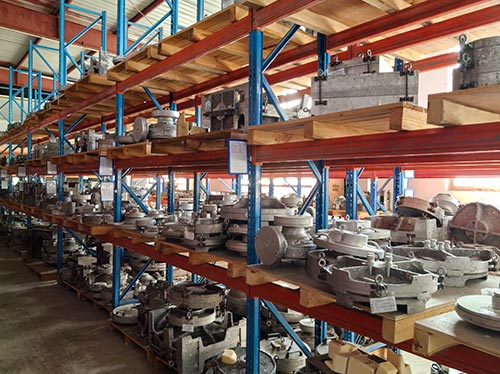
Todo sistema industrial depende de válvulas para controlar el flujo de líquidos y gases. En oleoductos y gasoductos, centrales eléctricas, plantas químicas y sistemas municipales de agua, las válvulas son los héroes silenciosos que mantienen la seguridad y la estabilidad operativa. Cuando una válvula falla, puede provocar fugas catastróficas, daños a los equipos e incluso desastres ambientales.
Fabricación de válvulas por lo tanto, no se trata simplemente de “hacer una parte”, sino que lo es creación de un dispositivo de seguridad de alta precisión. En el centro de este proceso de fabricación se encuentra la fundición de los componentes de la válvula. Aquí es donde se determinan la integridad estructural, la resistencia a la presión y el rendimiento de sellado de la válvula.
La fabricación de válvulas a menudo se subestima, pero es una disciplina de ingeniería de alta precisión que requiere materiales avanzados, fundición precisa, mecanizado meticuloso y pruebas rigurosas. Este artículo se sumerge en el corazón de la fabricación de válvulas, con especial atención a la fundición de componentes de válvulas.
El concepto central: Fabricación de válvulas vs fundición de componentes de válvulas
La fabricación de válvulas cubre todo el ciclo de vida de una válvula, desde el diseño y la fundición hasta el mecanizado, el montaje, las pruebas y la entrega. Sin embargo, la fundición de componentes de válvula es la base. Sin piezas fundidas de alta calidad, la válvula no cumplirá con los requisitos de rendimiento.
Fabricación de válvulas: el panorama general
Fabricarea valvelor include:
- Diseño de ingeniería
- Selección de materiales
- Selección del método de fundición
- Mecanizado
- Montaje
- Pruebas y certificación
- Soporte de entrega y posventa
Cada paso es interdependiente. Un defecto en la fundición no se puede corregir únicamente mediante el mecanizado. Por tanto, la fundición es la etapa más crítica.
Fundición de componentes de válvulas: la base crítica
La fundición de componentes de válvulas es responsable de:
- Creando el cuerpo de la válvula
- Producción de tapas de válvulas
- Fabricación de piezas internas como asientos y discos
- Garantizar la resistencia estructural y la integridad del sellado
La calidad del casting afecta directamente:
- Resistencia a la presión
- Rendimiento de sellado
- Durabilidad
- Resistencia a la corrosión
- Seguridad
Selección de materiales en Fabricación de válvulas
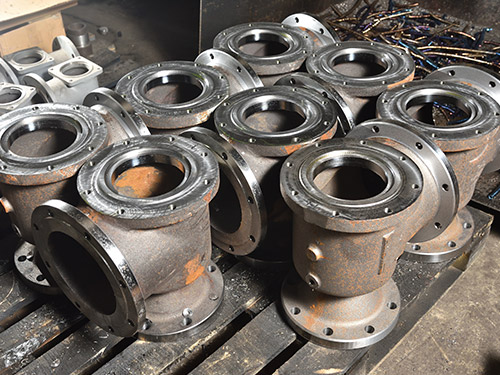
Por qué es importante la elección de materiales
La selección de materiales determina si una válvula puede soportar alta presión, alta temperatura, corrosión y desgaste mecánico. En muchas aplicaciones industriales, el entorno operativo es extremo:
- Las temperaturas pueden superar los 500°C en los sistemas de vapor
- La presión puede superar los 1.000 bar en los oleoductos y gasoductos
- Son comunes los medios corrosivos como el ácido clorhídrico, el ácido sulfúrico y el agua de mar
- La cavitación y la erosión pueden degradar rápidamente los componentes de las válvulas
La fabricación de válvulas requiere materiales que puedan soportar estas condiciones manteniendo al mismo tiempo la estabilidad dimensional y la resistencia mecánica.
Materiales comunes utilizados en la fabricación de válvulas
Los componentes de la válvula suelen estar hechos de:
Serie de acero inoxidable
- 304 / 304L: Resistencia general a la corrosión, rentable
- 316 / 316L: Excelente resistencia a la corrosión por cloruros, ideal para industrias marinas y químicas
- 410: Acero inoxidable martensítico, bueno para válvulas de vapor de alta temperatura
- 17-4PH: Alta resistencia y resistencia a la corrosión, utilizada para válvulas de alto rendimiento
Serie de acero al carbono
- WCB: Ampliamente utilizado para válvulas generales a temperatura ambiente
- 4130: Alta resistencia para cuerpos de válvulas de alta presión
Serie de aleaciones especiales
- Acero inoxidable dúplex 2205: Excelente resistencia a la corrosión bajo tensión
- Aleaciones de Cobalto (Co6, Co12): Se utiliza en condiciones de desgaste a alta temperatura, especialmente para sellar superficies
Por qué se prefiere el acero inoxidable
El acero inoxidable suele ser la opción preferida porque:
- Ofrece alta resistencia a la corrosión
- Mantiene la fuerza a temperaturas elevadas
- Tiene buena maquinabilidad
- Proporciona una larga vida útil en condiciones difíciles
Los expertos de la industria recomiendan con frecuencia el acero inoxidable para válvulas utilizadas en entornos químicos y marinos debido a su rendimiento y costo equilibrados.
Proceso de fabricación de válvulas paso a paso
Diseño e Ingeniería
Fabricación de válvulas comienza con dibujos de ingeniería y validación de diseño. Los ingenieros deben considerar:
- Clasificación de presión (p. ej., ANSI 150, 300, 600, 900, 1500)
- Límites de temperatura
- Compatibilidad con fluidos
- Requisitos de caudal y fugas
- Estabilidad estructural bajo carga
Concepto: Estándares de diseño de válvulas
El diseño de la válvula debe cumplir con estándares como API, ANSI, ISO y especificaciones del cliente. Estos estándares definen dimensiones, índices de presión y requisitos de seguridad.
Selección del método de fundición
El método de fundición afecta directamente el rendimiento de la válvula. Elegir el método correcto es crucial.
Fundición de inversión (Fundición de precisión)
La fundición a la cera perdida se utiliza a menudo para:
- Válvulas de media a alta presión
- Estructuras internas complejas
- Componentes que requieren alta precisión y superficies lisas
Ventajas del casting de inversiones:
- Alta precisión
- Baja rugosidad superficial (puede alcanzar Ra 1,6 µm o mejor)
- Defectos reducidos como poros y contracción
- Menor riesgo de fuga
La fundición a la cera perdida es especialmente adecuada para válvulas de acero inoxidable y aleaciones a alta presión.
Fundición en arena
La fundición en arena se utiliza para:
- Válvulas de baja presión
- Válvulas grandes con formas sencillas
- Producción de gran volumen donde el costo es crítico
Ventajas de la fundición en arena:
- Bajo costo
- Alta eficiencia de producción
- Adecuado para cuerpos de válvulas grandes
Sin embargo, la fundición en arena suele tener:
- Menor precisión
- Superficie más rugosa
- Mayor probabilidad de defectos
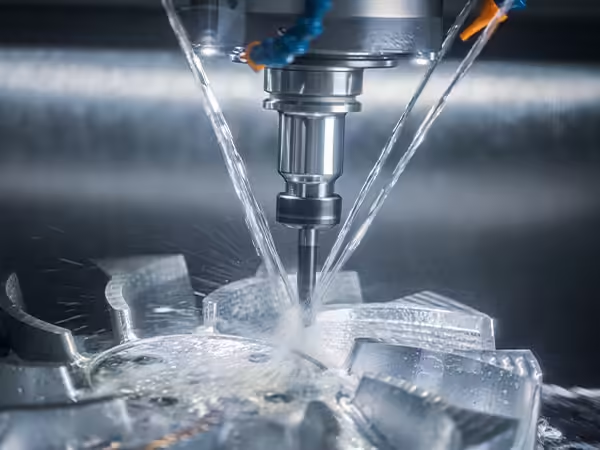
Mecanizado CNC
Después de la fundición, las superficies críticas necesitan mecanizado:
- Superficies de bridas de válvula
- Ejes de vástago
- Asientos selladores
- Áreas roscadas
El mecanizado CNC garantiza tolerancias estrictas, que a menudo alcanzan una planitud y perpendicularidad de 0,02 mm/m.
Control de calidad de fundición de válvulas
Por qué es importante el control de calidad
Los defectos de fundición como poros, grietas y contracción pueden causar:
- Fuga
- Fallo estructural
- Resistencia a la presión reducida
- Vida útil acortada
En la fabricación de válvulas, el control de calidad es obligatorio.
Métodos comunes de inspección
- Inspección de rayos X: Detecta defectos internos
- Pruebas ultrasónicas: Detecta grietas internas
- Pruebas de presión: Simula condiciones reales de funcionamiento
- Inspección dimensional: Garantiza la precisión
Los expertos de la industria enfatizan que una inspección rigurosa es esencial para evitar fallas y reducir los costos posventa.
Comparación: fundición a la cera perdida versus fundición en arena
Fundición por inversión versus fundición en arena en la fabricación de válvulas
Aquí hay una comparación directa:
| Método de fundición | Precisión | Acabado de la superficie | Costo | Mejor para |
|---|---|---|---|---|
| Fundición de inversión | Alto | Liso | Más alto | Cuerpos de válvulas complejos, alta presión |
| Fundición en arena | Moderado | Bruto | Más bajo | Cuerpos de válvulas grandes y sencillos |
| Mecanizado CNC después de la fundición | Más alto | Liso | Costo adicional | Superficies de tolerancia apretadas |
Concepto: elegir el método de fundición adecuado
Para válvulas de alto rendimiento, la fundición a la cera perdida suele ser la mejor opción. Para válvulas grandes y de bajo costo, la fundición en arena es más práctica.
Mecanizado CNC en fabricación de válvulas
Por qué se necesita mecanizado CNC
Incluso la fundición de alta precisión no puede alcanzar las tolerancias más estrictas requeridas para:
- Superficies de sellado
- Superficies de brida
- Interfaces roscadas
El mecanizado CNC garantiza dimensiones precisas y mejora el rendimiento del sellado.
Concepto: Áreas Críticas para el Mecanizado CNC
- Superficies de bridas de válvula
- Ejes de vástago
- Asientos selladores
- Áreas roscadas
El mecanizado es esencial para un montaje sin fugas y una fiabilidad a largo plazo.
Rendimiento del sellado en la fabricación de válvulas
El sellado es el corazón de la fabricación de válvulas
El rendimiento de sellado determina si una válvula puede controlar el flujo de fluido sin fugas. El sellado de válvulas depende de:
- Selección de materiales
- Precisión de fundición
- Precisión del mecanizado
- Calidad de montaje
Concepto: Sellado de la integridad del asiento
Los asientos de sellado deben ser suaves y precisos. La fundición a la cera perdida más el mecanizado CNC garantizan:
- Tolerancias estrictas
- Baja rugosidad superficial
- Rendimiento de sellado estable
Requisitos de desempeño en la fabricación de válvulas
Alta presión y alta temperatura
La fabricación de válvulas debe cumplir con los requisitos de rendimiento a alta presión y alta temperatura. Los componentes deben resistir:
- Expansión térmica
- Estrés mecánico
- Fatiga
Resistencia a la corrosión
La resistencia a la corrosión es esencial para ambientes químicos y marinos. A menudo se eligen materiales como el acero inoxidable y el acero inoxidable dúplex.
Resistencia a la cavitación
La cavitación puede provocar una erosión grave. La selección del material y la calidad de la fundición ayudan a reducir este riesgo.
Componentes de válvulas comunes fabricados mediante fundición
Cuerpo de válvula
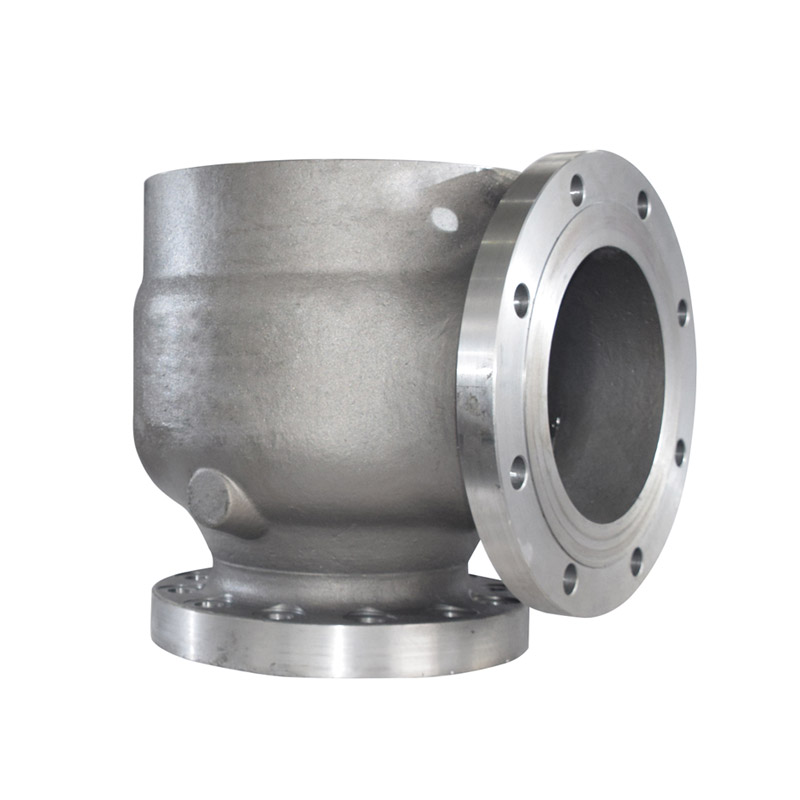
El cuerpo de la válvula es la estructura principal que retiene la presión y el fluido. La fundición debe garantizar:
- Integridad estructural
- Flujo interno suave
- Sin fugas
Tapa de válvula
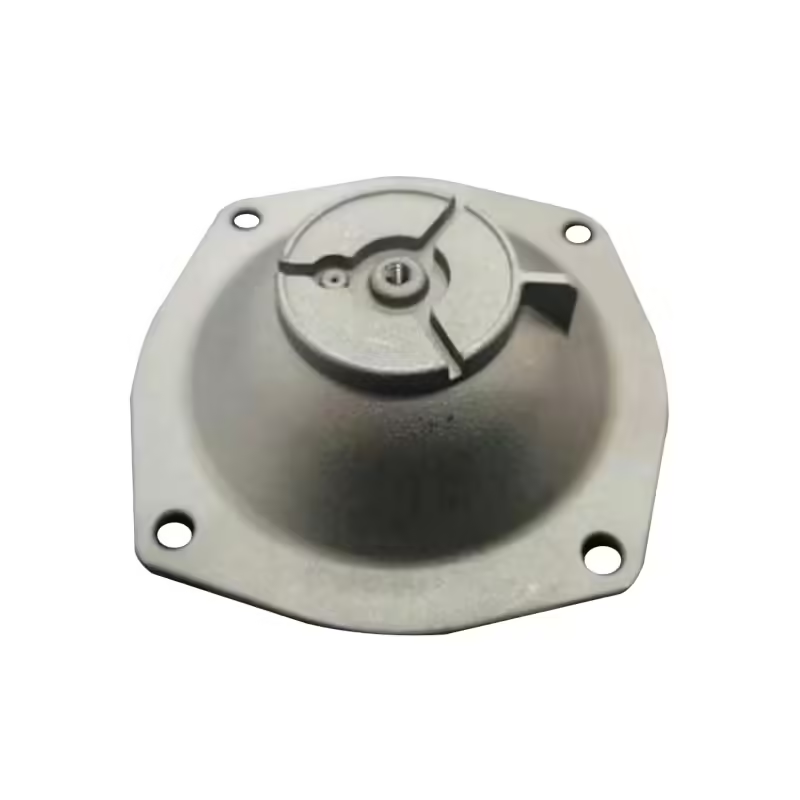
La tapa sella el cuerpo de la válvula. Debe coincidir con el cuerpo con precisión y soportar la presión interna.
Componentes internos
Componentes como el asiento, el disco y el tapizado suelen fundirse o mecanizarse para cumplir con tolerancias estrictas.
Tendencias modernas en la fabricación de válvulas
Diseño Digital y Simulación
La fabricación moderna de válvulas utiliza herramientas digitales:
- Modelado CAD 3D
- Simulación de flujo
- Análisis de estrés
Simularea ajută optimiza:
- Uso de materiales
- Fortaleza
- Eficiencia del flujo de fluidos
- Costos de fabricación
Escaneo 3D e Ingeniería Inversa
El escaneo 3D se utiliza para:
- Validar la precisión del lanzamiento
- Compare la fundición con el diseño
- Mejorar el control de calidad
Industria 4.0 y Fabricación Inteligente
La fabricación inteligente integra:
- Monitoreo en tiempo real
- Control de calidad basado en datos
- Líneas de producción automatizadas
Esto reduce los defectos y mejora la eficiencia.
Datos del mundo real y puntos de referencia de la industria (métricas citadas comúnmente)
Mejoras típicas de rendimiento después de la optimización del casting
Los informes de la industria a menudo muestran que:
- Las tasas de defectos de fundición se pueden reducir en 20-40% con control de procesos mejorado
- El tiempo de mecanizado se puede reducir en 10-25% a través de una mejor precisión de fundición
- Las tasas de aprobación de pruebas de presión pueden aumentar en 15-30% cuando la calidad de la fundición mejora
Métricas de eficiencia en Fabricación de válvulas
Los indicadores comunes de eficiencia incluyen:
- Tasa de rendimiento (fundiciones que cumplen con los estándares)
- Tiempo de mecanizado por pieza
- Tasa de aprobación de la prueba de presión
- Tasa de devolución del cliente
Expert Insights (Principios reconocidos por la industria)
Vista de experto: la calidad de la fundición determina la seguridad de la válvula
Los expertos de la industria coinciden en que la calidad de la fundición es el factor principal en la seguridad de las válvulas. Una fundición de alta calidad reduce:
- Riesgo de fugas
- Fallo estructural
- Costos de mantenimiento
Vista de experto: la selección de materiales es la primera decisión
Los expertos enfatizan que la selección de materiales debe considerar:
- Ambiente de corrosión
- Rango de temperatura
- Clasificación de presión
- Vida útil
Ejemplos de estilo de caso (generalizados, no específicos de la empresa)
Ejemplo: fundición de componentes de válvulas de alta presión
En un sistema de válvulas de alta presión, la calidad de la fundición determina si la válvula puede resistir:
- 600-1500 psi de presión
- Vapor de alta temperatura
- Medios corrosivos
Cuando se reducen los defectos de fundición, la válvula puede mantener un rendimiento a largo plazo sin fugas.
Ejemplo: fundición de componentes de válvulas marinas
Las válvulas marinas requieren:
- Alta resistencia a la corrosión por cloruros
- Larga vida útil
- Sellado estable
El acero inoxidable 316/316L y el acero inoxidable dúplex son opciones comunes.
Los desafíos más comunes en la fabricación de válvulas
Desafío: Defectos de fundición
Defecte comune include:
- Poros
- Grietas
- Contracción
- Inclusiones
Desafío: Errores de selección de materiales
La selección incorrecta del material puede provocar:
- Corrosión
- Grieta
- Fallo mecánico
Desafío: Inexactitud del mecanizado
Si el mecanizado no es preciso, las superficies de sellado pueden tener fugas y provocar fallas.
Comparación: Métodos de fabricación de válvulas por aplicación
| Aplicación | Método de fundición recomendado | Material | Razón |
|---|---|---|---|
| Válvulas de alta presión | Fundición de precisión | Acero inoxidable | Alta precisión y superficies lisas |
| Grandes válvulas de agua | Fundición en arena | Acero carbono | Rentable para piezas grandes |
| Ambiente corrosivo | Fundición de precisión | Acero inoxidable dúplex | Alta resistencia a la corrosión |
| Alta temperatura | Fundición de precisión | 17-4PH / 410 | Resistencia al calor y resistencia |
Conclusión
Fabricación de válvulas es un proceso altamente especializado donde el casting juega un papel decisivo. Los componentes de válvulas de alta calidad requieren el material adecuado, una fundición precisa, un mecanizado preciso y pruebas rigurosas. Para industrias como la de petróleo y gas, química, marina y de generación de energía, la confiabilidad de las válvulas es esencial para la seguridad y la eficiencia.
Al final, fabricación de válvulas no se trata simplemente de producir una pieza. Se trata de garantizar la seguridad y estabilidad de sistemas completos. Cuanto mejor sea el proceso de fundición y el control de calidad, más fiable será la válvula.
PREGUNTAS FRECUENTES
¿Cuál es el material más común para la fabricación de válvulas?
El acero inoxidable es el más común debido a su resistencia a la corrosión y su rendimiento a altas temperaturas.
¿por qué es importante elegir fabricación de válvulas?
La fundición crea la estructura base y determina la resistencia, el sellado y la resistencia a la presión.
¿cuál es la diferencia entre fundición a la cera perdida y fundición en arena?
La fundición a la cera perdida ofrece mayor precisión y superficies más suaves, mientras que la fundición en arena es más barata y adecuada para piezas grandes y sencillas.
¿se pueden personalizar las piezas fundidas de válvulas?
Sí, la fundición de válvulas suele personalizarse según los dibujos y especificaciones de los clientes.
¿Cuánto tiempo lleva la fabricación de válvulas?
Dependiendo de la complejidad, la fundición, el mecanizado y las pruebas pueden tardar entre 3 y 5 semanas en los componentes personalizados.
¿Cuál es el modo de falla más común en la fabricación de válvulas?
Las fugas debidas a defectos de fundición o imprecisiones en el mecanizado son el modo de falla más común.
Categorías de productos
- Piezas de válvulas
- Piezas de la bomba de agua
- Piezas de la caja de cojinetes
- Piezas de fundición a presión
- Productos para bombas de acero inoxidable
- Productos para bombas de hierro fundido
- Piezas de válvulas para automóviles
- Recambios para automóviles
- Piezas de válvulas para uso civil
- Piezas de bomba de vacío KF

 Spanish
  English
  Arabic
  Malay
Malay  German