
Cast vs Forged Wheels: Which Option Delivers Best Performance?
¡Bienvenido a mi blog!
¡Me encanta tenerte aquí! Antes de profundizar en el contenido, me encantaría que me acompañaras en mis redes sociales. Es donde comparto información adicional, conecto con nuestra increíble comunidad y te mantengo al tanto de las últimas noticias. Así es como puedes mantenerte conectado:
📘 Facebook: Shanghai Leierwo Industria Comercio Co., Ltd.
¡Ahora, emprendamos este viaje juntos! Espero que el contenido aquí te resulte no solo revelador, sino también inspirador y valioso. ¡Comencemos!
Tabla de contenido
Introducción
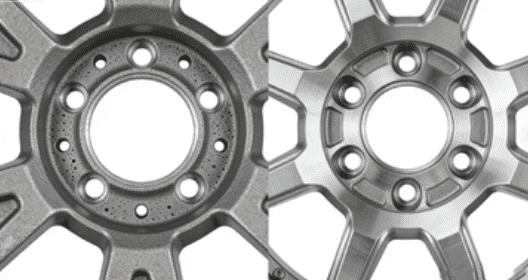
Choosing the right wheels for your vehicle goes beyond aesthetics; it directly impacts handling, safety, and performance. For car enthusiasts and professionals alike, the debate of cast vs forged wheels is critical when weighing cost against quality.
Cast wheels are popular for their affordability and design flexibility, while forged wheels are prized for superior strength, lighter weight, and enhanced performance. This article explores the differences in cost, material properties, and real-world performance, providing a comprehensive guide to making informed decisions.
Understanding Cast Wheels
Cast wheels are made by pouring molten aluminum or alloy into a mold and allowing it to solidify. This process allows for complex designs and intricate geometries that would be difficult or costly with other methods.
Proceso de fabricación
The two main casting methods are gravity casting and low-pressure casting. Gravity casting lets molten metal naturally fill the mold, while low-pressure casting uses controlled pressure to reduce porosity and improve density. These methods are cost-effective, making cast wheels ideal for high-volume vehicle production.
Propiedades del material
Cast wheels typically feature moderate tensile strength (240–320 MPa) and uniform density. Micro-porosity can occur, which may slightly reduce durability under high stress. Despite this, cast wheels are strong enough for daily driving, providing flexibility for aesthetic features like multi-spoke designs and integrated cooling channels.
Benefits of Cast Wheels
- Lower production cost allows for affordable replacement and repair
- Supports complex design options for OEM and aftermarket vehicles
- Sufficient durability for street use, city driving, and occasional long-distance trips
Aplicaciones comunes
Cast wheels are widely used in family cars, passenger vehicles, and entry-level sports cars, where affordability, design variety, and basic performance matter most.
Understanding Forged Wheels
Forged wheels are produced by applying extreme pressure to solid aluminum billets, shaping the metal while aligning its internal grain structure. This results in enhanced strength, fatigue resistance, and reduced weight.
Proceso de fabricación
- Single-piece forging: Compresses a single billet into a complete wheel
- Multi-step forging: Sequentially compresses different regions for optimized weight, strength, and spoke design
The aligned grain flow ensures that forged wheels can withstand higher stress while remaining lighter than cast counterparts.
Propiedades del material
Forged wheels typically use premium aluminum alloys like 6061-T6 or 7075. Their tensile strength ranges from 380–480 MPa, making them 30–50% stronger than cast wheels. They also have superior resistance to cracking, bending, and fatigue.
Benefits of Forged Wheels
- Reduced unsprung weight improves handling, braking, and acceleration
- Enhanced fatigue resistance ensures long-lasting durability under extreme conditions
- Superior performance makes them ideal for track, racing, or high-performance luxury vehicles
Aplicaciones comunes
Forged wheels are widely used in sports cars, luxury vehicles, and racing applications, where both performance and aesthetic appeal are critical.
Mechanical Comparison Between Cast and Forged Wheels
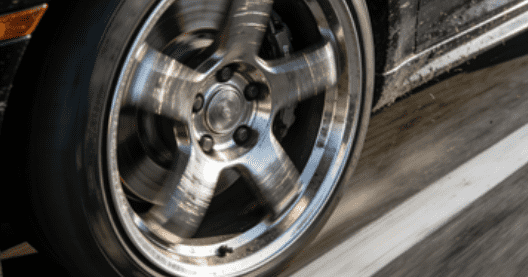
Al comparar cast vs forged wheels, one of the most critical considerations is mechanical performance. Forged wheels are both stronger and lighter than cast wheels, making them highly suitable for high-stress applications, performance driving, and long-term durability. Understanding the differences in strength, weight, and engineering design helps car owners and enthusiasts make informed decisions.
Resistencia y durabilidad
A significant advantage of forged wheels lies in their resistance to bending, cracking, and fatigue. Laboratory testing demonstrates that forged 19-inch wheels can endure up to 30% more stress cycles than cast wheels of the same size. This is due to the aligned grain structure formed during the forging process, which distributes load more evenly throughout the wheel.
Cast wheels, on the other hand, may contain micro-porosity or slight inconsistencies from the casting process. While adequate for daily driving, these microscopic defects can reduce long-term durability under repeated high loads, such as track days, spirited driving, or off-road use.
Weight and Performance
One of the most tangible advantages of forged wheels is their reduced weight, which directly affects unsprung mass. Lower unsprung mass improves:
- Handling: Wheels respond faster to steering inputs, enhancing cornering precision
- Braking: Reduced rotational inertia shortens stopping distances
- Acceleration: Lighter wheels allow engines to accelerate the vehicle more efficiently
- Fuel Efficiency: Less energy is required to move lighter wheels, reducing fuel consumption
Forged wheels achieve this weight reduction without compromising structural strength, enabling manufacturers to design thinner spokes, optimized rim profiles, and aerodynamic shapes. Cast wheels, while often heavier, can still provide aesthetic advantages with multi-spoke and intricate designs, but at the cost of increased rotational mass and less predictable stress performance.
Consideraciones de costos
Mientras cast wheels are generally more budget-friendly—typically $150–$400 per wheel—forged wheels are a premium investment, ranging from $600–$2000+ depending on size, alloy, and design complexity.
However, the long-term value of forged wheels often outweighs the initial cost due to:
- Extended lifespan: Forged wheels can last 8–15 years or more with proper care
- Reduced maintenance: Lower risk of cracks and bends decreases repair or replacement costs
- Enhanced resale value: Performance vehicles with forged wheels often maintain higher market value
- Performance advantages: Lighter and stronger wheels enhance overall vehicle dynamics
Material and Engineering Insights
Aluminum Alloys and Heat Treatment
Cast wheels commonly use A356-T6 aluminum, which is easy to mold but less strong and fatigue-resistant than alloys used in forged wheels. Forged wheels often utilize 6061-T6 or 7075 aluminum, which are high-strength alloys commonly used in aerospace and motorsport.
Heat treatment of forged wheels is also critical: solution treatment and aging processes maximize hardness, tensile strength, and resistance to fatigue. Cast wheels typically undergo less extensive heat treatment, leaving them more prone to microstructural weaknesses under extreme load.
Grain Flow and Mechanical Advantage
The forging process aligns the internal grain structure along the wheel’s geometry. This aligned grain flow ensures that stress is distributed evenly, reducing the likelihood of micro-cracks, bending, and catastrophic failure.
In contrast, cast wheels have random grain orientation due to solidification in the mold. This randomness can create localized stress concentrations, making cast wheels less reliable under repeated heavy loads or high-speed impacts.
Applications by Vehicle Type
Daily Driving
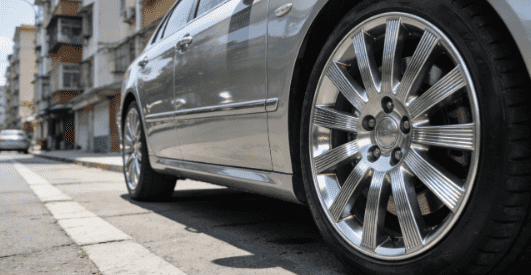
For everyday vehicles, cast wheels provide a balance of cost, durability, and design options. They are easy to replace and maintain, making them suitable for most consumer vehicles.
Sports Cars and Track Vehicles
Forged wheels excel in performance environments. Reduced weight and superior strength improve cornering, braking, and acceleration, providing tangible advantages on the track or during spirited driving.
Luxury and Exotic Vehicles
High-end vehicles favor forged wheels for both performance and aesthetic appeal. Their design flexibility allows for intricate, lightweight wheels that complement the vehicle’s styling while providing maximum performance.
Expert Opinions
John Evans, a renowned wheel engineer, states:
“Forged wheels are not just about looks—they offer unmatched strength-to-weight ratios that are essential for high-performance and racing vehicles.”
According to the Motorsport Advisory Board (2022), racing teams prefer forged wheels for endurance events due to their superior fatigue resistance and ability to withstand high-speed cornering forces without failure.
Comparison Table: Cast vs Forged Wheels
| Característica | Cast Wheels | Forged Wheels |
|---|---|---|
| Fabricación | Mold-based pouring | High-pressure billet shaping |
| Fortaleza | Moderado | High, fatigue-resistant |
| Peso | Heavier | Lighter, optimized design |
| Flexibilidad de diseño | Excelente | Moderate, requires precise dies |
| Esperanza de vida | 3–5 years typical | 8–15+ years with proper care |
| Aplicaciones | Daily driving, OEM | Racing, performance, luxury |
| Costo | $150–$400 | $600–$2000+ |
| Durabilidad | Adequate under normal loads | Superior under extreme loads |
Conclusión
Al evaluar cast vs forged wheels, understanding the trade-offs between cost, performance, and durability is crucial.
- Cast Wheels: Affordable, versatile, ideal for daily driving, OEM vehicles, and casual use.
- Forged Wheels: Premium, lightweight, durable, and optimized for racing, high-performance, and luxury cars.
Investing in the right type of wheel ensures safety, optimal performance, and long-term value, allowing drivers to make choices that match both their budget and driving needs.
PREGUNTAS FRECUENTES
Are forged wheels worth the extra cost?
Yes, especially for high-performance vehicles or racing applications. Forged wheels offer better strength, lighter weight, and longer lifespan.
Can cast wheels handle track use?
Quality cast wheels can handle occasional track use but may bend or crack under repeated high stress.
Do forged wheels improve fuel efficiency?
Yes, the reduced weight lowers unsprung mass, improving acceleration, braking, and fuel economy.
How can I tell if my wheels are cast or forged?
Forged wheels are often stamped “FORGED” on the inner barrel and feel denser. Cast wheels usually appear less uniform with potential surface imperfections.
Can cast wheels be repaired after damage?
Minor bends can sometimes be straightened, but cracks generally require replacement. Forged wheels are more resilient and can occasionally be machined or reinforced.
Categorías de productos
- Piezas de válvulas
- Piezas de la bomba de agua
- Piezas de la caja de cojinetes
- Piezas de fundición a presión
- Productos para bombas de acero inoxidable
- Productos para bombas de hierro fundido
- Piezas de válvulas para automóviles
- Recambios para automóviles
- Piezas de válvulas para uso civil
- Piezas de bomba de vacío KF

 Spanish
  English
  Arabic
  Malay
Malay  German