
Diferencia entre fundición y forja: conocimientos clave
¡Bienvenido a mi blog!
¡Me encanta tenerte aquí! Antes de profundizar en el contenido, me encantaría que me acompañaras en mis redes sociales. Es donde comparto información adicional, conecto con nuestra increíble comunidad y te mantengo al tanto de las últimas noticias. Así es como puedes mantenerte conectado:
📘 Facebook: Shanghai Leierwo Industria Comercio Co., Ltd.
¡Ahora, emprendamos este viaje juntos! Espero que el contenido aquí te resulte no solo revelador, sino también inspirador y valioso. ¡Comencemos!
Tabla de contenido
Conclusiones clave de este blog
- Comprender el diferencia entre fundición y forja en la fabricación moderna
- Propiedades mecánicas, conceptos metalúrgicos y rendimiento de materiales
- Ventajas, limitaciones, coste y aplicaciones industriales de ambos procesos
- Información de expertos, estándares de ingeniería y datos del mundo real
- Una tabla comparativa detallada para la toma de decisiones prácticas
- Preguntas frecuentes que abordan la búsqueda común de Google y las consultas conversacionales
Introducción
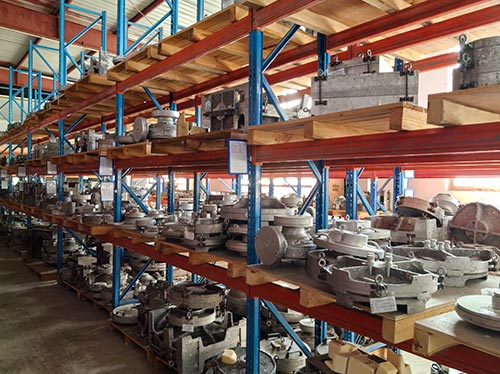
Elegir el proceso de fabricación adecuado puede mejorar o deshacer el rendimiento de un producto. Los ingenieros, diseñadores y equipos de adquisiciones preguntan con frecuencia: ¿qué es el diferencia entre fundición y forja, ¿y qué proceso es el adecuado para mi solicitud?
Casting y forja son dos de los métodos más antiguos y utilizados para dar forma a metales, pero sus resultados, propiedades y aplicaciones difieren significativamente. Una sola mala elección puede provocar fallas en el material, mayores costos o una reducción de la vida útil del producto.
En este artículo, exploramos ambos procesos en profundidad, proporcionamos comparaciones basadas en datos, incluimos opiniones de expertos y examinamos estándares industriales para ayudarlo a tomar decisiones informadas.
¿qué es el casting?
La fundición es un proceso de fabricación tradicional en el que se vierte metal fundido en un molde y se le permite solidificarse en una forma específica. Este método se ha utilizado durante siglos para producir componentes que van desde herramientas simples hasta maquinaria industrial compleja. La fundición es particularmente valorada por su capacidad para crear piezas con geometrías intrincadas que serían difíciles o imposibles de fabricar mediante otros métodos.
Idea central «fabricación basada en moho
El principio principal detrás de la fundición es la conformación basada en molde. El molde determina la geometría final del componente, lo que permite a los ingenieros crear cavidades internas intrincadas, paredes delgadas o patrones decorativos. A diferencia de otros métodos, la fundición permite la creación rápida de prototipos de nuevos diseños, lo que reduce el tiempo entre el concepto y la producción. Para la producción a mediana y gran escala, la fundición puede ser muy eficiente, ya que se pueden utilizar múltiples moldes o núcleos para producir piezas consistentes.
Consideraciones materiales para el casting
La fundición es compatible con una amplia gama de metales, incluidos acero, aluminio, hierro y bronce. Las propiedades mecánicas de los componentes fundidos están influenciadas por varios factores: la velocidad de enfriamiento, el tipo de material del molde y la composición específica de la aleación. Por ejemplo, un enfriamiento más lento puede aumentar la ductilidad pero puede reducir la resistencia general, mientras que un enfriamiento más rápido produce piezas más duras y quebradizas.
A pesar de su versatilidad, la fundición tiene problemas potenciales como porosidad, contracción e inclusiones. Estos defectos pueden debilitar el material y afectar el rendimiento, razón por la cual las medidas de control de calidad como la inspección por rayos X, las pruebas ultrasónicas y el diseño cuidadoso del molde son esenciales.
Aplicaciones de la fundición
El fundición se utiliza ampliamente para piezas que lo requieren formas complejas más que una resistencia extrema. Las aplicaciones comunes incluyen bloques de motor, carcasas de bombas, válvulas y esculturas artísticas. En muchos casos, las piezas fundidas se someten a un mecanizado secundario para lograr dimensiones precisas, especialmente cuando se utilizan en maquinaria o componentes de automóviles.
Qué es Forja?
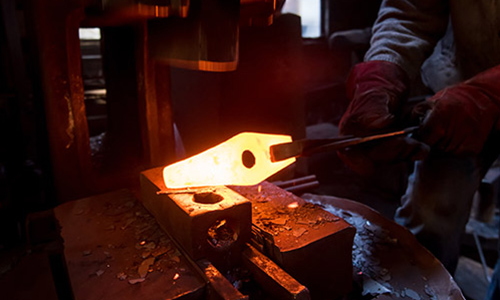
La forja es un proceso en el que se da forma al metal aplicando fuerzas de compresión, generalmente utilizando martillos, prensas o matrices. A diferencia de la fundición, la forja depende de deformación mecánica en lugar de verter metal fundido en un molde. Este enfoque da como resultado componentes con una estructura de grano refinada, lo que mejora las propiedades mecánicas y reduce la probabilidad de defectos internos.
Idea central - Resistencia basada en deformación
La esencia de la forja es mejorar la estructura interna del metal mediante deformación controlada. Cuando se forja el metal, los granos se alinean en la dirección de la fuerza aplicada, lo que mejora la resistencia a la tracción, la resistencia a la fatiga y la tenacidad. Esta alineación también reduce los huecos, inclusiones y otros defectos microestructurales que pueden ocurrir en los metales fundidos, lo que hace que los componentes forjados sean ideales para aplicaciones de alta tensión.
Técnicas de forja
Existen varias técnicas dentro de la forja, cada una adecuada para diferentes aplicaciones:
- Forja de matriz abierta: Este método implica dar forma al metal entre matrices planas o de forma simple. Es ideal para piezas grandes con formas personalizadas, como ejes o vigas estructurales.
- Forja de troquel cerrado: El metal se comprime en matrices mecanizadas con precisión, lo que produce formas repetibles con alta precisión dimensional. Esta técnica es común en componentes automotrices y aeroespaciales.
- Forjarea rolului: El metal pasa a través de matrices de laminación para reducir la sección transversal o alargar el material. Este proceso es eficiente para producir varillas, barras y componentes alargados con propiedades uniformes.
Aplicaciones de la forja
La forja se utiliza ampliamente para componentes que deben soportar cargas pesadas, altas tensiones o ciclos repetidos. Los ejemplos incluyen cigüeñales, bielas, engranajes, ejes de turbinas y componentes de trenes de aterrizaje en el sector aeroespacial. En estas aplicaciones, las propiedades mecánicas mejoradas que proporciona la forja la hacen mucho más confiable que la fundición.
Propiedades mecánicas: fundición versus forja
Resistencia y durabilidad
Una de las diferencias más significativas entre fundición y forja es la resistencia mecánica. Los componentes forjados suelen presentar resistencia a la tracción hasta 20-50% superior que sus homólogos fundidos. Esta ventaja se debe al flujo direccional de grano logrado durante la forja, que también mejora la resistencia a la fatiga y los golpes mecánicos. Los componentes fundidos, si bien son adecuados para aplicaciones de tensión baja a media, generalmente son más propensos a fallas frágiles bajo cargas pesadas.
Densidad y defectos del material
La fundición puede dar como resultado porosidad o inclusiones microscópicas que reducen la densidad y pueden comprometer la integridad mecánica. Por el contrario, la forja produce materiales más densos y uniformes con menos huecos internos. Por ejemplo, un estudio de 2022 publicado en el Revista de Ingeniería de Materiales lo demostró los engranajes de acero forjado soportan aproximadamente 30% más ciclos de carga que los engranajes fundidos de idénticas dimensiones, destacando la fiabilidad de los componentes forjados bajo tensiones repetidas.
Precisión dimensional
La precisión dimensional también difiere entre los dos procesos. Las piezas fundidas a menudo requieren mecanizado secundario lograr tolerancias precisas, ya que la contracción y las imperfecciones del moho pueden alterar la geometría final. Las piezas forjadas, especialmente aquellas producidas con técnicas de matriz cerrada, tienen una excelente consistencia dimensional y a menudo requieren menos posprocesamiento. Esta ventaja es particularmente valiosa en industrias de alta precisión como la aeroespacial y la fabricación de automóviles.
Acabado y Postprocesamiento de Superficies
Si bien la fundición permite formas complejas, el acabado de la superficie suele ser más rugoso y requiere pulido, mecanizado o recubrimiento. La forja generalmente da como resultado superficies más lisas debido al contacto y la compresión del troquel, aunque aún puede ser necesario un mecanizado adicional para obtener características precisas.
Consideraciones de costo, eficiencia y producción
Casting
- Menor costo inicial de herramientas para piezas complejas
- Plazo de entrega más rápido para los prototipos
- La utilización del material es eficiente para componentes huecos o intrincados
Forja
- Mayores costos iniciales de herramientas y troqueles
- Menor costo unitario para piezas de gran volumen y alta resistencia
- Configuración más larga pero rendimiento superior para aplicaciones mecánicas críticas
Consideraciones ambientales
- Es posible que sea necesario realizar un casting más energía para derretir y producción de moho
- La forja consume energía principalmente en deformación mecánica, a menudo más sostenible para piezas duraderas y de alta resistencia
Tabla comparativa: Casting vs Forja
| Característica | Casting | Forja |
|---|---|---|
| Proceso | Metal fundido vertido en molde | Metal conformado bajo fuerza de compresión |
| Fortaleza | Moderado | Alto |
| Resistencia a la fatiga | Más bajo | Mayor (mejora 20-50%) |
| Densidad del material | Porosidad posible | Uniforme, denso |
| Complejidad de formas | Excelente | Limitado a la capacidad de morir |
| Precisión dimensional | Moderado | Alto |
| Costo | Menor costo de herramientas, prototipos más rápidos | Mayor costo inicial, menor costo por pieza por volumen |
| Aplicaciones típicas | Bloques de motor, carcasas, piezas decorativas | Cigüeñales, engranajes, bielas, ejes |
| Uso de energía | Alto para derretir | Moderado para deformación |
| Sostenibilidad | Depende del material del molde | A menudo es mejor para piezas duraderas y de alta tensión |
Ventajas del Casting
Flexibilidad de diseño
El casting lo permite formas intrincadas, canales internos y paredes delgadas esa forja no puede lograrse fácilmente.
Rentabilidad de piezas complejas
Los menores costos de herramientas hacen que la fundición sea atractiva producción en volumen bajo a medio.
Prototipado rápido
La fundición admite el desarrollo en etapa inicial, lo que permite una iteración más rápida antes de invertir en troqueles de forja.
Ventajas de la forja
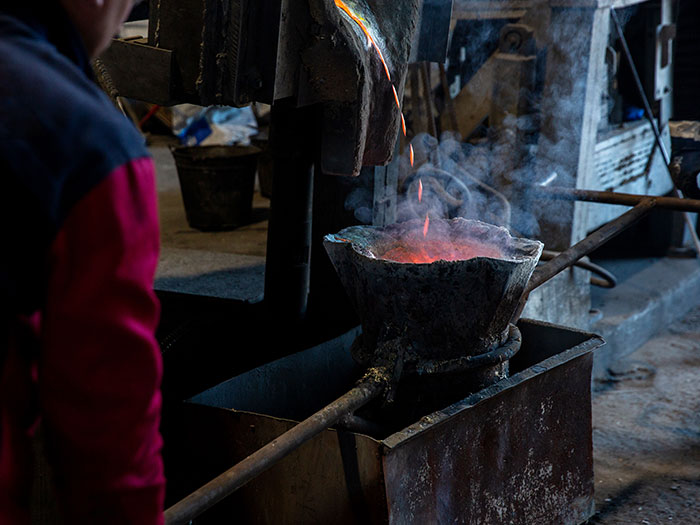
Propiedades mecánicas superiores
- Mango de componentes forjados cargas dinámicas, golpes y fatiga más eficazmente
- Mejora la alineación de la estructura del grano dureza y confiabilidad
Defectos reducidos
Menos vacíos e inclusiones conducen a piezas más duraderas en aplicaciones críticas
Respaldo de la industria
- De acuerdo a ASM Internacional, se prefieren las piezas forjadas equipos aeroespaciales, automotrices e industriales de alto estrés debido al mayor rendimiento bajo estrés operativo
Limitaciones
Casting
- Potencial defectos de porosidad o contracción
- Menor resistencia mecánica para componentes de alta carga
- Es posible que se requiera mecanizado secundario para lograr precisión
Forja
- Complejidad geométrica limitada
- Altos costos iniciales de herramientas
- No ideal para componentes huecos o extremadamente complejos
Aplicaciones basadas en la diferencia entre fundición y forja
Entendiendo el diferencia entre fundición y forja es fundamental a la hora de seleccionar materiales y procesos para aplicaciones industriales específicas. Cada método ofrece ventajas únicas y elegir el correcto garantiza durabilidad, rendimiento y rentabilidad.
Industria automotriz
En el sector del automóvil, la elección entre fundición y forja depende en gran medida de demandas mecánicas y volumen de producción.
- Forjando: Los componentes de alta tensión, como cigüeñales, engranajes y bielas, suelen estar forjados. Estas piezas deben soportar cargas cíclicas repetidas y golpes, y la forja proporciona una resistencia a la tracción, resistencia a la fatiga y confiabilidad superiores en estas condiciones. Por ejemplo, los cigüeñales de acero forjado pueden soportar hasta Ciclos de carga superiores 30% en comparación con equivalentes de reparto.
- Casting: Los bloques de motor, las culatas y las carcasas suelen ser fundidos. La fundición lo permite geometrías complejas, canales de refrigeración integrados y diseños ligeros, lo que sería difícil o costoso de lograr con la forja. Además, la fundición permite la producción eficiente de piezas de volumen medio a alto con una precisión de forma constante.
Industria aeroespacial
Los componentes aeroespaciales a menudo operan bajo cargas extremas y condiciones críticas para la seguridad, lo que hace que la selección del proceso sea crucial.
- Forjando: El tren de aterrizaje, los ejes de las turbinas y otras piezas estructurales de alta tensión se forjan debido a la capacidad del proceso para mejorar flujo de grano y alineación mecánica, que mejora la dureza y la resistencia a la fatiga. Los componentes aeroespaciales forjados pueden soportar mayor estrés y cargas dinámicas, garantizando seguridad y longevidad.
- Casting: Las carcasas, soportes y ciertas carcasas de turbina generalmente se funden, según lo permita el proceso características internas complejas y estructuras ligeras que serían difíciles de forjar. La fundición a la cera perdida, en particular, se utiliza ampliamente para producir piezas aeroespaciales de alta precisión con diseños complejos.
Maquinaria industrial
La maquinaria pesada depende de componentes que pueden hacerlo soporta cargas sostenidas, vibraciones y desgaste.
- Forjando: Comúnmente se forjan ejes, prensas y engranajes de alta resistencia. La forja mejora densidad y uniformidad, reduciendo el riesgo de fallas mecánicas y extendiendo la vida útil en aplicaciones industriales exigentes. Por ejemplo, los ejes de acero forjado en prensas pueden soportar millones de ciclos operativos sin deformaciones significativas.
- Casting: A menudo se funden carcasas de bombas, cuerpos de válvulas y marcos con formas complejas. La fundición permite producción rentable de componentes complejos de lo contrario, esto requeriría un mecanizado extenso a partir de bloques sólidos. Es particularmente beneficioso para conjuntos grandes y complejos donde la flexibilidad del diseño es esencial.
Aplicaciones y tendencias emergentes
Las industrias modernas utilizan cada vez más enfoques híbridos que combinan fundición y forja optimizar el rendimiento y el costo. De exemplu:
- Los soportes aeroespaciales pueden serlo moldeado para complejidad de forma y luego forjado localmente para zonas críticas de carga.
- Los bloques de motor de aluminio livianos para automóviles se pueden fundir, mientras que las bielas y los engranajes permanecen forjados para soportar tensiones mecánicas.
Estas estrategias reflejan una comprensión de toda la industria de que conocer el diferencia entre fundición y forja no es sólo teórico sino esencial para lograrlo rendimiento mecánico, confiabilidad y eficiencia óptimos.
Conclusión
Entendiendo el diferencia entre fundición y forja es esencial para ingenieros, fabricantes y compradores.
- Casting: Cel mai bun pentru formas complejas, estrés bajo a medio y creación rápida de prototipos
- Forja: Cel mai bun pentru componentes críticos para la fatiga, de alta resistencia y alta carga
Al analizar las propiedades de los materiales, el volumen de producción, el costo y los requisitos de aplicación, los equipos industriales pueden elegir el proceso adecuado para maximizar rendimiento, confiabilidad y eficiencia.
PREGUNTAS FRECUENTES
¿cuál es más fuerte: fundir o forjar?
Forja produce piezas más fuertes y duraderas debido al flujo de grano alineado y la menor porosidad.
¿es mejor fundir para formas complejas?
Sí, la fundición permite geometrías intrincadas y estructuras huecas que son difíciles o imposibles de forjar.
¿Qué proceso es más rentable?
La fundición tiene un costo inicial de herramientas más bajo, pero la forja es más económica para aplicaciones de gran volumen y alta resistencia.
¿Se pueden utilizar piezas forjadas en componentes aeroespaciales críticos?
Absolutamente; La industria aeroespacial depende en gran medida de la forja para trenes de aterrizaje, ejes de turbinas y estructuras de alta carga.
¿la fundición requiere mecanizado secundario?
A menudo sí. La fundición puede producir piezas con forma casi neta, pero las características de precisión generalmente requieren mecanizado adicional.
Categorías de productos
- Piezas de válvulas
- Piezas de la bomba de agua
- Piezas de la caja de cojinetes
- Piezas de fundición a presión
- Productos para bombas de acero inoxidable
- Productos para bombas de hierro fundido
- Piezas de válvulas para automóviles
- Recambios para automóviles
- Piezas de válvulas para uso civil
- Piezas de bomba de vacío KF

¡Comencemos tu próximo proyecto!
Inicie su proyecto con Leierwo
1. Envíe su consulta
2. Cálculo de costes
3. Inicio de la producción
4. Organizar la entrega
PREGUNTAS FRECUENTES
Sí, tenemos una amplia experiencia en el comercio internacional y podemos ayudar a los clientes con el despacho de aduanas de exportación y los arreglos de envío. Aceptamos varios métodos de pago internacionales, incluyendo T/T (transferencia telegráfica), transferencia bancaria y carta de crédito (L/C). Las condiciones de pago se pueden discutir con nuestro equipo de ventas.
Al asociarse con Leierwo, podrá disfrutar de precios competitivos y una calidad superior a la de otros proveedores. Además, ofrecemos una solución integral para entregar piezas acabadas, incluido el mecanizado CNC y el tratamiento de superficies, lo que garantiza un proceso de producción sin fisuras.
Contamos con avanzados equipos de fundición y estrictos sistemas de control de calidad. Nuestra capacidad de producción mensual es considerable y podemos fabricar productos a partir de dibujos o muestras proporcionados por el cliente. Aceptamos tanto pequeños pedidos de prueba como producciones a gran escala.
Nuestros productos cumplen normas internacionales como ASTM, AISI, DIN y JIS. Podemos proporcionar informes de pruebas de materiales y certificaciones pertinentes para garantizar que la calidad del producto cumple los requisitos del cliente.
Seguimos estrictamente el sistema de gestión de calidad ISO 9001 y realizamos múltiples inspecciones a lo largo del proceso de producción, incluidos análisis espectrográficos, pruebas de rayos X, pruebas ultrasónicas y mediciones dimensionales. Estas medidas de control de calidad garantizan que nuestras piezas de fundición cumplen las normas más estrictas.
Sin embargo, somos flexibles y estamos abiertos a discutir sus necesidades específicas.
Nuestro plazo de producción estándar es de 4 a 6 semanas, en función de la cantidad del pedido y la complejidad del producto. Nos esforzamos por acortar los plazos de entrega para satisfacer las demandas de los clientes.
Sí, podemos proporcionar muestras para la inspección de calidad. Los costes de las muestras y los gastos de envío pueden negociarse, y los gastos de las muestras pueden reembolsarse al realizar un pedido formal.
 Spanish
  English
  Arabic
  Malay
Malay  German