
¿La fabricación a presión de fundición es adecuada para sus piezas?
¡Bienvenido a mi blog!
¡Me encanta tenerte aquí! Antes de profundizar en el contenido, me encantaría que me acompañaras en mis redes sociales. Es donde comparto información adicional, conecto con nuestra increíble comunidad y te mantengo al tanto de las últimas noticias. Así es como puedes mantenerte conectado:
📘 Facebook: Shanghai Leierwo Industria Comercio Co., Ltd.
¡Ahora, emprendamos este viaje juntos! Espero que el contenido aquí te resulte no solo revelador, sino también inspirador y valioso. ¡Comencemos!
Tabla de contenido
Una inmersión profunda en aplicaciones, costos, reglas de diseño, opciones de materiales y requisitos de rendimiento
Fabricación de fundición a presión es uno de los procesos de conformado de metales más utilizados en automoción, aeroespacial, electrónica, dispositivos médicos y maquinaria industrial. Pero no siempre es obvio si es la opción ideal para su pieza específica. Muchas empresas se lanzan a la inversión en herramientas sin comprender completamente las ventajas, limitaciones, curvas de costos o tecnologías de fabricación alternativas a largo plazo.
Este artículo te ayuda a determinar -con conocimientos respaldados por datos, principios de ingeniería y ejemplos del mundo real«si la fabricación de fundición a presión se adapta a los requisitos técnicos y económicos de su proyecto.
Conclusiones clave de este artículo
- Por qué los fabricantes eligen la fundición a presión para una producción de gran volumen
- Cuando la fundición a presión lo es no la mejor opción
- Conceptos importantes como comportamiento térmico, amortización de herramientas, control de porosidad y selección de aleaciones
- Comparaciones de costos reales de fabricación
- Una tabla detallada para elegir materiales y procesos
- Opiniones de expertos de ingenieros de la industria e instituciones acreditadas
- Una lista de verificación práctica para decidir si la fabricación de fundición a presión es adecuada para su pieza
- Preguntas frecuentes comunes sobre ingeniería basadas en los patrones de búsqueda naturales de Google
Introducción
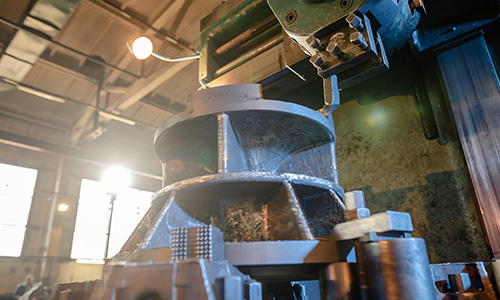
La presión global sobre los fabricantes está aumentando. Los componentes deben serlo más ligero, más fuerte, dimensionalmente estable, resistente a la corrosión y producido a escala. Según el Organización Mundial de Fundición (WFO), la demanda de fundición a presión ha aumentado 14% año tras año, impulsado principalmente por vehículos eléctricos, automatización industrial y carcasas de dispositivos inteligentes.
Pero la explosión de nuevas tecnologías de fabricación (mecanizado CNC, fabricación aditiva, moldeo por inyección, sinterización de metales y forja avanzada) ha obligado a los ingenieros a repensar si la fabricación de fundición a presión realmente se adapta a sus necesidades.
Esta guía tiene como objetivo brindarle claridad.
¿qué es la fabricación de fundición a presión?
Fabricación de fundición a presión es un proceso de formación de metales en el que se inyecta metal fundido a alta presión en un molde (troquel) de acero. Esto produce piezas consistentes y de gran volumen con excelente acabado superficial y tolerancias dimensionales estrictas.
Concepto clave: Inyección de alta presión
La fundición a presión suele utilizar 10.000-25.000 psi de presión de inyección, permitiendo que el metal fundido llene geometrías complejas rápidamente.
Concepto clave: Herramientas de acero reutilizables
Troqueles hechos de Acero para herramientas H13 puede soportar decenas o cientos de miles de disparos, lo que distribuye los costos de herramientas a lo largo de largos ciclos de producción.
Concepto clave: Excelente repetibilidad
Una vez que se optimizan las herramientas, la variación de una parte a otra es extremadamente baja, a menudo <0,1 mm, según los estándares de la NADCA (Asociación Norteamericana de Fundición a Troquel).
Por qué muchos ingenieros eligen Fabricación de fundición a presión
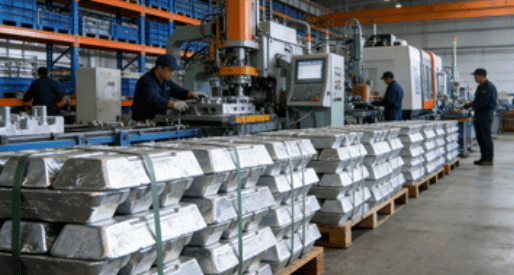
Capacidad de geometría
Soportes de fundición a presión:
- Paredes delgadas (<1,5 mm para aluminio)
- Cavidades complejas
- Sujetadores integrales
- Costillas y jefes
- Logotipos y texturas superficiales
- Insertos roscados
Eficiencia de materiales
Rendimientos de fundición a presión 95-98% uso de material, reduciendo significativamente el desperdicio en comparación con el mecanizado CNC.
Eficiencia de costos a escala
Cuando los volúmenes superan las 5.000-10.000 piezas al año, la fundición a presión se vuelve extremadamente competitiva en términos de costos.
Fuertes propiedades mecánicas
Las aleaciones modernas de fundición a presión lo permiten:
- Resistencia a la tracción de hasta 380 MPa
- Dureza hasta 120 Brinell
- Alta resistencia al impacto
Cuando Fabricación de fundición a presión No es tu mejor opción
A pesar de sus ventajas, la fundición a presión no es universal.
Limitación: Costo de herramientas
Las herramientas iniciales a menudo varían desde $8.000-$75.000+, dependiendo del tamaño y la complejidad.
Limitación: Materiales con temperatura de fusión extremadamente alta
El acero, el titanio y el Inconel no se pueden fundir a presión con máquinas convencionales.
Limitación: Soldabilidad
Las piezas fundidas a presión pueden ser más difíciles de soldar debido a la porosidad y la composición de la aleación.
Limitación: Volumen ultrabajo
Para la creación de prototipos o lotes pequeños, el mecanizado CNC o la impresión 3D suele ser más económico.
Comprender la verdadera economía de la fabricación de fundición a presión
La ecuación del costo
El costo de la fundición a presión está influenciado por:
- Herramientas
- Selección de materiales
- Tiempo de ciclo
- Tonelaje de la máquina
- Postprocesamiento
- Acabado superficial
- Tasa de chatarra
- Volumen anual
Concepto de amortización de herramientas
Si un molde cuesta $20.000 y se producen 100.000 piezas, se añaden las herramientas $0,20 pe parte«una enorme ventaja de escala.
Tiempo de ciclo
Los tiempos de ciclo típicos varían desde 20-60 de secunde. Los ciclos rápidos reducen drásticamente los costos de producción.
Tabla: fundición a presión versus mecanizado CNC versus impresión 3D (comparación de costo y rendimiento)
| Característica/Métrica | Fundición a presión | Mecanizado CNC | Impresión 3D (Metal) |
|---|---|---|---|
| Mejor caso de uso | Piezas metálicas de gran volumen | Alta resistencia + bajo volumen | Prototipos complejos |
| Costo unitario | Muy bajo a escala | Medio-alto | Alto |
| Costo de herramientas | Alto | Ninguno | Ninguno |
| Residuos de materiales | Muy bajo | Alto | Moderado |
| Acabado de la superficie | Excelente | Excelente | Pobre-moderado |
| Propiedades mecánicas | Bien | Excelente | Bien |
| Flexibilidad de diseño | Medio | Alto | Muy alto |
| Plazo de entrega | Medio | Rápido | Rápido |
Elegir la aleación adecuada para Fabricación de fundición a presión
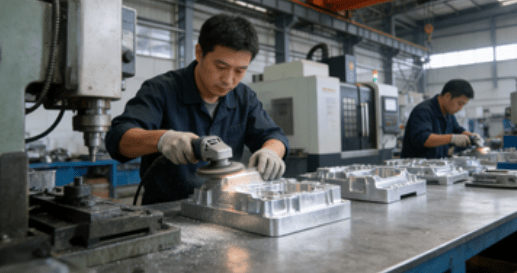
Materiales comunes
- Aluminio (A380, A360, ADC12)
- Zinc (Zamak 3, Zamak 5)
- Magnesio (AZ91D)
Comparación de aleaciones: conceptos clave
Conductividad térmica
El aluminio ofrece la máxima conductividad térmica, adecuado para disipadores de calor y carcasas de automóviles.
Fluidez
El zinc fluye excepcionalmente bien, lo que permite piezas extremadamente detalladas.
Peso
El magnesio es el metal estructural más ligero, ideal para el sector aeroespacial y electrónico.
Conceptos de ingeniería que importan al seleccionar la fundición a presión
Concepto: Ángulo de borrador
La mayoría de las piezas fundidas requieren 1-3 grados de tiro para expulsar limpiamente de moldes.
Concepto: Uniformidad de espesor de pared
El espesor uniforme reduce la deformación, la contracción y la porosidad.
Concepto: Gestión de la Porosidad
La porosidad puede afectar la resistencia, el acabado de la superficie y la capacidad de sellado.
Técnicas utilizadas:
- Fundición a presión al vacío
- Exprimir fundición
- Optimización de la velocidad de disparo
Concepto: Limitación del tratamiento térmico
Aluminio fundido a presión tradicional en general no se puede tratar térmicamente (T6) por porosidad.
Sin embargo, fundición a presión semisólida puede permitir microestructuras tratables térmicamente.
Aplicaciones Dónde Fabricación de fundición a presión Es el estándar de la industria
Automotor
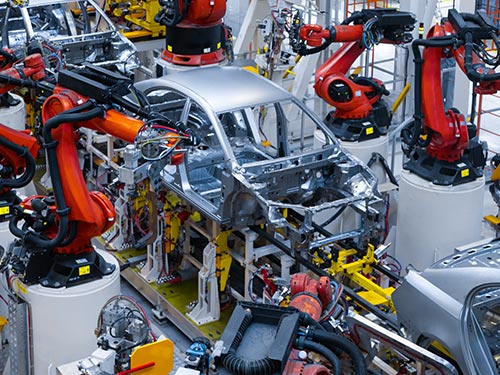
- Carcasas de transmisión
- Soportes de motor
- Componentes de dirección
- Gabinetes para baterías de vehículos eléctricos
Electrónica de consumo
- Marcos para portátiles
- Carcasas para teléfonos inteligentes
- Dispositivos domésticos inteligentes
Industrial y Mecánica
- Cuerpos de bomba
- Carcasas de engranajes
- Componentes de válvula
Aeroespacial y militar
- Marcos de drones
- Carcasas de radar
- Componentes estructurales ligeros
Opiniones de expertos sobre Fabricación de fundición a presión
Vista del director de ingeniería de NADCA
De acuerdo a David Weiss, presedinte tehnic NADCA:
“La fundición a presión sigue siendo incomparable al combinar precisión, aligeramiento y escalabilidad, especialmente para aleaciones de aluminio y magnesio”
Estudio de ciencia de materiales del MIT
Un análisis de fabricación del MIT de 2024 concluyó:
“Para componentes metálicos con un volumen anual de entre 10.000 y 500.000, la fundición a presión es el proceso más rentable y energéticamente eficiente disponible”
Perspectivas de los OEM automotrices
Un fabricante líder de vehículos eléctricos informó:
- Cambiar ciertas piezas mecanizadas a fundición a presión redujo el peso 18%
- Se alcanzaron ahorros en costos de producción 32%
- El tiempo de montaje mejoró gracias a las geometrías integradas
¿debería elegir Fabricación de fundición a presión? O lista de verificación practica
Deberías considerar la fundición a presión si tu pieza lo requiere:
- Alto volumen anual (>5.000-10.000 unidades)
- Geometría compleja
- Tolerancias estrictas
- Metal ligero
- Estructuras fuertes pero de paredes delgadas
- Excelente acabado superficial
- Funciones integradas que reducen el montaje
Evite la fundición a presión si lo necesita:
- Volumen extremadamente bajo
- Componentes de acero pesado
- Aluminio tratado térmicamente (a menos que se utilicen procesos especiales)
- Máxima integridad estructural (el CNC es mejor)
Una mirada más profunda al diseño para fundición a presión (DFDC)
Diseño de puertas y corredores
Los sistemas de corredores optimizados reducen la turbulencia y la porosidad.
Diseño de sistemas de expulsión
La expulsión uniforme reduce los puntos de tensión.
Gestión Térmica
Los canales de refrigeración equilibrados garantizan una microestructura estable.
Principios de ventilación del molde
Una ventilación insuficiente provoca atrapamiento de gas, una de las principales fuentes de porosidad.
La confiabilidad a largo plazo de las piezas fundidas a presión
Fuerza de fatiga
El aluminio fundido a presión presenta resistencia a la fatiga entre 40-90 MPa, dependiendo del nivel de aleación y porosidad.
Resistencia a la corrosión
El zinc sobresale en aplicaciones en interiores; El aluminio sobresale en exteriores.
Estabilidad dimensional
Las pruebas de ciclos térmicos muestran un cambio dimensional <0,2% después de 100 ciclos para el aluminio A380.
Comparación: fundición a presión versus fundición permanente en molde
| Característica | Fundición a presión | Fundición en molde permanente |
|---|---|---|
| Acabado de la superficie | Excelente | Bien |
| Costo de la herramienta | Más alto | Más bajo |
| Idoneidad de volumen | Alto | Medio |
| Complejidad | Alto | Medio |
| Fortaleza | Moderado | Mayor (menos porosidad) |
Conceptos adicionales para ingenieros y gerentes de compras
Diseño de manga de tiro
Controla la velocidad del flujo de metal fundido.
Velocidad del émbolo
Afecta la turbulencia y la formación de óxido.
Lubricación de troqueles
Una lubricación inadecuada provoca cierres fríos y adherencias.
Tiempo de solidificación
Determina el patrón de contracción.
Fabricación de fundición a presión en la industria moderna de los vehículos eléctricos
- Enfoques de gigacasting que utilizan máquinas de >6000 toneladas
- Fundición a presión estructural integrada
- Cuerpos inferiores de una sola pieza
- Reducción de peso de 20-40%
Tesla, NIO, XPeng y Volvo invierten mucho en el proceso.
Consideraciones de impacto ambiental
Ventajas
- Excelente reciclabilidad
- Chatarra baja
- Baja huella de carbono por unidad a escala
Desafíos
- Alto consumo de energía durante la fusión
- Carga ambiental de la producción de acero para herramientas
PREGUNTAS FRECUENTES
¿Cuál es el volumen mínimo que justifica la fabricación de fundición a presión?
La mayoría de los fabricantes recomiendan al menos 5.000-10.000 de partes pe an, dependiendo del tamaño.
¿puede el aluminio fundido a presión reemplazar al aluminio mecanizado?
Sí, para muchas carcasas, cubiertas y componentes estructurales. CNC sigue siendo mejor para una precisión ultraalta.
¿la fundición a presión es adecuada para productos impermeables?
Con superficies de sellado y mecanizado adecuados, sí. Muchas carcasas IP67 están fundidas a presión.
¿cuánto duran las herramientas?
- Zinc: hasta 1.000.000 de lovituri
- Aluminio: 100.000-250.000 de împușcături
- Magnesio: 150.000-300.000 de împușcături
¿cuál es el plazo de entrega típico?
Acerca de 25-45 zile para herramientas + muestras de prueba.
Veredicto final: Es Fabricación de fundición a presión ¿Derecho para sus piezas?
Da”si necesita una producción escalable, tolerancias estrictas y rentabilidad en volúmenes medios a altos.
No”si necesita volúmenes pequeños, aleaciones tratadas térmicamente o resistencia estructural extrema.
Fabricación de fundición a presión continúa evolucionando con máquinas más grandes, automatización más inteligente y materiales avanzados. Para muchas industrias, sigue siendo el camino más eficiente desde el concepto hasta la producción en masa.
Categorías de productos
- Piezas de válvulas
- Piezas de la bomba de agua
- Piezas de la caja de cojinetes
- Piezas de fundición a presión
- Productos para bombas de acero inoxidable
- Productos para bombas de hierro fundido
- Piezas de válvulas para automóviles
- Recambios para automóviles
- Piezas de válvulas para uso civil
- Piezas de bomba de vacío KF

¡Comencemos tu próximo proyecto!
Inicie su proyecto con Leierwo
1. Envíe su consulta
2. Cálculo de costes
3. Inicio de la producción
4. Organizar la entrega
PREGUNTAS FRECUENTES
Sí, tenemos una amplia experiencia en el comercio internacional y podemos ayudar a los clientes con el despacho de aduanas de exportación y los arreglos de envío. Aceptamos varios métodos de pago internacionales, incluyendo T/T (transferencia telegráfica), transferencia bancaria y carta de crédito (L/C). Las condiciones de pago se pueden discutir con nuestro equipo de ventas.
Al asociarse con Leierwo, podrá disfrutar de precios competitivos y una calidad superior a la de otros proveedores. Además, ofrecemos una solución integral para entregar piezas acabadas, incluido el mecanizado CNC y el tratamiento de superficies, lo que garantiza un proceso de producción sin fisuras.
Contamos con avanzados equipos de fundición y estrictos sistemas de control de calidad. Nuestra capacidad de producción mensual es considerable y podemos fabricar productos a partir de dibujos o muestras proporcionados por el cliente. Aceptamos tanto pequeños pedidos de prueba como producciones a gran escala.
Nuestros productos cumplen normas internacionales como ASTM, AISI, DIN y JIS. Podemos proporcionar informes de pruebas de materiales y certificaciones pertinentes para garantizar que la calidad del producto cumple los requisitos del cliente.
Seguimos estrictamente el sistema de gestión de calidad ISO 9001 y realizamos múltiples inspecciones a lo largo del proceso de producción, incluidos análisis espectrográficos, pruebas de rayos X, pruebas ultrasónicas y mediciones dimensionales. Estas medidas de control de calidad garantizan que nuestras piezas de fundición cumplen las normas más estrictas.
Sin embargo, somos flexibles y estamos abiertos a discutir sus necesidades específicas.
Nuestro plazo de producción estándar es de 4 a 6 semanas, en función de la cantidad del pedido y la complejidad del producto. Nos esforzamos por acortar los plazos de entrega para satisfacer las demandas de los clientes.
Sí, podemos proporcionar muestras para la inspección de calidad. Los costes de las muestras y los gastos de envío pueden negociarse, y los gastos de las muestras pueden reembolsarse al realizar un pedido formal.
 Spanish
  English
  Arabic
  Malay
Malay  German