
Cómo las innovaciones en impresión 3D reducen los costos de producción de la fundición a gran escala
¡Bienvenido a mi blog!
¡Me encanta tenerte aquí! Antes de profundizar en el contenido, me encantaría que me acompañaras en mis redes sociales. Es donde comparto información adicional, conecto con nuestra increíble comunidad y te mantengo al tanto de las últimas noticias. Así es como puedes mantenerte conectado:
📘 Facebook: Shanghai Leierwo Industria Comercio Co., Ltd.
¡Ahora, emprendamos este viaje juntos! Espero que el contenido aquí te resulte no solo revelador, sino también inspirador y valioso. ¡Comencemos!
Tabla de contenido
Conclusiones clave
- Reducir los costos de materia prima y producción usando estratégico Innovaciones en impresión 3D en fabricación por lotes.
- Los datos de la industria lo muestran eficiencia en el uso de materiales hasta 90% y los plazos de entrega se redujeron de meses a semanas.
- Las proyecciones de crecimiento del mercado de fabricación aditiva de metales ilustran la adopción de piezas industriales de gran volumen.
- Los factores de costos específicos en la automoción, la industria aeroespacial y las herramientas resaltan cuando la impresión 3D se vuelve más económica que la fundición tradicional.
- A tabla comparativa ayuda a los compradores a evaluar los factores de costo en todas las tecnologías.
- El Sección de preguntas frecuentes responde preguntas en un estilo amigable para la búsqueda para ayudar a los tomadores de decisiones.
Una revolución manufacturera: por qué Innovaciones en impresión 3D Asunto para los grandes compradores
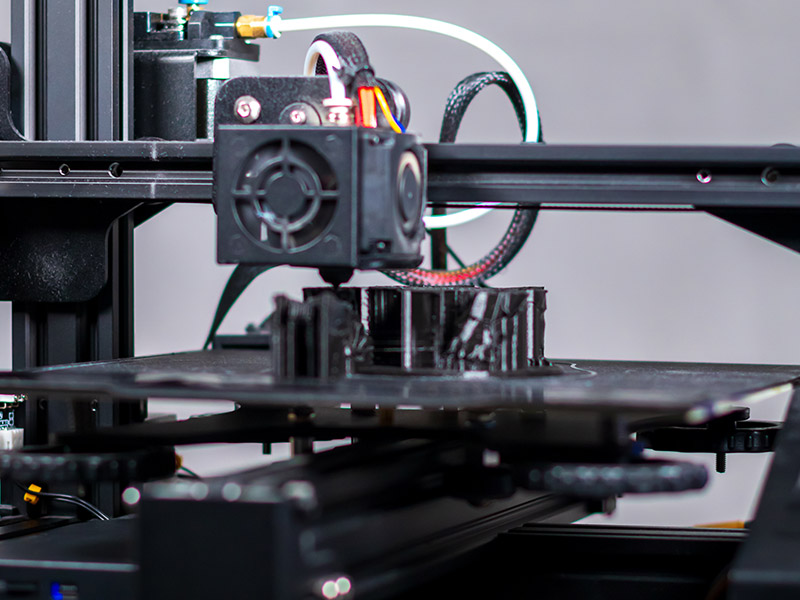
La fabricación mundial está cambiando. La fundición y el mecanizado tradicionales todavía gobiernan las piezas de gran volumen, pero Innovaciones en impresión 3D se están volviendo rápidamente competitivos en costos, incluso para tiradas de gran volumen, porque reducen el desperdicio, agilizan geometrías complejas y acortan significativamente los plazos de entrega. Las proyecciones del mercado corroboran este cambio: el se espera que el mercado mundial de fabricación aditiva alcance los $362 mil millones en 2026, arriba de aproximadamente $200 mil millones en 2023, con CAGR de dos dígitos.
Grandes industrias como la aeroespacial, la automotriz y la de equipos pesados ahora están analizando la impresión 3D no solo para prototipos sino también tecnología de producción integrada. La fabricación aditiva de metales está creciendo especialmente rápido.más de 50% de fabricantes de piezas aeroespaciales ya lo utilizan para componentes estructurales«una señal clara de que las innovaciones están reduciendo tanto el peso como el coste.
Cómo las innovaciones en impresión 3D reducen el desperdicio y el costo de materiales
Fabricación aditiva versus métodos sustractivos
Por qué la manufactura tradicional produce tantos residuos
La fabricación sustractiva tradicional (fresado, torneado, rectificado) comienza con un bloque sólido. Esto crea una pérdida significativa de material porque se corta la mayor parte de la materia prima.
Niveles típicos de residuos:
- mecanizado CNC: 50%-80% deșeuri de material
- Fundición con mecanizado: Residuos de 30%-Grounton60% según la complejidad
- Piezas de alta precisión: aún mayor debido a tolerancias estrictas
Cómo las innovaciones en impresión 3D logran una mayor utilización de materiales
Por el contrario, la fabricación aditiva sólo utiliza material donde es necesario. Esto lleva a:
- Utilización de materiales de 90-95%
- Reducción de residuos por hasta 90% comparado con métodos sustractivos
- Reducción de compra e inventario de materias primas
- Menos costo de eliminación de chatarra
Ejemplo del mundo real:
Un fabricante que imprime soportes aeroespaciales de titanio redujo el desperdicio de material 70% până la 8%, ahorrando millones en costos de materia prima durante un año.
Lista: Beneficios para la eficiencia material de las innovaciones en impresión 3D
- Reducción de costes de compra de materias primas
- Menos gastos de eliminación de chatarra
- Menores necesidades de inventario y almacenamiento
- Menos tiempo de mecanizado y desgaste de herramientas
- Mayor capacidad para reutilizar polvo o filamento no utilizado
Las innovaciones en impresión 3D acortan los plazos de entrega y aceleran la producción
La creación de prototipos ahora lleva días, no meses
Las herramientas tradicionales para moldes y matrices pueden tardar de semanas a meses. Esto es especialmente cierto en industrias como la automotriz y aeroespacial, donde la complejidad de las herramientas es alta.
Con innovaciones en impresión 3D:
- CAD → prototipo físico en horas o días
- Múltiples iteraciones sin reequipamiento
- Ciclos de validación y prueba más rápidos
Estudio de caso:
Un proveedor de automóviles europeo redujo el plazo de entrega de prototipos 10 semanas a 7 días uso de impresión 3D de metal para accesorios de calidad de producción.
Velocidad de producción y automatización
Las impresoras 3D industriales modernas incluyen características tales como:
- Manipulación automática de polvo
- Sistemas multiláser
- Optimización de procesos de IA
- Seguimiento en línea y control de calidad
Esto reduce el trabajo manual y aumenta el rendimiento.
Según encuestas de la industria:
- 67% de empresas utilizan la fabricación aditiva para piezas de producción, no sólo prototipos.
Lista: Beneficios de velocidad de Innovaciones en impresión 3D
- Plazo de entrega más corto para herramientas y prototipos
- Aumento más rápido de nuevos productos
- Reducción del tiempo de inactividad debido a piezas de repuesto rápidas
- La fabricación bajo demanda reduce la presión del inventario
Las innovaciones en impresión 3D de metal reducen los costos en la fundición de alto volumen
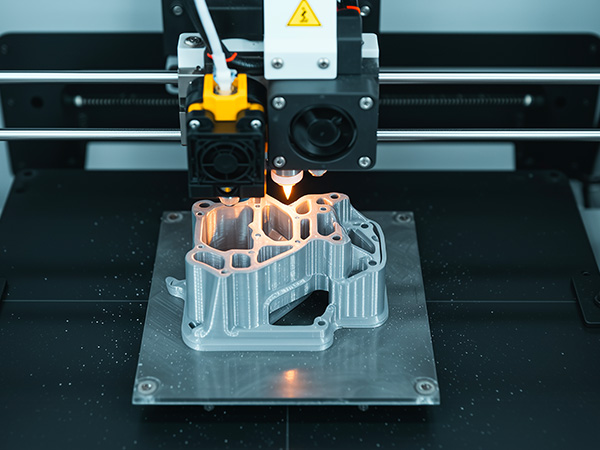
Impresión de metales versus fundición tradicional: factores de costo
Tecnologías de aditivos metálicos como SLM (Fusión Láser Selectiva) y DED (Deposición Directa de Energía) fabricar piezas complejas que requerirían herramientas costosas o múltiples componentes fundidos. Estas innovaciones han demostrado ahorros de costos en múltiples sectores:
- Aeroespacial: Las piezas estructurales impresas con diseños optimizados pueden pesar hasta 28% menos, reduciendo directamente los costos de combustible y operación en servicio.
- Automotor: Las piezas impresas en metal están reduciendo el número de piezas y permitiendo un peso ligero, y algunos fabricantes de automóviles las adoptan para componentes de producción.
- Fabricación de herramientas y moldes: Los núcleos de arena o moldes híbridos impresos en 3D reducen el tiempo de entrega y eliminan múltiples pasos de mecanizado.
Nota: Los costos de impresión 3D para metal siguen siendo más altos que los de la impresión de polímeros debido al costo de los materiales y al capital del equipo, pero el retorno de la inversión (ROI) a menudo supera estos gastos cuando se consideran mejoras de complejidad, ensamblaje y calidad.
Datos del mundo real: cómo se suman las reducciones de costos
A continuación se muestra un desglose de las ventajas de costos observadas por los grandes compradores industriales que adoptan innovaciones de impresión 3d en lugar de los enfoques tradicionales.
| Categoría de costo | Fundición/mecanizado Tradicional | Con innovaciones en impresión 3D |
|---|---|---|
| Residuos de materiales | 50%-80% | 5%-10% |
| Plazo de entrega (herramientas) | Semanas-Mes | Horas-Días |
| Consolidación parcial | Múltiples partes | Pieza única impresa |
| Costos de herramientas | Alto | Mínimo |
| Intensidad Laboral | Alto | Más bajo con automatización |
| Costo de personalización | Muy alto | Bajo por lote |
Las estimaciones se basan en informes de la industria y en la estructuración de flujos de trabajo aditivos versus sustractivos.
Aplicaciones industriales donde Innovaciones en impresión 3D Impulsa grandes ahorros
Aeroespacial y Defensa
La industria aeroespacial ha sido una de las primeras en adoptar la impresión 3D en metal. Según estadísticas de la industria:
- Más de 55% de impresión 3D en el sector aeroespacial se basa en polvo metálico para componentes estructurales y críticos.
- Reducciones de peso de hasta 28% son típicos de piezas optimizadas, lo que permite ahorrar combustible durante la vida útil de un avión.
Estas innovaciones hacen que las geometrías complejas sean económicamente viables y reducen drásticamente la mano de obra de ensamblaje.
Oem automotrices
Los principales fabricantes de automóviles están incorporando la fabricación aditiva:
- Sobre 25% de repuestos para vehículos nuevos puede involucrar algunos componentes impresos en 3D para 2025.
- Se están imprimiendo accesorios personalizados para líneas de producción, prototipos e incluso algunas piezas de uso final para reducir el tiempo de inactividad y los gastos de herramientas.
Herramientas y Fundición
Las innovaciones en impresión 3D permiten la producción de:
- Moldes de arena complejos a una fracción del costo
- Ajuste rápido de patrones sin nuevas herramientas
- Insertos de herramientas con topología optimizada
Informe de empresas los plazos de entrega se reducen de meses a semanas, y menores costos de chatarra, especialmente para núcleos de fundición grandes.
Impulsores clave de costos y cómo controlarlos
Costos de materiales
Los polvos metálicos siguen siendo un factor de coste importante. Por ejemplo, los polvos aeroespaciales de alta calidad pueden ser más que 40% el costo de las piezas terminadas en algunos flujos de trabajo. Sin embargo, a medida que crece la oferta y surgen los fabricantes nacionales, los precios han caído. Un importante proveedor chino vio caer los precios ~¥1,44M/tonă la ~¥781.900/tonă en dos años, mientras que los márgenes aumentaron debido a la escala.
Adquisición de máquinas versus retorno de la inversión
Las impresoras 3D de metal siguen siendo caras 2,5× mai mult que las máquinas de polímeros, pero mayor rendimiento y automatización puede ofrecer retorno de la inversión dentro de líneas de producción establecidas para piezas de alto valor.
Habilidad y entrenamiento
Acerca de 43% de fabricantes citar la coherencia y la escasez de mano de obra calificada como barreras para la adopción. La inversión en software de capacitación y control de procesos es fundamental para la estabilidad de costos.
Elegir la tecnología de impresión 3D adecuada para las necesidades de fundición de alto volumen
SLA, SLS, FDM, Impresión de metales
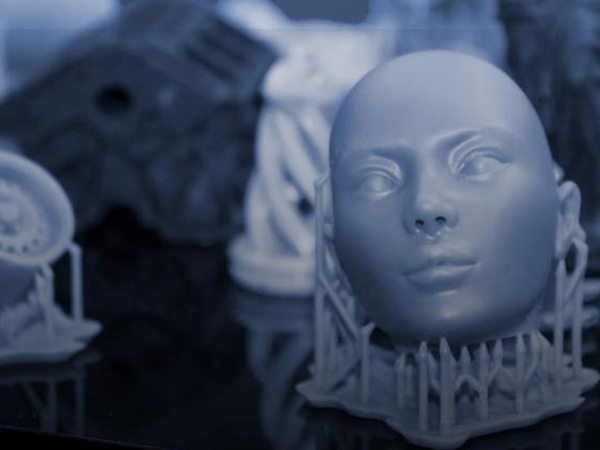
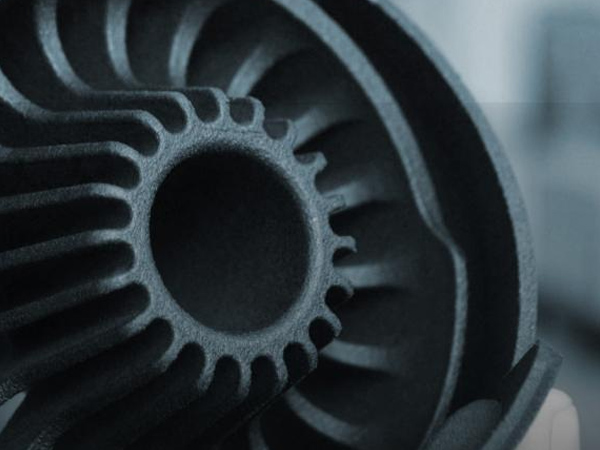
Cada tecnología se adapta a una necesidad diferente:
- SLA: Excelente para patrones precisos utilizados en fundición (patrones de cera perdida).
- SLS: Ideal para piezas de polímeros duraderas y prototipos funcionales.
- FDM: Rentable para plantillas, accesorios y herramientas.
- Metal (DMLS/SLM/DED): Lo mejor para piezas estructurales, de alta resistencia y producción directa de piezas.
Consideraciones de escala industrial
Al escalar, los compradores deben considerar:
- Tiempo de actividad y mantenimiento de la máquina
- Logística de inventario de materiales.
- Acabado y posprocesamiento de piezas
- Integración con líneas de montaje existentes
Mejores prácticas para la implementación Innovaciones en impresión 3D
Estandarizar el diseño y el flujo de
Utilice los principios de diseño para fabricación aditiva (DfAM) para reducir el número de piezas, minimizar las estructuras de soporte y optimizar la geometría.
Aproveche la simulación y la IA
La simulación impulsada por IA puede optimizar los parámetros de impresión y reducir las pruebas y errores, el tiempo de corte y las impresiones fallidas.
Integre controles de calidad
Las herramientas de monitoreo en línea ayudan a mantener las tolerancias y la consistencia, particularmente para piezas críticas aeroespaciales o automotrices.
Conclusión final
Para profesionales de adquisiciones en sectores manufactureros de gran volumen, Innovaciones en impresión 3D ya no son experimentales. Son herramientas estratégicas que reducen los costos de producción, mejoran el rendimiento de las piezas y desbloquean la libertad de diseño. Con el crecimiento del mercado proyectado en cientos de miles de millones y la adopción creciendo más rápidamente en el sector aeroespacial, automotriz y de herramientas, las empresas que integran la fabricación aditiva de manera efectiva pueden obtener una ventaja competitiva.
Al aprovechar los datos de costos del mundo real, optimizar los flujos de trabajo de las piezas y elegir la tecnología adecuada para sus necesidades de volumen, los grandes compradores no solo pueden reducir el costo unitario sino también transformar su ecosistema de fabricación.
PREGUNTAS FRECUENTES
¿Cuáles son los principales ahorros de costes Innovaciones en impresión 3D?
Los ahorros de costos provienen de una reducción del desperdicio, la ausencia de herramientas, plazos de entrega más cortos y la consolidación de piezas.
¿Se puede utilizar la impresión 3D para la producción de gran volumen?
Sí, especialmente para piezas complejas y altamente personalizadas o donde la impresión reemplaza múltiples pasos de ensamblaje.
¿cuánto puede la impresión 3D reducir el desperdicio de material?
Los procesos aditivos pueden reducir el desperdicio hasta en 90% comparado con los métodos sustractivos.
¿Vale la pena invertir en impresión 3D en metal?
Para industrias como la aeroespacial, la automotriz y las herramientas, el costo inicial se justifica por el rendimiento de las piezas, el ahorro de peso y la reducción del costo del ciclo de vida.
¿Cuáles son las principales barreras para la adopción?
El costo de los materiales, el costo de las máquinas y la escasez de mano de obra calificada son barreras comunes.
¿Cómo afectan las innovaciones en impresión 3D a la calidad del producto?
Mejoran la calidad al permitir una geometría consistente, reducir el error humano y permitir un control preciso sobre las microestructuras, especialmente en la impresión de metales con estrategias controladas de enfriamiento y escaneo.
¿La impresión 3D reduce el plazo de entrega para la producción en masa?
Sí, especialmente para herramientas, moldes y transición de prototipo a producción. El tiempo de entrega puede reducirse de meses a semanas y, a veces, de días para componentes simples.
¿cuánto cuesta la impresión 3D por pieza en comparación con la fundición?
Varía ampliamente. Para piezas complejas o tiradas de volumen bajo a medio, la impresión 3D puede ser más barata debido a la falta de herramientas y al menor montaje. Para formas simples de gran volumen, la fundición sigue siendo más rentable.
¿Existen algún beneficio ambiental de Innovaciones en impresión 3D?
Sí. La impresión 3D reduce el desperdicio de material, reduce el consumo de energía en algunos procesos y puede permitir productos más ligeros, lo que reduce el consumo de combustible en el sector aeroespacial y automotriz.
¿cuál es la mejor tecnología de impresión 3D para fundición industrial?
Para fundición de metales y piezas de alta resistencia, SLM/DMLS suele ser mejor. Para moldes y patrones, SLA y SLS se utilizan ampliamente debido a su precisión y acabado superficial.
Cómo hacer Innovaciones en impresión 3D ¿afectar la gestión de la cadena de suministro?
Reducen la dependencia de largas cadenas de suministro al permitir la fabricación local, la producción bajo demanda y ciclos de inventario más cortos, especialmente valiosos en mercados inciertos.
¿qué tipo de posprocesamiento se requiere después de la impresión 3D?
Depende de la tecnología. Las piezas metálicas a menudo necesitan tratamiento térmico, mecanizado o acabado superficial. Las piezas poliméricas pueden requerir lijado, recubrimiento o curado.
¿la impresión 3D es adecuada para industrias reguladas como la aeroespacial o la médica?
Sí, pero requiere un estricto control de calidad, trazabilidad y certificación. Muchas empresas aeroespaciales ya utilizan la impresión 3D en metal para componentes certificados.
Categorías de productos
- Piezas de válvulas
- Piezas de la bomba de agua
- Piezas de la caja de cojinetes
- Piezas de fundición a presión
- Productos para bombas de acero inoxidable
- Productos para bombas de hierro fundido
- Piezas de válvulas para automóviles
- Recambios para automóviles
- Piezas de válvulas para uso civil
- Piezas de bomba de vacío KF

¡Comencemos tu próximo proyecto!
Inicie su proyecto con Leierwo
1. Envíe su consulta
2. Cálculo de costes
3. Inicio de la producción
4. Organizar la entrega
PREGUNTAS FRECUENTES
Sí, tenemos una amplia experiencia en el comercio internacional y podemos ayudar a los clientes con el despacho de aduanas de exportación y los arreglos de envío. Aceptamos varios métodos de pago internacionales, incluyendo T/T (transferencia telegráfica), transferencia bancaria y carta de crédito (L/C). Las condiciones de pago se pueden discutir con nuestro equipo de ventas.
Al asociarse con Leierwo, podrá disfrutar de precios competitivos y una calidad superior a la de otros proveedores. Además, ofrecemos una solución integral para entregar piezas acabadas, incluido el mecanizado CNC y el tratamiento de superficies, lo que garantiza un proceso de producción sin fisuras.
Contamos con avanzados equipos de fundición y estrictos sistemas de control de calidad. Nuestra capacidad de producción mensual es considerable y podemos fabricar productos a partir de dibujos o muestras proporcionados por el cliente. Aceptamos tanto pequeños pedidos de prueba como producciones a gran escala.
Nuestros productos cumplen normas internacionales como ASTM, AISI, DIN y JIS. Podemos proporcionar informes de pruebas de materiales y certificaciones pertinentes para garantizar que la calidad del producto cumple los requisitos del cliente.
Seguimos estrictamente el sistema de gestión de calidad ISO 9001 y realizamos múltiples inspecciones a lo largo del proceso de producción, incluidos análisis espectrográficos, pruebas de rayos X, pruebas ultrasónicas y mediciones dimensionales. Estas medidas de control de calidad garantizan que nuestras piezas de fundición cumplen las normas más estrictas.
Sin embargo, somos flexibles y estamos abiertos a discutir sus necesidades específicas.
Nuestro plazo de producción estándar es de 4 a 6 semanas, en función de la cantidad del pedido y la complejidad del producto. Nos esforzamos por acortar los plazos de entrega para satisfacer las demandas de los clientes.
Sí, podemos proporcionar muestras para la inspección de calidad. Los costes de las muestras y los gastos de envío pueden negociarse, y los gastos de las muestras pueden reembolsarse al realizar un pedido formal.
 Spanish
  English
  Arabic
  Malay
Malay  German