
7 consejos esenciales para el éxito en la fundición de inversiones en acero
¡Bienvenido a mi blog!
¡Me encanta tenerte aquí! Antes de profundizar en el contenido, me encantaría que me acompañaras en mis redes sociales. Es donde comparto información adicional, conecto con nuestra increíble comunidad y te mantengo al tanto de las últimas noticias. Así es como puedes mantenerte conectado:
📘 Facebook: Shanghai Leierwo Industria Comercio Co., Ltd.
¡Ahora, emprendamos este viaje juntos! Espero que el contenido aquí te resulte no solo revelador, sino también inspirador y valioso. ¡Comencemos!
Tabla de contenido
Puntos clave del blog:
- Introducción a la fundición a la cera perdida de acero y su importancia industrial
- Selección de materiales y personalización de aleaciones
- Precisión del modelado de cera y preparación de moldes
- Construcción de conchas cerámicas y técnicas refractarias avanzadas
- Control de temperatura, vertido y solidificación
- Acabado post-fundición, inspección y aseguramiento de la calidad
- Mantenimiento de equipos, optimización del flujo de trabajo y automatización
- Comparaciones con fundición en arena, fundición a presión y fabricación aditiva
Introducción
En el mundo industrial actual, los componentes de acero deben combinarse resistencia, precisión y durabilidad. Industrias como la aeroespacial, la automotriz, la defensa y la energía dependen cada vez más fundición de inversión de acero producir piezas complejas y de alto rendimiento. Desde álabes de turbinas hasta componentes de motores de alta tensión, la fundición a la cera perdida permite a los fabricantes crear geometrías intrincadas que la fundición o el mecanizado tradicionales no pueden lograr.
Según un informe de 2025 del Asociación Mundial de Fundición, 60% de componentes críticos de acero en aplicaciones aeroespaciales se fabrican utilizando técnicas de fundición a la cera perdida debido a su precisión y propiedades de material inigualables. De manera similar, un estudio de Revisión de ingeniería metalúrgica (2024) muestra que las piezas de acero fundido de inversión reducen los costes de posprocesamiento hasta en 30% en comparación con los métodos convencionales.
Esta guía completa explora 7 consejos esenciales para el éxito de la fundición de inversiones en acero, incorporando conocimientos expertos, datos técnicos, comparaciones y recomendaciones prácticas para ayudar a los ingenieros y fabricantes a optimizar sus operaciones de fundición.
Comprensión Fundición de inversión de acero
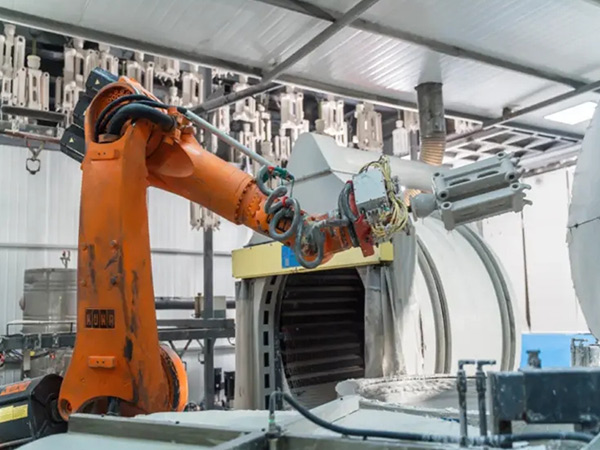
¿qué es la fundición a la cera perdida de acero
La fundición a la cera perdida de acero, o fundición a la cera perdida, es un proceso de fabricación de precisión que implica:
- Creando un modelo de cera del componente.
- Revestiéndolo con una carcasa cerámica que forma un molde detallado.
- Derritiendo la cera para dejar un molde hueco.
- Verter acero fundido en el molde cerámico.
- Quitar la cerámica para revelar un componente de acero con forma casi neta.
Ventajas:
- Acabado superficial superior y alta precisión dimensional
- Capacidad para moldear geometrías complejas, paredes delgadas y características intrincadas
- Reducción de mecanizado, ahorrando tiempo y costes
Comparación de métodos de fundición
| Característica | Fundición de inversión | Fundición en arena | Fundición a presión | Fabricación aditiva |
|---|---|---|---|---|
| Precisión dimensional | ±0,1 mm | ±0,5 mm | ±0,2 mm | ±0,05 mm |
| Acabado de la superficie | Liso | Bruto | Moderado | Liso |
| Complejidad de partes | Alto | Bajo moderado | Bajo | Muy alto |
| Volumen de producción | Bajo Medio | Alto | Muy alto | Bajo |
| Desperdicio de materiales | Mínimo | Moderado | Moderado | Mínimo |
| Costo por pieza | Moderado-alto | Bajo | Moderado | Alto |
Conocimiento: Fundición de precisión es ideal para piezas de acero complejas y de alta precisión. La fundición en arena se adapta a componentes grandes y simples, la fundición a presión sobresale en piezas metálicas de gran volumen, mientras que la fabricación aditiva ofrece una extrema libertad de diseño para aplicaciones especializadas.
Consejo 1: seleccione la aleación de acero adecuada
La elección del material es fundamental para éxito de la fundición a la inversión en acero.
Opciones de aleación de alto rendimiento
- Acero inoxidable (304, 316L): Excelente resistencia a la corrosión, adecuada para aplicaciones químicas y marinas
- Acero con alto contenido de carbono (H13, AISI 4140): Alta dureza y resistencia al desgaste para herramientas y componentes de maquinaria
- Aleaciones resistentes al calor (Inconel, Aleación 718): Ideal para piezas de turbinas aeroespaciales y entornos de alta temperatura
Perspectiva de datos: Un estudio de Revista de materiales aeroespaciales (2023) muestra que el uso de aleaciones de acero resistentes al calor en componentes de turbinas aumenta la vida útil en 25% bajo un alto estrés térmico.
Consideraciones sobre la calidad de la aleación
- Asegúrese de que el contenido de azufre y fósforo sea bajo para reducir los defectos de contracción
- La composición homogénea previene la segregación y la porosidad
- Los proveedores certificados con aleaciones compatibles con ISO 9001 y ASTM mejoran la confiabilidad
Consejo 2: Producción perfecta del modelo de cera
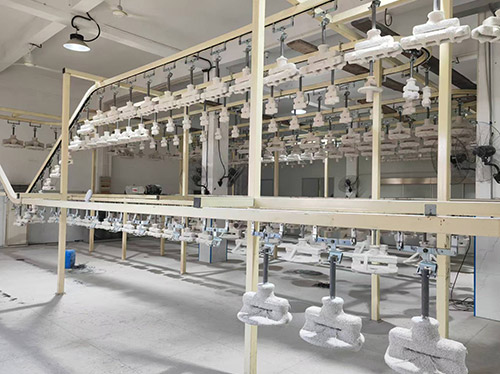
El modelo de cera define el precisión y calidad de la fundición final de acero.
Principios clave del modelo de cera
- Espesor uniforme para evitar tensiones térmicas durante la construcción de la carcasa
- Superficies lisas para reducir el mecanizado post-fundición
- Integración adecuada del sistema de compuerta para un flujo uniforme de acero fundido
Técnicas avanzadas de cera
- Utilice moldeo por inyección con matrices de precisión para geometrías complejas
- Emplee conjuntos de cera de varias piezas para cortes y detalles intrincados
Consejo del experto: De acuerdo a Ingenieros de Casting Internacional (2024), 40% en producción de gran volumen.
Consejo 3: Optimice el moldeo de carcasas cerámicas
Las carcasas de cerámica protegen el acero fundido y replican detalles intrincados.
Consejos para la construcción de conchas
- Aplique múltiples capas delgadas para una resistencia uniforme
- Controle las temperaturas de secado para evitar grietas
- Utilice polvos refractarios finos para la replicación de superficies de alta definición
Innovaciones refractarias
- Los recubrimientos a base de circonio mejoran la resistencia al choque térmico
- Las mezclas de alúmina aumentan la resistencia del molde para aleaciones de acero a alta presión
Estudio de caso: Una fundición aeroespacial europea redujo las tasas de falla de la carcasa en 30% después de cambiar a un sistema de recubrimiento multicapa de circonio y alúmina.
Consejo 4: Controle la temperatura y las técnicas de vertido
El control de la temperatura es esencial para minimizando defectos.
Vertiendo las mejores prácticas
- Precaliente los moldes para reducir el choque térmico y mejorar el flujo de acero
- Mantenga el acero fundido dentro de rangos de temperatura óptimos específicos de la aleación
- Utilice ambientes de vacío o gas inerte para minimizar la oxidación
Perspectiva de datos: Investigación por Ciencia de materiales hoy (2023) indica que controlar la temperatura de vertido dentro de ±5°C del rango recomendado de la aleación reduce los defectos de porosidad en 20%.
Solidificación y enfriamiento
- Emplear velocidades de enfriamiento controladas para refinar la estructura del grano
- Minimice la tensión residual mediante un enfriamiento lento y uniforme
- Utilice software de simulación para análisis térmico en piezas complejas
Consejo 5: Acabado e inspección post-fundición
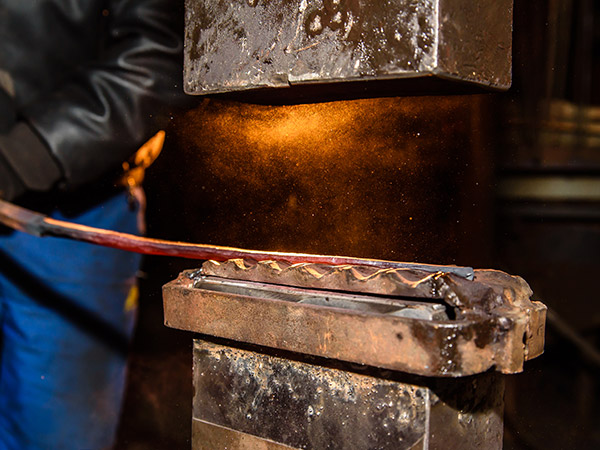
Incluso con una fundición precisa, el acabado garantiza la calidad.
Métodos de acabado
- Granallado o chorro de arena para eliminar residuos cerámicos
- Esmerilado y pulido para tolerancias estrictas y superficies lisas
- Tratamiento térmico para aliviar tensiones y mejorar las propiedades mecánicas
Técnicas de inspección
- Inspección dimensional con escaneo 3D y máquinas de medición de coordenadas (CMM)
- Pruebas no destructivas (END), como ultrasónicas o rayos X, para detectar defectos internos
- Pruebas de dureza para garantizar propiedades adecuadas de la aleación
Conocimiento: Las fundiciones aeroespaciales de gran volumen informan que hasta 35% redujo las tasas de defectos utilizando protocolos combinados de acabado y END.
Consejo 6: Mantenimiento de equipos y optimización del flujo de trabajo
El mantenimiento regular garantiza una calidad constante.
Prácticas clave de mantenimiento
- Limpie los inyectores de cera y los tanques de lodos cerámicos después de cada ciclo
- Calibre hornos y sistemas de vertido para mantener la consistencia de la temperatura
- Supervise la eficiencia del flujo de trabajo para evitar cuellos de botella y reducir el tiempo de inactividad
Automatización en fundición a la cera perdida de acero
- La inyección robótica de cera mejora la repetibilidad
- La inmersión automatizada de la carcasa garantiza un espesor uniforme de la capa
- Los sensores térmicos avanzados optimizan el vertido y el enfriamiento
Opinión de expertos: De acuerdo a Revisión de automatización de fundición (2024), las líneas automatizadas de fundición de inversiones reducen los costos laborales para 20% y mejoran la repetibilidad dimensional para 15%.
Consejo 7: Comparar Fundición de inversión de acero con otros métodos
Elegir el proceso de fundición adecuado
- Fundición en arena: Lo mejor para piezas grandes y de baja precisión
- Fundición a presión: Piezas simples y de gran volumen; limitado a aleaciones de menor fusión
- Fabricación aditiva: Libertad geométrica extrema; escalabilidad limitada del material
Factor de decizie: Seleccione fundición a la cera perdida de acero para las piezas que lo requieran precisión, durabilidad y diseños intrincados.
Conceptos avanzados en fundición a la cera perdida de acero
Ingeniería Microestructural
- Controle el enfriamiento y la solidificación para refinar el tamaño del grano
- Minimizar la porosidad y las inclusiones de componentes críticos
- Logre una alta resistencia a la tracción y tenacidad para aplicaciones exigentes
Personalización de aleaciones y fundición híbrida
- Mezcle varios aceros para lograr dureza y resistencia a la corrosión específicas
- Combine la fundición con el mecanizado o la fabricación aditiva para ensamblajes complejos
PREGUNTAS FRECUENTES
Qué es fundición de inversión de acero ¿Para qué se utiliza?
Utilizado en maquinaria aeroespacial, automotriz, de defensa, energética y pesada para componentes de acero precisos.
Qué preciso es fundición de inversión de acero?
Normalmente ±0,1 mm, ideal para formas intrincadas.
¿qué aleaciones son adecuadas para la fundición a la cera perdida de
Acero inoxidable, acero con alto contenido de carbono, aleaciones resistentes al calor y mezclas personalizadas.
¿Cómo se elimina la cera?
La cera se derrite y se escurre durante el agotamiento, dejando un molde cerámico.
Poder fundición de inversión de acero ¿reemplazar el mecanizado?
Sí, produce piezas con forma casi neta, lo que reduce las necesidades de mecanizado.
¿Qué defectos comunes ocurren?
Porosidad, cierres en frío, inclusiones y grietas en la cáscara. El control adecuado de la temperatura y el moho los minimiza.
¿Cómo se debe mantener el equipo?
Limpieza, calibración y monitoreo regular del flujo de trabajo. La automatización mejora aún más la coherencia.
¿es rentable la fundición a la cera perdida de acero?
Para piezas complejas y de alto valor, reduce el posprocesamiento, el desecho y mejora la confiabilidad a largo plazo.
Categorías de productos
- Piezas de válvulas
- Piezas de la bomba de agua
- Piezas de la caja de cojinetes
- Piezas de fundición a presión
- Productos para bombas de acero inoxidable
- Productos para bombas de hierro fundido
- Piezas de válvulas para automóviles
- Recambios para automóviles
- Piezas de válvulas para uso civil
- Piezas de bomba de vacío KF

¡Comencemos tu próximo proyecto!
Inicie su proyecto con Leierwo
1. Envíe su consulta
2. Cálculo de costes
3. Inicio de la producción
4. Organizar la entrega
PREGUNTAS FRECUENTES
Sí, tenemos una amplia experiencia en el comercio internacional y podemos ayudar a los clientes con el despacho de aduanas de exportación y los arreglos de envío. Aceptamos varios métodos de pago internacionales, incluyendo T/T (transferencia telegráfica), transferencia bancaria y carta de crédito (L/C). Las condiciones de pago se pueden discutir con nuestro equipo de ventas.
Al asociarse con Leierwo, podrá disfrutar de precios competitivos y una calidad superior a la de otros proveedores. Además, ofrecemos una solución integral para entregar piezas acabadas, incluido el mecanizado CNC y el tratamiento de superficies, lo que garantiza un proceso de producción sin fisuras.
Contamos con avanzados equipos de fundición y estrictos sistemas de control de calidad. Nuestra capacidad de producción mensual es considerable y podemos fabricar productos a partir de dibujos o muestras proporcionados por el cliente. Aceptamos tanto pequeños pedidos de prueba como producciones a gran escala.
Nuestros productos cumplen normas internacionales como ASTM, AISI, DIN y JIS. Podemos proporcionar informes de pruebas de materiales y certificaciones pertinentes para garantizar que la calidad del producto cumple los requisitos del cliente.
Seguimos estrictamente el sistema de gestión de calidad ISO 9001 y realizamos múltiples inspecciones a lo largo del proceso de producción, incluidos análisis espectrográficos, pruebas de rayos X, pruebas ultrasónicas y mediciones dimensionales. Estas medidas de control de calidad garantizan que nuestras piezas de fundición cumplen las normas más estrictas.
Sin embargo, somos flexibles y estamos abiertos a discutir sus necesidades específicas.
Nuestro plazo de producción estándar es de 4 a 6 semanas, en función de la cantidad del pedido y la complejidad del producto. Nos esforzamos por acortar los plazos de entrega para satisfacer las demandas de los clientes.
Sí, podemos proporcionar muestras para la inspección de calidad. Los costes de las muestras y los gastos de envío pueden negociarse, y los gastos de las muestras pueden reembolsarse al realizar un pedido formal.
 Spanish
  English
  Arabic
  Malay
Malay  German