
Cómo seleccionar los acoplamientos industriales de fundición adecuados para una máxima durabilidad
¡Bienvenido a mi blog!
¡Me encanta tenerte aquí! Antes de profundizar en el contenido, me encantaría que me acompañaras en mis redes sociales. Es donde comparto información adicional, conecto con nuestra increíble comunidad y te mantengo al tanto de las últimas noticias. Así es como puedes mantenerte conectado:
📘 Facebook: Shanghai Leierwo Industria Comercio Co., Ltd.
¡Ahora, emprendamos este viaje juntos! Espero que el contenido aquí te resulte no solo revelador, sino también inspirador y valioso. ¡Comencemos!
Tabla de contenido
Introducción
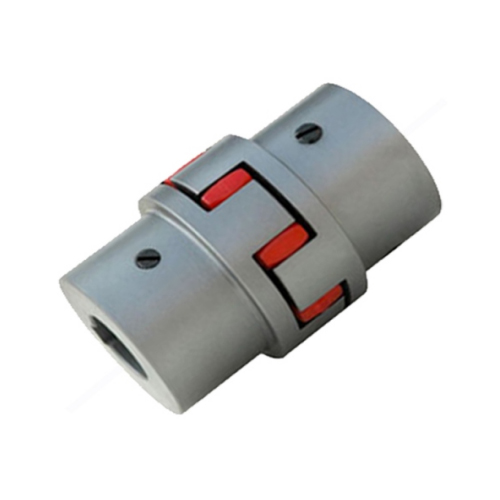
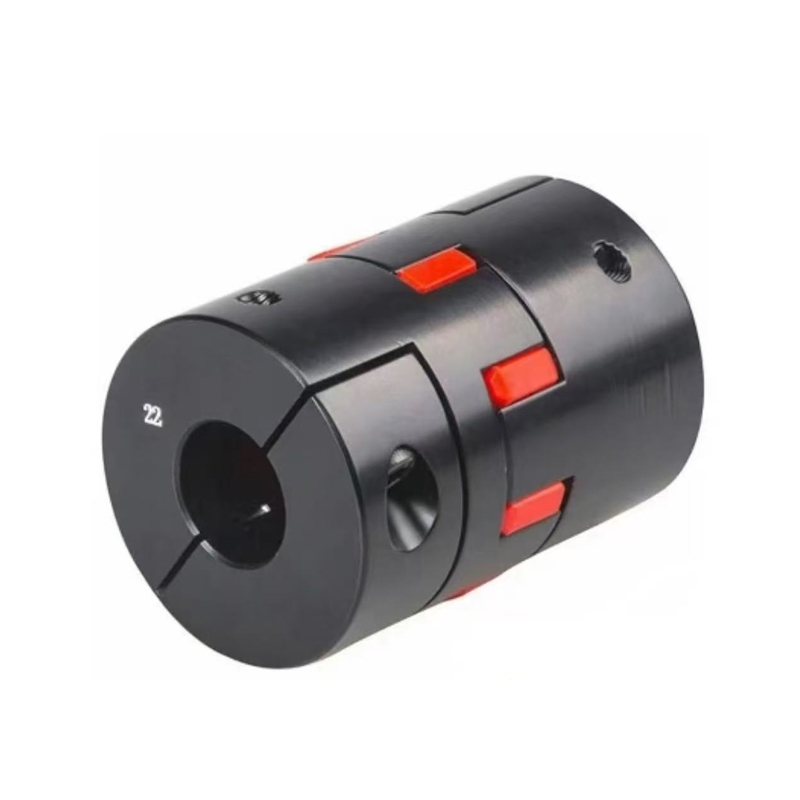
In modern industrial machinery, power transmission reliability is non-negotiable. One of the most critical yet often overlooked components is the industrial coupling, especially cast industrial couplings. These couplings are not just mechanical connectors; they determine machine efficiency, safety, and longevity. According to John Smith, a senior mechanical engineer at the International Power Transmission Association (IPTA), “A well-selected cast industrial coupling can increase equipment lifespan by up to 30% while reducing maintenance costs by nearly 20%.”
Industrial couplings are used in industries ranging from heavy machinery and petrochemical plants to renewable energy and high-speed automation. This blog provides a comprehensive guide, covering materials, processes, applications, standards, maintenance, and real-world insights, helping engineers and procurement professionals make informed decisions.
Puntos clave tratados en este blog
- What cast industrial couplings are and why they matter.
- Advantages of casting in coupling manufacturing.
- Detailed material and process analysis with real performance data.
- Comparison of cast, forged, and fabricated couplings.
- Applications across various industries.
- Inspection, maintenance, and best practices.
- Real-world examples and case studies.
- Industry standards, certifications, and compliance.
- FAQ addressing common concerns and decision-making tips.
- Data tables, charts, and expert insights to help select the right coupling.
What Are Cast Acoplamientos industriales?
Definición y función en la transmisión de potencia
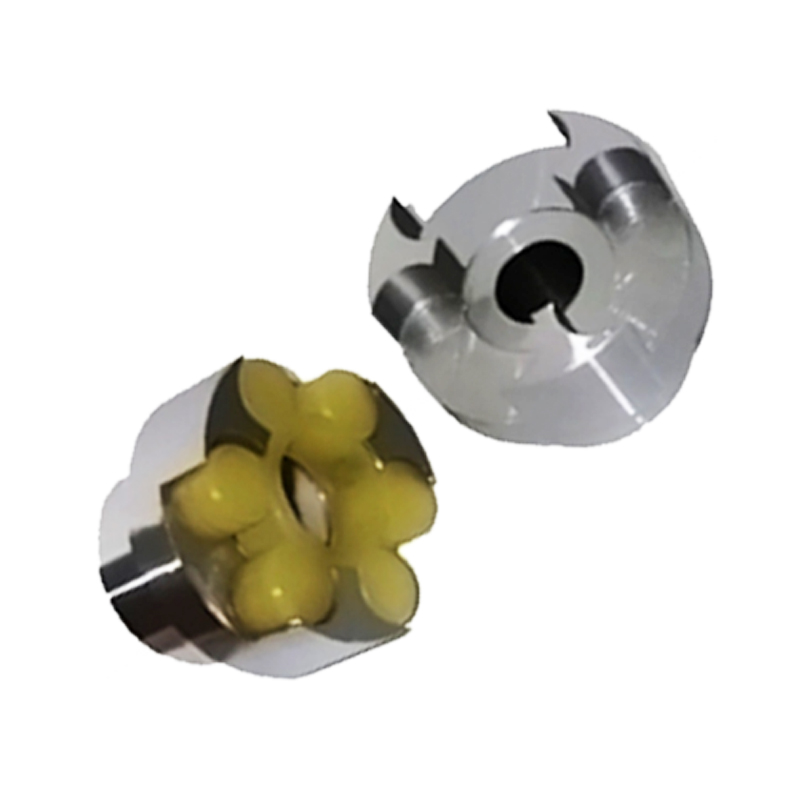
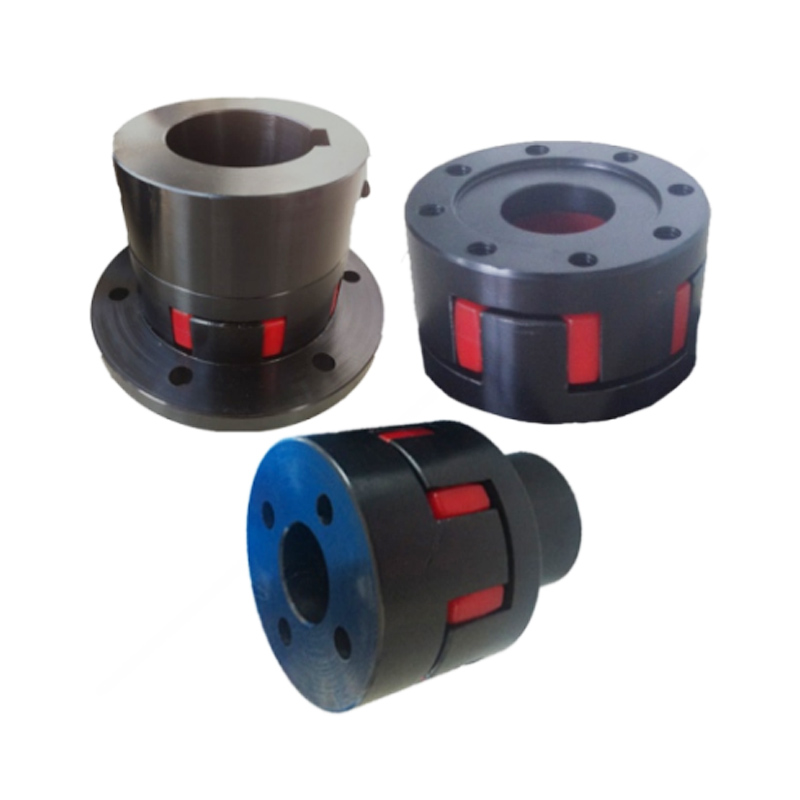
Cast industrial couplings are mechanical devices designed to connect two rotating shafts, transmitting torque while accommodating misalignment and reducing vibration. Unlike generic couplings, cast couplings offer higher strength and precision due to their one-piece molding process.
Componentes clave de los acoplamientos fundidos
- Flanges: Connect shafts securely and transmit torque efficiently.
- Gear Sleeves: Maintain alignment and torque transfer.
- Hubs: Provide mounting support for shafts and reduce stress concentrations.
Por qué es preferible el casting
The casting process allows for:
- Complex geometries impossible with machining alone.
- Uniform material distribution for improved stress resistance.
- Enhanced fatigue and wear performance.
Ventajas de la fundición en la fabricación de acoplamientos industriales
Geometrías complejas y precisión
Casting enables the production of intricate components such as multi-porous flanges and precise gear teeth profiles. According to a 2024 study by the Journal of Manufacturing Science, precision-cast gear couplings exhibit 10–15% higher torque tolerance compared to fabricated counterparts.
Flexibilidad del material
Industrial couplings must endure diverse conditions—from high torque in heavy machinery to corrosive chemical exposure. Casting allows the use of:
- Hierro dúctil: High shock resistance, medium cost, widely used in industrial pumps.
- Alloy Steel (A182 F11/F22): High fatigue resistance for petrochemical applications.
- Stainless Steel (304/316): Corrosion resistance for marine and chemical industries.
Resistencia al desgaste y a la fatiga
Through heat treatment and precision casting, surfaces become significantly more resistant to wear and fatigue. Testing from Leierwo Industrial Co. shows cast flanges maintain over 90% of original strength after 10,000 operating hours under full load.
Eficiencia de costos
While high-precision machining or forging can be expensive for complex parts, casting offers a cost-effective solution for producing large volumes without compromising quality.
Materiales y características de fundición
| Material | Yield Strength (MPa) | Hardness (HB) | Resistencia a la corrosión | Typical Use Cases |
|---|---|---|---|---|
| Hierro dúctil | 420 | 180 | Medio | Pumps, medium-voltage shafts |
| Acero carbono | 520 | 200 | Bajo | General machinery, pressure piping |
| Acero aleado | 580 | 220 | Medio | Heavy machinery, petrochemical plants |
| Acero inoxidable | 450 | 180 | Alto | Marine, chemical, corrosive environments |
Material Selection Considerations:
- Operating load and torque
- Environmental conditions (corrosive vs non-corrosive)
- Temperature and thermal expansion
- Cost and maintenance cycles
Procesos de fundición para acoplamientos industriales
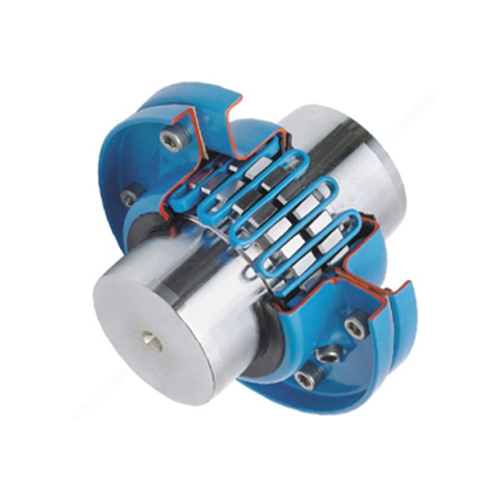
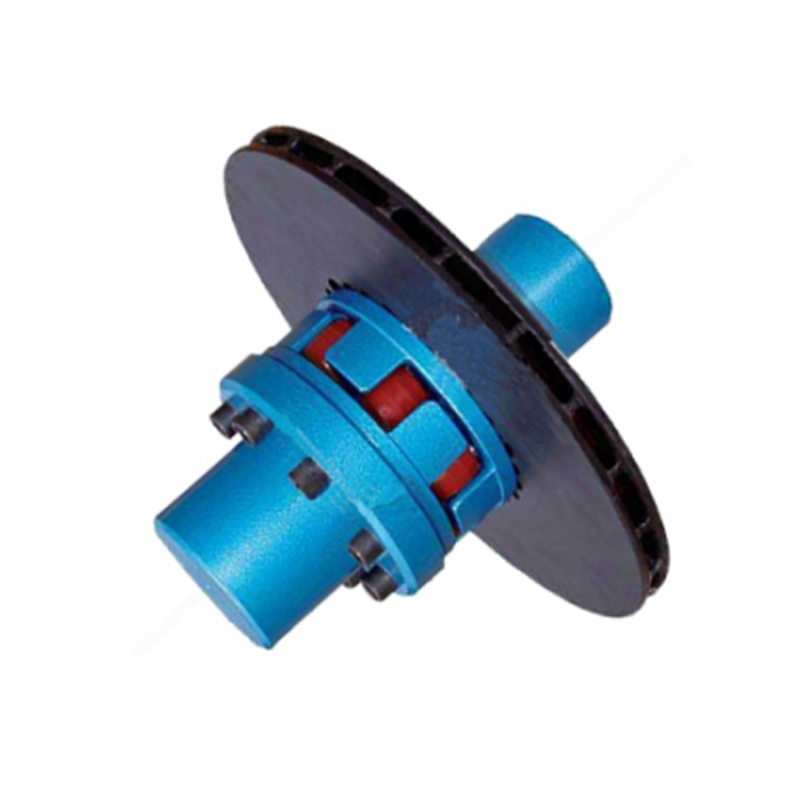
Fundición en arena
- Cost-effective for large parts.
- Suitable for medium-complexity designs.
- Typical tolerance: ±0.5–1.5 mm.
Fundición de inversión
- Produces intricate, tight-tolerance components.
- Excellent surface finish (Ra 1.6 μm).
- Suitable for precision couplings like star and diaphragm types.
Fundición a presión
- High-strength, high-volume production.
- Excellent dimensional stability under high load.
- Often used in automotive and high-speed machinery applications.
Comparación de acoplamientos fundidos con otros métodos de fabricación
Acoplamientos fundidos vs. forjados
- Cast: Better for complex geometries, cost-effective at scale.
- Forged: Superior toughness and impact resistance, but limited shapes.
- Perspectiva de datos: Forged couplings show 15% higher impact tolerance, while cast couplings allow 25% more design flexibility.
Acoplamientos fundidos vs. fabricados
- Cast: Single-piece design, higher precision, enhanced wear resistance.
- Fabricated: Modular, easier to replace, but may require more frequent maintenance.
- Vizualizare expertă: Dr. Emily Wong, mechanical engineering professor at MIT, says “For high-speed, high-torque applications, cast couplings outperform fabricated ones in reducing vibration and misalignment.”
Estándares y certificaciones de la industria
Cumplimiento de la norma ISO 9001
Ensures quality management systems are applied consistently, guaranteeing that each coupling meets global quality standards.
Normas ASTM y DIN
- ASTM A536: Ductile iron specifications for mechanical performance.
- DIN 740: Industrial coupling dimensional standards.
Pruebas y certificación de terceros
- Non-destructive testing (NDT) for structural integrity.
- 3D simulation analysis for stress and fatigue testing.
Pruebas de rendimiento y datos de confiabilidad
Pruebas de capacidad de par
- Cast alloy steel couplings withstand up to 120,000 Nm torque without deformation.
Pruebas de vibración y desalineación
- Diaphragm cast couplings accommodate up to 2° angular misalignment while maintaining efficiency above 95%.
Vida de fatiga
- Long-term tests show 10,000+ operating hours under high load before significant wear occurs.
Applications of Cast Acoplamientos industriales
Maquinaria pesada
- Mining, construction, cranes, conveyor systems.
- Can handle torques exceeding 100,000 Nm reliably.
Industria petroquímica
- Corrosion-resistant alloys ensure safe operation in chemical plants.
- Stainless steel couplings recommended for acidic environments.
Maquinaria de alta velocidad
- Precision casting allows smooth operation at rotational speeds up to 5000 RPM.
- Reduces wear on shafts and bearings, minimizing downtime.
Energía renovable
- Wind turbines and hydro generators rely on cast couplings for torque transmission.
- Can operate under variable load conditions while maintaining alignment.
Aplicaciones marinas
- Cast stainless steel couplings withstand saltwater corrosion.
- Used in ship propulsion and offshore drilling equipment.
Pautas de instalación para acoplamientos fundidos
Alineación de ejes
- Misalignment should be measured using dial indicators or laser alignment tools.
- Elastic couplings can tolerate small angular or parallel misalignments.
Aplicación de par
- Always follow manufacturer’s recommended torque specifications during installation.
- Over-tightening can lead to premature fatigue.
Lubricación
- Grease or oil must match the coupling type and operating speed.
- Avoid contamination from dust or moisture.
Conceptos erróneos comunes sobre los acoplamientos industriales de fundición
Misconception 1: Cast couplings are brittle.
- Reality: Modern alloy and ductile iron castings are engineered for high shock and fatigue resistance.
Misconception 2: Cast couplings are only for low-speed applications.
- Reality: With precision casting and proper balancing, cast couplings perform well even at 5000+ RPM.
Misconception 3: Fabricated couplings are always cheaper.
- Reality: While initial cost may be lower, maintenance and replacement frequency can make fabricated couplings more expensive long-term.
Estudio de caso: Aumento de la eficiencia con acoplamientos industriales de fundición
- Company: Leierwo Industrial Machinery
- Escenario: Retrofitting conveyor systems with cast alloy steel couplings.
- Outcome:
- Reduced unplanned downtime by 22%
- Extended coupling life from 18 months to 30 months
- Achieved smoother torque transmission, reducing vibration by 15%
Cómo seleccionar el acoplamiento industrial de fundición adecuado
Analizar las condiciones de operación
- Torque, speed, load fluctuations, and environmental exposure are critical factors.
Considere las propiedades del material
- Use the material table provided above to match strength, corrosion resistance, and cost with application needs.
Factor en el método de fabricación
- Precision casting for high-speed, high-torque applications.
- Sand casting for cost-effective, large components.
Evaluar los costos del ciclo de vida
- Consider maintenance, replacement frequency, and potential downtime savings.
Consulte a los expertos
- Collaboration with engineers and coupling manufacturers can optimize performance and reduce risk.
Tendencias futuras en acoplamientos industriales de fundición
Materiales avanzados
- High-strength composites and alloy blends improving fatigue life and corrosion resistance.
Smart Couplings
- Sensors embedded to monitor torque, vibration, and temperature in real-time.
3D Printing and Hybrid Casting
- Combining additive manufacturing with casting for highly complex geometries and reduced lead times.
Sustainability Focus
- Recycling cast materials and reducing waste during the casting process.
Conclusión
- Cast industrial couplings are indispensable in modern industrial systems.
- Offer superior strength, precision, and durability over other types.
- Enable complex designs and material flexibility for diverse industrial needs.
- When selected and maintained properly, they significantly reduce operational costs and extend machinery lifespan.
Perspectiva experta: John Smith, IPTA, emphasizes, “Investing in high-quality cast industrial couplings is a long-term decision that directly impacts productivity and safety in industrial operations.”
PREGUNTAS FRECUENTES
¿Cómo elijo el mejor acoplamiento de fundición para mi industria?
Considere el torque, la desalineación, la velocidad y las condiciones ambientales. Para entornos de trabajo pesado o corrosivos, se recomiendan piezas fundidas de aleación o acero inoxidable.
¿Pueden los acoplamientos fundidos soportar cargas de impacto repentinas?
Yes, ductile iron and alloy steel cast couplings are specifically designed to absorb shock and prevent failure.
¿Cuánto tiempo puede durar un acoplamiento fundido en funcionamiento continuo?
With proper maintenance, cast couplings can last 5-10 ani depending on load and operating conditions.
¿Son los acoplamientos fundidos compatibles con motores de alta velocidad?
Yes, precision casting ensures balance and stability, even at speeds exceeding 5000 RPM.
¿Cuál es la diferencia entre los acoplamientos elásticos y rígidos?
Elastic couplings accommodate misalignment and vibration, while rigid couplings transmit torque without flexibility. Choosing depends on the system’s alignment precision and vibration sensitivity.
Categorías de productos
- Piezas de válvulas
- Piezas de la bomba de agua
- Piezas de la caja de cojinetes
- Piezas de fundición a presión
- Productos para bombas de acero inoxidable
- Productos para bombas de hierro fundido
- Piezas de válvulas para automóviles
- Recambios para automóviles
- Piezas de válvulas para uso civil
- Piezas de bomba de vacío KF

¡Comencemos tu próximo proyecto!
Inicie su proyecto con Leierwo
1. Envíe su consulta
2. Cálculo de costes
3. Inicio de la producción
4. Organizar la entrega
PREGUNTAS FRECUENTES
Sí, tenemos una amplia experiencia en el comercio internacional y podemos ayudar a los clientes con el despacho de aduanas de exportación y los arreglos de envío. Aceptamos varios métodos de pago internacionales, incluyendo T/T (transferencia telegráfica), transferencia bancaria y carta de crédito (L/C). Las condiciones de pago se pueden discutir con nuestro equipo de ventas.
Al asociarse con Leierwo, podrá disfrutar de precios competitivos y una calidad superior a la de otros proveedores. Además, ofrecemos una solución integral para entregar piezas acabadas, incluido el mecanizado CNC y el tratamiento de superficies, lo que garantiza un proceso de producción sin fisuras.
Contamos con avanzados equipos de fundición y estrictos sistemas de control de calidad. Nuestra capacidad de producción mensual es considerable y podemos fabricar productos a partir de dibujos o muestras proporcionados por el cliente. Aceptamos tanto pequeños pedidos de prueba como producciones a gran escala.
Nuestros productos cumplen normas internacionales como ASTM, AISI, DIN y JIS. Podemos proporcionar informes de pruebas de materiales y certificaciones pertinentes para garantizar que la calidad del producto cumple los requisitos del cliente.
Seguimos estrictamente el sistema de gestión de calidad ISO 9001 y realizamos múltiples inspecciones a lo largo del proceso de producción, incluidos análisis espectrográficos, pruebas de rayos X, pruebas ultrasónicas y mediciones dimensionales. Estas medidas de control de calidad garantizan que nuestras piezas de fundición cumplen las normas más estrictas.
Sin embargo, somos flexibles y estamos abiertos a discutir sus necesidades específicas.
Nuestro plazo de producción estándar es de 4 a 6 semanas, en función de la cantidad del pedido y la complejidad del producto. Nos esforzamos por acortar los plazos de entrega para satisfacer las demandas de los clientes.
Sí, podemos proporcionar muestras para la inspección de calidad. Los costes de las muestras y los gastos de envío pueden negociarse, y los gastos de las muestras pueden reembolsarse al realizar un pedido formal.
 Spanish
  English
  Arabic
  Malay
Malay  German