
Explicación del coste de la fundición de inversión: 6 puntos clave
¡Bienvenido a mi blog!
¡Me encanta tenerte aquí! Antes de profundizar en el contenido, me encantaría que me acompañaras en mis redes sociales. Es donde comparto información adicional, conecto con nuestra increíble comunidad y te mantengo al tanto de las últimas noticias. Así es como puedes mantenerte conectado:
📘 Facebook: Shanghai Leierwo Industria Comercio Co., Ltd.
¡Ahora, emprendamos este viaje juntos! Espero que el contenido aquí te resulte no solo revelador, sino también inspirador y valioso. ¡Comencemos!
Tabla de contenido
Introducción
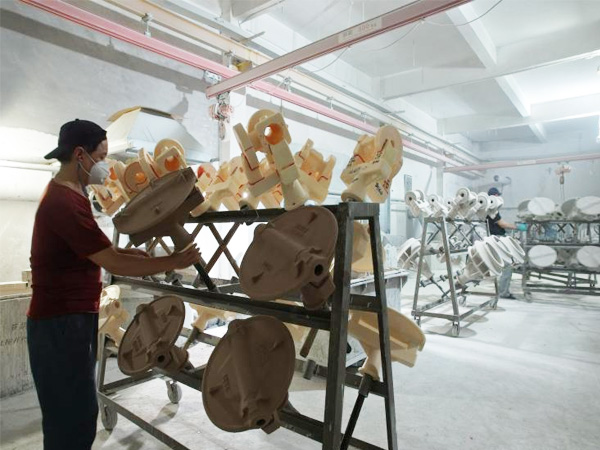
Fundición de precisión, (o fundición a la cera perdida) es un proceso de fabricación de alta precisión ampliamente utilizado en industrias como la aeroespacial, automotriz, de dispositivos médicos y de defensa. Permite la producción de piezas metálicas complejas con tolerancias estrictas, superficies lisas y geometrías intrincadas. A pesar de sus ventajas, una de las preocupaciones más críticas para los fabricantes es la comprensión y el control costo de fundición de inversión.
El costo de la inversión puede variar ampliamente dependiendo de múltiples factores, entre ellos:
- Tipo de material y grado de aleación
- Complejidad de las piezas y características de diseño
- Tamaño del lote y volumen de producción
- Eficiencia laboral y operativa
- Requisitos de posprocesamiento
- Control de calidad y tasas de defectos
Descuidar estos factores de costos puede generar gastos de producción inflados, ineficiencias y una rentabilidad reducida. Este artículo explora seis conocimientos clave sobre los costos de fundición de inversiones, brindando orientación práctica para la optimización de costos manteniendo la calidad del producto.
Insight 1: Selección de materiales y su impacto Costo de fundición de inversión
Por qué es importante el material
La elección del material es un factor fundamental en el costo de la fundición a la cera perdida. Las aleaciones de alto rendimiento como el titanio, el acero inoxidable 17-4 PH o las superaleaciones a base de níquel son significativamente más caras que el aluminio o los aceros con bajo contenido de carbono. El material no sólo afecta los costos de las materias primas sino que también influye en los procesos posteriores como el mecanizado, el tratamiento térmico y la inspección.
Las consideraciones clave incluyen:
- Precio de la materia prima por kilogramo: Por ejemplo, el acero inoxidable puede costar $3-$5/kg, el titanio $25-$40/kg y las superaleaciones hasta $100/kg.
- Disponibilidad y abastecimiento: Las aleaciones raras o especiales pueden tener largos plazos de entrega, lo que aumenta los costos de inventario.
- Requisitos del proceso: Ciertas aleaciones requieren precalentamiento, atmósferas inertes o técnicas de fundición especializadas para evitar defectos.
Ejemplo del mundo real
Un proveedor aeroespacial europeo que produce componentes de turbinas cambió de acero inoxidable 316 a una superaleación a base de níquel para un rendimiento a alta temperatura. Si bien el costo del material aumentó en 40%, el diseño optimizado de la carcasa y la reducción del retrabajo redujeron la chatarra en 25%, equilibrando el costo general de fundición de inversión.
Mejores prácticas
- Realizar un análisis costo-beneficio considerando el desempeño del material versus el precio.
- Para piezas no críticas, elija aleaciones rentables que cumplan con los requisitos mecánicos.
- Obtenga materiales a granel para proyectos a largo plazo para reducir los costos unitarios de materiales.
Insight 2: complejidad de las piezas e influencia del diseño
Cómo la complejidad genera costos
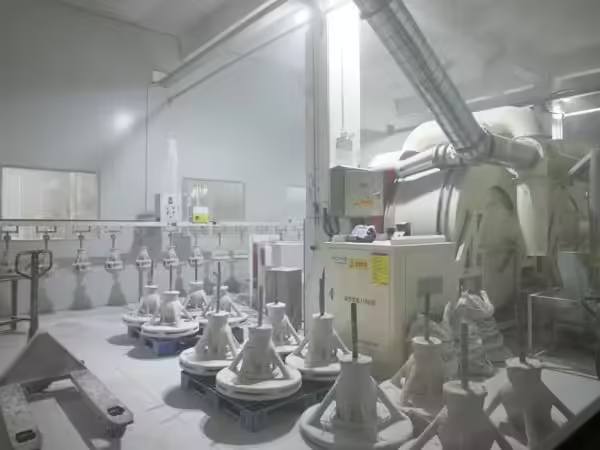
Las geometrías complejas aumentan el tiempo de preparación de los patrones de cera, la mano de obra de capas de conchas y el riesgo de defectos. Características como cavidades profundas, paredes delgadas, cortes o estructuras reticulares requieren herramientas especializadas y ciclos de producción más largos.
Las piezas complejas también pueden requerir una simulación avanzada para predecir la contracción, el flujo de material y la porosidad, lo que aumenta los costos de ingeniería.
Estrategias para optimizar costos
- Simplifique los diseños sin comprometer la funcionalidad.
- Minimice los recortes y las características complejas cuando sea posible.
- Utilice CAD y análisis de elementos finitos (FEA) para optimizar el diseño del molde.
- Agrupe piezas similares para agilizar la producción de moldes y carcasas.
Estudio de caso
Un fabricante de componentes para automóviles rediseñó un soporte de suspensión para reducir las secciones de paredes delgadas y los recortes. El tiempo de inyección de cera disminuyó en 20%, la tasa de desechos cayó en 18% y el costo total de inversión en fundición cayó en 15%.
Insight 3: Volumen de producción y efectos del tamaño de los lotes
Economías de escala
Fundición de precisión es sensible al volumen de producción. Los lotes pequeños suelen tener costos unitarios más altos debido a su extensa configuración, preparación de moldes y mano de obra. Los lotes más grandes distribuyen los costos fijos entre más piezas, lo que reduce el costo de fundición de inversión por unidad.
Tabla comparativa de costos
| Factor | Lote pequeño | Lote grande | Notas |
|---|---|---|---|
| Preparación de patrones de cera | $50/patrón | $25/patrón | La inyección masiva reduce la mano de obra |
| Edificio de conchas cerámicas | $120/parte | $70/parte | Mano de obra y materiales optimizados en grandes lotes |
| Derretimiento y vertido | $40/parte | $35/parte | Los ahorros menores por unidad se suman en volumen |
| Tratamiento térmico | $30/parte | $25/parte | El horno funciona de manera más eficiente para lotes más grandes |
| Postprocesamiento | $60/parte | $45/parte | Los costos de mecanizado y pulido caen en lotes |
Conclusión clave: La producción por lotes más grande aprovecha las economías de escala, minimizando el costo unitario y manteniendo la calidad.
Ejemplo
Un fabricante de dispositivos médicos que produce implantes ortopédicos redujo el costo de fundición de inversión por unidad en 22% al aumentar el tamaño del lote de 50 a 500 partes al implementar la inyección automatizada de cera.
Insight 4: Eficiencia Laboral y Operativa
Impulsores de costos laborales
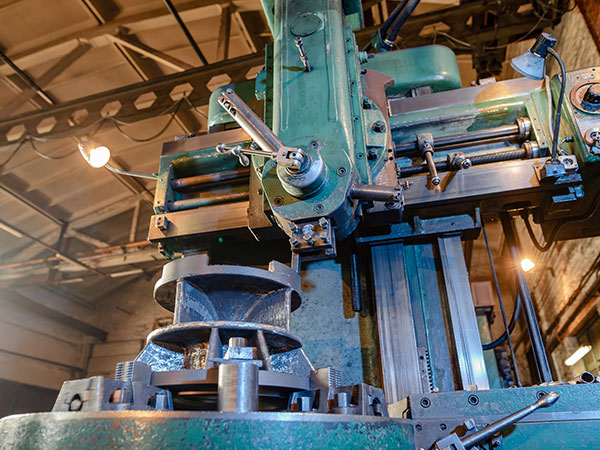
La mano de obra representa una parte importante del costo de inversión en fundición, especialmente en operaciones manuales de inyección de cera, construcción de conchas y acabado. Los operadores calificados son esenciales para la precisión, pero las ineficiencias o errores inflan los costos.
Consideraciones clave relacionadas con el trabajo:
- Inyección de patrón de cera y tiempo de acabado
- Procesos de estratificación, secado y cocción de conchas
- Manipulación de fundición y extracción de piezas
- Mecanizado, pulido e inspección
Estrategias de optimización
- Introducir sistemas de inyección de cera y recubrimiento de carcasa semiautomáticos o totalmente automatizados.
- Operadores de trenes cruzados para manejar múltiples etapas.
- Aplicar principios de fabricación ajustada para reducir los tiempos de ciclo y el desperdicio.
Aplicación del mundo real
Una fundición aeroespacial europea implementó sistemas semiautomáticos de secado y inmersión de conchas, lo que redujo los costos de mano de obra en 25% y disminuyó los defectos de fundición en 18%, lo que redujo la inversión total en fundición de manera rentable.
Insight 5: Postprocesamiento y Acabado de Superficies
Importancia del posprocesamiento
Los pasos de posprocesamiento pueden agregar 20-40% al costo total de fundición de inversión. Estos pasos garantizan precisión dimensional, acabado superficial y rendimiento mecánico.
Procesuri cheie include:
- Tratamiento térmico para propiedades mecánicas
- Mecanizado CNC para tolerancias estrictas
- Esmerilado, pulido y recubrimiento de superficies
- Ensayos no destructivos (END) para componentes críticos
Medidas de reducción de costes
- Optimice las tolerancias de fundición para reducir el volumen de mecanizado.
- Reúna piezas similares para tratamiento térmico para maximizar la eficiencia del horno.
- Aplique diseños de fundición en forma de red cercana para minimizar el posprocesamiento.
Ejemplo práctico
Un proveedor aeroespacial adoptó diseños casi en forma de red para componentes de turbinas. Los costos de posprocesamiento se redujeron en 30%, lo que resultó en una disminución neta en el costo de inversión en fundición mientras se mantenían tolerancias estrictas.
Insight 6: Control de Calidad y Gestión de Defectos
Papel de la calidad en el costo
Defectos como porosidad, inclusiones, errores de ejecución o deformaciones aumentan directamente los costos de chatarra, retrabajo y mano de obra. El control de calidad proactivo reduce el desperdicio y garantiza una producción constante.
Mejores prácticas
- Implemente escaneo de rayos X, ultrasónico o CT para detectar componentes críticos.
- Utilice control estadístico de procesos (SPC) durante la construcción y fundición de proyectiles.
- Supervise las temperaturas del horno, las tasas de vertido y el contenido de humedad de la carcasa.
Caso del mundo real
Un proveedor de fundición a la cera perdida de precisión en Alemania implementó inspecciones de rayos X en línea y seguimiento de defectos. Las tasas de chatarra cayeron de 12% a 4%, lo que redujo significativamente el retrabajo innecesario y redujo el costo de fundición a la cera perdida.
Conclusión
Gerente costo de fundición de inversión requiere efectivamente un enfoque integral:
- Seleccione materiales adecuados equilibrando rendimiento y costo.
- Simplifique los diseños para reducir la complejidad sin sacrificar la función.
- Optimice el tamaño del lote para aprovechar las economías de escala.
- Mejore la eficiencia laboral y considere la automatización.
- Minimice el posprocesamiento mediante diseños con forma cercana a la red.
- Implementar un estricto control de calidad para reducir defectos y residuos.
La adopción de estas estrategias garantiza una producción de fundición rentable y de alta calidad, lo que permite a los fabricantes mantener la rentabilidad y al mismo tiempo cumplir con estrictos estándares de la industria.
Necesita asesoramiento experto para controlar su costo de fundición de inversión? Póngase en contacto con nuestros ingenieros hoy para una consulta sobre diseño, materiales y optimización de procesos para lograr piezas fundidas rentables y de alta precisión.
PREGUNTAS FRECUENTES
Qué factores influyen más fundición de precisión ¿costo?
Elección de materiales, complejidad de piezas, tamaño de lote, mano de obra, posprocesamiento y control de calidad.
¿pueden los lotes más pequeños aumentar el costo?
Sí, porque la configuración, la mano de obra y la preparación del molde se distribuyen en menos unidades.
¿Cómo afecta el diseño al costo?
Simplificar la geometría reduce la cera, el tiempo de preparación de la carcasa y el desecho, lo que reduce el costo general.
¿Vale la pena invertir en automatización?
La automatización en la inyección de cera, el recubrimiento de la cubierta y el secado puede reducir los costos de mano de obra y los defectos, ahorrando dinero a largo plazo.
¿qué pasos de posprocesamiento son más caros?
El tratamiento térmico, el mecanizado, el pulido y el recubrimiento pueden agregar 20-40% al costo total si no se optimizan.
Categorías de productos
- Piezas de válvulas
- Piezas de la bomba de agua
- Piezas de la caja de cojinetes
- Piezas de fundición a presión
- Productos para bombas de acero inoxidable
- Productos para bombas de hierro fundido
- Piezas de válvulas para automóviles
- Recambios para automóviles
- Piezas de válvulas para uso civil
- Piezas de bomba de vacío KF

¡Comencemos tu próximo proyecto!
Inicie su proyecto con Leierwo
1. Envíe su consulta
2. Cálculo de costes
3. Inicio de la producción
4. Organizar la entrega
PREGUNTAS FRECUENTES
Sí, tenemos una amplia experiencia en el comercio internacional y podemos ayudar a los clientes con el despacho de aduanas de exportación y los arreglos de envío. Aceptamos varios métodos de pago internacionales, incluyendo T/T (transferencia telegráfica), transferencia bancaria y carta de crédito (L/C). Las condiciones de pago se pueden discutir con nuestro equipo de ventas.
Al asociarse con Leierwo, podrá disfrutar de precios competitivos y una calidad superior a la de otros proveedores. Además, ofrecemos una solución integral para entregar piezas acabadas, incluido el mecanizado CNC y el tratamiento de superficies, lo que garantiza un proceso de producción sin fisuras.
Contamos con avanzados equipos de fundición y estrictos sistemas de control de calidad. Nuestra capacidad de producción mensual es considerable y podemos fabricar productos a partir de dibujos o muestras proporcionados por el cliente. Aceptamos tanto pequeños pedidos de prueba como producciones a gran escala.
Nuestros productos cumplen normas internacionales como ASTM, AISI, DIN y JIS. Podemos proporcionar informes de pruebas de materiales y certificaciones pertinentes para garantizar que la calidad del producto cumple los requisitos del cliente.
Seguimos estrictamente el sistema de gestión de calidad ISO 9001 y realizamos múltiples inspecciones a lo largo del proceso de producción, incluidos análisis espectrográficos, pruebas de rayos X, pruebas ultrasónicas y mediciones dimensionales. Estas medidas de control de calidad garantizan que nuestras piezas de fundición cumplen las normas más estrictas.
Sin embargo, somos flexibles y estamos abiertos a discutir sus necesidades específicas.
Nuestro plazo de producción estándar es de 4 a 6 semanas, en función de la cantidad del pedido y la complejidad del producto. Nos esforzamos por acortar los plazos de entrega para satisfacer las demandas de los clientes.
Sí, podemos proporcionar muestras para la inspección de calidad. Los costes de las muestras y los gastos de envío pueden negociarse, y los gastos de las muestras pueden reembolsarse al realizar un pedido formal.
 Spanish
  English
  Arabic
  Malay
Malay  German