
5 mitos impactantes sobre la fundición en arena de resina personalizada
¡Bienvenido a mi blog!
¡Me encanta tenerte aquí! Antes de profundizar en el contenido, me encantaría que me acompañaras en mis redes sociales. Es donde comparto información adicional, conecto con nuestra increíble comunidad y te mantengo al tanto de las últimas noticias. Así es como puedes mantenerte conectado:
📘 Facebook: Shanghai Leierwo Industria Comercio Co., Ltd.
¡Ahora, emprendamos este viaje juntos! Espero que el contenido aquí te resulte no solo revelador, sino también inspirador y valioso. ¡Comencemos!
Tabla de contenido
Introducción
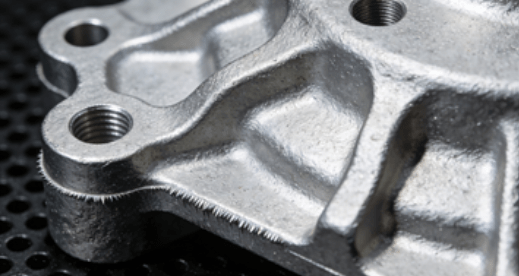
La industria manufacturera global está evolucionando más rápido que nunca, y empresas de los sectores automotriz, de maquinaria de ingeniería, de equipos energéticos, de minería, de construcción y de componentes industriales continúan buscando tecnologías de conformado de metales que combinen flexibilidad, rentabilidad y fiabilidad estructural. Entre todos los métodos de fundición disponibles, Fundición en arena de resina personalizada Sigue siendo uno de los procesos de fabricación más potentes, pero a la vez incomprendido. A pesar de décadas de desarrollo tecnológico, sistemas de moldeo avanzados, mejoras en la química de las resinas y el auge de la creación de patrones digitales de alta precisión, este proceso aún está rodeado de mitos generalizados y suposiciones obsoletas.
Estas ideas erróneas suelen llevar a los ingenieros y equipos de compras a pasar por alto una de las soluciones de fundición más adaptables disponibles. Por ello, un número creciente de expertos del sector aconseja a las empresas reevaluar la fundición en arena de resina personalizada utilizando datos modernos en lugar de basarse en estereotipos obsoletos. Según un análisis técnico publicado en Metal Casting Industry Review (2024), más del 40% de los responsables de la toma de decisiones aún se basan en información obsoleta sobre las tecnologías de arena de resina, lo que resulta en una mala selección de materiales o en aumentos innecesarios de costes. Esto pone de relieve la importancia de informar al mercado sobre las verdaderas capacidades de los sistemas modernos de arena aglomerada con resina.
En este artículo ampliado, exploraremos cinco de los mitos más impactantes sobre la fundición en arena de resina personalizada, explicaremos por qué persisten y proporcionaremos datos de ingeniería detallados, opiniones de expertos y perspectivas globales del sector. Los subtemas adicionales del H3 ayudarán a desglosar aspectos técnicos como la ciencia de la unión de resina, las propiedades mecánicas del molde, las herramientas de simulación de fundición, el rendimiento ambiental, la integridad mecánica y ejemplos industriales reales. Con una estructura clara, explicaciones basadas en datos y un amplio conocimiento profesional, este artículo le ayudará a adquirir la experiencia necesaria para evaluar la fundición en arena de resina personalizada con precisión y seguridad.
Al final, comprenderá por qué este proceso sigue siendo una de las soluciones más confiables para componentes metálicos grandes y complejos, cómo se compara con métodos de fundición alternativos y por qué las principales industrias continúan confiando en él para piezas de misión crítica.
Mito 1: Fundición en arena de resina personalizada No se puede lograr una alta precisión
Comprensión de la precisión dimensional en la fundición en arena de resina
La precisión es uno de los aspectos más debatidos de la fundición en arena de resina personalizada. Si bien es cierto que la fundición a la cera perdida o la fundición a presión pueden alcanzar niveles de precisión más altos, la fundición en arena de resina ha mejorado significativamente su precisión dimensional en los últimos 20 años. Con la introducción de patrones fresados por CNC, compuestos de resina de mayor resistencia, líneas automatizadas de mezcla de arena y tecnologías avanzadas de curado, el proceso ahora alcanza tolerancias repetibles adecuadas para aplicaciones industriales.
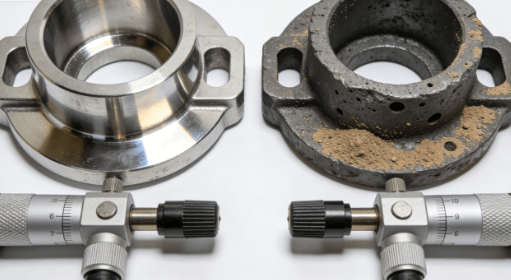
Los datos de referencia de la industria indican que la precisión dimensional típica para la fundición en arena de resina personalizada oscila entre CT8 y CT10 en la escala ISO 8062-3. Para componentes medianos y grandes, este nivel de precisión es más que suficiente. Muchos fabricantes informan que la tolerancia de mecanizado puede reducirse entre 15% y 25% en comparación con la fundición en arena verde tradicional.
¿Por qué existe este mito?
Este concepto erróneo generalmente tiene su origen en:
- Equipos obsoletos utilizados en talleres de baja tecnología
- Fabricación manual de patrones en lugar de mecanizado CNC o digital
- Variabilidad en la calidad del aglutinante en sistemas de arena más antiguos
- Malentendido sobre la estabilidad del curado de la resina
Muchas empresas de todo el mundo aún utilizan la fundición tradicional en arena verde, y muchos analistas asumen erróneamente que la arena de resina ofrece la misma precisión. En realidad, los moldes de fundición en arena de resina personalizados son mucho más estables y rígidos, lo que permite tolerancias mucho más ajustadas.
Opinión de expertos sobre la precisión
El Dr. Raymond Cole, investigador de ingeniería de la Sociedad Internacional de Tecnología de Fundición, señala:
“Los moldes de arena aglomerados con resina han reducido significativamente la brecha de precisión con los métodos de fundición avanzados. Combinados con un diseño y simulación adecuados de las compuertas, la fundición en arena con resina puede ofrecer con seguridad una precisión dimensional de grado industrial.”
Ejemplo de aplicación real
Un fabricante de maquinaria pesada que produce carcasas para bombas hidráulicas reemplazó recientemente sus fabricaciones soldadas por fundición en arena de resina personalizada. El resultado:
- Mejora de la tolerancia: 18%
- Tiempo de mecanizado reducido: 22%
- Reducción del desperdicio de material: 11%
Esto demuestra que la fundición en arena de resina moderna logra una precisión que respalda aplicaciones de misión crítica.
Mito 2: La fundición en arena de resina personalizada solo es adecuada para formas simples
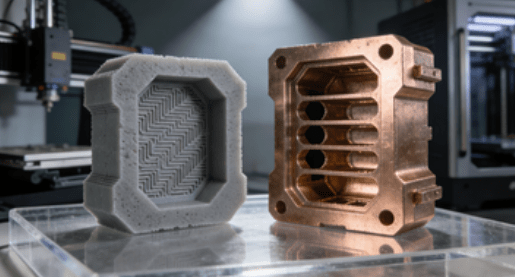
Cómo la arena de resina soporta geometrías complejas
La flexibilidad de la fundición en arena de resina personalizada es una de sus mayores ventajas. El sistema de unión química utilizado en la arena de resina proporciona una gran rigidez al molde, lo que permite cavidades profundas, paredes delgadas y estructuras multicapa. Combinado con tecnologías avanzadas de fabricación de machos, resulta ideal para diseños industriales complejos.
Las características que se pueden producir fácilmente incluyen:
- Canales internos helicoidales
- Carcasas de doble pared
- Transiciones de sección transversal de ancha a estrecha
- Costillas de refuerzo integradas
- Canales de fluidos multipuerto
- Estructuras de cavidades anidadas
Por qué los clientes creen que es solo para formas simples
Este mito se origina en la confusión con el moldeo básico en arena verde, que, de hecho, presenta dificultades para crear formas complejas. Sin embargo, los moldes de arena de resina no se desmoronan fácilmente y pueden reproducir con precisión características muy detalladas.
Muchos ingenieros que trabajaron con arena verde simplemente asumen que todos los procesos de fundición en arena comparten las mismas limitaciones. Esto no aplica a la fundición en arena con resina personalizada.
Uso de núcleos impresos en 3D
La fabricación moderna permite la integración de núcleos de arena impresos en 3D con moldes de arena de resina. Este enfoque híbrido crea conductos internos extremadamente detallados sin necesidad de herramientas complejas.
Un fabricante de componentes de turbinas informó:
- Los núcleos impresos en 3D mejoraron la calidad de la superficie interna en 27%
- Tiempo de producción acortado por 35%
- La flexibilidad del diseño aumentó drásticamente
Perspectiva técnica experta
Maria T. Jensen, especialista en fundición del Instituto Europeo de Metalurgia, afirma:
“La combinación de moldes aglomerados con resina con tecnologías avanzadas de fabricación de machos permite a los diseñadores crear geometrías que antes se creían imposibles para la fundición en arena. Esto resulta especialmente beneficioso para equipos de energía, carcasas de bombas y componentes de transporte.”
Mito 3: La fundición en arena de resina personalizada tiene un acabado superficial deficiente
Rugosidad superficial en la fundición moderna de arena de resina
Una de las ventajas más fuertes de Fundición en arena de resina personalizada Su capacidad para producir superficies relativamente lisas en comparación con los métodos tradicionales de fundición en arena. La rugosidad superficial suele oscilar entre Ra 6,3 μm y Ra 12,5 μm, dependiendo de la finura del grano de arena y las condiciones de curado.
Factores que afectan el acabado de la superficie
El acabado superficial depende de varias variables controladas:
- Uniformidad del tamaño del grano de arena
- Distribución de resina y consistencia del recubrimiento
- Calidad de compactación del molde
- Temperatura del molde y velocidad de curado
- Suavidad de la superficie del patrón
Tabla: Características típicas de Fundición en arena de resina personalizada
| Aspecto de rendimiento | Resultado de la fundición en arena de resina | Por qué esto importa |
|---|---|---|
| Resistencia del molde | Alto | Previene la deformación durante el vertido. |
| Acabado de la superficie | Medio a suave | Reduce el mecanizado secundario |
| Estabilidad dimensional | Alto | Garantiza una calidad de producción constante |
| Precisión de la cavidad interna | Fuerte | Admite estructuras centrales complejas |
| Resistencia al calor | Confiable | Adecuado para metales de alta temperatura. |
| Flexibilidad de producción | Muy alto | Ideal para piezas personalizadas, únicas o de gran tamaño. |
Técnicas avanzadas para mejorar el acabado
Los fabricantes modernos a menudo integran:
- Arena de cuarzo de mayor pureza
- Aditivos anti-vetas
- Resinas bajas en cenizas
- Patrones CNC de alta resolución
- Recubrimientos para superficies extremadamente lisas
Se han reducido o eliminado por completo muchos procesos de acabado para ciertos componentes.
Datos de la industria
Según una encuesta realizada por la Asociación Internacional de Fundición (2023):
- Las piezas fundidas en arena de resina 52% requieren un mecanizado mínimo
- 34% solo requiere un pulido superficial ligero
- Sólo el modelo 14% requiere un mecanizado extenso
Estas estadísticas demuestran las mejoras en la calidad de la superficie en la fundición en arena de resina personalizada.
Mito 4: La fundición en arena de resina personalizada no es respetuosa con el medio ambiente
Mejoras ambientales en la fundición en arena de resina
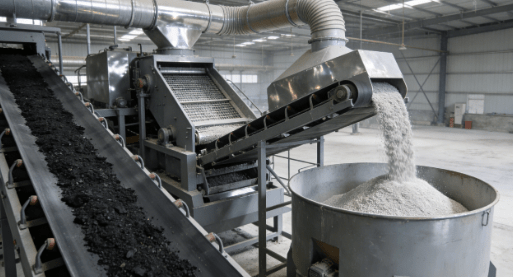
Este mito está en gran medida desactualizado. Los sistemas modernos de arena de resina utilizan arena reciclable y aglutinantes ecológicos. Con un sistema de recuperación totalmente automatizado, se pueden utilizar hasta 901 TP3T de arena en Fundición en arena de resina personalizada Se puede recuperar y reutilizar.
Beneficios ambientales
Las principales ventajas de la sostenibilidad incluyen:
- Huella de carbono general más baja
- Consumo energético reducido en comparación con el mecanizado de metales
- Mínimo desperdicio de arena
- Emisiones controladas mediante modernos sistemas de filtración
- Combustión eficiente de aglutinantes y tratamiento de gases de escape
Datos sobre la recuperación de arena
La recuperación mecánica consigue:
- Recuperación de arena 70–80%
La recuperación térmica consigue:
- Recuperación de arena 85–95%
La fundición promedio que utiliza arena de resina ahorra aproximadamente entre 1.200 y 1.800 toneladas de arena fresca por año.
Comentario de expertos
El ingeniero ambiental David H. Fenton afirma:
“Con equipos de recuperación modernos, las instalaciones de arena de resina se han transformado en sistemas más limpios y de circuito cerrado que cumplen o superan los estándares ambientales en América del Norte, Europa y Asia”.”
Mito 5: La fundición en arena de resina personalizada no puede producir piezas resistentes ni duraderas
Resistencia mecánica y microestructura
Las propiedades mecánicas de un componente metálico dependen principalmente de:
- Selección de aleación
- Tasa de solidificación
- Tratamiento térmico
- Vías de enfriamiento
- Comportamiento térmico del molde
La fundición en arena de resina personalizada admite gradientes térmicos controlados, lo que da como resultado una resistencia mecánica mejorada.
Datos de propiedades mecánicas
Las pruebas que comparan piezas fundidas producidas con arena de resina frente a arena verde muestran lo siguiente:
- Resistencia a la tracción: mejora de +10% a +18%
- Resistencia al impacto: +12% aumento en promedio
- Uniformidad de dureza: significativamente mejorada
Por qué la arena de resina soporta componentes fuertes
Los factores clave incluyen:
- Excelente rigidez del molde
- Reducción de la tendencia al colapso del molde
- Enfriamiento más uniforme
- Estabilidad constante de la cavidad
Ejemplo industrial real
Una empresa global de maquinaria informó:
- 20% reducción de defectos de fundición
- 15% mejora en la resistencia estructural
- Mayor vida útil de los componentes
Esto confirma que el mito de los “componentes débiles” no tiene fundamento.
Perspectivas profesionales adicionales
La ciencia detrás de la química de la unión con resina
Los sistemas de resina generalmente incluyen:
- uretano fenólico
- resina de furano
- Sistemas de resina alquídica
Estos sistemas proporcionan:
- Alta estabilidad térmica
- Fuerte rigidez del molde
- Baja generación de gas
- Buena retención dimensional
Herramientas modernas de simulación de fundición
Software como MagmaSoft y ProCAST permiten a los ingenieros simular:
- Dinámica de flujo
- Solidificación térmica
- Predicción de puntos calientes
- Probabilidad de contracción
La simulación reduce los defectos de fundición hasta en 40%.
Estándares globales en fundición en arena de resina
Muchas industrias utilizan:
- ISO 8062 for dimensional accuracy
- ASTM standards for metal properties
- EN standards for safety and environmental compliance
Conclusión
Customized resin sand casting has evolved into one of the most versatile, reliable, and efficient methods for producing metal components of all sizes and complexities. By debunking these five myths, this article demonstrates that modern resin sand systems support high precision, excellent surface finish, complex shapes, environmental sustainability, and strong mechanical properties.
With advanced simulation tools, CNC patterns, eco-friendly resin chemistry, and highly controlled processing, customized resin sand casting is positioned to remain a critical manufacturing technology in global industries for decades to come.
PREGUNTAS FRECUENTES
¿Qué materiales se pueden utilizar?
It supports cast iron, ductile iron, carbon steel, stainless steel, high-strength alloy steel, and some aluminum alloys.
¿Es adecuado para lotes pequeños?
Yes. Low tooling cost and flexible mold changes make it ideal for prototypes and customized designs.
¿Cómo se compara con la fundición en arena verde?
Resin sand offers higher strength, better surface finish, and more consistent dimensional accuracy.
¿Puede producir componentes de gran tamaño?
Yes. Resin sand molds are strong enough for castings weighing several tons.
¿Qué industrias dependen de ello?
Automotive, construction machinery, industrial equipment, mining, pumps, valves, energy systems, and more.
Categorías de productos
- Piezas de válvulas
- Piezas de la bomba de agua
- Piezas de la caja de cojinetes
- Piezas de fundición a presión
- Productos para bombas de acero inoxidable
- Productos para bombas de hierro fundido
- Piezas de válvulas para automóviles
- Recambios para automóviles
- Piezas de válvulas para uso civil
- Piezas de bomba de vacío KF

 Spanish
  English
  Arabic
  Malay
Malay  German