
Small Mechanical Parts: Choosing a Cast or Machined Route
Inhaltsverzeichnis
For buyers reviewing small mechanical parts, a useful specification connects the service, the approved drawing and the delivered component. This guide examines the purchasing question “Choosing a Cast or Machined Route”. Use it to organize the supplier discussion before approving material, tooling or production.
Key purchasing decisions for small mechanical parts
Small mechanical parts can be made by several routes, and size alone does not determine whether casting is economical. Geometry, batch quantity, material and finishing requirements matter. A complex near-net shape may justify tooling, while a simple low-volume part may favour machining from stock.
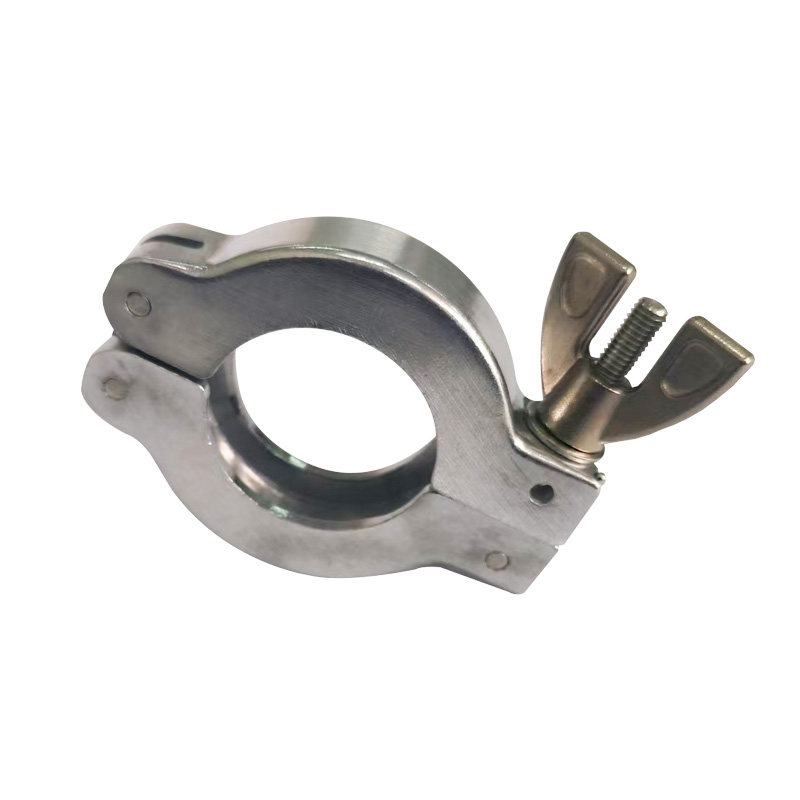
Review the design and interfaces
Separate functional features from noncritical surfaces. Identify thin sections, holes and threads that need additional processing. Ask suppliers to compare feasible routes against the same finished drawing and delivery condition.
Compare the purchasing options
Use this comparison when reviewing small mechanical parts against a controlled drawing and purchase specification.
| Purchasing approach | Main implication | What to resolve |
|---|---|---|
| Simple stock-machined part | Avoids casting tooling | May suit low recurring demand |
| Complex near-net casting | Can reduce removed material | Include tooling and finishing costs |
Select the manufacturing route
Coordinate the raw blank with final machining and assembly. Define locating features, stock and the functional datum system before the first sample is made. A convenient casting setup does not automatically align with the references needed by the completed component.
For a project involving small mechanical parts, compare the complete delivered condition before choosing a production route.
Inspection requirements for small mechanical parts
Review material evidence and completed dimensions for each route. For a cast option, define first-article requirements and any necessary examinations. Compare finished parts rather than a machined component from one supplier with a raw blank from another.

Apply the review to a practical case
A small bracket with several intersecting features may suit casting at recurring volume. A simple spacer ordered occasionally may have a different cost basis. Use the actual production plan to compare both.
Define a complete quotation scope
Provide a controlled model and drawing, material specification, quantities, critical interfaces and delivered condition. State machining, finishing and inspection requirements. Distinguish one-time tooling or fixtures from recurring charges and request a clear list of assumptions, exclusions and proposed alternatives.
When discussing small mechanical parts, separate requirements already approved by engineering from options still awaiting review.
For background reading, see SFSA steel casting technical resources. Use the applicable project specification and approved design for contractual requirements.
Discuss the component with Leierwo
Review Leierwo’s Mechanische Fertigung Und CNC-Bearbeitungsdienste pages, then send the controlled drawing, material and quantity for a component-specific discussion. Ask the quotation to state the manufacturing scope, inspection evidence and any proposed alternatives.
A request concerning small mechanical parts should lead to a part-specific quotation, with assumptions and deviations stated in writing.
Frequently asked questions
What is the main buying issue with small mechanical parts?
Small mechanical parts can be made by several routes, and size alone does not determine whether casting is economical. Geometry, batch quantity, material and finishing requirements matter.
Which design details should be included?
Separate functional features from noncritical surfaces. Identify thin sections, holes and threads that need additional processing.
What should inspection cover when evaluating small mechanical parts?
Review material evidence and completed dimensions for each route. For a cast option, define first-article requirements and any necessary examinations.
How should the purchasing options be compared?
Compare “Simple stock-machined part” and “Complex near-net casting” against the same finished-part requirements. Key review points are “may suit low recurring demand” and “include tooling and finishing costs”, respectively.
What should an inquiry about small mechanical parts include?
Provide the controlled model, drawing revision, material, quantities, critical fits, final finish and the expected inspection package.
Produktkategorien
- Ventilteile
- Wasserpumpenteile
- Lagergehäuseteile
- Druckgussteile
- Pumpenprodukte aus Edelstahl
- Pumpenprodukte aus Gusseisen
- Ventilteile für den Automobilgebrauch
- Autoteile
- Ventilteile für den zivilen Gebrauch
- Vakuumpumpenteile KF

Lassen Sie uns Ihr nächstes Projekt starten!
Starten Sie Ihr Projekt mit Leierwo
1. Senden Sie Ihre Anfrage
2. Kostenkalkulation
3. Produktion starten
4. Lieferung vereinbaren
Häufig gestellte Fragen
Ja, wir verfügen über umfassende Erfahrung im internationalen Handel und unterstützen unsere Kunden gerne bei der Exportzollabfertigung und Versandabwicklung. Wir bieten verschiedene Handelsbedingungen wie FOB, CIF und DDP an, um unterschiedlichen Logistikanforderungen gerecht zu werden. Wir akzeptieren verschiedene internationale Zahlungsmethoden, darunter T/T (Telegraphic Transfer), elektronische Überweisung und Akkreditiv (L/C). Die Zahlungsbedingungen können Sie mit unserem Vertriebsteam besprechen.
Durch die Partnerschaft mit Leierwo profitieren Sie von wettbewerbsfähigen Preisen und überlegener Qualität im Vergleich zu anderen Anbietern. Darüber hinaus bieten wir eine Komplettlösung für die Lieferung fertiger Teile, einschließlich CNC-Bearbeitung und Oberflächenbehandlung, und gewährleisten so einen reibungslosen Produktionsprozess.
Wir verfügen über moderne Gussanlagen und strenge Qualitätskontrollsysteme. Unsere monatliche Produktionskapazität ist beträchtlich und wir können Produkte nach Kundenzeichnungen oder Mustern fertigen. Wir akzeptieren sowohl kleine Probeaufträge als auch Großserienproduktionen.
Unsere Produkte entsprechen internationalen Normen wie ASTM, AISI, DIN und JIS. Wir stellen Materialprüfberichte und entsprechende Zertifizierungen bereit, um sicherzustellen, dass die Produktqualität den Kundenanforderungen entspricht.
Wir befolgen strikt das Qualitätsmanagementsystem ISO 9001 und führen während des gesamten Produktionsprozesses zahlreiche Prüfungen durch, darunter spektrografische Analysen, Röntgenprüfungen, Ultraschallprüfungen und Maßmessungen. Diese Qualitätskontrollmaßnahmen garantieren, dass unsere Gussteile den höchsten Standards entsprechen.
Unsere Mindestbestellmenge hängt von der Art und Komplexität des Produkts ab. Wir sind jedoch flexibel und offen für die Besprechung Ihrer spezifischen Anforderungen.
Unsere Standardproduktionszeit beträgt 4–6 Wochen, abhängig von Bestellmenge und Produktkomplexität. Wir sind bestrebt, die Lieferzeiten zu verkürzen, um den Kundenanforderungen gerecht zu werden.
Ja, wir können Muster zur Qualitätsprüfung bereitstellen. Musterkosten und Versandkosten können ausgehandelt werden. Die Mustergebühren können bei einer formellen Bestellung erstattet werden.
 German
 English
 Spanish
 Arabic
 Malay