
Small Mechanical Parts: Choosing a Cast or Machined Route
جدول المحتويات
For buyers reviewing small mechanical parts, a useful specification connects the service, the approved drawing and the delivered component. This guide examines the purchasing question “Choosing a Cast or Machined Route”. Use it to organize the supplier discussion before approving material, tooling or production.
Key purchasing decisions for small mechanical parts
Small mechanical parts can be made by several routes, and size alone does not determine whether casting is economical. Geometry, batch quantity, material and finishing requirements matter. A complex near-net shape may justify tooling, while a simple low-volume part may favour machining from stock.
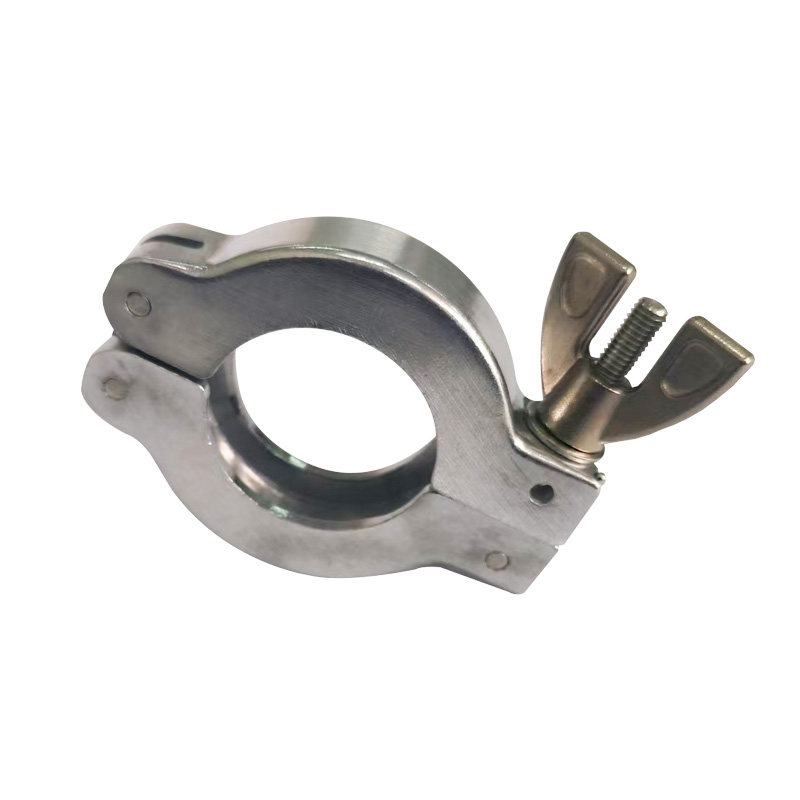
Review the design and interfaces
Separate functional features from noncritical surfaces. Identify thin sections, holes and threads that need additional processing. Ask suppliers to compare feasible routes against the same finished drawing and delivery condition.
Compare the purchasing options
Use this comparison when reviewing small mechanical parts against a controlled drawing and purchase specification.
| Purchasing approach | Main implication | What to resolve |
|---|---|---|
| Simple stock-machined part | Avoids casting tooling | May suit low recurring demand |
| Complex near-net casting | Can reduce removed material | Include tooling and finishing costs |
Select the manufacturing route
Coordinate the raw blank with final machining and assembly. Define locating features, stock and the functional datum system before the first sample is made. A convenient casting setup does not automatically align with the references needed by the completed component.
For a project involving small mechanical parts, compare the complete delivered condition before choosing a production route.
Inspection requirements for small mechanical parts
Review material evidence and completed dimensions for each route. For a cast option, define first-article requirements and any necessary examinations. Compare finished parts rather than a machined component from one supplier with a raw blank from another.
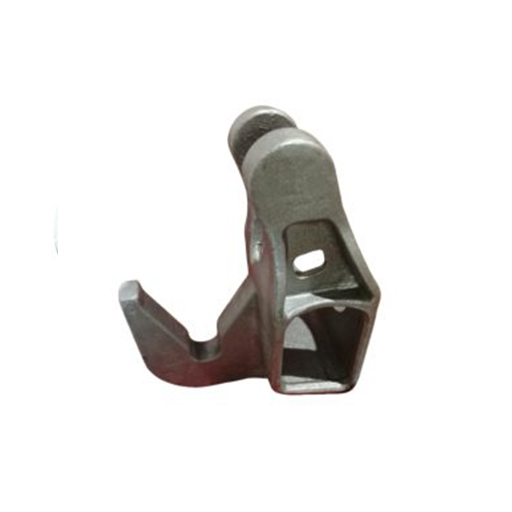
Apply the review to a practical case
A small bracket with several intersecting features may suit casting at recurring volume. A simple spacer ordered occasionally may have a different cost basis. Use the actual production plan to compare both.
Define a complete quotation scope
Provide a controlled model and drawing, material specification, quantities, critical interfaces and delivered condition. State machining, finishing and inspection requirements. Distinguish one-time tooling or fixtures from recurring charges and request a clear list of assumptions, exclusions and proposed alternatives.
When discussing small mechanical parts, separate requirements already approved by engineering from options still awaiting review.
For background reading, see SFSA steel casting technical resources. Use the applicable project specification and approved design for contractual requirements.
Discuss the component with Leierwo
Review Leierwo’s التصنيع الميكانيكي و خدمات التصنيع الآلي باستخدام الحاسب الآلي الرقمي pages, then send the controlled drawing, material and quantity for a component-specific discussion. Ask the quotation to state the manufacturing scope, inspection evidence and any proposed alternatives.
A request concerning small mechanical parts should lead to a part-specific quotation, with assumptions and deviations stated in writing.
Frequently asked questions
What is the main buying issue with small mechanical parts?
Small mechanical parts can be made by several routes, and size alone does not determine whether casting is economical. Geometry, batch quantity, material and finishing requirements matter.
Which design details should be included?
Separate functional features from noncritical surfaces. Identify thin sections, holes and threads that need additional processing.
What should inspection cover when evaluating small mechanical parts?
Review material evidence and completed dimensions for each route. For a cast option, define first-article requirements and any necessary examinations.
How should the purchasing options be compared?
Compare “Simple stock-machined part” and “Complex near-net casting” against the same finished-part requirements. Key review points are “may suit low recurring demand” and “include tooling and finishing costs”, respectively.
What should an inquiry about small mechanical parts include?
Provide the controlled model, drawing revision, material, quantities, critical fits, final finish and the expected inspection package.
فئات المنتجات
- أجزاء الصمامات
- أجزاء مضخة المياه
- أجزاء صندوق المحمل
- أجزاء الصب بالقالب
- منتجات مضخات الفولاذ المقاوم للصدأ
- منتجات مضخات الحديد الزهر
- قطع غيار الصمامات لاستخدام السيارات
- قطع غيار السيارات
- أجزاء الصمامات للاستخدام المدني
- قطع غيار مضخة التفريغ KF

لنبدأ مشروعك القادم!
ابدأ مشروعك مع Leierwo
1. أرسل استفسارك
2. حساب التكلفة
3. بدء الإنتاج
4. ترتيب التسليم
الأسئلة الشائعة
نعم، لدينا خبرة واسعة في التجارة الدولية ويمكننا مساعدة العملاء في التخليص الجمركي للتصدير وترتيبات الشحن. نحن نقدم شروطًا تجارية مختلفة مثل FOB و CIF و DDP لتلبية الاحتياجات اللوجستية المختلفة، ونقبل طرق الدفع الدولية المختلفة، بما في ذلك T/T (التحويل البرقي) والتحويل البرقي وخطاب الاعتماد (L/C). يمكن مناقشة شروط الدفع مع فريق المبيعات لدينا.
من خلال الشراكة مع Leierwo، يمكنك الاستمتاع بأسعار تنافسية وجودة فائقة مقارنةً بالموردين الآخرين. بالإضافة إلى ذلك، نقدم حلاً شاملاً لتسليم الأجزاء الجاهزة، بما في ذلك التصنيع باستخدام الحاسب الآلي والمعالجة السطحية، مما يضمن عملية إنتاج سلسة.
لدينا معدات صب متقدمة وأنظمة صارمة لمراقبة الجودة. قدرتنا الإنتاجية الشهرية كبيرة، ويمكننا تصنيع المنتجات بناءً على الرسومات أو العينات المقدمة من العملاء. نحن نقبل كلاً من الطلبات التجريبية الصغيرة والإنتاج على نطاق واسع.
تتوافق منتجاتنا مع المعايير الدولية مثل ASTM و AISI و DIN و JIS. ويمكننا تقديم تقارير اختبار المواد والشهادات ذات الصلة لضمان توافق جودة المنتج مع متطلبات العملاء.
نحن نتبع بدقة نظام إدارة الجودة ISO 9001 ونجري عمليات فحص متعددة في جميع مراحل عملية الإنتاج، بما في ذلك التحليل الطيفي، واختبار الأشعة السينية، والاختبار بالموجات فوق الصوتية، وقياسات الأبعاد. تضمن تدابير مراقبة الجودة هذه أن مصبوباتنا تلبي أعلى المعايير.
يعتمد موك لدينا على نوع المنتج ومدى تعقيده، ومع ذلك، نحن مرنون ومنفتحون لمناقشة احتياجاتك الخاصة.
تتراوح مهلة الإنتاج القياسية لدينا من 4 إلى 6 أسابيع، حسب كمية الطلب وتعقيد المنتج. نسعى جاهدين لتقصير أوقات التسليم لتلبية طلبات العملاء.
نعم، يمكننا تقديم عينات لفحص الجودة. يمكن التفاوض بشأن تكاليف العينات ورسوم الشحن، ويمكن استرداد رسوم العينات عند تقديم طلب رسمي.
 Arabic
 English
 Spanish
 Malay
 German