
Investment-Casting-Kosten erklärt: 6 wichtige Erkenntnisse
Willkommen auf meinem Blog!
Ich freue mich sehr, dass du hier bist! Bevor wir uns in die Inhalte vertiefen, würde ich mich freuen, wenn du mir auf meinen Social-Media-Plattformen folgst. Dort teile ich zusätzliche Einblicke, vernetze mich mit unserer großartigen Community und halte dich über die neuesten Nachrichten auf dem Laufenden. So bleibst du in Verbindung:
📘 Facebook: Shanghai Leierwo Industriehandel Co., Ltd.
Lassen Sie uns gemeinsam auf diese Reise gehen! Ich hoffe, Sie finden die Inhalte hier nicht nur aufschlussreich, sondern auch inspirierend und wertvoll. Los geht‘s!
Inhaltsverzeichnis
Einführung
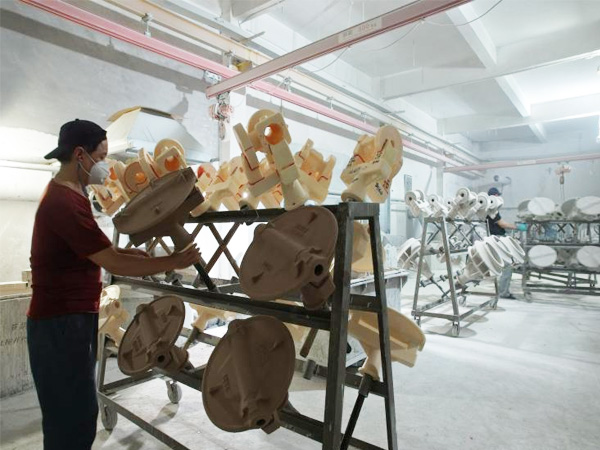
Feinguss, „oder Wachsausschmelzguss ist ein hochpräzises Herstellungsverfahren, das häufig in Branchen wie Luft- und Raumfahrt, Automobil, medizinischen Geräten und Verteidigung eingesetzt wird. Es ermöglicht die Herstellung komplexer Metallteile mit engen Toleranzen, glatten Oberflächen und komplizierten Geometrien. Trotz seiner Vorteile ist das Verständnis und die Kontrolle eines der kritischsten Anliegen der Hersteller Investitionskosten.
Die Kosten für Feinguss können je nach mehreren Faktoren stark variieren, darunter:
- Materialtyp und Legierungsgrad
- Teilkomplexität und Designmerkmale
- Chargengröße und Produktionsvolumen
- Arbeits - und Betriebseffizienz
- Nachbearbeitungsanforderungen
- Qualitätskontrolle und Fehlerquoten
Die Vernachlässigung dieser Kostentreiber kann zu überhöhten Produktionskosten, Ineffizienzen und einer geringeren Rentabilität führen. Dieser Artikel untersucht sechs wichtige Erkenntnisse zu den Kosten für Feinguss und bietet praktische Leitlinien für die Kostenoptimierung bei gleichzeitiger Aufrechterhaltung der Produktqualität.
Erkenntnis 1: Materialauswahl und ihre Auswirkungen auf Investitionskosten
Warum Material wichtig ist
Die Materialwahl ist ein grundlegender Faktor bei den Investitionsgusskosten. Hochleistungslegierungen wie Titan, Edelstahl 17-4 PH oder Superlegierungen auf Nickelbasis sind deutlich teurer als Aluminium- oder kohlenstoffarme Stähle. Das Material beeinflusst nicht nur die Rohkosten, sondern beeinflusst auch nachgelagerte Prozesse wie Bearbeitung, Wärmebehandlung und Inspektion.
Zu den wichtigsten Überlegungen gehören:
- Rohstoffpreis pro Kilogramm: Beispielsweise kann Edelstahl 1 TP4T3 1 TP4T5/kg, Titan $25 21 TIP4T40/kg und Superlegierungen bis zu 1 TP4T100/kg kosten.
- Verfügbarkeit und Beschaffung: Seltene Legierungen oder Speziallegierungen können lange Vorlaufzeiten haben, was die Lagerkosten erhöht.
- Prozessanforderungen: Bestimmte Legierungen erfordern Vorwärmen, inerte Atmosphären oder spezielle Gusstechniken, um Defekte zu vermeiden.
Beispiel aus der Praxis
Ein europäischer Luft - und Raumfahrtlieferant, der Turbinenkomponenten herstellt, wechselte für Hochtemperaturleistung von Edelstahl 316 zu einer Superlegierung auf Nickelbasis, während die Materialkosten um 401TP3 T stiegen, optimierte Schalendesigns und reduzierte Nacharbeit den Schrott um 251TP3 T senkten und so die Gesamtkosten für den Feinguss ausgleichen konnten.
Bewährte Methoden
- Führen Sie eine Kosten-Nutzen-Analyse unter Berücksichtigung der Materialleistung vs. Preis durch.
- Wählen Sie bei nicht kritischen Teilen kostengünstige Legierungen, die den mechanischen Anforderungen entsprechen.
- Quellenmaterialien in loser Schüttung für langfristige Projekte zur Senkung der Materialkosten pro Einheit.
Erkenntnis 2: Teilkomplexität und Designeinfluss
Wie Komplexität die Kosten in die Höhe treibt
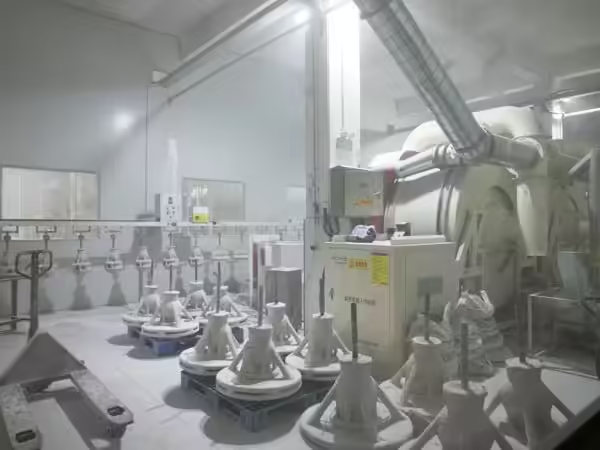
Komplexe Geometrien erhöhen die Vorbereitungszeit für Wachsmuster, die Arbeit bei der Schalenschicht und das Risiko von Defekten. Merkmale wie tiefe Hohlräume, dünne Wände, Hinterschnitte oder Gitterstrukturen erfordern spezielle Werkzeuge und längere Produktionszyklen.
Komplexe Teile erfordern möglicherweise auch eine erweiterte Simulation, um Schrumpfung, Materialfluss und Porosität vorherzusagen, was die technischen Kosten erhöht.
Strategien zur Kostenoptimierung
- Vereinfachen Sie Designs, ohne die Funktionalität zu beeinträchtigen.
- Minimieren Sie Unterschneidungen und komplizierte Funktionen, wenn dies möglich ist.
- Nutzen Sie CAD und Finite-Elemente-Analyse (FEA), um das Formdesign zu optimieren.
- Gruppieren Sie ähnliche Teile, um die Form- und Schalenproduktion zu rationalisieren.
Fallstudie
Ein Hersteller von Automobilkomponenten hat eine Aufhängungshalterung neu gestaltet, um Dünnwandabschnitte und Hinterschneidungen zu reduzieren. Die Wachseinspritzzeit verkürzte sich um 201 TP3 T, die Ausschussrate sank um 181 TP3 T und die Gesamtkosten für Feinguss sanken um 151 TP3 T.
Einblick 3: Auswirkungen auf Produktionsvolumen und Chargengröße
Skaleneffekte
Feinguss Empfindlich auf das Produktionsvolumen reagiert Kleine Chargenläufe haben aufgrund umfangreicher Einrichtung, Formvorbereitung und Arbeitsaufwand oft höhere Kosten pro Einheit Größere Chargen verteilen die Fixkosten auf mehr Teile, wodurch die Kosten für Feinguss pro Einheit gesenkt werden.
Kostenvergleichstabelle
| Faktor | Kleine Charge | Große Charge | Anmerkungen |
|---|---|---|---|
| Wachsmustervorbereitung | $50/Muster | $25/Muster | Die Injektion von Massenmustern reduziert die Arbeit |
| Keramikmuschelgebäude | $120/teil | $70/teil | Arbeits - und Werkstoffoptimierung in großen Chargen |
| Schmelzen und Gießen | $40/teil | $35/Teil | Geringfügige Einsparungen pro Einheit summieren sich im Volumen |
| Wärmebehandlung | $30/teil | $25/Teil | Ofen läuft effizienter für größere Chargen |
| Nachbearbeitung | $60/teil | $45/Teil | Die Bearbeitungs- und Polierkosten sinken in Chargen |
Key Takeaway: Eine größere Chargenproduktion nutzt Skaleneffekte, minimiert die Kosten pro Einheit und behält gleichzeitig die Qualität bei.
Beispiel
Ein Hersteller von Medizinprodukten, der orthopädische Implantate herstellt, reduzierte die Kosten für Feinguss pro Einheit um 221 TP3 T, indem er die Chargengröße von 50 auf 500 Teile erhöhte und gleichzeitig eine automatisierte Wachsinjektion implementierte.
Erkenntnis 4: Arbeit und betriebliche Effizienz
Arbeitskostentreiber
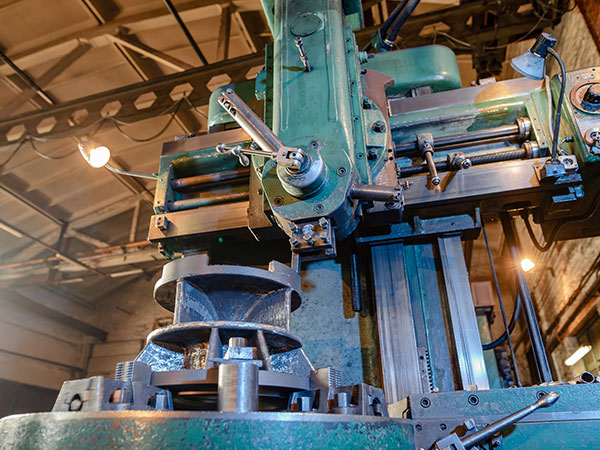
Arbeit ist ein erheblicher Teil der Investitionsgusskosten, insbesondere bei manueller Wachsinjektion, Schalenbau und Endbearbeitungsvorgängen. Fachkundige Bediener sind für die Präzision unerlässlich, aber Ineffizienzen oder Fehler erhöhen die Kosten.
Wichtigste arbeitsbezogene Überlegungen:
- Einspritz- und Endbearbeitungszeit des Wachsmusters
- Schalenschichtungs-, Trocknungs- und Brennprozesse
- Gießhandhabung und Teilegewinnung
- Bearbeitung, Polieren und Inspektion
Optimierungsstrategien
- Einführung halbautomatischer oder vollautomatischer Wachseinspritz- und Schalenbeschichtungssysteme.
- Zugübergreifende Bediener zur Abwicklung mehrerer Stufen.
- Wenden Sie Lean-Manufacturing-Prinzipien an, um Zykluszeiten und Abfall zu reduzieren.
Anwendung in der Praxis
Eine europäische Luft- und Raumfahrtgießerei implementierte halbautomatische Schalentauch- und Trocknungssysteme, wodurch die Arbeitskosten um 251 TP3 T gesenkt und Gussfehler um 181 TP3 T verringert wurden, wodurch die Gesamtkosten für Feinguss effektiv gesenkt wurden.
Einblick 5: Nachbearbeitung und Oberflächenveredelung
Bedeutung der Nachbearbeitung
Nachbearbeitungsschritte können die Gesamtkosten für den Feinguss um 20 –401 TP3 T erhöhen. Diese Schritte gewährleisten Maßgenauigkeit, Oberflächenbeschaffenheit und mechanische Leistung.
Zu den wichtigsten Prozessen gehören:
- Wärmebehandlung für mechanische Eigenschaften
- CNC-Bearbeitung für enge Toleranzen
- Schleifen, Polieren und Oberflächenbeschichten
- Zerstörungsfreie Prüfung (NDT) für kritische Bauteile
Kostensenkungsmaßnahmen
- Optimieren Sie die Gusstoleranzen, um das Bearbeitungsvolumen zu reduzieren.
- Chargen Sie ähnliche Teile zur Wärmebehandlung, um die Ofeneffizienz zu maximieren.
- Wenden Sie nahezu netzförmige Gussdesigns an, um die Nachbearbeitung zu minimieren.
Praktisches Beispiel
Ein Luft - und Raumfahrtlieferant übernahm netznahe Konstruktionen für Turbinenkomponenten Die Kosten für die Nachbearbeitung wurden um 301TP3 T gesenkt, was zu einem Nettorückgang der Kosten für Feinguss bei gleichzeitiger Einhaltung strenger Toleranzen führte.
Erkenntnis 6: Qualitätskontrolle und Fehlermanagement
Rolle der Qualität bei den Kosten
Defekte wie Porosität, Einschlüsse, Fehlläufe oder Verformungen erhöhen direkt die Kosten für Schrott, Nacharbeit und Arbeit. Eine proaktive Qualitätskontrolle reduziert den Abfall und sorgt für eine gleichmäßige Produktion.
Bewährte Methoden
- Implementieren Sie Röntgen-, Ultraschall- oder CT-Scans für kritische Komponenten.
- Verwenden Sie beim Rohbau und Gießen eine statistische Prozesssteuerung (SPC).
- Überwachen Sie die Ofentemperaturen, Ausgießraten und den Feuchtigkeitsgehalt der Schale.
Realweltfall
Ein Präzisions-Feingusslieferant in Deutschland führte Inline-Röntgeninspektionen und Fehlerverfolgung durch. Die Schrottraten sanken von 121 TP3 T auf 41 TP3 T, wodurch unnötige Nacharbeiten erheblich reduziert und die Kosten für Feinguss gesenkt wurden.
Abschluss
Verwaltend Investitionskosten Benötigt effektiv einen umfassenden Ansatz:
- Wählen Sie geeignete Materialien aus, um Leistung und Kosten auszugleichen.
- Vereinfachen Sie Designs, um die Komplexität zu reduzieren, ohne die Funktion zu beeinträchtigen.
- Optimieren Sie die Chargengröße, um Skaleneffekte zu erzielen.
- Verbessern Sie die Arbeitseffizienz und denken Sie über Automatisierung nach.
- Minimieren Sie die Nachbearbeitung durch netznahe Designs.
- Führen Sie eine strenge Qualitätskontrolle durch, um Mängel und Abfall zu reduzieren.
Die Übernahme dieser Strategien gewährleistet eine qualitativ hochwertige und kostengünstige Gießproduktion, die es den Herstellern ermöglicht, ihre Rentabilität aufrechtzuerhalten und gleichzeitig strenge Industriestandards einzuhalten.
Benötigen Sie fachkundigen Rat zur Steuerung Ihrer Investitionskosten? Kontaktieren Sie noch heute unsere Ingenieure für eine Beratung zu Design, Materialien und Prozessoptimierung, um kosteneffiziente, hochpräzise Gussteile zu erzielen.
Häufig gestellte Fragen
Welche Faktoren am meisten beeinflussen Feinguss Kosten?
Materialauswahl, Teilekomplexität, Chargengröße, Arbeitsaufwand, Nachbearbeitung und Qualitätskontrolle.
Können kleinere Chargen die Kosten erhöhen?
Ja, denn Aufbau, Arbeit und Formvorbereitung verteilen sich auf weniger Einheiten.
Wie wirkt sich Design auf die Kosten aus?
Durch die Vereinfachung der Geometrie werden Wachs, Rohbauvorbereitungszeit und Schrott reduziert, wodurch die Gesamtkosten gesenkt werden.
Lohnt sich die Investition in die Automatisierung?
Durch die Automatisierung bei der Wachsinjektion, Schalenbeschichtung und Trocknung können Arbeitskosten und Defekte gesenkt und so langfristig Geld gespart werden.
Welche Nachbearbeitungsschritte sind am teuersten?
Wärmebehandlung, Bearbeitung, Polieren und Beschichten können die Gesamtkosten um 20 Minuten erhöhen, wenn sie nicht optimiert werden.
Produktkategorien
- Ventilteile
- Wasserpumpenteile
- Lagergehäuseteile
- Druckgussteile
- Pumpenprodukte aus Edelstahl
- Pumpenprodukte aus Gusseisen
- Ventilteile für den Automobilgebrauch
- Autoteile
- Ventilteile für den zivilen Gebrauch
- Vakuumpumpenteile KF

 German
  English
  Spanish
  Arabic
  Malay
Malay