
Food Grade Stainless Steel: Specifying Cast Contact Parts
Inhaltsverzeichnis
For buyers reviewing food grade stainless steel, a useful specification connects the service, the approved drawing and the delivered component. This guide examines the purchasing question “Specifying Cast Contact Parts”. Use it to organize the supplier discussion before approving material, tooling or production.
Key purchasing decisions for food grade stainless steel
Food grade stainless steel describes suitability for a defined food contact application, not a universal alloy certificate. A cast pump cover must meet the buyer’s material, surface, cleanability and traceability requirements together. Selecting a familiar grade does not resolve crevices, retained polishing compound or incompatible cleaning chemicals.
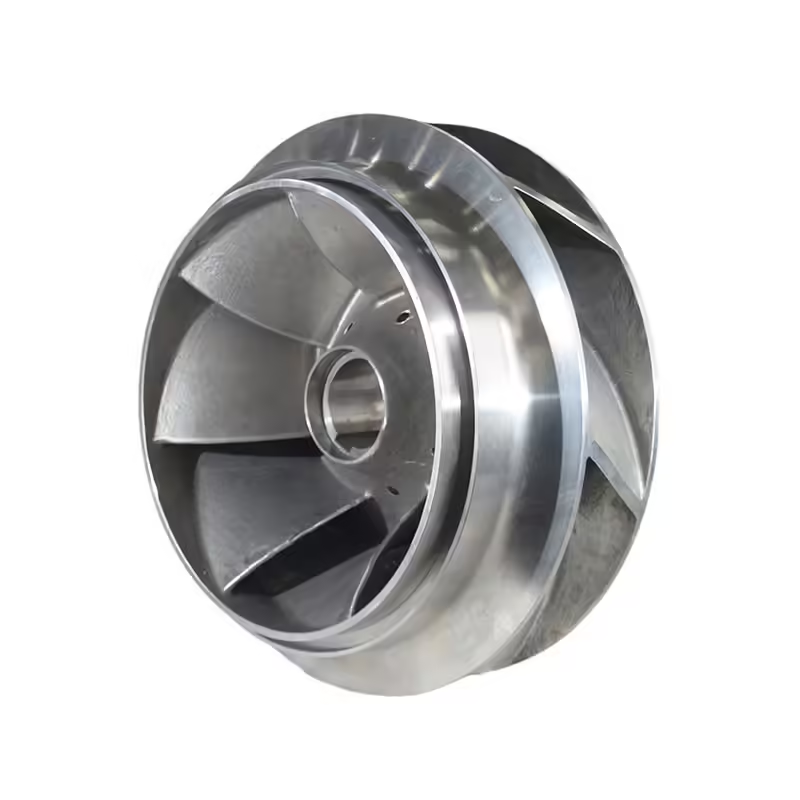
Review the design and interfaces
Identify every wetted surface on the drawing, including blind recesses and gasket grooves. State the product, cleaning chemistry, cleaning temperature and finish acceptance method. Ask whether final machining or polishing will expose cavities that could retain product.
Compare the purchasing options
Use this comparison when reviewing food grade stainless steel against a controlled drawing and purchase specification.
| Purchasing approach | Main implication | What to resolve |
|---|---|---|
| Grade name alone | Incomplete specification | Add contact and cleaning requirements |
| Grade plus finished-surface criteria | Auditable purchase | Verify the actual delivered condition |
Select the manufacturing route
Review the alloy and manufacturing route together. A shape that is simple to machine from stock may not justify new casting tooling at low volume. A more complex recurring component may justify a cast blank, provided the material, finishing and qualification requirements remain controlled.
For a project involving food grade stainless steel, compare the complete delivered condition before choosing a production route.
Inspection requirements for food grade stainless steel
Agree a surface inspection route after final finishing. Match the heat certificate to the part lot and examine accessible contact surfaces under the agreed lighting. Where a hygienic system has a required qualification, confirm who supplies that evidence.
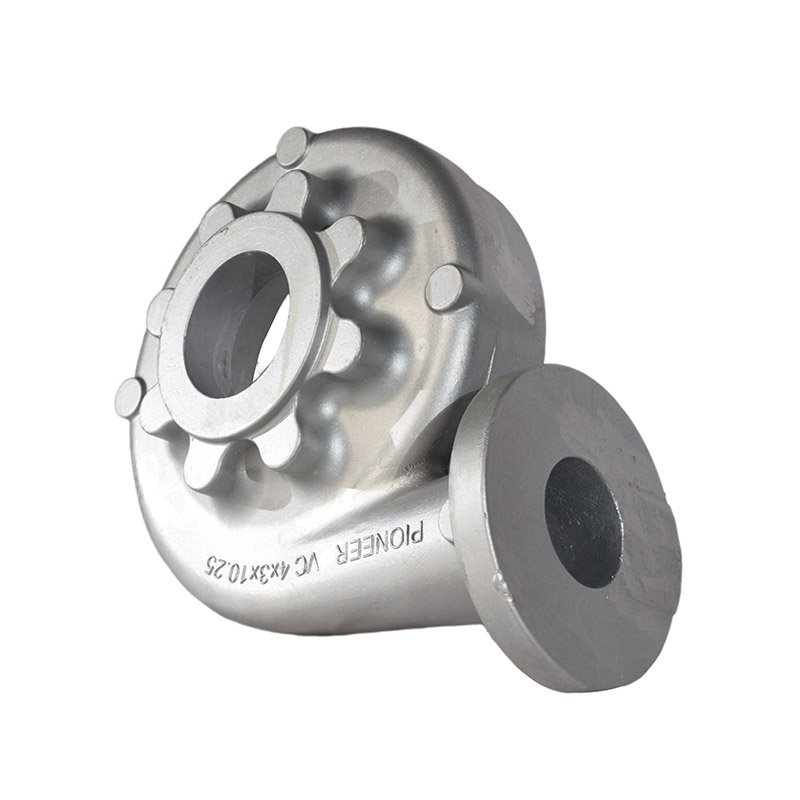
Apply the review to a practical case
A food processor replacing a pump cover should compare its original contact geometry with the proposed casting. A cheaper rough casting may need more finishing and cleaning validation before it can replace the approved component.
Define a complete quotation scope
Include the exact material specification, drawing revision, quantities, delivered condition and the surfaces requiring machining or finishing. Describe the normal environment and cleaning exposure. Ask each bidder to list alternatives and exclusions so the offers can be compared on a consistent basis.
When discussing food grade stainless steel, separate requirements already approved by engineering from options still awaiting review.
For background reading, see worldstainless food and beverage resources. Use the applicable project specification and approved design for contractual requirements.
Discuss the component with Leierwo
Review Leierwo’s Edelstahlgussteile Und Feinguss pages, then send the controlled drawing, material and quantity for a component-specific discussion. Ask the quotation to state the manufacturing scope, inspection evidence and any proposed alternatives.
A request concerning food grade stainless steel should lead to a part-specific quotation, with assumptions and deviations stated in writing.
Frequently asked questions
What is the main buying issue with food grade stainless steel?
Food grade stainless steel describes suitability for a defined food contact application, not a universal alloy certificate. A cast pump cover must meet the buyer's material, surface, cleanability and traceability requirements together.
Which design details should be included?
Identify every wetted surface on the drawing, including blind recesses and gasket grooves. State the product, cleaning chemistry, cleaning temperature and finish acceptance method.
What should inspection cover when evaluating food grade stainless steel?
Agree a surface inspection route after final finishing. Match the heat certificate to the part lot and examine accessible contact surfaces under the agreed lighting.
How should the purchasing options be compared?
Compare “Grade name alone” and “Grade plus finished-surface criteria” against the same finished-part requirements. Key review points are “add contact and cleaning requirements” and “verify the actual delivered condition”, respectively.
What should an inquiry about food grade stainless steel include?
Provide the approved material callout, model and drawing, service conditions, quantities, required finish and inspection scope.
Produktkategorien
- Ventilteile
- Wasserpumpenteile
- Lagergehäuseteile
- Druckgussteile
- Pumpenprodukte aus Edelstahl
- Pumpenprodukte aus Gusseisen
- Ventilteile für den Automobilgebrauch
- Autoteile
- Ventilteile für den zivilen Gebrauch
- Vakuumpumpenteile KF

Lassen Sie uns Ihr nächstes Projekt starten!
Starten Sie Ihr Projekt mit Leierwo
1. Senden Sie Ihre Anfrage
2. Kostenkalkulation
3. Produktion starten
4. Lieferung vereinbaren
Häufig gestellte Fragen
Ja, wir verfügen über umfassende Erfahrung im internationalen Handel und unterstützen unsere Kunden gerne bei der Exportzollabfertigung und Versandabwicklung. Wir bieten verschiedene Handelsbedingungen wie FOB, CIF und DDP an, um unterschiedlichen Logistikanforderungen gerecht zu werden. Wir akzeptieren verschiedene internationale Zahlungsmethoden, darunter T/T (Telegraphic Transfer), elektronische Überweisung und Akkreditiv (L/C). Die Zahlungsbedingungen können Sie mit unserem Vertriebsteam besprechen.
Durch die Partnerschaft mit Leierwo profitieren Sie von wettbewerbsfähigen Preisen und überlegener Qualität im Vergleich zu anderen Anbietern. Darüber hinaus bieten wir eine Komplettlösung für die Lieferung fertiger Teile, einschließlich CNC-Bearbeitung und Oberflächenbehandlung, und gewährleisten so einen reibungslosen Produktionsprozess.
Wir verfügen über moderne Gussanlagen und strenge Qualitätskontrollsysteme. Unsere monatliche Produktionskapazität ist beträchtlich und wir können Produkte nach Kundenzeichnungen oder Mustern fertigen. Wir akzeptieren sowohl kleine Probeaufträge als auch Großserienproduktionen.
Unsere Produkte entsprechen internationalen Normen wie ASTM, AISI, DIN und JIS. Wir stellen Materialprüfberichte und entsprechende Zertifizierungen bereit, um sicherzustellen, dass die Produktqualität den Kundenanforderungen entspricht.
Wir befolgen strikt das Qualitätsmanagementsystem ISO 9001 und führen während des gesamten Produktionsprozesses zahlreiche Prüfungen durch, darunter spektrografische Analysen, Röntgenprüfungen, Ultraschallprüfungen und Maßmessungen. Diese Qualitätskontrollmaßnahmen garantieren, dass unsere Gussteile den höchsten Standards entsprechen.
Unsere Mindestbestellmenge hängt von der Art und Komplexität des Produkts ab. Wir sind jedoch flexibel und offen für die Besprechung Ihrer spezifischen Anforderungen.
Unsere Standardproduktionszeit beträgt 4–6 Wochen, abhängig von Bestellmenge und Produktkomplexität. Wir sind bestrebt, die Lieferzeiten zu verkürzen, um den Kundenanforderungen gerecht zu werden.
Ja, wir können Muster zur Qualitätsprüfung bereitstellen. Musterkosten und Versandkosten können ausgehandelt werden. Die Mustergebühren können bei einer formellen Bestellung erstattet werden.
 German
 English
 Spanish
 Arabic
 Malay