
Unterschied zwischen Gießen und Schmieden: Wichtige Erkenntnisse
Willkommen auf meinem Blog!
Ich freue mich sehr, dass du hier bist! Bevor wir uns in die Inhalte vertiefen, würde ich mich freuen, wenn du mir auf meinen Social-Media-Plattformen folgst. Dort teile ich zusätzliche Einblicke, vernetze mich mit unserer großartigen Community und halte dich über die neuesten Nachrichten auf dem Laufenden. So bleibst du in Verbindung:
📘 Facebook: Shanghai Leierwo Industriehandel Co., Ltd.
Lassen Sie uns gemeinsam auf diese Reise gehen! Ich hoffe, Sie finden die Inhalte hier nicht nur aufschlussreich, sondern auch inspirierend und wertvoll. Los geht‘s!
Inhaltsverzeichnis
Schlüssel zum Mitnehmen dieses Blogs
- Verstehen Sie die Unterschied zwischen Guss und Schmieden In der modernen Fertigung
- Mechanische Eigenschaften, metallurgische Konzepte und Materialleistung
- Vorteile, Einschränkungen, Kosten und industrielle Anwendungen beider Prozesse
- Experteneinblicke, technische Standards und reale Daten
- Eine detaillierte Vergleichstabelle für die praktische Entscheidungsfindung
- FAQ zur Bearbeitung gängiger Google-Such- und Konversationsanfragen
Einführung
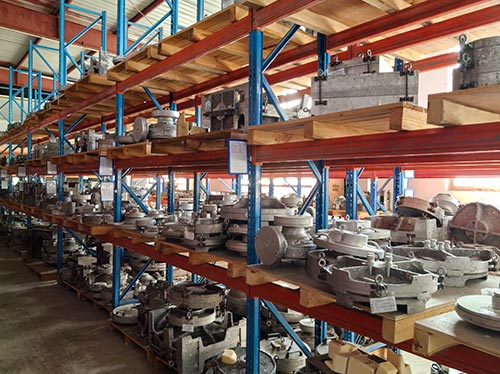
Die Wahl des richtigen Herstellungsprozesses kann die Leistung eines Produkts beeinträchtigen oder beeinträchtigen Ingenieure, Designer und Beschaffungsteams fragen häufig: Was ist das Unterschied zwischen Guss und Schmieden, und welcher Prozess ist der richtige für meine Bewerbung?
Casting und Schmieden Zwei der ältesten und am weitesten verbreiteten Methoden zur Formung von Metallen sind, dennoch unterscheiden sich ihre Ergebnisse, Eigenschaften und Anwendungen erheblich. Eine einzige schlechte Wahl kann zu Materialversagen, höheren Kosten oder einer verkürzten Produktlebensdauer führen.
In diesem Artikel untersuchen wir beide Prozesse eingehend, bieten datengesteuerte Vergleiche, beziehen Expertenmeinungen ein und untersuchen Industriestandards, um Ihnen dabei zu helfen, fundierte Entscheidungen zu treffen.
Was ist Casting?
Das Gießen ist ein traditionelles Herstellungsverfahren, bei dem geschmolzenes Metall in eine Form gegossen und in eine bestimmte Form erstarren gelassen wird. Diese Methode wird seit Jahrhunderten zur Herstellung von Komponenten verwendet, die von einfachen Werkzeugen bis hin zu komplexen Industriemaschinen reichen. Das Gießen wird besonders wegen seiner Fähigkeit geschätzt, Teile mit komplizierten Geometrien herzustellen, die mit anderen Methoden nur schwer oder gar nicht hergestellt werden könnten.
Kernidee – Formbasierte Fertigung
Das Hauptprinzip hinter dem Gießen ist die formbasierte Formgebung Die Form bestimmt die endgültige Geometrie des Bauteils, wodurch Ingenieure komplizierte innere Hohlräume, dünne Wände oder dekorative Muster erzeugen können Im Gegensatz zu anderen Methoden ermöglicht das Gießen ein schnelles Prototyping neuer Designs, wodurch die Zeit zwischen Konzept und Produktion verkürzt wird. Für die mittlere bis große Produktion kann das Gießen hocheffizient sein, da mehrere Formen oder Kerne verwendet werden können, um konsistente Teile herzustellen.
Materielle Überlegungen zum Gießen
Das Gießen ist mit einer Vielzahl von Metallen kompatibel, darunter Stahl, Aluminium, Eisen und Bronze. Die mechanischen Eigenschaften von Gusskomponenten werden von mehreren Faktoren beeinflusst: der Abkühlgeschwindigkeit, der Art des Formmaterials und der spezifischen Legierungszusammensetzung. Beispielsweise kann eine langsamere Kühlung die Duktilität erhöhen, aber möglicherweise die Gesamtfestigkeit verringern, während eine schnellere Kühlung härtere und sprödere Teile erzeugt.
Trotz seiner Vielseitigkeit hat das Gießen potenzielle Probleme wie Porosität, Schrumpfung und Einschlüsse. Diese Defekte können das Material schwächen und die Leistung beeinträchtigen. Deshalb sind Qualitätskontrollmaßnahmen wie Röntgeninspektion, Ultraschallprüfung und sorgfältiges Formdesign unerlässlich.
Anwendungen des Gießens
Gießen wird häufig für Teile verwendet, die benötigt werden Komplexe Formen Anstelle extremer Festigkeit Häufige Anwendungen sind Motorblöcke, Pumpengehäuse, Ventile und künstlerische Skulpturen In vielen Fällen werden Gussteile einer Sekundärbearbeitung unterzogen, um präzise Abmessungen zu erzielen, insbesondere wenn sie in Maschinen oder Automobilkomponenten verwendet werden.
Was ist Schmieden?
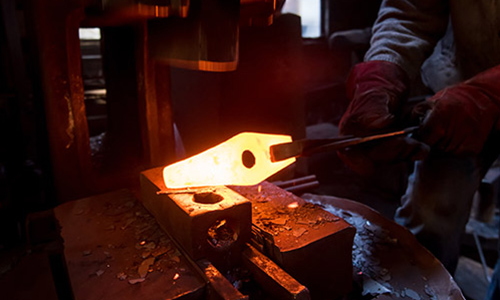
Schmieden ist ein Verfahren, bei dem Metall durch Anwendung von Druckkräften geformt wird, typischerweise unter Verwendung von Hämmern, Pressen oder Matrizen. Im Gegensatz zum Gießen beruht Schmieden auf Mechanische Verformung Anstatt geschmolzenes Metall in eine Form zu gießen Dieser Ansatz führt zu Komponenten mit einer raffinierten Kornstruktur, die die mechanischen Eigenschaften verbessert und die Wahrscheinlichkeit innerer Defekte verringert.
Kernidee – Verformungsbasierte Stärke
Das Wesentliche beim Schmieden ist die Verbesserung der inneren Struktur des Metalls durch kontrollierte Verformung Wenn Metall geschmiedet wird, richten sich die Körner in Richtung der aufgebrachten Kraft aus, was die Zugfestigkeit, Ermüdungsbeständigkeit und Zähigkeit erhöht. Diese Ausrichtung reduziert auch Hohlräume, Einschlüsse und andere mikrostrukturelle Defekte, die in Gussmetallen auftreten können, wodurch geschmiedete Komponenten ideal für Anwendungen mit hoher Spannung sind.
Schmiedetechniken
Beim Schmieden gibt es mehrere Techniken, die jeweils für unterschiedliche Anwendungen geeignet sind:
- Freiformschmieden: Bei dieser Methode wird Metall zwischen flachen oder einfach geformten Matrizen geformt. Es eignet sich ideal für große, maßgeschneiderte Teile wie Wellen oder Strukturträger.
- Geschlossenes Schmieden: Metall wird in präzise bearbeiteten Matrizen komprimiert, wodurch wiederholbare Formen mit hoher Maßgenauigkeit entstehen Diese Technik ist in Automobil- und Luft- und Raumfahrtkomponenten üblich.
- Walzenschmieden: Metall strömt durch Walzwerkzeuge, um den Querschnitt oder das längliche Material zu reduzieren. Dieser Prozess ist effizient zur Herstellung von Stäben, Stäben und länglichen Komponenten mit gleichmäßigen Eigenschaften.
Anwendungen des Schmiedens
Schmieden wird häufig für Komponenten verwendet, die schweren Belastungen, hohen Belastungen oder wiederholten Zyklen standhalten müssen. Beispiele hierfür sind Kurbelwellen, Pleuelstangen, Zahnräder, Turbinenwellen und Fahrwerkskomponenten in der Luft- und Raumfahrt. Bei diesen Anwendungen machen die verbesserten mechanischen Eigenschaften des Schmiedens es weitaus zuverlässiger als das Gießen.
Mechanische Eigenschaften: Gießen vs. Schmieden
Festigkeit und Haltbarkeit
Einer der bedeutendsten Unterschiede zwischen Gießen und Schmieden ist die mechanische Festigkeit Geschmiedete Bauteile weisen häufig auf Zugfestigkeit bis 20 – 501 TP3 T höher Als ihre Guss-Gegenstücke Dieser Vorteil ist auf den beim Schmieden erzielten gerichteten Kornfluss zurückzuführen, der auch die Beständigkeit gegen Ermüdung und mechanische Stöße verbessert Gussbauteile sind zwar für Anwendungen mit geringer bis mittlerer Belastung geeignet, neigen aber im Allgemeinen unter starker Belastung eher zum Sprödbruch.
Materialdichte und Mängel
Das Gießen kann zu Porosität oder mikroskopischen Einschlüssen führen, die die Dichte verringern und die mechanische Integrität beeinträchtigen können. Im Gegensatz dazu erzeugt das Schmieden dichtere und gleichmäßigere Materialien mit weniger inneren Hohlräumen. Eine Studie aus dem Jahr 2022, die in der veröffentlicht wurde Zeitschrift für Werkstofftechnik Das demonstrierte Geschmiedete Stahlgetriebe halten ca. 301TP3 T mehr Lastzyklen stand Als Gussgetriebe mit identischen Abmessungen, was die Zuverlässigkeit geschmiedeter Komponenten bei wiederholter Belastung unterstreicht.
Maßgenauigkeit
Auch die Maßhaltigkeit unterscheidet sich zwischen den beiden Verfahren. Gussteile erfordern häufig Sekundärbearbeitung Um präzise Toleranzen zu erreichen, da Schrumpfung und Formfehler die endgültige Geometrie verändern können Geschmiedete Teile, insbesondere solche, die mit geschlossenen Gesenktechniken hergestellt werden, weisen eine hervorragende Maßkonsistenz auf und erfordern oft weniger Nachbearbeitung. Dieser Vorteil ist besonders wertvoll in hochpräzisen Industrien wie der Luft- und Raumfahrtindustrie und der Automobilherstellung.
Oberflächenveredelung und Nachbearbeitung
Während das Gießen komplexe Formen ermöglicht, ist die Oberflächenbeschaffenheit typischerweise rauer und erfordert Polieren, Bearbeiten oder Beschichten. Das Schmieden führt aufgrund des Düsenkontakts und der Kompression normalerweise zu glatteren Oberflächen, obwohl für präzise Merkmale möglicherweise noch zusätzliche Bearbeitungen erforderlich sind.
Überlegungen zu Kosten, Effizienz und Produktion
Besetzung
- Geringere anfängliche Werkzeugkosten für komplexe Teile
- Schnellere Vorlaufzeit für Prototypen
- Die Materialausnutzung ist bei hohlen oder komplizierten Bauteilen effizient
Schmieden
- Höhere Anfangswerkzeug- und Matrizenkosten
- Niedrigere Stückkosten für hochvolumige, hochfeste Teile
- Längerer Aufbau, aber überlegene Leistung für kritische mechanische Anwendungen
Umweltaspekte
- Gießen kann erforderlich sein Mehr Energie zum Schmelzen und Formenbau
- Schmieden verbraucht hauptsächlich Energie Mechanische Verformung, oft nachhaltiger für langlebige, hochfeste Teile
Vergleichstabelle: Gießen vs Schmieden
| Besonderheit | Besetzung | Schmieden |
|---|---|---|
| Verfahren | Geschmolzenes Metall in Form gegossen | Metall unter Druckkraft geformt |
| Stärke | Mäßig | Hoch |
| Ermüdungsresistenz | Untere | Höher (20 – 201 TP3 T-Verbesserung) |
| Materialdichte | Porosität möglich | Einheitlich, dicht |
| Formkomplexität | Exzellent | Begrenzt auf die Kapazität |
| Maßgenauigkeit | Mäßig | Hoch |
| Kosten | Geringere Werkzeugkosten, schnellere Prototypen | Höhere Anfangskosten, geringere Teilkosten für das Volumen |
| Typische Anwendungen | Motorblöcke, Gehäuse, Dekorteile | Kurbelwellen, Zahnräder, Pleuel, Wellen |
| Energienutzung | Hoch zum Schmelzen | Mäßig für Verformung |
| Nachhaltigkeit | Hängt vom Formmaterial ab | Oft besser für langlebige, hochbelastete Teile |
Vorteile des Castings
Designflexibilität
Gießen ermöglicht Komplizierte Formen, interne Kanäle und dünne Wände Das Schmieden kann nicht ohne weiteres gelingen.
Kosteneffizienz für komplexe Teile
Niedrigere Werkzeugkosten machen das Gießen attraktiv für Produktion mit geringem bis mittlerem Volumen.
Schnelles Prototyping
Das Gießen unterstützt die Entwicklung im Frühstadium und ermöglicht eine schnellere Iteration, bevor in Schmiedegesenke investiert wird.
Vorteile des Schmiedens
Überlegene mechanische Eigenschaften
- Geschmiedete Bauteile Griff Dynamische Belastungen, Stöße und Ermüdung Effektiver
- Die Ausrichtung der Kornstruktur verbessert sich Zähigkeit und Zuverlässigkeit
Reduzierte Mängel
Weniger Hohlräume und Einschlüsse führen zu Längerlebige Teile In kritischen Anwendungen
Branchenbefürwortung
- Entsprechend ASM International, In Fig. werden Schmiedeteile bevorzugt Luft- und Raumfahrt, Automobil und Hochspannungsindustrieausrüstung Aufgrund höherer Leistung unter Betriebsbelastung
Beschränkung
Besetzung
- Potential Porositäts - oder Schrumpfungsfehler
- Geringere mechanische Festigkeit für Hochlastkomponenten
- Für die Präzision kann eine Sekundärbearbeitung erforderlich sein
Schmieden
- Begrenzte geometrische Komplexität
- Hohe anfängliche Werkzeugkosten
- Nicht ideal für hohle oder extrem komplizierte Komponenten
Anwendungen basierend auf dem Unterschied zwischen Gießen und Schmieden
Verständnis der Unterschied zwischen Guss und Schmieden Wesentlich ist bei der Auswahl von Materialien und Prozessen für spezifische industrielle Anwendungen Jede Methode bietet einzigartige Vorteile, und die Wahl der richtigen gewährleistet Haltbarkeit, Leistung und Wirtschaftlichkeit.
Automobilindustrie
Im Automobilbereich hängt die Wahl zwischen Gießen und Schmieden maßgeblich davon ab Mechanischer Bedarf und Produktionsvolumen.
- Schmieden: Hochspannungskomponenten wie Kurbelwellen, Zahnräder und Pleuel werden typischerweise geschmiedet. Diese Teile müssen wiederholten zyklischen Belastungen und Stößen standhalten, und das Schmieden bietet unter diesen Bedingungen eine überlegene Zugfestigkeit, Ermüdungsbeständigkeit und Zuverlässigkeit. Beispielsweise können Kurbelwellen aus geschmiedetem Stahl bis zu 30% höhere Lastzyklen Gussäquivalente verglichen.
- Gießen: Motorblöcke, Zylinderköpfe und Gehäuse werden häufig gegossen. Das Gießen ermöglicht Komplexe Geometrien, integrierte Kühlkanäle und leichte Designs, (was mit dem Schmieden schwierig oder kostspielig zu erreichen wäre Außerdem ermöglicht das Gießen eine effiziente Produktion von Teilen mit mittlerem bis hohem Volumen bei gleichbleibender Formgenauigkeit.
Luft- und Raumfahrtindustrie
Luft- und Raumfahrtkomponenten arbeiten häufig unter extremen Belastungen und sicherheitskritischen Bedingungen, weshalb die Prozessauswahl von entscheidender Bedeutung ist.
- Schmieden: Fahrwerke, Turbinenwellen und andere hochspannende Strukturteile werden aufgrund der Verbesserungsfähigkeit des Verfahrens geschmiedet Kornfluss und mechanische Ausrichtung, was die Zähigkeit und Ermüdungsbeständigkeit erhöht Geschmiedete Luft- und Raumfahrtkomponenten können damit umgehen Höhere Beanspruchung und dynamische Belastungen, Gewährleistung von Sicherheit und Langlebigkeit.
- Gießen: Turbinengehäuse, Halterungen und bestimmte Gehäuse werden typischerweise gegossen, je nachdem, was der Prozess zulässt Komplexe innere Merkmale und leichte Strukturen, die schwer zu schmieden wären Insbesondere Feinguss wird häufig zur Herstellung hochpräziser Luft- und Raumfahrtteile mit komplizierten Designs eingesetzt.
Industriemaschinen
Schwere Maschinen sind auf Komponenten angewiesen, die dies können Halten Sie anhaltenden Belastungen, Vibrationen und Verschleiß stand.
- Schmieden: Wellen, Pressen und Schwerlastgetriebe werden üblicherweise geschmiedet. Das Schmieden verbessert sich Dichte und Gleichmäßigkeit, die Verringerung des Risikos eines mechanischen Versagens und die Verlängerung der Lebensdauer bei anspruchsvollen industriellen Anwendungen So können beispielsweise geschmiedete Stahlwellen in Pressen Millionen von Betriebszyklen ohne nennenswerte Verformung überstehen.
- Gießen: Oft werden Pumpengehäuse, Ventilkörper, Rahmen mit komplexen Formen gegossen Gießen ermöglicht Kostengünstige Herstellung komplizierter Komponenten Das würde sonst eine umfangreiche Bearbeitung aus Vollblöcken erfordern Es ist besonders vorteilhaft für große, komplexe Baugruppen, bei denen Designflexibilität unerlässlich ist.
Neue Anwendungen und Trends
Moderne Industrien nutzen zunehmend hybride Ansätze, die Guss und Schmiedekunst kombinieren Leistung und Kosten optimieren. Zum Beispiel:
- Luft- und Raumfahrthalterungen können sein Für Formkomplexität gegossen Und dann Lokal geschmiedet Für kritische Tragflächen.
- Motorblöcke aus leichtem Aluminium für Kraftfahrzeuge können gegossen werden, während Pleuel und Zahnräder geschmiedet bleiben, um mechanische Belastungen zu bewältigen.
Diese Strategien spiegeln ein branchenweites Verständnis wider, das die Kenntnis der Unterschied zwischen Guss und Schmieden Ist nicht nur theoretisch, sondern wesentlich für das Erreichen Optimale mechanische Leistung, Zuverlässigkeit und Effizienz.
Abschluss
Verständnis der Unterschied zwischen Guss und Schmieden für Ingenieure, Hersteller und Käufer von entscheidender Bedeutung ist.
- Besetzung: Am besten für Komplexe Formen, geringe bis mittlere Belastung und schnelles Prototyping
- Schmieden: Am besten für Hochfeste, hochbelastete, ermüdungskritische Bauteile
Durch die Analyse von Materialeigenschaften, Produktionsvolumen, Kosten und Anwendungsanforderungen können Industrieteams den richtigen Prozess zur Maximierung auswählen Leistung, Zuverlässigkeit und Effizienz.
Häufig gestellte Fragen
Was ist stärker: Gießen oder Schmieden?
Schmieden Erzeugt stärkere, langlebigere Teile aufgrund des ausgerichteten Kornflusses und der geringeren Porosität.
Ist das Gießen besser für komplexe Formen?
Ja, das Gießen ermöglicht komplizierte Geometrien und Hohlstrukturen, die schwer oder gar nicht zu schmieden sind.
Welches Verfahren ist kostengünstiger?
Das Gießen hat geringere anfängliche Werkzeugkosten, aber das Schmieden ist für großvolumige Anwendungen mit hoher Festigkeit wirtschaftlicher.
Können geschmiedete Teile in kritischen Luft- und Raumfahrtkomponenten verwendet werden?
Absolut; Die Luft- und Raumfahrt ist stark auf Schmieden für Fahrwerke, Turbinenwellen und Hochlaststrukturen angewiesen.
Benötigt das Gießen eine Nachbearbeitung?
Oft, ja. Durch das Gießen können nahezu netzförmige Teile hergestellt werden, Präzisionsmerkmale erfordern jedoch normalerweise eine zusätzliche Bearbeitung.
Produktkategorien
- Ventilteile
- Wasserpumpenteile
- Lagergehäuseteile
- Druckgussteile
- Pumpenprodukte aus Edelstahl
- Pumpenprodukte aus Gusseisen
- Ventilteile für den Automobilgebrauch
- Autoteile
- Ventilteile für den zivilen Gebrauch
- Vakuumpumpenteile KF

Lassen Sie uns Ihr nächstes Projekt starten!
Starten Sie Ihr Projekt mit Leierwo
1. Senden Sie Ihre Anfrage
2. Kostenkalkulation
3. Produktion starten
4. Lieferung vereinbaren
Häufig gestellte Fragen
Ja, wir verfügen über umfassende Erfahrung im internationalen Handel und unterstützen unsere Kunden gerne bei der Exportzollabfertigung und Versandabwicklung. Wir bieten verschiedene Handelsbedingungen wie FOB, CIF und DDP an, um unterschiedlichen Logistikanforderungen gerecht zu werden. Wir akzeptieren verschiedene internationale Zahlungsmethoden, darunter T/T (Telegraphic Transfer), elektronische Überweisung und Akkreditiv (L/C). Die Zahlungsbedingungen können Sie mit unserem Vertriebsteam besprechen.
Durch die Partnerschaft mit Leierwo profitieren Sie von wettbewerbsfähigen Preisen und überlegener Qualität im Vergleich zu anderen Anbietern. Darüber hinaus bieten wir eine Komplettlösung für die Lieferung fertiger Teile, einschließlich CNC-Bearbeitung und Oberflächenbehandlung, und gewährleisten so einen reibungslosen Produktionsprozess.
Wir verfügen über moderne Gussanlagen und strenge Qualitätskontrollsysteme. Unsere monatliche Produktionskapazität ist beträchtlich und wir können Produkte nach Kundenzeichnungen oder Mustern fertigen. Wir akzeptieren sowohl kleine Probeaufträge als auch Großserienproduktionen.
Unsere Produkte entsprechen internationalen Normen wie ASTM, AISI, DIN und JIS. Wir stellen Materialprüfberichte und entsprechende Zertifizierungen bereit, um sicherzustellen, dass die Produktqualität den Kundenanforderungen entspricht.
Wir befolgen strikt das Qualitätsmanagementsystem ISO 9001 und führen während des gesamten Produktionsprozesses zahlreiche Prüfungen durch, darunter spektrografische Analysen, Röntgenprüfungen, Ultraschallprüfungen und Maßmessungen. Diese Qualitätskontrollmaßnahmen garantieren, dass unsere Gussteile den höchsten Standards entsprechen.
Unsere Mindestbestellmenge hängt von der Art und Komplexität des Produkts ab. Wir sind jedoch flexibel und offen für die Besprechung Ihrer spezifischen Anforderungen.
Unsere Standardproduktionszeit beträgt 4–6 Wochen, abhängig von Bestellmenge und Produktkomplexität. Wir sind bestrebt, die Lieferzeiten zu verkürzen, um den Kundenanforderungen gerecht zu werden.
Ja, wir können Muster zur Qualitätsprüfung bereitstellen. Musterkosten und Versandkosten können ausgehandelt werden. Die Mustergebühren können bei einer formellen Bestellung erstattet werden.
 German
  English
  Spanish
  Arabic
  Malay
Malay