
6 erstaunliche Schmiedetechniken zur Steigerung der Produktivität
Willkommen auf meinem Blog!
Ich freue mich sehr, dass du hier bist! Bevor wir uns in die Inhalte vertiefen, würde ich mich freuen, wenn du mir auf meinen Social-Media-Plattformen folgst. Dort teile ich zusätzliche Einblicke, vernetze mich mit unserer großartigen Community und halte dich über die neuesten Nachrichten auf dem Laufenden. So bleibst du in Verbindung:
📘 Facebook: Shanghai Leierwo Industriehandel Co., Ltd.
Lassen Sie uns gemeinsam auf diese Reise gehen! Ich hoffe, Sie finden die Inhalte hier nicht nur aufschlussreich, sondern auch inspirierend und wertvoll. Los geht‘s!
Inhaltsverzeichnis
Einführung
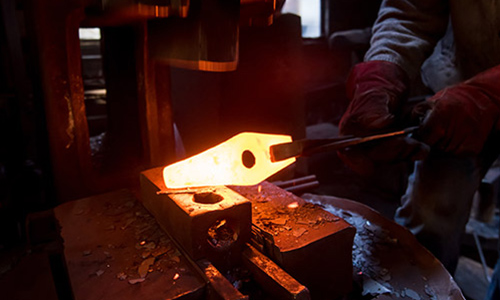
Forges play a pivotal role in modern industrial processes, offering a wide range of applications in manufacturing, metalworking, and production optimization. By shaping metals through controlled heat and mechanical force, forges enhance material strength, improve durability, and enable precise component fabrication.
Efficient use of forges can significantly boost productivity, reduce production time, and improve product quality. Whether in automotive, aerospace, or heavy machinery industries, understanding and implementing advanced forges techniques can transform the efficiency of production lines.
This article explores six amazing forges techniques designed to maximize productivity while maintaining quality and safety. It also examines practical applications, maintenance strategies, and expert insights to ensure optimal performance.
Forges Technique 1: Precision Heating Control
Controlling the heating process is one of the most critical factors in forging productivity. Precision heating ensures metals reach the ideal temperature for shaping without overheating, which can compromise material strength or introduce microstructural damage.
How Precision Heating Works
Moderne forges often employ programmable temperature controllers and embedded sensors that continuously monitor the core temperature of the workpiece. These systems allow operators to make real-time adjustments to heating intensity, ensuring uniform heating across the entire metal piece.
Additional techniques include:
- Zone Heating: Heating different sections of a billet differently according to the part geometry.
- Thermal Profiling: Mapping temperature changes during heating to predict and prevent deformation.
Practical Applications
- Automotive Component Forging: Ensures precise dimensions in gears, crankshafts, and axles.
- Aerospace Turbine Blade Production: Uniform heating is critical to avoid material inconsistencies in high-performance alloys.
- High-Strength Steel Parts for Construction: Controlled heating improves ductility and toughness.
Maintenance and Operational Tips
- Regularly calibrate temperature sensors to prevent errors.
- Inspect heating elements for wear or hotspots that could affect uniformity.
- Use proper insulation in the forge chamber to minimize energy loss and maintain precise temperatures.
By maintaining optimal temperature, forges reduce defect rates, lower scrap, and improve throughput, particularly in high-volume production.
Schmiedet Technique 2: Advanced Die and Tooling Design
The design and engineering of dies and tooling is one of the most critical productivity levers in modern forging. High-quality dies allow metals to flow efficiently into the desired shapes, minimize defects, and ensure consistent part geometry. Conversely, poor die design can lead to wasted material, inconsistent components, increased cycle times, and higher operational costs.
Benefits of Advanced Dies
Reduced Shaping Errors
Advanced dies are carefully engineered to account for metal flow, shrinkage, and thermal expansion. This ensures that the final component retains dimensional accuracy even under high-pressure forging conditions. Proper die design minimizes burrs, surface defects, and misalignment in high-precision components.
Faster Forming Cycles
Optimized die geometry reduces resistance during forging, allowing faster press strokes or hammer impacts. This increases the number of components produced per hour and reduces machine idle time. Multi-stage dies, in particular, enable complex components to be forged in fewer passes while maintaining accuracy.
Extended Tool Life
Stress distribution and thermal management are critical for extending die life. Advanced dies are designed to withstand repeated high-temperature and high-pressure cycles without deformation. High-quality materials, coatings, and cooling channels further prolong lifespan, reducing replacement frequency and downtime.
Advanced Die Examples
- Multi-Stage Dies: Allow complex components to be forged progressively, reducing the risk of defects and maintaining consistent geometry. Example: aerospace landing gear components forged in two or three stages.
- Custom Dies for High-Volume Production: Automotive gears and shafts require dies that ensure precision and repeatability across thousands of units. Custom dies are engineered for specific materials and product tolerances.
- Modular Dies: Designed with replaceable sections, modular dies reduce downtime during maintenance and allow flexible production for different components.
Operational Best Practices
- Regelmäßige Inspektion: Frequently check dies for micro-cracks, wear, or thermal fatigue. Even minor surface imperfections can affect component quality.
- Die Coatings: Use specialized coatings to reduce friction, prevent adhesion of metal, and extend tool life.
- Simulation Tools: Computer-aided engineering (CAE) and metal flow simulations can optimize die geometry before production, predicting potential defects and improving material utilization.
- Temperature Management: Monitor die temperatures during operation; overheating can accelerate wear and cause premature failure.
By implementing advanced die and tooling design practices, manufacturers can achieve higher output, better consistency, and lower operational costs. This technique directly contributes to maximizing forge productivity while maintaining part quality. dimensionally accurate components.
Schmiedet Technique 3: Controlled Cooling Techniques
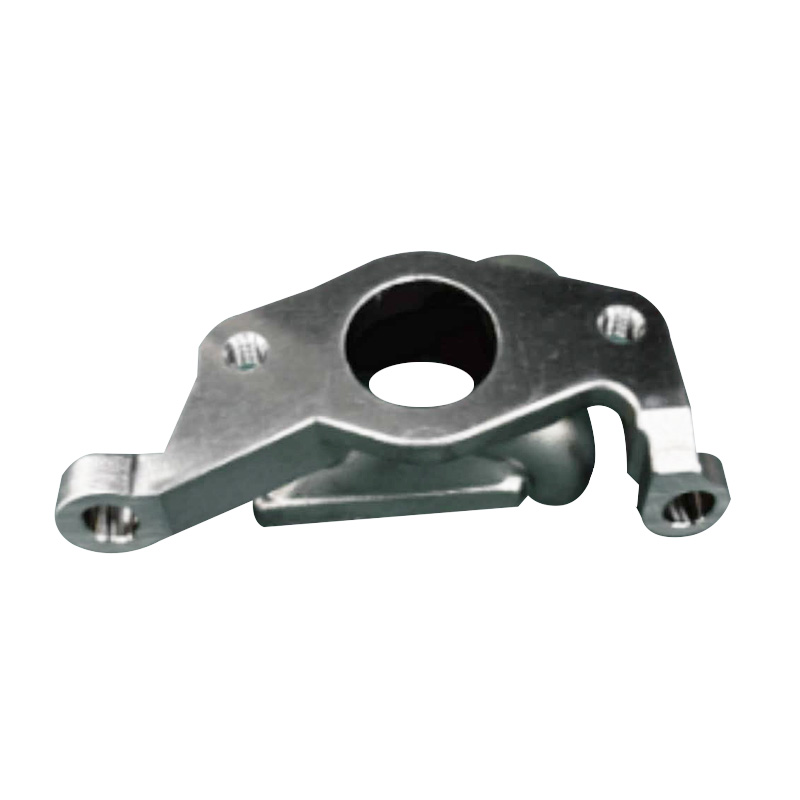
Cooling is a critical step in forging, directly impacting mechanical properties, structural integrity, and dimensional stability. Properly controlled cooling prevents cracks, warping, residual stress, and uneven hardness while improving durability and load-bearing capacity.
Cooling Methods
Water Quenching: Rapid cooling increases hardness and strength but requires careful control to avoid cracks or distortion. Common in high-strength steels and automotive components.
Air Cooling: Gradual temperature reduction reduces internal stress and deformation. This method is suitable for larger components or alloys sensitive to thermal shock.
Oil Quenching: Provides controlled cooling for specialized alloys such as tool steels and high-speed steels. Oil quenching reduces thermal gradients and improves microstructure uniformity.
Advantages of Controlled Cooling
- Improved Mechanical Properties: Properly cooled components have enhanced tensile strength, toughness, and fatigue resistance.
- Reduced Post-Processing Time: Minimizes the need for secondary machining or heat treatment corrections.
- Minimized Scrap Rates: Proper cooling reduces deformation and defects, improving overall yield.
- Energieeffizienz: Controlled cooling ensures less rework and lower energy consumption, contributing to overall productivity.
Branchenanwendungen
- Steel Construction Components: Large beams or shafts benefit from controlled cooling to maintain structural integrity.
- Automotive Gears and Shafts: Quenching ensures precise hardness and long service life.
- Luft- und Raumfahrtkomponenten: Critical parts require exact microstructure and minimal residual stress to perform under extreme conditions.
Operational Tips
- Continuously monitor quenching media temperature to ensure consistent cooling rates.
- Clean and refresh water or oil baths to prevent contamination.
- Implement sensors to track cooling rates and adjust parameters for different alloys.
- Train operators to handle components carefully after quenching to avoid thermal shock or warping.
Controlled cooling is not only a quality requirement but also a productivity booster, reducing scrap, post-processing, and equipment wear.nents.
Schmiedet Technique 4: Automation Integration
Automation can transform the productivity of forges by minimizing manual intervention, improving safety, and ensuring repeatable results.
Examples of Automation
- Robotic Hammers and Presses: Deliver consistent impact or pressure with programmable stroke sequences.
- Automated Material Feeding: Reduces handling time and improves throughput.
- Computer-Controlled Forging Sequences: Synchronizes temperature, force, and movement for optimal forging cycles.
Vorteile
- Higher throughput due to continuous operation.
- Reduced labor costs and improved operator safety.
- Consistent quality across large production batches.
Branchenanwendungen
- Automotive crankshaft and camshaft forging.
- Heavy industrial presses for steel construction parts.
- Aerospace structural components requiring high precision.
Operational Tips
- Regularly inspect robotic arms and automated feeders for alignment.
- Ensure software updates and sensors are calibrated for accuracy.
- Integrate safety systems to prevent collisions or overloading.
Automation ensures forges operate at maximum efficiency with minimal downtime.oductivity.
Schmiedet Technique 5: Real-Time Monitoring Systems
Real-time monitoring systems track critical parameters such as temperature, pressure, force, and metal flow to optimize productivity.
Monitoring Benefits
- Early detection of equipment malfunctions prevents downtime.
- Reduces energy consumption by optimizing heating and press cycles.
- Improves product quality through precise control over forging parameters.
Examples of Real-Time Monitoring
- Sensor-based force feedback in hydraulic forging presses.
- Thermal imaging to detect uneven heating or hotspots.
- Flow sensors to monitor material movement within dies.
Operational Best Practices
- Calibrate sensors regularly to maintain measurement accuracy.
- Use data analytics to identify trends and prevent recurring issues.
- Integrate monitoring with automated control systems for responsive adjustments.
Monitoring systems make forges smarter, safer, and more efficient, contributing to higher productivity.
Schmiedet Technique 6: Material Pre-Treatment Methods
Pre-treating materials before forging improves workability, reduces required forging force, and enhances final product characteristics.
Common Pre-Treatment Techniques
- Glühen: Reduces internal stress and improves ductility.
- Normalisierung: Produces a uniform grain structure, enhancing mechanical properties.
- Pre-Heating: Lowers the resistance during forging, reducing tool wear.
Productivity Benefits
- Faster forming cycles due to improved material flow.
- Reduced maintenance due to lower tool stress.
- Better dimensional stability and surface finish of final components.
Practical Applications
- Forging high-strength industrial billets.
- Precision automotive or aerospace components.
- Large structural components requiring uniform grain structure.
By preparing materials effectively, forges operate at peak efficiency while maintaining superior product quality.intaining superior product quality.
Mid-Article Table: Key Forges Techniques Overview
| Technique | Zweck | Productivity Benefit | Example Application |
|---|---|---|---|
| Precision Heating Control | Optimal metal temperature | Reduced defects, uniform forging | Aerospace turbine blades |
| Advanced Die & Tooling | Efficient shaping | Faster cycles, lower material waste | Autoteile |
| Controlled Cooling | Improved hardness & strength | Minimized scrap, reduced post-processing | Steel construction components |
| Automation Integration | Reduce manual labor | Continuous operation, consistent quality | High-volume manufacturing |
| Real-Time Monitoring | Immediate adjustments | Improved product quality, energy savings | Heavy machinery forging |
| Material Pre-Treatment | Enhance workability | Faster forming, tool longevity | Industrial forging billets |
Abschluss
Schmiedet are powerful tools that can transform manufacturing efficiency. By implementing techniques such as precision heating, advanced die design, controlled cooling, automation, real-time monitoring, and material pre-treatment, manufacturers can significantly boost productivity while ensuring high-quality output.
Optimizing forges not only enhances performance but also reduces waste, energy consumption, and operational costs. For industries ranging from automotive to aerospace, mastering these techniques is crucial to staying competitive in modern manufacturing environments.
Häufig gestellte Fragen
1. What is the main purpose of forges in manufacturing?
Forges are used to shape metals under controlled heat and mechanical force, improving strength, durability, and precision.
2. How can automation improve forges productivity?
Automation reduces manual labor, minimizes errors, ensures consistent quality, and allows continuous operation with minimal downtime.
3. Why is controlled cooling important in forges?
Proper cooling prevents cracks, warping, and residual stress, while improving mechanical properties like hardness and toughness.
4. What are the benefits of material pre-treatment before forging?
Pre-treatment like annealing and pre-heating improves ductility, reduces forging force, and extends tool life.
5. How do real-time monitoring systems enhance forges efficiency?
They allow immediate adjustments to temperature, force, or flow, reducing defects, saving energy, and improving consistency.
Produktkategorien
- Ventilteile
- Wasserpumpenteile
- Lagergehäuseteile
- Druckgussteile
- Pumpenprodukte aus Edelstahl
- Pumpenprodukte aus Gusseisen
- Ventilteile für den Automobilgebrauch
- Autoteile
- Ventilteile für den zivilen Gebrauch
- Vakuumpumpenteile KF

Lassen Sie uns Ihr nächstes Projekt starten!
Starten Sie Ihr Projekt mit Leierwo
1. Senden Sie Ihre Anfrage
2. Kostenkalkulation
3. Produktion starten
4. Lieferung vereinbaren
Häufig gestellte Fragen
Ja, wir verfügen über umfassende Erfahrung im internationalen Handel und unterstützen unsere Kunden gerne bei der Exportzollabfertigung und Versandabwicklung. Wir bieten verschiedene Handelsbedingungen wie FOB, CIF und DDP an, um unterschiedlichen Logistikanforderungen gerecht zu werden. Wir akzeptieren verschiedene internationale Zahlungsmethoden, darunter T/T (Telegraphic Transfer), elektronische Überweisung und Akkreditiv (L/C). Die Zahlungsbedingungen können Sie mit unserem Vertriebsteam besprechen.
Durch die Partnerschaft mit Leierwo profitieren Sie von wettbewerbsfähigen Preisen und überlegener Qualität im Vergleich zu anderen Anbietern. Darüber hinaus bieten wir eine Komplettlösung für die Lieferung fertiger Teile, einschließlich CNC-Bearbeitung und Oberflächenbehandlung, und gewährleisten so einen reibungslosen Produktionsprozess.
Wir verfügen über moderne Gussanlagen und strenge Qualitätskontrollsysteme. Unsere monatliche Produktionskapazität ist beträchtlich und wir können Produkte nach Kundenzeichnungen oder Mustern fertigen. Wir akzeptieren sowohl kleine Probeaufträge als auch Großserienproduktionen.
Unsere Produkte entsprechen internationalen Normen wie ASTM, AISI, DIN und JIS. Wir stellen Materialprüfberichte und entsprechende Zertifizierungen bereit, um sicherzustellen, dass die Produktqualität den Kundenanforderungen entspricht.
Wir befolgen strikt das Qualitätsmanagementsystem ISO 9001 und führen während des gesamten Produktionsprozesses zahlreiche Prüfungen durch, darunter spektrografische Analysen, Röntgenprüfungen, Ultraschallprüfungen und Maßmessungen. Diese Qualitätskontrollmaßnahmen garantieren, dass unsere Gussteile den höchsten Standards entsprechen.
Unsere Mindestbestellmenge hängt von der Art und Komplexität des Produkts ab. Wir sind jedoch flexibel und offen für die Besprechung Ihrer spezifischen Anforderungen.
Unsere Standardproduktionszeit beträgt 4–6 Wochen, abhängig von Bestellmenge und Produktkomplexität. Wir sind bestrebt, die Lieferzeiten zu verkürzen, um den Kundenanforderungen gerecht zu werden.
Ja, wir können Muster zur Qualitätsprüfung bereitstellen. Musterkosten und Versandkosten können ausgehandelt werden. Die Mustergebühren können bei einer formellen Bestellung erstattet werden.
 German
  English
  Spanish
  Arabic
  Malay
Malay