
Qualitätscheckliste für duktile Gusseisenteile: Ein praktischer Leitfaden für Einkäufer
Willkommen auf meinem Blog!
Ich freue mich sehr, dass du hier bist! Bevor wir uns in die Inhalte vertiefen, würde ich mich freuen, wenn du mir auf meinen Social-Media-Plattformen folgst. Dort teile ich zusätzliche Einblicke, vernetze mich mit unserer großartigen Community und halte dich über die neuesten Nachrichten auf dem Laufenden. So bleibst du in Verbindung:
📘 Facebook: Shanghai Leierwo Industriehandel Co., Ltd.
Lassen Sie uns gemeinsam auf diese Reise gehen! Ich hoffe, Sie finden die Inhalte hier nicht nur aufschlussreich, sondern auch inspirierend und wertvoll. Los geht‘s!
Inhaltsverzeichnis
Schlüsselpunkte
- Verstehen Sie die wesentlichen Qualitätsindikatoren von Gussteile aus duktilem Eisen
- Erfahren Sie, wie Sie Rohmaterial, Mikrostruktur, mechanische Eigenschaften und Abmessungen prüfen
- Vergleichen Sie Gussteile aus duktilem Eisen mit Grauguss und Stahl als Orientierung für Kaufentscheidungen
- Identifizieren Sie häufige Gussfehler und Präventionsmethoden
- Lernen Sie echte Fabrikinspektionstechniken und Prüfstandards kennen
- Erhalten Sie eine vollständige Qualitätscheckliste für Beschaffung und Qualitätskontrolle
- Verstehen Sie, wie Sie Lieferanten auf der Grundlage von Zertifizierungen, Prozessen und Rückverfolgbarkeit bewerten
Einführung
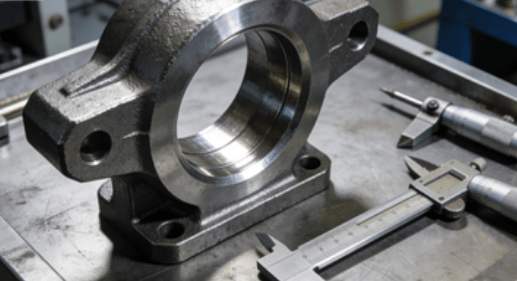
Stellen Sie sich vor, Ihre Fabrik erhält eine Charge von Gussteile aus duktilem Eisen Für Ventilkörper, Pumpengehäuse, oder Automobilteile Auf den ersten Blick scheint alles normal Aber nach einigen Wochen im Betrieb versagen mehrere Teile aufgrund von Rissen, interner Porosität, oder geringer Zugfestigkeit Die Kosten sind nicht nur die Ersatzteile, sondern auch Ausfallzeiten, Arbeitsaufwand, und Rufverlust.
Dieses Szenario kommt häufig vor, weil Käufer oft allein auf Preis oder Aussehen angewiesen sind In Wirklichkeit sind Gussteile aus duktilem Eisen in hohem Maße von metallurgischer Struktur, Wärmebehandlung und Prozesskontrolle abhängig Eine starke Qualitätscheckliste ist der Unterschied zwischen einer zuverlässigen Lieferkette und einem konstanten Produktionsrisiko.
Dieser Leitfaden ist für Beschaffungsmanager, Ingenieure und Qualitätsfachleute konzipiert. Er bietet eine vollständige Checkliste und praktische Schritte zur Bewertung von Gussteilen aus duktilem Eisen. Sie erfahren, was zu überprüfen ist, wie man es überprüft und wie man häufige Fehler vermeidet.
Was sind duktile Eisengussteile
Definition und Grundkonzept
Gussteile aus duktilem Eisen Eisenlegierungen sind, die kugelförmige Graphitknollen enthalten Die Graphitform verändert sich durch Knötchenbehandlung von flockenförmig zu knötchenförmig, diese Veränderung verbessert die Festigkeit und Duktilität erheblich.
Warum Gussteile aus duktilem Eisen weit verbreitet sind
Gussteile aus duktilem Eisen sind weit verbreitet, weil sie Folgendes bieten:
- Hohe Zugfestigkeit und Schlagfestigkeit
- Gute Ermüdungsleistung
- Ausgezeichnete Bearbeitbarkeit
- Kosteneffizienz im Vergleich zu Stahl
Das wichtigste metallurgische Merkmal
Das Hauptmerkmal sind die Graphitknollen, sind Knötchen nicht gleichmäßig oder unregelmäßig, verliert der Guss an Duktilität und wird spröde Deshalb ist eine Mikrostrukturprüfung unerlässlich.
Warum Qualität bei Gussteilen aus duktilem Eisen wichtig ist
Zuverlässigkeit und Sicherheit
Gussteile aus duktilem Eisen Werden häufig in Drucksystemen, Strukturbauteilen und beweglichen Teilen eingesetzt. Ausfälle können Folgendes verursachen:
- Geräteabschaltung
- Sicherheitsvorfälle
- Erheblicher wirtschaftlicher Verlust
Kostenkontrolle und langfristige Leistung
Gussteile von schlechter Qualität führen zu:
- Hohe Ausschussraten
- Nacharbeit und Bearbeitungsabfälle
- Kurze Lebensdauer
- Erhöhte Wartungsfrequenz
Marktnachfrage und Produktleistung
In modernen industriellen Anwendungen fordern Kunden eine stabile Leistung und lange Lebensdauer, Duktile Eisengussteile mit instabiler Qualität können diese Anforderungen nicht erfüllen.
Qualitäts-Checkliste für Gussteile aus duktilem

Prüfung der Material- und Chemikalienzusammensetzung
Was zu überprüfen ist
Die chemische Zusammensetzung bestimmt die endgültige Leistung Zu den Schlüsselelementen gehören:
- Kohlenstoff
- Silizium
- Mangan
- Magnesium
- Schwefel
- Phosphor
Akzeptable Bereiche
Typische Zusammensetzungsbereiche für Gussteile aus duktilem Eisen:
- Kohlenstoff 3,2 bis 3,8
- Silizium 1,8 bis 3,0
- Mangan 0,1 bis 0,6
- Magnesium 0,03 bis 0,05
- Schwefel weniger als 0,03
- Phosphor kleiner als 0,05
Warum das wichtig ist
Wenn Magnesium nicht ausreicht, bildet sich Graphit als Flocken und der Guss spröde, ist der Schwefel zu hoch, können sich keine richtigen Knötchen bilden.
Mikrostrukturinspektion
Graphitknoten und Matrix
Die Mikrostrukturinspektion sollte Folgendes umfassen:
- Knotenzahl pro Quadratmillimeter
- Knötchenform und -größe
- Matrixstruktur wie Ferrit, Perlit oder Martensit
Wie hohe Qualität aussieht
Hochwertige Gussteile aus duktilem Eisen zeigen:
- Einheitliche Knötchen
- Die Knötchenzahl liegt typischerweise über 30 pro Quadratmillimeter
- Minimaler Hartmetallgehalt
Auswirkungen der Wärmebehandlung
Wärmebehandlung wie Normalisierung verbessert Zähigkeit und Stabilität Eine richtige Wärmebehandlung wird:
- Korngröße verfeinern
- Eigenspannung reduzieren
- Duktilität verbessern
Überprüfung mechanischer Eigenschaften
Zugfestigkeit und Dehnung
Gemeinsame mechanische Eigenschaften für Gussteile aus Sphäroguss:
- Zugfestigkeit 400 bis 700 MPa
- Dehnung 10 bis 25 Prozent
- Härte 170 bis 300 HB
Warum das wichtig ist
Mechanische Eigenschaften zeigen, dass das Gussstück der Belastung und Belastung der realen Welt standhalten kann. Eine geringe Dehnung bedeutet, dass das Gussstück spröde ist und beim Aufprall Risse bekommen kann.
Maß- und Oberflächeninspektion
Maßgenauigkeit
Verwenden Sie Tools wie:
- Messschieber
- Mikrometer
- KMG Koordinatenmessmaschine
- Laserscanning
Oberflächenqualität
Prüfen Sie nach:
- Keine Risse
- Keine Sandlöcher
- Glatte Oberfläche
- Richtige Bearbeitungsspuren
Maßtoleranz
Typische Toleranz hängt von Gussgröße und Komplexität ab Gängige Standards sind:
- ISO 8062 für Maßtoleranzen
- GB-Normen für Gusstoleranzen
Zerstörungsfreie Prüfung ZfP
Gemeinsame ZfP-Methoden
- Magnetpartikelprüfung
- Ultraschallprüfung
- Farbstoffdurchdringungsversuch
- Röntgeninspektion
Wann ist ZfP zu verwenden
ZfP ist für kritische Komponenten erforderlich wie:
- Ventilkörper
- Pumpengehäuse
- Druckrohrarmaturen
- Kraftfahrzeugladeteile
Was ZfP offenbart
ZfP kann erkennen:
- Innere Porosität
- Risse
- Einschlüsse
- Kalt schließt
Vergleich Gusseisen mit Kugelgraphit gegen Gray Iron gegen Steel
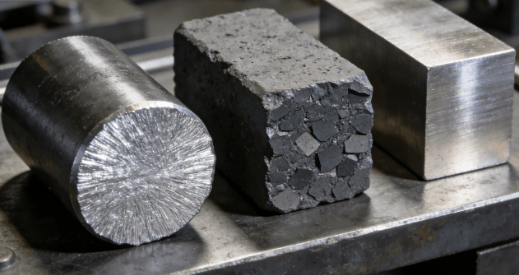
Vergleich von Festigkeit und Zähigkeit
Gussteile aus duktilem Eisen sorgen für eine ausgewogene Leistung zwischen Grauguss und Stahl.
| Material | Stärke | Duktilität | Kosten | am besten für |
|---|---|---|---|---|
| Gussteile aus duktilem Eisen | Hoch | Hoch | Medium | Ventile, Zahnräder, Gehäuse |
| Grauguss | Medium | Niedrig | Niedrig | Grunddärme |
| Stahl | hoch | Medium | Hoch | Schwerlastkomponenten |
Warum Käufer sich für Duktileisengussteile entscheiden
- Bessere Zähigkeit als Grauguss
- Kostengünstiger als Stahl
- Ausgezeichnete Bearbeitbarkeit
- Hohe Ermüdungsfestigkeit
Häufige Mängel und wie man sie identifiziert
Porosität
Porosität wird durch im Gussstück eingeschlossenes Gas oder Schrumpfung verursacht. Es verringert die Festigkeit und führt zu Undichtigkeiten in Druckteilen.
Kaltverschlüsse und Einschlüsse
Kaltverschlüsse entstehen, wenn geschmolzenes Metall nicht richtig verschmilzt Einschlüsse sind nicht metallische Verunreinigungen Beide verringern die Festigkeit und können Risse verursachen.
Risse und Verformung
Risse treten häufig beim Kühlen oder Bearbeiten auf Verformung weist auf ungleichmäßige Spannungsverteilung oder schlechte Wärmebehandlung hin.
So verhindern Sie Mängel
- Sorgen Sie für die richtige Schmelztemperatur
- Verwenden Sie das richtige Gating-System
- Kontrollformdurchlässigkeit
- Verwenden Sie den richtigen Impf- und Knötchenprozess
- Wärmebehandlung richtig durchführen
Checkliste für echte Werksinspektionen
Schmelzofen und Metallbehandlung
- Überprüfen Sie den Ofentyp und die Temperaturkontrolle
- Überprüfen Sie den Knötchen- und Impfprozess
- Rohstoffquelle und Rückverfolgbarkeit prüfen
Form- und Gießprozess
- Überprüfen Sie die Sandqualität und Formgenauigkeit
- Überprüfen Sie die Aushärtezeit der Form
- Überprüfen Sie die Gestaltung der Gating- und Steigleitungen
Wärmebehandlungsanlage
- Bestätigen Sie Temperatur und Zeit der Wärmebehandlung
- Überprüfen Sie Kühlmethode und -ausrüstung
- Überprüfen Sie die Temperaturkontrolle und Aufzeichnungen
Labor für Qualitätsinspektion
- Verfügbarkeit des Spektrometers prüfen
- Zugprüfmaschine überprüfen
- Metallographisches Mikroskop bestätigen
- ZfP-Ausrüstung prüfen
Branchenstandards und Qualitätsanforderungen
Gemeinsame Standards für Gussteile aus duktilem Eisen
- ISO 1083-Standard für Sphäroguss
- ASTM A536 Gussstandard für duktiles Eisen
- GB 1348 Sphäroguss-Standard
- EN 1563 Gussnorm für duktiles Eisen
Typische Qualitätsanforderungen für kritische Komponenten
Bei Druckkomponenten und schweren Maschinen umfassen die Qualitätsanforderungen häufig:
- Zugfestigkeit über 500 MPa
- Dehnung über 12 Prozent
- ZfP-Inspektion für alle Teile
- Strenge Maßregelung
Expertenmeinungen und Brancheneinblicke
Expertenansicht der Metallurgie
Ein leitender Metallurge einer führenden Gießerei sagte:
“Die Graphitmorphologie bestimmt die Gussqualität von duktilem Eisen Selbst bei richtiger Zusammensetzung führt eine schlechte Knötchenbildung zu flockigem Graphit und sprödem Versagen”
Expertenansicht für Ingenieurwesen
Ein Maschinenbauingenieur, der in der Pumpenherstellung tätig ist, sagte:
“Vor der Massenproduktion müssen Materialprüfung und Mikrostrukturprüfung durchgeführt werden Viele Ausfälle werden durch inkonsistente Mikrostruktur und schlechte Wärmebehandlung verursacht”
Ansicht Qualitätsmanager
Ein Qualitätsmanager in der Ventilfertigung sagte:
“Rückverfolgbarkeit und Dokumentation sind unerlässlich, kann der Lieferant keinen Wärmebehandlungsbericht und ZfP-Bericht vorlegen, sollte der Guss nicht akzeptiert werden”
So wählen Sie einen zuverlässigen Lieferanten aus
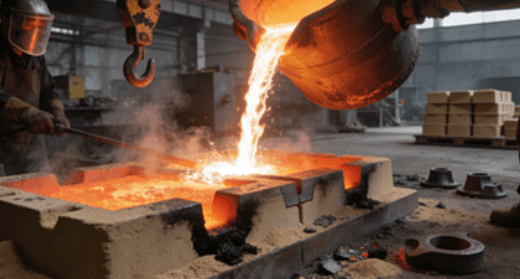
Lieferantenbewertungscheckliste
- Produktionskapazität und stabile Produktion
- Technisches Team und Qualitätsmanagement
- Prüfgeräte und Inspektionssystem
- Möglichkeit zur Bereitstellung einer vollständigen Dokumentation
- ISO - und Branchenzertifizierungen
Fragen zu wichtigen Lieferanten
- Wie steuern Sie den Knötchenprozess
- Wie hoch ist Ihre Fehlerquote und Ausschussrate
- Haben Sie ZfP-Fähigkeit
- Können Sie Probetests zur Verfügung stellen
- Was ist Ihr Wärmebehandlungsprozess
Praktische Käufer-Checkliste
Vor dem Kauf
- Materialzertifikat überprüfen
- Chemische Zusammensetzung bestätigen
- Mechanische Eigenschaften überprüfen
- Mikrostrukturbericht überprüfen
- Dimensionstoleranz bestätigen
Nach Erhalt der Ware
- Probentests durchführen
- Führen Sie eine visuelle Inspektion durch
- Oberflächenbeschaffenheit prüfen
- Überprüfen Sie die ZfP-Ergebnisse
- Prüfen Sie Verpackung und Transportschutz
Praktische Anwendung und Kostenkontrolle
Wie sich Qualität auf die Kosten auswirkt
Hohe Qualität Gussteile aus duktilem Eisen Anfangs mehr kosten, aber reduzieren:
- Nacharbeitskosten
- Schrottkosten
- Ausfallkosten
- Wartungskosten
Langfristige Leistung
Ein hochwertiger Guss aus duktilem Eisen kann in vielen Anwendungen wie Wasserventilen, Pumpengehäusen und Strukturteilen 10 bis 20 Jahre halten.
Zusätzliche Vergleichstabellen
Materialleistungsvergleich
| Eigentum | Gusseisen mit Kugelgraphit | Grauguss | Stahl |
|---|---|---|---|
| Zugfestigkeit | Hoch | Medium | hoch |
| Duktilität | Hoch | Niedrig | Medium |
| Ermüdungswiderstand | Hoch | Niedrig | Hoch |
| Kosten | Medium | Niedrig | Hoch |
| Bearbeitbarkeit | Gut | Gut | Medium |
Inspektionsprioritätstabelle
| Inspektionstyp | Vorrangige Priorität | Warum |
|---|---|---|
| Chemische Zusammensetzung | Hoch | Bestimmt endgültige Eigenschaften |
| Mikrostruktur | Hoch | Bestimmt Duktilität und Festigkeit |
| Mechanische Prüfung | Hoch | Bestätigt Leistung |
| ZfP | Mittel bis hoch | Kritische Teile müssen intern überprüft werden |
| Maßprüfung | Hoch | Sorgt für Passform und Funktion |
Abschluss
Gussteile aus duktilem Eisen Qualität wird durch mehrere Faktoren bestimmt, darunter Zusammensetzung, Mikrostruktur, mechanische Eigenschaften und Steuerung des Herstellungsprozesses. Für Käufer ist eine umfassende Checkliste unerlässlich, um Zuverlässigkeit und langfristige Leistung sicherzustellen.
Wenn Sie diesem Leitfaden folgen, können Sie:
- Reduzieren Sie das Fehler- und Ausfallrisiko
- Verbessern Sie die Produktionsstabilität
- Kostengünstige Kontrolle
- Sorgen Sie für eine sichere und zuverlässige Leistung
Wenn du willst, kann ich dir auch helfen:
- Erstellen Sie eine benutzerdefinierte Lieferantenbewertungs-Checkliste
- Schreiben Sie eine Vorlage für die Werksaudits
- Empfehlen Sie Inspektionsstandards basierend auf Ihrer Anwendung
Teilen Sie mir einfach Ihre Anwendung und Anforderungen mit und ich werde den Leitfaden auf Ihre Bedürfnisse zuschneiden.
Häufig gestellte Fragen
Was ist der wichtigste Faktor für die Qualität von Gussteilen aus duktilem Eisen
Der wichtigste Faktor ist die Mikrostruktur, insbesondere Graphitknollen und Matrixverteilung, Sie bestimmt direkt Festigkeit und Duktilität.
Wie kann ich sicherstellen, dass das Gussstück den mechanischen Anforderungen entspricht
Fordern Sie Zugprüfung, Härteprüfung und Mikrostrukturbericht an Vergleichen Sie die Ergebnisse mit Ihren Designstandards.
Warum ist ZfP wichtig für Gussteile aus duktilem Eisen
ZfP erkennt interne Defekte wie Porosität, Risse und Einschlüsse, die visuell nicht sichtbar sind. Für Druckteile ist ZfP obligatorisch.
Wie man zwischen Gussteilen aus duktilem Eisen und Stahl wählt
Wählen Sie Gussteile aus duktilem Eisen, wenn Sie hohe Zähigkeit, gute Ermüdungsbeständigkeit und Kosteneffizienz benötigen Wählen Sie Stahl für Anwendungen mit extremer Festigkeit und hohen Temperaturen.
Wie lange halten Gussteile aus Sphäroguss
Unter normalen Bedingungen, hohe Qualität Gussteile aus duktilem Eisen 10 bis 20 Jahre halten kann In rauen Umgebungen sind eine ordnungsgemäße Beschichtung und Wartung erforderlich.
Produktkategorien
- Ventilteile
- Wasserpumpenteile
- Lagergehäuseteile
- Druckgussteile
- Pumpenprodukte aus Edelstahl
- Pumpenprodukte aus Gusseisen
- Ventilteile für den Automobilgebrauch
- Autoteile
- Ventilteile für den zivilen Gebrauch
- Vakuumpumpenteile KF

Lassen Sie uns Ihr nächstes Projekt starten!
Starten Sie Ihr Projekt mit Leierwo
1. Senden Sie Ihre Anfrage
2. Kostenkalkulation
3. Produktion starten
4. Lieferung vereinbaren
Häufig gestellte Fragen
Ja, wir verfügen über umfassende Erfahrung im internationalen Handel und unterstützen unsere Kunden gerne bei der Exportzollabfertigung und Versandabwicklung. Wir bieten verschiedene Handelsbedingungen wie FOB, CIF und DDP an, um unterschiedlichen Logistikanforderungen gerecht zu werden. Wir akzeptieren verschiedene internationale Zahlungsmethoden, darunter T/T (Telegraphic Transfer), elektronische Überweisung und Akkreditiv (L/C). Die Zahlungsbedingungen können Sie mit unserem Vertriebsteam besprechen.
Durch die Partnerschaft mit Leierwo profitieren Sie von wettbewerbsfähigen Preisen und überlegener Qualität im Vergleich zu anderen Anbietern. Darüber hinaus bieten wir eine Komplettlösung für die Lieferung fertiger Teile, einschließlich CNC-Bearbeitung und Oberflächenbehandlung, und gewährleisten so einen reibungslosen Produktionsprozess.
Wir verfügen über moderne Gussanlagen und strenge Qualitätskontrollsysteme. Unsere monatliche Produktionskapazität ist beträchtlich und wir können Produkte nach Kundenzeichnungen oder Mustern fertigen. Wir akzeptieren sowohl kleine Probeaufträge als auch Großserienproduktionen.
Unsere Produkte entsprechen internationalen Normen wie ASTM, AISI, DIN und JIS. Wir stellen Materialprüfberichte und entsprechende Zertifizierungen bereit, um sicherzustellen, dass die Produktqualität den Kundenanforderungen entspricht.
Wir befolgen strikt das Qualitätsmanagementsystem ISO 9001 und führen während des gesamten Produktionsprozesses zahlreiche Prüfungen durch, darunter spektrografische Analysen, Röntgenprüfungen, Ultraschallprüfungen und Maßmessungen. Diese Qualitätskontrollmaßnahmen garantieren, dass unsere Gussteile den höchsten Standards entsprechen.
Unsere Mindestbestellmenge hängt von der Art und Komplexität des Produkts ab. Wir sind jedoch flexibel und offen für die Besprechung Ihrer spezifischen Anforderungen.
Unsere Standardproduktionszeit beträgt 4–6 Wochen, abhängig von Bestellmenge und Produktkomplexität. Wir sind bestrebt, die Lieferzeiten zu verkürzen, um den Kundenanforderungen gerecht zu werden.
Ja, wir können Muster zur Qualitätsprüfung bereitstellen. Musterkosten und Versandkosten können ausgehandelt werden. Die Mustergebühren können bei einer formellen Bestellung erstattet werden.
 German
  English
  Spanish
  Arabic
  Malay
Malay