
4 richtungsweisende 3D-Drucktrends für 2026
Willkommen auf meinem Blog!
Ich freue mich sehr, dass du hier bist! Bevor wir uns in die Inhalte vertiefen, würde ich mich freuen, wenn du mir auf meinen Social-Media-Plattformen folgst. Dort teile ich zusätzliche Einblicke, vernetze mich mit unserer großartigen Community und halte dich über die neuesten Nachrichten auf dem Laufenden. So bleibst du in Verbindung:
📘 Facebook: Shanghai Leierwo Industriehandel Co., Ltd.
Lassen Sie uns gemeinsam auf diese Reise gehen! Ich hoffe, Sie finden die Inhalte hier nicht nur aufschlussreich, sondern auch inspirierend und wertvoll. Los geht‘s!
Inhaltsverzeichnis
Einführung
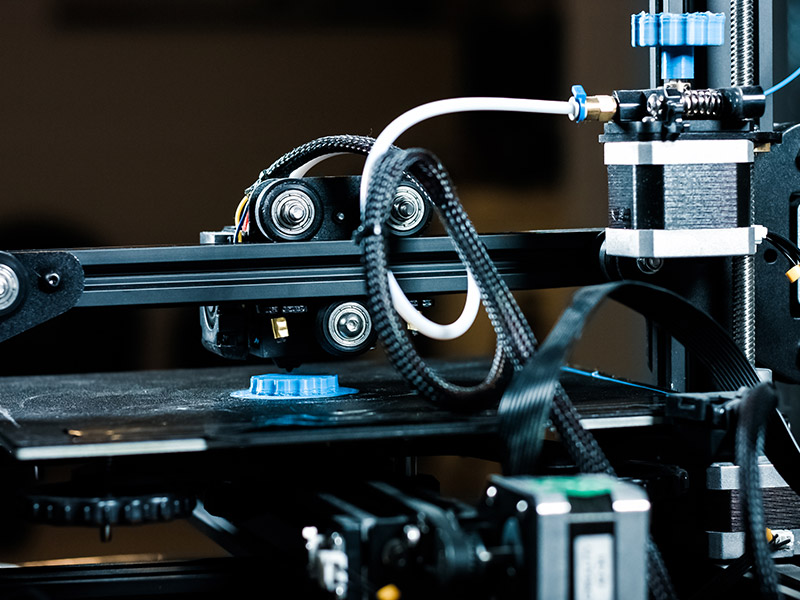
3D-Druck, Die additive Fertigung, auch bekannt als 3D-Druck, revolutioniert die Produktionslandschaft in einem beispiellosen Tempo. Bis 2026 wird sie voraussichtlich Branchen von der Luft- und Raumfahrt über die Automobilindustrie bis hin zum Gesundheitswesen und der Konsumgüterindustrie dominieren. Im Gegensatz zu traditionellen Fertigungsverfahren baut der 3D-Druck Objekte Schicht für Schicht auf und ermöglicht so komplexe Geometrien, schnellere Prototypenerstellung und hochgradig individualisierbare Produktion.
In diesem ausführlichen Artikel erfahren Sie:
- Der Die 4 wichtigsten 3D-Drucktrends für 2026 und ihre Auswirkungen in der realen Welt
- Vorteile und Herausforderungen jedes Trends, untermauert durch verlässliche Daten
- Vergleiche des 3D-Drucks mit traditionellen Fertigungsmethoden
- Branchenspezifische Fallstudien zur Veranschaulichung von Kostenreduzierung, Effizienz und Innovation
- Häufig gestellte Fragen und praktische Hinweise zur Übernahme dieser Trends
- Expertenmeinungen und Erkenntnisse führender Forscher und Ingenieure
Am Ende werden Sie verstehen, wie Sie diese Trends nutzen können, um Produktivität, Nachhaltigkeit und Wettbewerbsfähigkeit in Ihrem Unternehmen zu verbessern.
Additive Fertigung wird zum Standard
Konzept: Branchenübergreifende industrielle Anwendung
Die additive Fertigung ist nicht mehr experimentell. In der Luft- und Raumfahrtindustrie beispielsweise Boeing und Airbus Sie produzieren mittlerweile jährlich über 50.000 3D-gedruckte Teile, von Motorkomponenten bis hin zu Halterungen. Laut Wohlers-Bericht 2025, Mehr als 801.000 Luft- und Raumfahrtunternehmen integrieren die additive Fertigung in die funktionale Produktion, wodurch Prototypenzyklen und Materialverschwendung reduziert werden.
Vorteile der breiten Akzeptanz
- Kürzere Lieferzeiten: Herkömmliche Methoden können 4–8 Wochen dauern; der 3D-Druck reduziert dies auf 1–2 Tage für Prototypen.
- Massenanpassung: Jedes Teil kann ohne Kostensteigerung an die Kundenspezifikationen angepasst werden.
- Bestandsoptimierung: Die Produktion auf Abruf reduziert Lager- und Logistikkosten.
Vergleich zwischen traditioneller und additiver Fertigung
| Besonderheit | Traditionelle Fertigung | 3D-Druck | Anmerkungen |
|---|---|---|---|
| Lieferzeit | 4–8 Wochen | 1–2 Tage | Schnellere Designiterationen ermöglichen rasche Innovationen |
| Materialabfall | Hoch | Niedrig | Das additive Schicht-für-Schicht-Verfahren verwendet nur das benötigte Material. |
| Komplexität | Beschränkt | Sehr hoch | Komplexe Geometrien sind nur mit 3D-Druck möglich. |
| Kosten für geringe Mengen | Hoch | Niedrig | Ideal für Kleinserien oder kundenspezifische Fertigung |
Expertenmeinung: “Die additive Fertigung ermöglicht eine schnelle Designvalidierung bei gleichzeitiger Aufrechterhaltung der strukturellen Leistungsfähigkeit, was einen Wendepunkt für die Produktentwicklung darstellt.” sagt Dr. Jennifer A. Lewis, Harvard SEAS.
Multimaterial- und Funktionsdruck
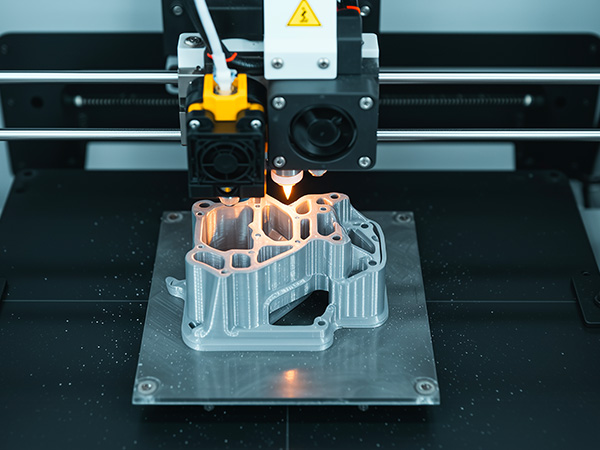
Konzept: Kombination mehrerer Materialien
Bis 2026 sollen Multimaterial-Bauteile hergestellt werden. 3D-Druck Dies ermöglicht die Herstellung einzelner Bauteile mit unterschiedlichen Eigenschaften. Drucker können nun Metalle, Polymere, Keramik und Verbundwerkstoffe in einem einzigen Druckvorgang kombinieren. Funktionale Teile können zudem Elektronik, Sensoren oder Leiterbahnen ohne zusätzliche Montage integrieren.
Vorteile
- Produziert sofort einsatzbereite, hochfunktionale Teile
- Verkürzt Montagezeit und Nachbearbeitung
- Ermöglicht intelligente und eingebettete Technologien in einer einzigen Komponente
Praktische Industrieanwendungen
- Halterungen für die Luft- und Raumfahrt mit integrierter Verkabelung, die in einem Arbeitsgang gedruckt werden
- Robotergreifer, die flexible Gelenke und starre Komponenten kombinieren
- Tragbare medizinische Geräte mit integrierten Softsensoren
Vergleich: Einzelmaterial vs. Mehrmaterial
| Besonderheit | Einzelmaterial | Multi-Material | Anmerkungen |
|---|---|---|---|
| Designflexibilität | Mäßig | Hoch | Multimaterial ermöglicht komplexe Funktionsteile |
| Nachbearbeitung | Erforderlich | Minimal | Reduziert Arbeitsaufwand und Montagekosten |
| Eingebettete Elektronik | NEIN | Ja | Ermöglicht intelligente, vernetzte Geräte |
Nachhaltige 3D-Druckverfahren
Konzept: Umweltfreundliche Fertigung
Nachhaltigkeit gewinnt zunehmend an Bedeutung. Unternehmen setzen vermehrt auf recycelte Filamente, biologisch abbaubare Polymere und energieeffiziente Druckverfahren. Laut einer Studie… ASTM-Studie 2025, Durch den Wechsel von der traditionellen Spritzgusstechnik zu recycelten 3D-Druckmaterialien können die CO2-Emissionen um bis zu 401 TP3T reduziert werden.
Vorteile
- Reduziert Materialverschwendung und Energieverbrauch
- Unterstützt Initiativen zur unternehmerischen Nachhaltigkeit
- Erfüllt die wachsende Verbrauchernachfrage nach umweltbewussten Produkten
Wichtige Brancheneinblicke
- Nike und Adidas experimentieren mit 3D-gedruckten Schuhsohlen aus recycelten Kunststoffen.
- GE Aviation verwendet recycelte Metallpulver, um den Abfall um 25% zu reduzieren und gleichzeitig die hohe Festigkeit der Bauteile zu erhalten.
Materialinnovationen
- PLA- und PHA-Polymere: Biologisch abbaubar und für leichte Bauteile geeignet
- Recyceltes PETKostengünstig und umweltfreundlich
- MetallpulverKann beim Lasersintern mehrfach wiederverwendet werden, wodurch die Materialkosten gesenkt werden. KI-gesteuert und automatisiert. 3D-Druck
Konzept: Intelligente Fertigung
Künstliche Intelligenz verbessert den 3D-Druck durch die Optimierung von Werkzeugwegen, die Vorhersage thermischer Verformungen und die Echtzeit-Fehlererkennung. Automatisierte Systeme reduzieren menschliche Fehler, steigern die Effizienz und gewährleisten eine gleichbleibende Bauteilqualität.
Vorteile
- Höhere Erfolgsquote beim ersten Druckversuch
- Reduzierter Bedienereingriff
- Optimierter Materialeinsatz und Energieeffizienz
Vergleich: Manuelles Drucken vs. KI-gesteuertes Drucken
| Besonderheit | Manueller 3D-Druck | KI-gesteuerter 3D-Druck | Anmerkungen |
|---|---|---|---|
| Druckgenauigkeit | Mäßig | Hoch | KI kompensiert Verformung und Schrumpfung |
| Menschliches Eingreifen | Hoch | Niedrig | Automatisierung reduziert die Arbeitskosten |
| Materialeffizienz | Standard | Fortschrittlich | KI minimiert Abfall und Energieverbrauch |
Expertenmeinung: Entsprechend MIT CSAIL, KI-gestützt 3D-Druck kann Druckfehler um bis zu 60% reduzieren und dadurch Kosten und Abfall in der industriellen Produktion drastisch senken.
Neue Materialien und Techniken
Additive Fertigung von Metallen
- LPBF und DED: Herstellung von Metallbauteilen in Luft- und Raumfahrtqualität mit minimaler Nachbearbeitung
- Leichte Motorhalterungen und Strukturbauteile mit hoher mechanischer Festigkeit
Bioprinting und Gesundheitswesen
- Gewebegerüste und ImplantateMaßgeschneiderte Prothesen und Lösungen für die regenerative Medizin
- Verkürzt die Operationsvorbereitungszeit und verbessert die Patientenergebnisse.
Verbund- und Kohlenstofffaserdruck
- Kohlenstofffaserverstärkte Filamente bieten ein überlegenes Festigkeits-Gewichts-Verhältnis.
- Wird in Drohnen, Automobilverkleidungen und Sportgeräten zur Leistungsoptimierung eingesetzt
Massenindividualisierung und On-Demand-Produktion
- KonsumgüterPersonalisierter Schmuck, Sneaker und Wohnaccessoires
- MedizinischPatientenspezifische Prothesen, Zahnkronen und chirurgische Schablonen
- Automobil- und LuftfahrtindustrieKleinserien oder Spezialbauteile ohne Werkzeugkosten
Vorteile:
- Reduziert Lagerkosten und Überproduktion
- Erfüllt die wachsende Nachfrage nach personalisierten Produkten
- Verkürzt die Produkteinführungszyklen erheblich
3D-Druck in extremen Umgebungen
- WeltraumanwendungenNASA und ESA experimentieren mit dem 3D-Druck von Raumfahrzeugteilen im Weltraum.
- Unterwasser und Unterwasser: Kundenspezifische, auf Anfrage gedruckte Teile für Wartung und Reparaturen
- HochtemperaturanwendungenMetall- und Keramikdruck für Industrieöfen und Luft- und Raumfahrtkomponenten
Expertenmeinung: “Der 3D-Druck im Weltraum und in extremen Umgebungen ermöglicht die Herstellung missionskritischer Komponenten vor Ort und vermeidet so Verzögerungen in der Lieferkette.” sagt Dr. Mark Weislogel, NASA-Ingenieur.
Branchenanwendungen
Luft- und Raumfahrt sowie Verteidigung
- Motorkomponenten, Halterungen und Kanäle
- Reduziert das Teilegewicht um bis zu 301 TP3T
- Beschleunigt Prototyping- und Produktionszeiten
Automobilindustrie
- Leichte Gehäuse, Halterungen und Werkzeuge
- Erhöht die Kraftstoffeffizienz und senkt die Montagekosten
- Ermöglicht die schnelle Iteration von Konzeptmodellen
Medizin und Zahnmedizin
- Prothesen, Implantate und chirurgische Schablonen
- Eine individuell angepasste Passform verbessert die Behandlungsergebnisse.
- Schnellere Produktion und niedrigere Kosten
Konsumgüter
- Individuell gestaltete Sneaker, Schmuck und Dekoration
- Hohe Personalisierung bei geringem Lagerbestand
- On-Demand-Produktion für flexible Marktreaktion
Produktivität, Effizienz und ROI
Effizienzgewinne
- Der 3D-Druck kann die Vorlaufzeiten für Prototypen um 50–70% verkürzen.
- Automatisierte, KI-gesteuerte Systeme minimieren menschliche Eingriffe
Energieeffizienz
- Moderne Drucker verbrauchen pro Bauteil 30–401 TP3T weniger Energie als ältere Modelle.
- KI-Optimierung reduziert Materialverbrauch und Motorlast
Kapitalrendite
- Mittelständische Hersteller können innerhalb von 12–18 Monaten mit einem ROI rechnen.
- Kürzere Markteinführungszeiten, weniger Abfall und Einsparungen bei den Arbeitskosten tragen zur Rentabilität bei.
Sicherheit und Konformität
- Ausreichende Belüftung für Polymer- und Metallpulver
- Schutzausrüstung und Schulung für Bediener
- Einhaltung der ISO/ASTM-Standards und EU REACH
- Emissionskonformität der Stufe V für Industriemaschinen
Abschluss
Der 4 leistungsstarke 3 D-Druck-Trends für 2026„Einführung von Mainstream- und KI-gesteuerten Produkten, Multimaterialdruck, Nachhaltigkeit, nachhaltige Gestaltung der globalen Fertigung. Unternehmen, die diese Trends berücksichtigen, können die Kosten senken, die Effizienz steigern, hochwertige, maßgeschneiderte Produkte schneller als je zuvor verstehen. Materialien, Technologie und Branchenanwendungen werden für Unternehmen, die einen Wettbewerbsvorteil in der nächsten Fertigungsgeneration anstreben, von entscheidender Bedeutung sein.
Key Takeaway: 3D-Druck Ist nicht mehr optional Die Integration von Innovation, Effizienz und Nachhaltigkeit versetzt Unternehmen in die Lage, in der sich schnell entwickelnden Industrielandschaft erfolgreich zu sein.
Häufig gestellte Fragen
F1: Ist 3D-Druck Schneller als herkömmliche Methoden?
A: Für Prototypen und kundenspezifische Teile mit geringem Volumen, ja. Die Massenproduktion kann immer noch traditionelle Methoden bevorzugen.
Frage 2: Können mit 3D-Druck funktionale Metallteile hergestellt werden?
A: Ja. LPBF und DED ermöglichen Metalldruck in Luft- und Raumfahrtqualität mit hoher Festigkeit.
Frage 3: Sind 3D-gedruckte Teile langlebig?
A: Mit den richtigen Materialien und der Nachbearbeitung können bedruckte Komponenten mit herkömmlichen Teilen übereinstimmen oder diese übertreffen.
Frage 4: Wie verbessert KI die Druckqualität?
A: KI sagt Verformungen voraus, passt Pfade an und optimiert die Materialnutzung für eine höhere Genauigkeit.
Frage 5: Kann 3D-Druck die Umweltbelastung verringern?
A: Ja. Durch die Verwendung recycelter oder biologisch abbaubarer Materialien reduziert die additive Fertigung Abfall und Energieverbrauch.
Frage 6: Welche Branchen werden bis 2026 am meisten profitieren?
A: Luft- und Raumfahrt, Automobil, Medizin, Zahnmedizin, Robotik und Konsumgüter.
Frage 7: Wie kosteneffektiv ist der Mehrmaterialdruck?
A: Während die Vorabkosten höher sind, sorgen eine reduzierte Montage und eine schnellere Markteinführungszeit für einen starken ROI.
Frage 8: Wird der 3D-Druck CNC-Bearbeitung und Spritzguss ersetzen?
A: Nicht vollständig Es ergänzt sie für komplexe, kleine Chargen oder kundenspezifische Teile.
Frage 9: Wie sicher ist das Drucken mit Metallpulvern?
A: Mit der richtigen Belüftung, Schutzausrüstung und Schulung sind Risiken beherrschbar.
Frage 10: Wie können kleine Unternehmen KI-gestütztes Drucken einführen?
A: KI-fähige Drucker der Einstiegsklasse sind jetzt verfügbar, wodurch Automatisierung und Optimierung auch für KMU zugänglich sind.
Produktkategorien
- Ventilteile
- Wasserpumpenteile
- Lagergehäuseteile
- Druckgussteile
- Pumpenprodukte aus Edelstahl
- Pumpenprodukte aus Gusseisen
- Ventilteile für den Automobilgebrauch
- Autoteile
- Ventilteile für den zivilen Gebrauch
- Vakuumpumpenteile KF

Lassen Sie uns Ihr nächstes Projekt starten!
Starten Sie Ihr Projekt mit Leierwo
1. Senden Sie Ihre Anfrage
2. Kostenkalkulation
3. Produktion starten
4. Lieferung vereinbaren
Häufig gestellte Fragen
Ja, wir verfügen über umfassende Erfahrung im internationalen Handel und unterstützen unsere Kunden gerne bei der Exportzollabfertigung und Versandabwicklung. Wir bieten verschiedene Handelsbedingungen wie FOB, CIF und DDP an, um unterschiedlichen Logistikanforderungen gerecht zu werden. Wir akzeptieren verschiedene internationale Zahlungsmethoden, darunter T/T (Telegraphic Transfer), elektronische Überweisung und Akkreditiv (L/C). Die Zahlungsbedingungen können Sie mit unserem Vertriebsteam besprechen.
Durch die Partnerschaft mit Leierwo profitieren Sie von wettbewerbsfähigen Preisen und überlegener Qualität im Vergleich zu anderen Anbietern. Darüber hinaus bieten wir eine Komplettlösung für die Lieferung fertiger Teile, einschließlich CNC-Bearbeitung und Oberflächenbehandlung, und gewährleisten so einen reibungslosen Produktionsprozess.
Wir verfügen über moderne Gussanlagen und strenge Qualitätskontrollsysteme. Unsere monatliche Produktionskapazität ist beträchtlich und wir können Produkte nach Kundenzeichnungen oder Mustern fertigen. Wir akzeptieren sowohl kleine Probeaufträge als auch Großserienproduktionen.
Unsere Produkte entsprechen internationalen Normen wie ASTM, AISI, DIN und JIS. Wir stellen Materialprüfberichte und entsprechende Zertifizierungen bereit, um sicherzustellen, dass die Produktqualität den Kundenanforderungen entspricht.
Wir befolgen strikt das Qualitätsmanagementsystem ISO 9001 und führen während des gesamten Produktionsprozesses zahlreiche Prüfungen durch, darunter spektrografische Analysen, Röntgenprüfungen, Ultraschallprüfungen und Maßmessungen. Diese Qualitätskontrollmaßnahmen garantieren, dass unsere Gussteile den höchsten Standards entsprechen.
Unsere Mindestbestellmenge hängt von der Art und Komplexität des Produkts ab. Wir sind jedoch flexibel und offen für die Besprechung Ihrer spezifischen Anforderungen.
Unsere Standardproduktionszeit beträgt 4–6 Wochen, abhängig von Bestellmenge und Produktkomplexität. Wir sind bestrebt, die Lieferzeiten zu verkürzen, um den Kundenanforderungen gerecht zu werden.
Ja, wir können Muster zur Qualitätsprüfung bereitstellen. Musterkosten und Versandkosten können ausgehandelt werden. Die Mustergebühren können bei einer formellen Bestellung erstattet werden.
 German
  English
  Spanish
  Arabic
  Malay
Malay