
Innovationen in der Präzisionsmetallgusstechnologie: Ein vollständiger Leitfaden
Willkommen auf meinem Blog!
Ich freue mich sehr, dass du hier bist! Bevor wir uns in die Inhalte vertiefen, würde ich mich freuen, wenn du mir auf meinen Social-Media-Plattformen folgst. Dort teile ich zusätzliche Einblicke, vernetze mich mit unserer großartigen Community und halte dich über die neuesten Nachrichten auf dem Laufenden. So bleibst du in Verbindung:
📘 Facebook: Shanghai Leierwo Industriehandel Co., Ltd.
Lassen Sie uns gemeinsam auf diese Reise gehen! Ich hoffe, Sie finden die Inhalte hier nicht nur aufschlussreich, sondern auch inspirierend und wertvoll. Los geht‘s!
Inhaltsverzeichnis
Einführung
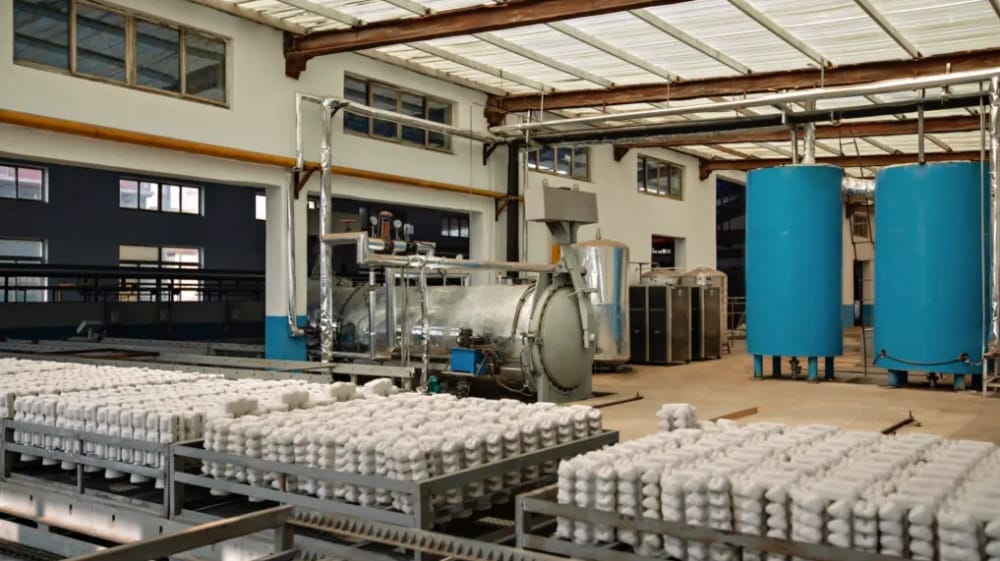
In der sich schnell entwickelnden Welt der Fertigung, der, Präzisionsmetallguss Hat sich als eine entscheidende Technologie für die Herstellung hochwertiger, komplexer Komponenten herausgestellt Branchen, die von Luft - und Raumfahrt, Automobil, und Elektronik bis hin zu medizinischen Geräten reichen, setzen auf Präzisionsmetallguss, um immer strengere Anforderungen an Leistung, Haltbarkeit und Abmessungen zu erfüllen Laut einem Bericht von MarketsandMarkets (2025) wird der globale Markt für Präzisionsmetallguss voraussichtlich erreichen $12,5 Milliarden bis 2030, Wachstum bei einer CAGR von 6.8%, angetrieben durch die Nachfrage nach leichten, hochfesten Bauteilen.
Von der Integration der additiven Fertigung bis hin zur KI-gesteuerten Prozessüberwachung verändern Innovationen im Präzisionsmetallguss die Art und Weise, wie Komponenten entworfen, hergestellt und gewartet werden. Dieser Leitfaden untersucht die neuesten Trends, praktischen Erkenntnisse und Expertenperspektiven, um Herstellern, Ingenieuren und Beschaffungsexperten dabei zu helfen, ihre Gießprozesse zu optimieren und fundierte Entscheidungen zu treffen.
Schlüssel zum Mitnehmen dieses Blogs
- Entdecken Sie die neuesten Innovationen im Präzisionsmetallguss
- Verstehen Sie Materialauswahlstrategien und Hochleistungslegierungen
- Vergleichen Sie Präzisionsmetallguss mit traditionellen Gussmethoden
- Lernen Sie Prozessoptimierungstechniken und vorausschauende Wartungsstrategien kennen
- Entdecken Sie Fallstudien, Daten und Experteneinblicke aus der Branche
- Greifen Sie auf Antworten auf häufig gestellte Fragen mit praktischer Anleitung zu
Verständnis Präzisionsmetallguss
Was ist Präzisionsmetallguss?
Präzisionsmetallguss ist ein Herstellungsverfahren, das durch kontrollierte Formenbau - und Metallgießtechniken hochpräzise Metallbauteile erzeugt, im Gegensatz zum herkömmlichen Sandguss bietet Präzisionsguss:
- Engere Toleranzen, oft innerhalb ±0,01 mm bis ±0,1 mm
- Komplexe Geometrien, einschließlich dünner Wände, interner Kanäle und komplizierter Muster
- Reduzierte Nachbearbeitung, was Zeit und Kosten spart
Expertenmeinung: Dr. Sarah Collins, Metallurgieingenieurin am MIT, betont: “Fertigguss ermöglicht es Designern, Geometrien zu erstellen, die bisher unmöglich waren, und dabei mechanische Festigkeit und Zuverlässigkeit zu wahren”.”
Schlüsselkomponenten eines Präzisionsmetallguss System
- Schimmel: Keramik-, Siliciumdioxid- oder Verbundmaterialien zur Formung geschmolzenen Metalls
- Kern: Einsätze, die innere Hohlräume im Bauteil erzeugen
- Ausgießsystem: Steuert den Metallfluss, um Turbulenzen und Defekte zu minimieren
- Kühlsystem: Sorgt für eine gleichmäßige Erstarrung und reduziert Eigenspannungen
Vorteile des Präzisionsmetallgusses
- Maßgenauigkeit: Ideal für Komponenten, die eine exakte Passform erfordern
- Material Vielseitigkeit: Funktioniert mit Aluminium, Edelstahl, Nickellegierungen und Kobaltlegierungen
- Verbesserte Oberflächenoberfläche: Reduziert Bearbeitungs- und Veredelungsanforderungen
- Konsistenz: Ermöglicht die Massenproduktion identischer hochwertiger Teile
Aktuelle Innovationen in Präzisionsmetallguss Technologie
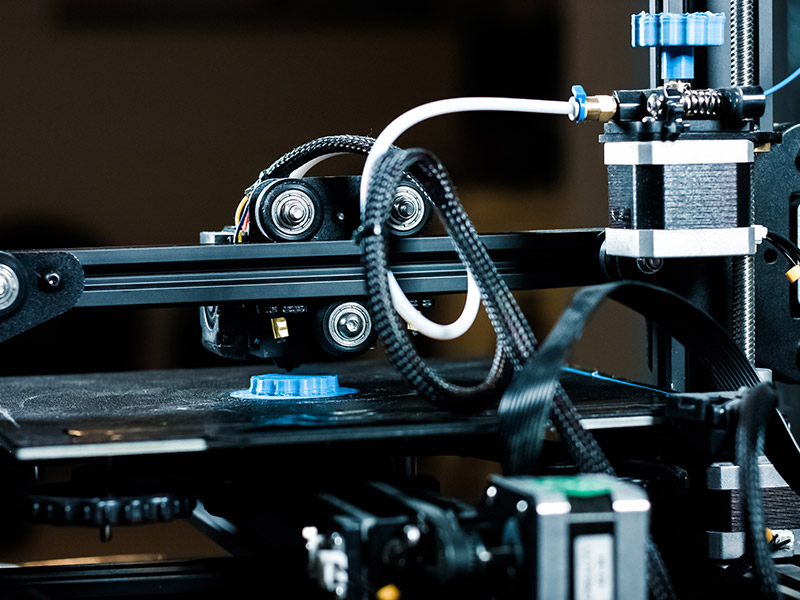
Additive Fertigung für die Form- und Mustererstellung
- Der 3 D-Druck ermöglicht eine schnelle Erstellung von Keramikformen oder Wachsmustern
- Reduziert die Vorlaufzeit von Wochen auf Tage
- Unterstützt komplexe Innengeometrien für Kühlkanäle, Flüssigkeitskanäle und leichte Strukturen
Fallbeispiel: Airbus verwendet 3 D-gedruckte Wachsmuster für Turbinenkomponenten und reduziert so die Vorlaufzeit um 40% Bei gleichzeitiger Verbesserung der Präzision und Wiederholbarkeit.
Fortschrittliche Formmaterialien
- Neue Keramik - und Verbundformen halten höheren Temperaturen stand und erhalten Formstabilität
- Reduzieren Sie Defekte wie Verformung, Schrumpfung und Oberflächenrauheit
- Ermöglichen Sie das Gießen von Hochschmelzpunktlegierungen wie Superlegierungen auf Nickelbasis
Dateneinblicke: Eine Studie des International Journal of Metalcasting (2024) ergab, dass fortschrittliche Keramikformen Porositätsfehler reduzierten 35% Im Vergleich zu herkömmlichen Silica-Formen.
Automatisierung und KI-Überwachung
- IoT-Sensoren und KI analysieren Temperatur, Durchfluss und Erstarrung in Echtzeit
- Vorausschauende Wartung reduziert ungeplante Ausfallzeiten um 30–40%
- Gewährleistet eine gleichbleibende Qualität für die Produktion in großen Stückzahlen
Expertenmeinung: Michael Thompson, leitender Ingenieur bei Siemens, bemerkt: “Die Integration von KI in die Gussüberwachung ermöglicht es uns, Mikrofehler zu erkennen, bevor sie zu strukturellen Fehlern werden, was die Zuverlässigkeit erheblich verbessert”
Präzisionsgießtechniken
- Vakuumguss: Entfernt Luftblasen, um die Porosität zu reduzieren
- Zentrifugalguss: Drückt Metall in Formen für dichtere, stärkere Teile
- Niederdruckguss: Reduziert Turbulenzen und Oxidbildung
Materialauswahl in Präzisionsmetallguss
Gängige Metalle und ihre Anwendungen
- Aluminiumlegierungen: Leicht, korrosionsbeständig, ideal für Automobil und Luft - und Raumfahrt
- Edelstahl: Hohe Festigkeit und Korrosionsbeständigkeit für medizinische, Lebensmittel- und industrielle Anwendungen
- Nickellegierungen: Hochtemperatur - und hochfeste Anwendungen in Turbinen und Luft - und Raumfahrt
- Kobaltlegierungen: Hervorragende Verschleißfestigkeit für Industrie- und Werkzeuganwendungen
Fortschrittliche Materialinnovationen
- Metall-Matrix-Verbundwerkstoffe verbessern die Verschleiß - und Ermüdungsbeständigkeit
- Oberflächenbeschichtungen wie Nickel, Keramik oder Epoxidharz verbessern die Korrosions- und Hitzebeständigkeit
- Pulvermetallurgische Techniken ermöglichen Hybridkomponenten mit unterschiedlichen Materialeigenschaften
Vergleich von Materialien für spezifische Anwendungen
| Material | Stärke | Korrosionsbeständigkeit | Anwendung |
|---|---|---|---|
| Aluminiumlegierung | Mäßig | Hoch | Automobil, Luft - und Raumfahrt Leichtbaukomponenten |
| Edelstahl | Hoch | Sehr hoch | Medizinische, chemische, Lebensmittelverarbeitung |
| Nickellegierung | Sehr hoch | Hoch | Turbinen, Luft - und Raumfahrt, Hochtemperaturteile |
| Kobaltlegierung | Hoch | Mäßig | Industrielle Werkzeuge, verschleißfeste Bauteile |
Präzisionsmetallguss vs. traditionelles Casting

Einschränkungen des traditionellen Gießens
- Geringere Maßgenauigkeit (±0,51 mm)
- Höhere Nachbearbeitungsanforderungen
- Begrenzte Fähigkeit, komplexe Geometrien herzustellen
Vorteile des Präzisionsmetallgusses
- Enge Toleranzen (±0,01 – 0,1 mm)
- Komplexe dünnwandige und innere Strukturen
- Verbesserte Materialeffizienz und reduzierter Abfall
Seitenvergleich
| Besonderheit | Traditionelles Casting | Präzisionsmetallguss |
|---|---|---|
| Genauigkeit | ±0,5 1 mm | ±0,01 –1 mm |
| Komplexität | Beschränkt | Hoch |
| Oberflächenbeschaffenheit | Grob, erfordert Bearbeitung | Glatte, minimale Veredelung |
| Materialabfall | Hoch | Niedrig |
| Produktionszeit | Mäßig | Schneller für kleine Chargen |
Prozessoptimierung und -wartung
Inspektionstechniken
- Röntgen- und CT-Scanning: Erkennen Sie innere Porosität, Risse und Einschlüsse
- 3 D-Laserscanning: Gewährleistet Maßgenauigkeit
- Oberflächenmikroskopie: Prüft Rauheit und kleinräumige Mängel
Vorbeugende Wartung
- Reinigen Sie Formen und Kerne, um Verunreinigungen vorzubeugen
- Überwachen Sie die Ofentemperaturen auf eine gleichbleibende Schmelzqualität
- Wartung automatisierter Gießgeräte zur Präzisionskontrolle
Vorausschauende Wartung mit KI
- Sensoren erkennen Abweichungen in Durchfluss, Temperatur oder Vibration
- Algorithmen für maschinelles Lernen sagen Ausfälle voraus, bevor sie auftreten
- Reduziert unerwartete Ausfallzeiten um Bis zu 40%
Branchenfallstudien und Experteneinblicke
Luft- und Raumfahrtanwendungen
- Airbus und Boeing setzen auf Präzisionsmetallguss für leichte Turbinenschaufeln
- 3 D-gedruckte Wachsmuster in Kombination mit hochchromigen Formen verbessern die Genauigkeit und reduzieren die Vorlaufzeit
Automobilanwendungen
- Für Motorblöcke und Strukturbauteile werden Präzisions-Aluminiumgussteile verwendet
- Volvo berichtet 15 – 201 TP3 T Gewichtsreduzierung und verbesserte Kraftstoffeffizienz durch Präzisionsgusskomponenten
Expertenmeinung
- Dr. Laura Jenkins, Materialwissenschaftlerin: “Präzisionsmetallguss ist nicht mehr nur eine traditionelle Technik; es ist eine Hightech-Lösung für moderne technische Herausforderungen”
Zukünftige Trends in Präzisionsmetallguss
- Nachhaltige Fertigung: Energieeffiziente Öfen, recycelte Metalle und abfallarme Techniken
- Hybridfertigung: Kombinieren von Guss mit additiver Fertigung für optimale Teileperformance
- Intelligente Fabriken: IoT-fähige Sensoren überwachen jeden Schritt zur Qualitätskontrolle
- Fortschrittliche Legierungen und Verbundwerkstoffe: Höhere Leistung in den Bereichen Luft- und Raumfahrt, Automobil und Energie
Häufig gestellte Fragen
Wovon Branchen am meisten profitieren Präzisionsmetallguss?
Die Luft- und Raumfahrt-, Automobil-, Medizin- und Industriemaschinenindustrie profitiert von hoher Genauigkeit, Materialeffizienz und komplexen Geometrien.
Wie minimiere ich Defekte wie Porosität oder Schrumpfung?
Verwenden Sie fortschrittliche Formmaterialien, steuern Sie den Metallfluss, wenden Sie Vakuum- oder Niederdrucktechniken an und überwachen Sie Prozessparameter in Echtzeit.
Können kleine Chargen effizient produziert werden?
Ja, additive Fertigung für Formmuster und automatisierte Gießsysteme machen die Kleinserienproduktion kostengünstig.
Wie verbessert die Automatisierung den Präzisionsmetallguss?
KI und Sensoren erkennen Fehler frühzeitig, sorgen für ein gleichmäßiges Gießen und optimieren die Kühlung, reduzieren Abfall und verbessern die Qualität.
Welche Metalle eignen sich am besten für Hochtemperaturanwendungen?
Nickel- und Kobaltlegierungen bieten hervorragende Festigkeit und Beständigkeit gegen thermische Ermüdung für Luft- und Raumfahrt- und Industriekomponenten.
Produktkategorien
- Ventilteile
- Wasserpumpenteile
- Lagergehäuseteile
- Druckgussteile
- Pumpenprodukte aus Edelstahl
- Pumpenprodukte aus Gusseisen
- Ventilteile für den Automobilgebrauch
- Autoteile
- Ventilteile für den zivilen Gebrauch
- Vakuumpumpenteile KF

Lassen Sie uns Ihr nächstes Projekt starten!
Starten Sie Ihr Projekt mit Leierwo
1. Senden Sie Ihre Anfrage
2. Kostenkalkulation
3. Produktion starten
4. Lieferung vereinbaren
Häufig gestellte Fragen
Ja, wir verfügen über umfassende Erfahrung im internationalen Handel und unterstützen unsere Kunden gerne bei der Exportzollabfertigung und Versandabwicklung. Wir bieten verschiedene Handelsbedingungen wie FOB, CIF und DDP an, um unterschiedlichen Logistikanforderungen gerecht zu werden. Wir akzeptieren verschiedene internationale Zahlungsmethoden, darunter T/T (Telegraphic Transfer), elektronische Überweisung und Akkreditiv (L/C). Die Zahlungsbedingungen können Sie mit unserem Vertriebsteam besprechen.
Durch die Partnerschaft mit Leierwo profitieren Sie von wettbewerbsfähigen Preisen und überlegener Qualität im Vergleich zu anderen Anbietern. Darüber hinaus bieten wir eine Komplettlösung für die Lieferung fertiger Teile, einschließlich CNC-Bearbeitung und Oberflächenbehandlung, und gewährleisten so einen reibungslosen Produktionsprozess.
Wir verfügen über moderne Gussanlagen und strenge Qualitätskontrollsysteme. Unsere monatliche Produktionskapazität ist beträchtlich und wir können Produkte nach Kundenzeichnungen oder Mustern fertigen. Wir akzeptieren sowohl kleine Probeaufträge als auch Großserienproduktionen.
Unsere Produkte entsprechen internationalen Normen wie ASTM, AISI, DIN und JIS. Wir stellen Materialprüfberichte und entsprechende Zertifizierungen bereit, um sicherzustellen, dass die Produktqualität den Kundenanforderungen entspricht.
Wir befolgen strikt das Qualitätsmanagementsystem ISO 9001 und führen während des gesamten Produktionsprozesses zahlreiche Prüfungen durch, darunter spektrografische Analysen, Röntgenprüfungen, Ultraschallprüfungen und Maßmessungen. Diese Qualitätskontrollmaßnahmen garantieren, dass unsere Gussteile den höchsten Standards entsprechen.
Unsere Mindestbestellmenge hängt von der Art und Komplexität des Produkts ab. Wir sind jedoch flexibel und offen für die Besprechung Ihrer spezifischen Anforderungen.
Unsere Standardproduktionszeit beträgt 4–6 Wochen, abhängig von Bestellmenge und Produktkomplexität. Wir sind bestrebt, die Lieferzeiten zu verkürzen, um den Kundenanforderungen gerecht zu werden.
Ja, wir können Muster zur Qualitätsprüfung bereitstellen. Musterkosten und Versandkosten können ausgehandelt werden. Die Mustergebühren können bei einer formellen Bestellung erstattet werden.
 German
  English
  Spanish
  Arabic
  Malay
Malay