
10 Unterschiede zwischen ätherischem Gusseisen und Edelstahl
Willkommen auf meinem Blog!
Ich freue mich sehr, dass du hier bist! Bevor wir uns in die Inhalte vertiefen, würde ich mich freuen, wenn du mir auf meinen Social-Media-Plattformen folgst. Dort teile ich zusätzliche Einblicke, vernetze mich mit unserer großartigen Community und halte dich über die neuesten Nachrichten auf dem Laufenden. So bleibst du in Verbindung:
📘 Facebook: Shanghai Leierwo Industriehandel Co., Ltd.
Lassen Sie uns gemeinsam auf diese Reise gehen! Ich hoffe, Sie finden die Inhalte hier nicht nur aufschlussreich, sondern auch inspirierend und wertvoll. Los geht‘s!
Inhaltsverzeichnis
Einführung
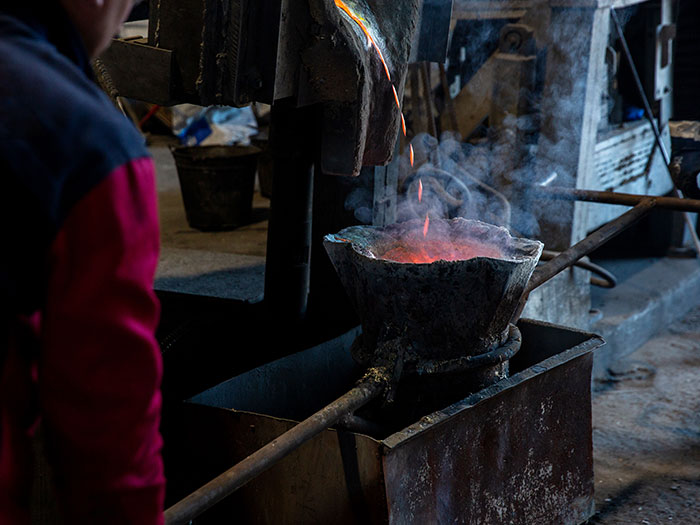
Der Vergleich von Gusseisen vs. Edelstahl ist eine der häufigsten und wichtigsten Debatten innerhalb der Gießindustrie. Beide Materialien haben eine lange Geschichte und werden häufig für strukturelle, mechanische und industrielle Anwendungen verwendet. Ihre Leistung, Haltbarkeit, Gießverhalten, Mikrostruktur und Kosten variieren erheblich. Deshalb müssen Ingenieure, Gießereien und Hersteller die Unterschiede zwischen ihnen bewerten, bevor sie ein Material für einen bestimmten Zweck auswählen.
Gießprofis verstehen, dass die Materialauswahl nahezu jede Produktionsstufe prägt, vom Formdesign bis zum Schmelzverhalten, der Erstarrungsgeschwindigkeit, dem Bearbeitungsschwierigkeit, der Oberflächenbehandlung und der Langzeitleistung. Der Kontrast zwischen Gusseisen und Edelstahl wird besonders wichtig bei Anwendungen, bei denen Festigkeit, Korrosionsbeständigkeit, thermische Stabilität oder Verschleißfestigkeit von wesentlicher Bedeutung sind.
Dieser Artikel untersucht die 10 wesentlichen Unterschiede, die zur Unterscheidung dieser beiden wichtigen Materialien beitragen, und konzentriert sich dabei auf Gießeigenschaften, Gießereiüberlegungen, metallurgisches Verhalten und anwendungsspezifische Anforderungen. Ziel ist es, eine umfassende, technisch genaue Ressource für Ingenieure, Gießspezialisten und Fachleute bereitzustellen, die in modernen Gießereiumgebungen arbeiten.
1. Unterschiede in der Legierungszusammensetzung in Gusseisen vs Edelstahl
Der grundlegende Unterschied zwischen Gusseisen und Edelstahl beginnt bei der Legierungszusammensetzung Gusseisen enthält typischerweise 2,04,01TP3 T Kohlenstoff, zusammen mit unterschiedlichen Mengen an Silizium, Mangan und Spurenelementen Edelstahl hingegen enthält weit weniger Kohlenstoff, normalerweise 0,031,01TP3 T, kombiniert mit Chromgehalten von mindestens 10,51TP3 T, die Korrosionsbeständigkeit bieten.
Beim Gießen beeinflussen diese Unterschiede Schmelztemperatur, Erstarrung, Fließfähigkeit und Mikrostruktur Durch den hohen Kohlenstoffgehalt von Gusseisen entstehen je nach Typ Graphitflocken oder - knollen, was sich auf Härte, Sprödigkeit und Bearbeitbarkeit auswirkt Edelstahl bildet eine viel gleichmäßigere Mikrostruktur, was sich positiv auf die Festigkeit auswirkt, aber Herausforderungen in der Gießflüssigkeit mit sich bringt.
Metallurgen und Gießingenieure müssen die Legierungszusammensetzung sorgfältig analysieren, um vorherzusagen, wie sich das Material in Formen verhält, wie lange es dauert, bis es erstarrt, und welche endgültigen mechanischen Eigenschaften zu erwarten sind.
2. Mechanischer Festigkeitsvergleich in Gusseisen gegen Edelstahl
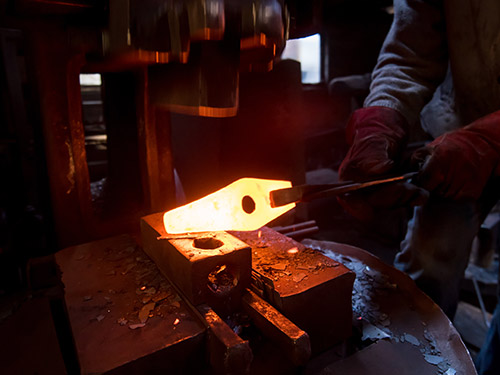
Einer der wichtigsten Unterschiede zwischen Gusseisen und Edelstahl ist die mechanische Festigkeit. Edelstahl bietet typischerweise eine höhere Zugfestigkeit, eine bessere Dehnung und eine überlegene Zähigkeit. Gusseisen, insbesondere Grauguss, hat eine hohe Druckfestigkeit, aber eine schlechte Schlagfestigkeit. Knotenförmiges (duktiles) Eisen verringert jedoch den Leistungsunterschied, indem es eine bessere Dehnung und eine verbesserte Zähigkeit bietet.
Die Wahl zwischen den Materialien hängt stark von den Betriebsbedingungen ab Für Anwendungen, die eine starke strukturelle Zuverlässigkeit erfordern, wird häufig Edelstahl bevorzugt, bei Bauteilen, die einer Kompression ausgesetzt sind oder Dämpfungseigenschaften benötigen, bleibt Gusseisen ein starker Anwärter.
Diese Festigkeitsschwankungen spielen eine entscheidende Rolle bei Gussentscheidungen. Ingenieure müssen die Bedingungen vorhersehen, denen Gusskomponenten ausgesetzt sein werden, wie z. B. Lastzyklen, Thermoschock oder Vibrationen.
3. Unterschiede im Casting-Verhalten in Gusseisen gegen Edelstahl
In Gießereiumgebungen unterscheidet sich das Gießverhalten von Gusseisen gegenüber Edelstahl substantiell Gusseisen hat eine ausgezeichnete Fließfähigkeit, was es ideal für komplexe Designs, dünne Wände und komplizierte Formen macht Sein Erstarrungsmuster erlaubt detailreiches Gießen mit weniger Defekten.
Edelstahl ist hingegen weitaus schwieriger zu gießen Seine höhere Schmelztemperatur erhöht den Formverschleiß und den Energieverbrauch, zudem hat er eine geringere Fließfähigkeit, was fortschrittlichere Gating-Systeme und Temperaturregelung erfordert Die Wahrscheinlichkeit von Schrumpfungsfehlern ist aufgrund der stärkeren Kontraktion beim Abkühlen höher.
Diese Unterschiede betreffen den Arbeitsablauf der Gießerei, die Werkzeugkosten, die Zykluszeit und das erforderliche Qualifikationsniveau. Gießereien, die auf Edelstahl spezialisiert sind, verwenden in der Regel ausgefeiltere Gusstechnologien wie Vakuumguss oder Feinguss.
4. Vergleich der Wärmeleitfähigkeit von Gusseisen gegen Edelstahl
Wärmeleitfähigkeit ist beim Gießen und in Serviceumgebungen wie Automobilen, Kochgeschirr, Energiesystemen oder Industriemaschinen von entscheidender Bedeutung.
Gusseisen überträgt Wärme effizient und verteilt die Temperatur gleichmäßig. Aus diesem Grund wird es häufig in Motorblöcken, Verteilern und Anwendungen eingesetzt, die eine gleichmäßige Wärmespeicherung erfordern.
Edelstahl hat hingegen eine viel geringere Wärmeleitfähigkeit, er erwärmt sich langsam und ungleichmäßig, was bei Anwendungen wichtig ist, bei denen die Wärmeübertragung kontrolliert werden muss, wie etwa bei der Lebensmittelverarbeitung oder bei chemischen Geräten.
Der thermische Verhaltensunterschied beeinflusst auch Gussfehler Edelstahl kühlt in einigen Bereichen langsamer und in anderen schneller ab, wodurch es wahrscheinlicher ist, dass es Hot Spots oder innere Spannungen entwickelt, wenn es nicht sorgfältig verwaltet wird.
5. Korrosionsbeständigkeit: Unterschiede zwischen Gusseisen und Edelstahl
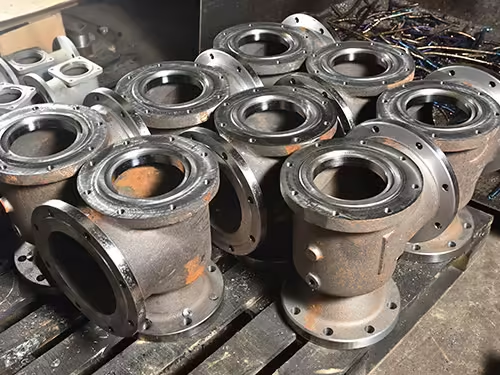
Das Korrosionsverhalten ist einer der Kernfaktoren, die Ingenieure analysieren, wenn sie Gusseisen mit Edelstahl vergleichen Edelstahl zeichnet sich durch seinen Chromgehalt aus, der eine passive Oxidschicht bildet, die Rost verhindert Dadurch eignet sich Edelstahl ideal für feuchtigkeitsreiche Umgebungen, Meeressysteme und chemische Verarbeitung.
Gusseisen hingegen korrodiert ohne Schutz schnell, Beschichtungen und Oberflächenbehandlungen können zwar seine Lebensdauer verlängern, aber es passt selten zur langfristigen Korrosionsbeständigkeit von Edelstahl.
Gießereien, die Edelstahlgusskomponenten herstellen, bedienen häufig Branchen, in denen Hygiene, Hygiene oder die Exposition gegenüber ätzenden Substanzen von entscheidender Bedeutung sind.
6. Verschleißwiderstandsunterschiede in Gusseisen vs. Edelstahl
Die Verschleißfestigkeit bestimmt häufig, welches Material in industriellen Schwerlastanwendungen ausgewählt wird Gusseisen, insbesondere Weißeisen, ist aufgrund seiner Karbidstruktur äußerst verschleißfest Es hält Abrieb, Erosion und wiederholten mechanischen Stößen stand.
Edelstahl hat eine gute Verschleißfestigkeit, entspricht aber nicht der Schleifbeständigkeit von Gusseisensorten mit hohem Kohlenstoffgehalt. Edelstahl schneidet unter Bedingungen mit Korrosion oder hoher Temperatur besser ab, kann sich jedoch unter Schleifbelastungen schneller abnutzen.
Gießereien, die Bergbau-, Schwermaschinen- oder Baumaschinen liefern, bevorzugen aufgrund ihrer Haltbarkeit in Umgebungen mit hoher Reibung häufig Gusseisen.
7. Bearbeitbarkeit von Gusseisen- und Edelstahlkomponenten
Die Bearbeitbarkeit ist ein wesentlicher Kostenfaktor bei der Herstellung, Gusseisen ist im Allgemeinen einfacher zu bearbeiten, da die Graphitstruktur als natürliches Schmiermittel wirkt, Dies reduziert den Werkzeugverschleiß und ermöglicht schnellere Bearbeitungsgeschwindigkeiten.
Edelstahl ist viel schwieriger zu bearbeiten und erzeugt Wärme, die Werkzeuge beschädigen kann. Spezialisierte Fräser, Kühlmittelsysteme und langsamere Bearbeitungsgeschwindigkeiten sind erforderlich.
Diese Unterschiede wirken sich auf die Vorlaufzeit, die Bearbeitungskosten und die Endpreisgestaltung der Komponenten aus.
8. Anwendungen in der Gießindustrie: Gusseisen vs. Edelstahl

Die Gießindustrie verwendet beide Materialien umfangreich, aber auf unterschiedliche Weise Gusseisen ist dominant in schweren Maschinen, Automobilteilen, Rohrsystemen und Strukturkomponenten Seine Erschwinglichkeit und Gießfreundlichkeit machen es ideal für die Massenproduktion.
Edelstahlgussteile werden in Branchen verwendet, die Korrosionsbeständigkeit, Hygiene oder hohe mechanische Festigkeit erfordern. Dazu gehören Lebensmittelverarbeitungsgeräte, Pumpen, Ventile, Chemikalienbehälter, Schiffskomponenten und medizinische Werkzeuge.
Nachfolgend finden Sie eine einfache Tabelle mit der Zusammenfassung der Anwendungsunterschiede:
| Anwendungstyp | Bevorzugtes Material | Vernunft |
|---|---|---|
| Umgebungen mit hohem Verschleiß | Gusseisen | Überlegene Abriebfestigkeit |
| Ätzende Umgebungen | Edelstahl | Chrombasierter Schutz |
| Komplexe Gussformen | Gusseisen | Ausgezeichnete Fließfähigkeit |
| Hygienische Ausrüstung | Edelstahl | Leicht zu reinigen und zu desinfizieren |
| Kostengünstige Massenproduktion | Gusseisen | Wirtschaftlich und maschinell bearbeitbar |
Dieser Vergleich zeigt, wie Materialeigenschaften Gießereientscheidungen prägen und die Gießergebnisse beeinflussen.
9. Kostenbewertung von Gusseisen vs. Edelstahl im Guss
Die Kosten sind einer der entscheidendsten Faktoren bei der Gießherstellung Gusseisen ist erheblich billiger in der Herstellung, mit niedrigeren Schmelztemperaturen, einfacherer Bearbeitbarkeit und kostengünstigeren Legierungselementen Es ermöglicht auch schnellere Zykluszeiten und eine flexiblere Formgestaltung.
Edelstahl ist in jeder Stufe teurer Legierungselemente wie Chrom und Nickel erhöhen die Rohstoffkosten, und sein anspruchsvolles Gießverhalten erhöht die Produktionskosten Auch der Energieverbrauch ist aufgrund der erhöhten Schmelztemperaturen höher.
Gießereien müssen bewerten, ob die Leistungsvorteile die Kosten rechtfertigen.
10. Langfristige Leistungs- und Haltbarkeitsunterschiede
Der letzte wesentliche Unterschied zwischen Gusseisen und Edelstahl ist die langfristige Haltbarkeit. Edelstahl bietet eine überlegene Gesamtlebenserwartung, wenn Korrosion, Festigkeit und Umweltexposition berücksichtigt werden. Gusseisen bietet hervorragende Stabilität bei hohen Belastungen, stabile thermische Leistung und hohe Verschleißfestigkeit.
Ingenieure müssen das Gleichgewicht zwischen mechanischen Anforderungen, Umgebungsbedingungen, Wartungsbedarf und Budgetbeschränkungen abwägen, bevor sie ein Material auswählen.
Abschluss
Der Vergleich von Gusseisen gegen Edelstahl Offenbart eine komplexe Landschaft metallurgischer, mechanischer und gussbezogener Unterschiede. Jedes Material hat seine eigenen Stärken, Schwächen und idealen Anwendungen in der Gießindustrie.
Gusseisen bietet eine wirtschaftliche Produktion, eine hervorragende Verschleißfestigkeit und eine überlegene Bearbeitbarkeit Edelstahl bietet eine fortschrittliche Korrosionsbeständigkeit, hohe Zähigkeit und zuverlässige Langzeitleistung Die richtige Wahl hängt von den funktionalen Anforderungen, Umgebungsbedingungen und Kostenschwellen der endgültigen Anwendung ab.
Durch das Verständnis dieser 10 wesentlichen Unterschiede können Gießprofis fundierte Entscheidungen treffen, die Leistung, Haltbarkeit und Fertigungseffizienz optimieren.
Häufig gestellte Fragen
1. Welches Material ist einfacher zu gießen, Gusseisen oder Edelstahl?
Gusseisen lässt sich aufgrund seiner überlegenen Fließfähigkeit und niedrigeren Schmelztemperatur leichter gießen Edelstahl erfordert eine fortschrittlichere Prozesskontrolle.
2. Welches Material hat eine bessere Korrosionsbeständigkeit?
Edelstahl hat wegen seines Chromgehalts und der passiven Oxidschicht eine deutlich bessere Korrosionsbeständigkeit.
3. Ist Edelstahl stärker als Gusseisen?
Ja, Edelstahl hat im Allgemeinen eine höhere Zugfestigkeit und Zähigkeit, obwohl Gusseisen eine ausgezeichnete Druckfestigkeit aufweist.
4. Welches Material ist kostengünstiger für den Guss?
Gusseisen ist in der Regel kostengünstiger, da es einfacher gegossen, die Schmelztemperatur gesenkt und die Bearbeitung einfacher ist.
5. Kann Gusseisen in korrosiven Umgebungen verwendet werden?
Es kann mit Schutzbeschichtungen oder Behandlungen verwendet werden, aber Edelstahl bleibt unter korrosiven Bedingungen die überlegene Wahl.
Produktkategorien
- Ventilteile
- Wasserpumpenteile
- Lagergehäuseteile
- Druckgussteile
- Pumpenprodukte aus Edelstahl
- Pumpenprodukte aus Gusseisen
- Ventilteile für den Automobilgebrauch
- Autoteile
- Ventilteile für den zivilen Gebrauch
- Vakuumpumpenteile KF

Lassen Sie uns Ihr nächstes Projekt starten!
Starten Sie Ihr Projekt mit Leierwo
1. Senden Sie Ihre Anfrage
2. Kostenkalkulation
3. Produktion starten
4. Lieferung vereinbaren
Häufig gestellte Fragen
Ja, wir verfügen über umfassende Erfahrung im internationalen Handel und unterstützen unsere Kunden gerne bei der Exportzollabfertigung und Versandabwicklung. Wir bieten verschiedene Handelsbedingungen wie FOB, CIF und DDP an, um unterschiedlichen Logistikanforderungen gerecht zu werden. Wir akzeptieren verschiedene internationale Zahlungsmethoden, darunter T/T (Telegraphic Transfer), elektronische Überweisung und Akkreditiv (L/C). Die Zahlungsbedingungen können Sie mit unserem Vertriebsteam besprechen.
Durch die Partnerschaft mit Leierwo profitieren Sie von wettbewerbsfähigen Preisen und überlegener Qualität im Vergleich zu anderen Anbietern. Darüber hinaus bieten wir eine Komplettlösung für die Lieferung fertiger Teile, einschließlich CNC-Bearbeitung und Oberflächenbehandlung, und gewährleisten so einen reibungslosen Produktionsprozess.
Wir verfügen über moderne Gussanlagen und strenge Qualitätskontrollsysteme. Unsere monatliche Produktionskapazität ist beträchtlich und wir können Produkte nach Kundenzeichnungen oder Mustern fertigen. Wir akzeptieren sowohl kleine Probeaufträge als auch Großserienproduktionen.
Unsere Produkte entsprechen internationalen Normen wie ASTM, AISI, DIN und JIS. Wir stellen Materialprüfberichte und entsprechende Zertifizierungen bereit, um sicherzustellen, dass die Produktqualität den Kundenanforderungen entspricht.
Wir befolgen strikt das Qualitätsmanagementsystem ISO 9001 und führen während des gesamten Produktionsprozesses zahlreiche Prüfungen durch, darunter spektrografische Analysen, Röntgenprüfungen, Ultraschallprüfungen und Maßmessungen. Diese Qualitätskontrollmaßnahmen garantieren, dass unsere Gussteile den höchsten Standards entsprechen.
Unsere Mindestbestellmenge hängt von der Art und Komplexität des Produkts ab. Wir sind jedoch flexibel und offen für die Besprechung Ihrer spezifischen Anforderungen.
Unsere Standardproduktionszeit beträgt 4–6 Wochen, abhängig von Bestellmenge und Produktkomplexität. Wir sind bestrebt, die Lieferzeiten zu verkürzen, um den Kundenanforderungen gerecht zu werden.
Ja, wir können Muster zur Qualitätsprüfung bereitstellen. Musterkosten und Versandkosten können ausgehandelt werden. Die Mustergebühren können bei einer formellen Bestellung erstattet werden.
 German
  English
  Spanish
  Arabic
  Malay
Malay