
8 leistungsstarke Einblicke in Duplex-VS-Edelstahlguss
Willkommen auf meinem Blog!
Ich freue mich sehr, dass du hier bist! Bevor wir uns in die Inhalte vertiefen, würde ich mich freuen, wenn du mir auf meinen Social-Media-Plattformen folgst. Dort teile ich zusätzliche Einblicke, vernetze mich mit unserer großartigen Community und halte dich über die neuesten Nachrichten auf dem Laufenden. So bleibst du in Verbindung:
📘 Facebook: Shanghai Leierwo Industriehandel Co., Ltd.
Lassen Sie uns gemeinsam auf diese Reise gehen! Ich hoffe, Sie finden die Inhalte hier nicht nur aufschlussreich, sondern auch inspirierend und wertvoll. Los geht‘s!
Inhaltsverzeichnis
Einführung
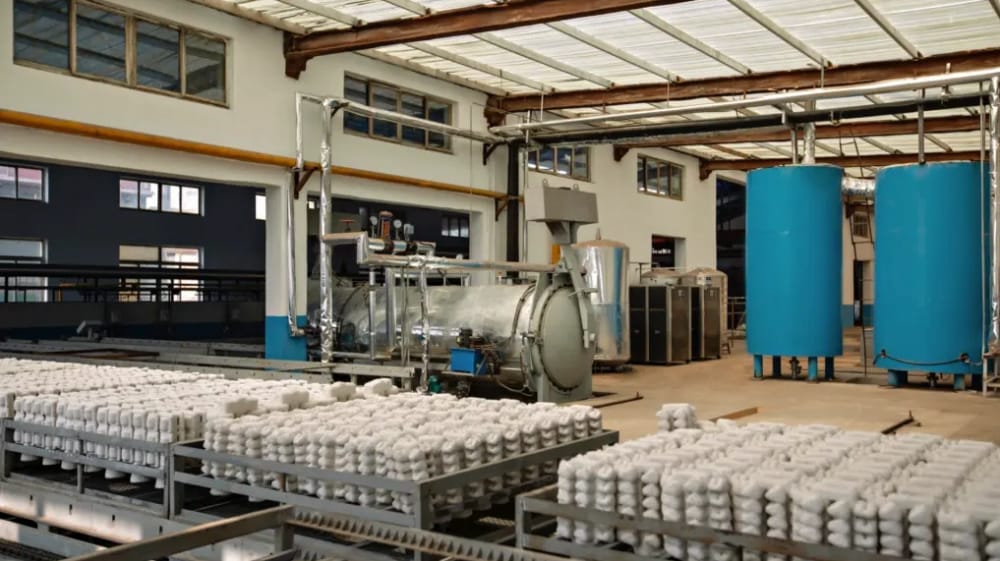
When it comes to industrial casting, selecting the right material can make or break the performance, durability, and cost-efficiency of components. Duplex and stainless steel are two widely used materials in the casting industry, each with distinct mechanical properties, corrosion resistance, and processing considerations. Understanding the differences between Duplex gegen Edelstahl is crucial for foundries, engineers, and procurement managers who need to ensure optimal performance for critical applications.
Duplex combines austenitic and ferritic microstructures, offering enhanced strength and corrosion resistance, while stainless steel is primarily austenitic or ferritic, providing reliable corrosion protection and ductility. This article provides eight powerful insights into Duplex vs Stainless Steel casting, drawing on real-world industrial examples, international best practices, and technical data to help decision-makers select the ideal material for their projects.
Insight 1: Mechanical Properties Comparison of Duplex gegen Edelstahl
One of the most important considerations in casting is the mechanical performance of the material. Duplex is known for its high tensile strength, often ranging between 620–880 MPa for standard grades like 2205, which is approximately twice that of typical austenitic stainless steels such as 304 or 316, which have tensile strengths around 500–600 MPa. The enhanced strength allows foundries to produce thinner-walled components without compromising structural integrity, saving material costs and reducing casting weight.
Stainless steel, while slightly lower in strength, offers excellent ductility and toughness, particularly in cryogenic applications or where impact resistance is critical. In applications where vibration or thermal expansion is a concern, the superior elongation of stainless steel can prevent cracking during service.
Insight 2: Corrosion Resistance and Environmental Considerations
Corrosion resistance is a key factor influencing material selection in casting operations. Duplex exhibits high resistance to stress corrosion cracking and pitting, particularly in chloride-rich environments, making it ideal for chemical processing, marine components, and wastewater treatment systems. Its mixed microstructure provides a balance between ferritic resistance to stress corrosion and austenitic resistance to general corrosion.
Stainless steel offers excellent general corrosion resistance and is widely used in sanitary applications, food processing, and pharmaceutical equipment. However, in highly aggressive environments with high chloride concentrations or where sulfuric acid is present, certain grades of stainless steel may require additional alloying or protective coatings.
Insight 3: Weldability and Casting Considerations
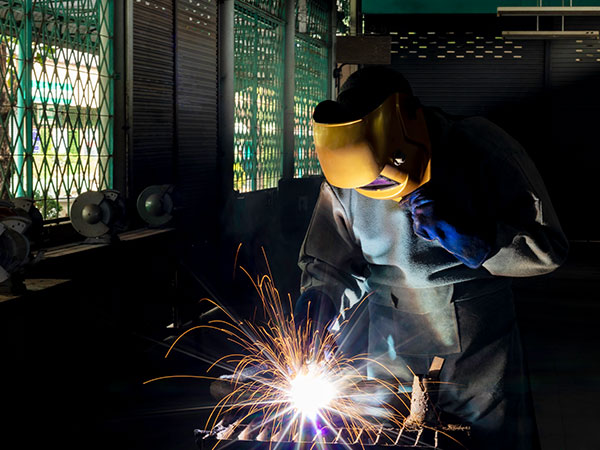
In Besetzung operations, the ability to weld and handle thermal cycles without distortion is crucial. Duplex is more sensitive to heat input during welding due to the risk of phase imbalance or sigma phase formation, which can compromise toughness and corrosion resistance. This requires precise control of preheat, interpass temperature, and post-weld heat treatment.
Stainless steel is generally more forgiving in welding, with a broader range of acceptable heat inputs and lower risk of microstructural degradation. Foundries producing large, complex castings often prefer stainless steel for components requiring extensive welding, although duplex can still be used effectively with proper procedures.
Insight 4: Cost and Lifecycle Implications
Bei der Bewertung Duplex gegen Edelstahl, cost considerations are critical. Duplex typically carries a higher upfront material cost due to alloying elements like chromium, molybdenum, and nitrogen, which enhance strength and corrosion resistance. However, its superior durability and reduced susceptibility to stress corrosion cracking can lead to longer service life and lower maintenance costs over the lifecycle of the component.
Stainless steel, while often less expensive initially, may require thicker sections or additional corrosion protection in aggressive environments, which can offset upfront savings. Lifecycle cost analysis is therefore essential for international buyers and project managers looking to optimize both performance and total cost of ownership.
Insight 5: Thermal Expansion and Casting Stability
Thermal expansion and dimensional stability during casting are often overlooked but critical factors. Duplex has a lower coefficient of thermal expansion compared to austenitic stainless steel, which reduces the risk of distortion or residual stresses in large castings subjected to temperature fluctuations. This is particularly valuable in heat exchangers, pressure vessels, and piping systems where dimensional accuracy is essential.
Stainless steel, with higher thermal expansion, may require careful design compensation, especially for large-scale castings or assemblies exposed to varying operating temperatures. Foundries working on international projects often prioritize materials that minimize shrinkage, warping, or post-casting machining.
Insight 6: Surface Finish and Machinability
In casting, surface finish and machinability impact both production efficiency and downstream processing. Duplex is harder than most stainless steels, which can lead to increased tool wear during machining and higher production costs. However, it also resists surface wear and abrasion in service, making it suitable for components exposed to friction or erosive fluids.
Stainless steel generally offers easier machinability, lower tool wear, and better polishability, which is advantageous for decorative castings, sanitary components, and precision equipment. Understanding these trade-offs allows foundries to optimize casting processes and tool selection.
Insight 7: International Industry Applications
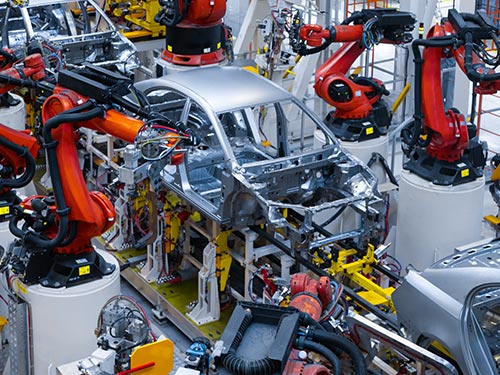
Globally, foundries use Duplex gegen Edelstahl in a variety of applications depending on environmental conditions, regulatory standards, and performance requirements. Duplex is prevalent in offshore oil and gas platforms, chemical reactors, desalination plants, and seawater heat exchangers due to its combined strength and corrosion resistance. Stainless steel dominates food and beverage equipment, pharmaceutical machinery, and architectural castings, where hygiene, corrosion resistance, and formability are priorities.
Understanding international industry trends helps B2B buyers anticipate regulatory compliance, material availability, and supplier capabilities for specific casting projects.
Insight 8: Sustainability and Long-Term Considerations
Sustainability is increasingly important for global industrial operations. Duplex, with its higher strength and durability, can reduce material usage and extend component life, contributing to lower environmental impact. Fewer replacements and maintenance cycles also reduce energy consumption and carbon footprint.
Stainless steel, while recyclable and long-lasting, may require thicker sections or additional coatings in harsh environments, which can slightly increase material use and energy consumption over time. Life-cycle assessment is critical for projects aiming to meet international environmental standards.
Operational Comparison Table: Duplex gegen Edelstahl
| Feature / Metrik | Duplex | Edelstahl | Implication for Casting |
|---|---|---|---|
| Zugfestigkeit | 620–880 MPa | 500–600 MPa | Duplex allows thinner sections, reducing weight |
| Korrosionsbeständigkeit | Excellent in chloride-rich environments | Excellent in general environments | Duplex preferred for aggressive chemicals |
| Schweißbarkeit | Requires careful heat control | More forgiving, easier welding | Stainless easier for large weld assemblies |
| Thermal Expansion | Untere | Höher | Duplex reduces distortion in large castings |
| Bearbeitbarkeit | Harder, tool wear higher | Easier, lower tool wear | Stainless improves production efficiency |
| Lebenszykluskosten | Higher upfront, lower maintenance | Lower upfront, possibly higher replacement | Duplex may offer better long-term ROI |
Abschluss
Auswahl zwischen Duplex gegen Edelstahl for casting applications requires a comprehensive understanding of mechanical properties, corrosion resistance, weldability, cost implications, thermal stability, machinability, and industry-specific requirements. Duplex offers high strength, superior resistance to stress corrosion, and dimensional stability, making it ideal for aggressive environments and long-life components. Stainless steel provides excellent general corrosion resistance, ease of welding, and versatility, particularly for hygienic and precision applications. By considering these eight insights, foundries and industrial buyers can make informed decisions that optimize performance, cost, and sustainability.
Häufig gestellte Fragen
What is the primary difference between Duplex gegen Edelstahl In Besetzung?
Duplex combines austenitic and ferritic structures for higher strength and corrosion resistance, while stainless steel provides reliable general corrosion protection and ductility.
Which material is better for aggressive chemical environments?
Duplex is generally preferred in chloride-rich or highly corrosive environments due to its superior stress corrosion cracking resistance.
Can duplex be welded like stainless steel?
Yes, but welding duplex requires strict heat input control to avoid sigma phase formation and maintain toughness.
How does cost compare between Duplex gegen Edelstahl?
Duplex has a higher initial cost but often lower long-term maintenance and replacement expenses; stainless steel may have lower upfront cost but could require thicker sections or additional protection.
Wovon Branchen am meisten profitieren Duplex gegen Edelstahl casting?
Duplex is widely used in chemical, offshore, desalination, and marine applications, while stainless steel is common in food, beverage, pharmaceutical, and architectural castings.
How does thermal expansion differ between Duplex gegen Edelstahl?
Duplex has a lower coefficient of thermal expansion, reducing the risk of distortion in large or high-temperature castings, while stainless steel may require design adjustments for thermal fluctuations.
Which material is easier to machine in casting applications?
Stainless steel is generally easier to machine due to lower hardness, while duplex is harder and more wear-resistant, which can increase tool wear but improves long-term durability.
What are the maintenance considerations for Duplex gegen Edelstahl castings?
Duplex often requires less frequent maintenance due to higher corrosion and wear resistance, whereas stainless steel may need additional coatings or thicker sections in aggressive environments.
Produktkategorien
- Ventilteile
- Wasserpumpenteile
- Lagergehäuseteile
- Druckgussteile
- Pumpenprodukte aus Edelstahl
- Pumpenprodukte aus Gusseisen
- Ventilteile für den Automobilgebrauch
- Autoteile
- Ventilteile für den zivilen Gebrauch
- Vakuumpumpenteile KF

 German
  English
  Spanish
  Arabic
  Malay
Malay