
7 ultimative Vorteile des Edelstahl-Feingusses
Willkommen auf meinem Blog!
Ich freue mich sehr, dass du hier bist! Bevor wir uns in die Inhalte vertiefen, würde ich mich freuen, wenn du mir auf meinen Social-Media-Plattformen folgst. Dort teile ich zusätzliche Einblicke, vernetze mich mit unserer großartigen Community und halte dich über die neuesten Nachrichten auf dem Laufenden. So bleibst du in Verbindung:
📘 Facebook: Shanghai Leierwo Industriehandel Co., Ltd.
Lassen Sie uns gemeinsam auf diese Reise gehen! Ich hoffe, Sie finden die Inhalte hier nicht nur aufschlussreich, sondern auch inspirierend und wertvoll. Los geht‘s!
Inhaltsverzeichnis
Einführung
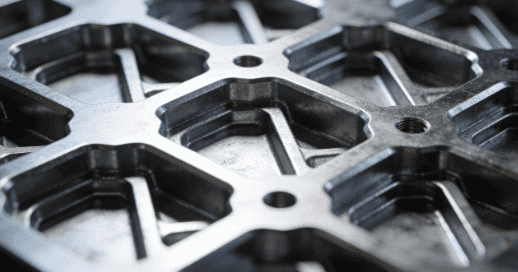
In der modernen Fertigung stehen Präzision und Zuverlässigkeit an erster Stelle. Edelstahl Feinguss Hat sich als bahnbrechende Lösung für anspruchsvolle Branchen herausgestellt Hochwertige, komplexe und langlebige Komponenten. Von der Luft - und Raumfahrt über medizinische Geräte, Automobil bis hin zu Energiegeräten ermöglicht dieses Verfahren den Herstellern, eine überlegene Leistung zu erzielen, ohne Kompromisse bei der Flexibilität des Designs oder den Materialeigenschaften einzugehen.
Dieser umfassende Leitfaden behandelt:
- Hauptvorteile des Feingusses aus Edelstahl
- Wie es im Vergleich zu anderen Metallumformungsverfahren abschneidet
- Materialauswahl und Designflexibilität
- Kosteneffizienz und Skalierbarkeit der Produktion
- Oberflächenbeschaffenheit und Präzisionsvorteile
- Mechanische Eigenschaften und Haltbarkeit
- Branchenanwendungen und reale Anwendungsfälle
- Häufig gestellte Fragen (FAQ) von Ingenieuren und Käufern
Was ist Edelstahl-Feinguss?
Konzept und Prozess
Beim Edelstahl-Feinguss, auch Wachsausschmelzguss genannt, wird ein Wachsmuster erzeugt, das mit einer Keramikschale beschichtet ist, sobald die Schale aushärtet, wird das Wachs ausgeschmolzen und durch geschmolzenen Edelstahl ersetzt. Anschließend wird die Keramikschale zerbrochen, um das fertige Teil freizulegen.
Warum es wichtig ist
Dieses Verfahren ermöglicht es Herstellern, Komponenten mit komplizierten Geometrien, dünnen Wänden und engen Toleranzen herzustellen, was beim herkömmlichen Sandguss oder Druckguss oft unmöglich ist. Es wird besonders bei Anwendungen bevorzugt, bei denen Präzision, Korrosionsbeständigkeit und mechanische Zuverlässigkeit Kritisch sind.
Experteneinblicke
Dr. Robert Lin, Materialingenieur bei Advanced Casting Solutions, Anmerkungen:
“Investmentguss ermöglicht uns, Maßgenauigkeit und Oberflächenqualität zu erreichen, die durch Bearbeitung oder andere konventionelle Methoden oft unerreichbar sind Für Luft - und Raumfahrt und medizinische Anwendungen ist es ein nicht verhandelbarer Prozess”
Hohe Präzision und Genauigkeit
Strengere Toleranzen
Durch Feinguss können Toleranzen von bis zu ±0,1 mm für mittelgroße Bauteile erreicht werden, diese hohe Präzision minimiert den Nachbearbeitungsbedarf, reduziert die Arbeitskosten und die Produktionszeit.
Konsistente Reproduktion
Einer der großen Vorteile ist die Wiederholbarkeit Mehrere Teile, die aus derselben Form hergestellt werden, behalten nahezu identische Abmessungen bei, was für Montagelinien und automatisierte Systeme unerlässlich ist.
Vergleich mit der Bearbeitung
| Verfahren | Typische Toleranz | Nachbearbeitung erforderlich | Kosten |
|---|---|---|---|
| Feinguss | ±0,1 mm | Minimal | Medium |
| CNC-Bearbeitung | ±0,05 mm | Mäßig | Hoch |
| Sandguss | ±0,5 mm | Umfangreich | Niedrig |
Komplexe Geometrien, einfach gemacht
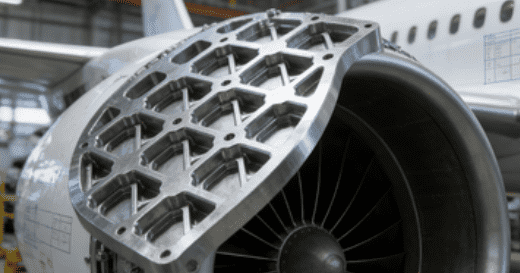
Designflexibilität
Edelstahl Feinguss Ermöglicht Herstellern, dünne Wände, Hinterschnitte und Hohlprofile ohne zusätzliche Montage zu erstellen Diese Flexibilität reduziert die Anzahl der Komponenten, die bei einer Endmontage erforderlich sind.
Reduzierter Montagebedarf
Die Herstellung komplexer Komponenten als Einzelstück reduziert Schweißnähte, Befestigungselemente oder Verbindungen, was nicht nur den Arbeitsaufwand senkt, sondern auch potenzielle Fehlerpunkte bei Anwendungen mit hoher Belastung minimiert.
Fallstudie
Ein Luft - und Raumfahrtunternehmen hat erfolgreich eine 5-teilige Baugruppe in einer Turbine durch eine einzige Feingusskomponente aus Edelstahl ersetzt, wodurch die Montagezeit um 401TP3 T reduziert und die Gesamthaltbarkeit erhöht wurde.
Ausgezeichnete mechanische Eigenschaften
Festigkeit und Haltbarkeit
Edelstahllegierungen wie 17-4 PH und Duplex-Edelstahl weisen eine hohe Zugfestigkeit (bis zu 1.000 MPa) und Streckgrenze auf und behalten gleichzeitig die Duktilität bei.
Korrosion und Verschleißfestigkeit
Feingussteile bieten im Vergleich zu bearbeiteten oder Sandgusskomponenten eine gleichmäßige Kornstruktur und weniger interne Defekte, was zu einer überlegenen Verschleißfestigkeit führt. Dadurch eignen sie sich ideal für Meeres-, Chemie- und Hochtemperaturumgebungen.
Materialvergleichstabelle
| Legierung | Zugfestigkeit (MPa) | Härte (HRC) | Korrosionsbeständigkeit |
|---|---|---|---|
| 304 | 520 | 85 | Exzellent |
| 316 | 580 | 87 | Überlegen in Chemie und Marine |
| 17-4 PH | 1,000 | 45-50 | Hohe Festigkeit und mäßige Korrosion |
| Duplex | 850-1,000 | 40-45 | Hervorragende Kombination aus Festigkeit und Korrosion |
Überlegene Oberflächenoberfläche
Glatte und einheitliche Oberflächen
Typische Oberflächenrauheit (Ra) bewegt sich zwischen 0,8 – 6 µm, was den Endbearbeitungsanspruch reduziert Polier, Plattier, oder Beschichtungsverfahren werden oft vereinfacht.
Maßgenauigkeit
Präzise Wachsmuster und Keramikformen stellen sicher, dass Teile strengen technischen Spezifikationen entsprechen, ohne dass eine übermäßige Nachbearbeitung erforderlich ist.
Verbesserte Qualitätskontrolle
Hochwertiger Feinguss ermöglicht automatisierte Inspektions - und digitale Messtechniken, um sicherzustellen, dass jedes Teil strenge Standards einhält.
Materialvielfalt
Große Auswahl an Edelstahllegierungen
Feinguss unterstützt Legierungen, darunter 304-, 316-, 17-4 PH-, Duplex- und Superduplexstähle. Jedes Material bietet einzigartige Vorteile in Bezug auf Festigkeit, Korrosionsbeständigkeit und thermische Leistung.
Maßgeschneiderte Eigenschaften
Hersteller können Legierungen basierend auf Umgebungsbedingungen, Lastanforderungen oder chemischer Exposition auswählen. 316 wird beispielsweise aufgrund der überlegenen Korrosionsbeständigkeit in Schiffsanwendungen verwendet, während 17-4 PH für Luft- und Raumfahrtteile mit hoher Zugfestigkeit bevorzugt wird.
Anwendungstabelle
| Legierung | Empfohlene Anwendungen | Hauptvorteile |
|---|---|---|
| 304 | Lebensmittelverarbeitung, allgemeine Maschinen | Korrosionsbeständigkeit, niedrige Kosten |
| 316 | Chemie, Marine, Medizin | Überlegene chemische Beständigkeit |
| 17-4 PH | Luft - und Raumfahrt, Werkzeugbau | Hohe Festigkeit und Härte |
| Duplex | Offshore, chemische Verarbeitung | Festigkeit + Korrosionsbeständigkeit |
Kosteneffizienz in der Produktion
Minimaler Abfall
Im Gegensatz zur subtraktiven Fertigung entstehen beim Feinguss nahezu netzförmige Komponenten, wodurch die Altmetall- und Materialkosten erheblich gesenkt werden.
Skalierbarkeit
Das Verfahren funktioniert effizient für kleine Chargen und Großserienproduktion und behält eine gleichbleibende Qualität bei.
Vergleichende Analyse
| Verfahren | Materialabfall | Erforderliche Arbeit | Kosten pro Teil | Ideales Volumen |
|---|---|---|---|---|
| Feinguss | Niedrig | Mäßig | Medium | Klein bis mittel |
| CNC-Bearbeitung | Hoch | Hoch | Hoch | Klein |
| Sandguss | Medium | Niedrig | Niedrig | Groß |
Expertenmeinung
Laut James Carter, Produktionsleiter bei Global Casting Solutions:
“Investmentguss ermöglicht es uns, komplexe Teile mit weniger Materialabfall herzustellen, wodurch sowohl Kosten als auch Umweltbelastung reduziert werden”
Breite industrielle Anwendungen
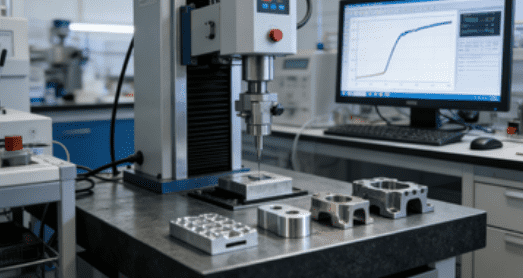
Luft- und Raumfahrt- und Automobilanwendungen
Edelstahl-Feinguss Aufgrund seiner Verbreitung wird es häufig in der Luft- und Raumfahrt- und Automobilindustrie eingesetzt Hohe Präzision, Korrosionsbeständigkeit und Fähigkeit, leichte und dennoch starke Komponenten herzustellen. Luft- und Raumfahrtmotoren, Turbinenschaufeln, Abgaskrümmer und Strukturhalterungen profitieren von der Fähigkeit, komplexe Geometrien zu gießen, die mit herkömmlicher Bearbeitung nur schwer oder gar nicht zu erreichen wären.
In Automobilanwendungen sind Komponenten wie Hochleistungsmotorteile, Getriebekomponenten und Aufhängungshalterungen erforderlich Maßhaltigkeit und mechanische Zuverlässigkeit. Edelstahl-Investmentguss ermöglicht es Herstellern, Montageschritte zu reduzieren, indem sie multifunktionale Teile als Einzelguss herstellen, was sowohl Zeit als auch Kosten spart.
Anwendungen in der Medizin- und Lebensmittelindustrie
Der Biokompatibilität und Korrosionsbeständigkeit Edelstahllegierungen, die über Edelstahl-Investmentguss hergestellt werden, machen sie ideal für medizinische und Lebensmittelverarbeitungsgeräte Chirurgische Werkzeuge, Zahnimplantate, orthopädische Geräte und sterile Verarbeitungsgeräte profitieren von Glatte Oberflächen, komplexe Geometrien und zuverlässige mechanische Eigenschaften.
In der Lebensmittelindustrie müssen Teile wie Schneidmesser, Förderkomponenten und Ventile häufigen Reinigungsarbeiten, hohen Temperaturen und der Einwirkung von Chemikalien standhalten. Edelstahl-Investmentguss sorgt dafür Saubere, präzise Kanten Und Dauerhafte Leistung Unter diesen anspruchsvollen Bedingungen wird das Kontaminationsrisiko verringert und die Lebensdauer der Ausrüstung verlängert.
Anwendungen von Energie- und Industrieanlagen
In den Bereichen Energieerzeugung, chemische Verarbeitung und Schwerindustrie, Edelstahl-Investmentguss ist entscheidend für die Herstellung hochfester, hitzebeständiger Komponenten Wie Pumpenlaufräder, Turbinenkomponenten, Ventile und chemische Reaktorarmaturen.
Diese Komponenten arbeiten häufig unter Extreme Bedingungen„Druck, erhöhte Temperatur oder korrosive Umgebungen. Investitionsguss-Edelstahlteile bieten Gleichbleibende Materialeigenschaften, geringe Porosität und außergewöhnliche Haltbarkeit, was sie ideal für langfristige industrielle Leistung macht Hersteller setzen auf Edelstahl-Investmentguss, um Reduzieren Sie die Wartungsfrequenz und verhindern Sie kostspielige Ausfallzeiten.
Andere Nischenanwendungen
Über diese Hauptsektoren hinaus findet auch das Edelstahl-Investmentguss Verwendung in der Öl - und Gasindustrie, Meerestechnik, Und Präzisionswerkzeug. Beispielsweise müssen Offshore-Komponenten wie Propellerwellen, Pumpengehäuse und Ventilkörper bestehen bleiben Salzwasserkorrosion und mechanische Belastung. Hier sorgt das Edelstahl-Feuerguss sowohl für Präzision als auch für langfristige Zuverlässigkeit.
Neue Trends im Edelstahl-Feinguss
Integration mit 3 D-Druck
Einer der spannendsten Trends in Edelstahl-Feinguss Ist die Integration von Additive Fertigung für die Wachsmusterherstellung. Die Verwendung von 3 D-Druck zur Herstellung von Wachs - oder Polymermustern beschleunigt das Prototyping, verkürzt die Durchlaufzeiten und ermöglicht Schnelle Iteration komplexer Designs Ohne teure Werkzeuge.
Hersteller können nun produzieren Kundengebundene, kleinvolumige Komponenten Effizienter, wodurch das Edelstahl-Investmentguss sowohl für die Großserienproduktion als auch für hochspezialisierte Anwendungen realisierbar wird Branchenberichten zufolge kann die Einführung des 3 D-Drucks im Feingussverfahren Produktionsvorlaufzeiten um bis zu 50% reduzieren, insbesondere für Luft - und Raumfahrt und medizinische Komponenten.
Nachhaltigkeitspraktiken im Gießen
Nachhaltigkeit wird zu einem Hauptschwerpunkt im Bereich Edelstahl-Investmentguss. Moderne Gießereien nutzen zunehmend Recycling Edelstahl, (sowie Mehrweg-Keramikschalen, wodurch Abfall und Umweltbelastung erheblich reduziert werden.
Energieeffiziente Öfen, Wassersysteme mit geschlossenem Kreislauf und Abfallverwertungsprogramme tragen dazu bei Senken Sie den Kohlenstoff-Fußabdruck von Feingussverfahren. Hersteller können jetzt umweltverträgliche Komponenten herstellen Ohne Beeinträchtigung von Qualität, Präzision oder mechanischer Festigkeit, Stärkung der Rolle des Edelstahl-Investmentgusses bei der nachhaltigen Fertigung.
Automatisierung und digitale Qualitätskontrolle
Die Digitalisierung wandelt sich Qualitätskontrolle des Feingusses aus Edelstahl. Laserscanning, hochauflösende 3 D-Bildgebung und KI-gesteuerte Defekterkennung ermöglichen Echtzeitüberwachung von Gussteilen, die Einheitlichkeit gewährleisten und die Ablehnungsquoten senken.
In Gießlinien integrierte vorausschauende Wartungssysteme überwachen die Ofenbedingungen, die Formqualität und die Abkühlgeschwindigkeiten und ermöglichen es den Bedienern Probleme antizipieren, bevor sie sich auf die Produktion auswirken. Diese Integration der Technologie gewährleistet Gleichbleibende Qualität für komplexe Feingussteile, „Ob sie für Luft- und Raumfahrt-, medizinische oder industrielle Anwendungen bestimmt sind.
Verbesserte Designflexibilität durch erweiterte Simulation
Fortschrittliche Software und Simulationstools ermöglichen es Ingenieuren Optimieren Sie Designs für Edelstahl-Investmentguss, „Vorhersage der Schrumpfung, Spannungsverteilung und des thermischen Verhaltens, bevor Metall gegossen wird.
Dies reduziert Versuch und Fehler beim Prototyping, Kosten senkt, und verkürzt Entwicklungszyklen Da die Industrie mehr verlangt Komplizierte und leichte Komponenten, Die Kombination der Simulation mit Edelstahl-Feuerguss sorgt dafür Hochleistungsteile mit weniger Produktionsfehlern.
Globale Brancheneinführung
Weltweit übernehmen Hersteller zunehmend Edelstahl-Feuerguss für Kritische Hochleistungsanwendungen. Von Luft- und Raumfahrtzentren in den USA und Europa bis zur Produktion medizinischer Geräte in Asien ist die Technologie bekannt für Präzision, Wiederholbarkeit und langfristige Zuverlässigkeit.
Durch Kombination 3 D-Druck, nachhaltige Praktiken, Automatisierung, und Simulation, Edelstahl-Investmentguss ist Eckpfeilertechnologie positioniert für modernes Engineering und fortschrittliche Fertigung.
Abschluss
Edelstahl Feinguss Angebote Präzision, Haltbarkeit, Materialvielseitigkeit, Kosteneffizienz und überlegene Oberflächenqualität. Durch die Hebelwirkung der 7 ultimative Vorteile, Ingenieure und Hersteller produzieren können Komplexe, leistungsstarke Komponenten für anspruchsvolle Branchen.
Ganz gleich, ob Sie Turbinenschaufeln, chirurgische Werkzeuge oder chemische Verarbeitungsgeräte entwerfen, dieser Prozess stellt sicher Gleichbleibende Qualität, reduzierte Produktionskosten und langfristige Zuverlässigkeit.
Häufig gestellte Fragen
Was ist die typische Toleranz für Edelstahl Feinguss?
Toleranzen betragen oft ±0,1 mm, abhängig von Teilgröße und Geometrie.
Wie ist es im Vergleich zur CNC-Bearbeitung?
Es reduziert Materialverschwendung, erzeugt komplexe Formen in einem Stück und erfordert weniger Nachbearbeitung, während die CNC-Bearbeitung eine etwas höhere Präzision, aber höhere Kosten bietet.
Kann es eine Produktion mit hohem Volumen bewältigen?
Ja, es skaliert effizient für Hunderte bis Tausende von Komponenten jährlich, ohne Kompromisse bei der Qualität einzugehen.
Was sind die Einschränkungen?
Teile über 500 kg können eine Herausforderung darstellen und dünnwandige Konstruktionen erfordern eine sorgfältige Prozesskontrolle.
Ist Feinguss aus Edelstahl umweltfreundlich?
Es reduziert Abfall im Vergleich zur subtraktiven Fertigung und unterstützt wiederverwendbare Formen, wodurch es nachhaltiger ist als die Bearbeitung fester Blöcke.
Welche Legierungen sind am beliebtesten?
304, 316, 17-4 PH- und Duplex-Edelstähle werden häufig verwendet und jeweils aufgrund ihrer Korrosionsbeständigkeit, Festigkeit und spezifischen Anwendungsanforderungen ausgewählt.
Produktkategorien
- Ventilteile
- Wasserpumpenteile
- Lagergehäuseteile
- Druckgussteile
- Pumpenprodukte aus Edelstahl
- Pumpenprodukte aus Gusseisen
- Ventilteile für den Automobilgebrauch
- Autoteile
- Ventilteile für den zivilen Gebrauch
- Vakuumpumpenteile KF

 German
  English
  Spanish
  Arabic
  Malay
Malay