
Cost of Alloy Steel Investment Casting Explained: A Complete Industrial Guide
مرحباً بكم في مدونتي!
يسعدني وجودك هنا! قبل أن نتعمق في المحتوى، أود أن تنضموا إليّ على منصات التواصل الاجتماعي. هناك أشارككم أفكارًا إضافية، وأتواصل مع مجتمعنا الرائع، وأُطلعكم على آخر الأخبار. إليكم كيفية البقاء على تواصل:
📘 فيسبوك: شركة شنغهاي لييروو الصناعية التجارية المحدودة
الآن، لننطلق في هذه الرحلة معًا! آمل أن تجدوا هذا المحتوى مفيدًا ومُلهمًا وقيّمًا. هيا بنا!
جدول المحتويات
أهم النقاط
- Deep breakdown of alloy steel investment casting cost structure and pricing logic
- Industry-standard cost drivers including material grade, tooling, and tolerance requirements
- Real-world benchmarks from automotive, aerospace, and industrial sectors
- Comparison with forging, sand casting, and CNC machining economics
- Engineering strategies to reduce cost without sacrificing performance
مقدمة
In global manufacturing, cost efficiency is no longer just a procurement concern—it directly affects competitiveness, supply chain resilience, and product lifecycle performance.
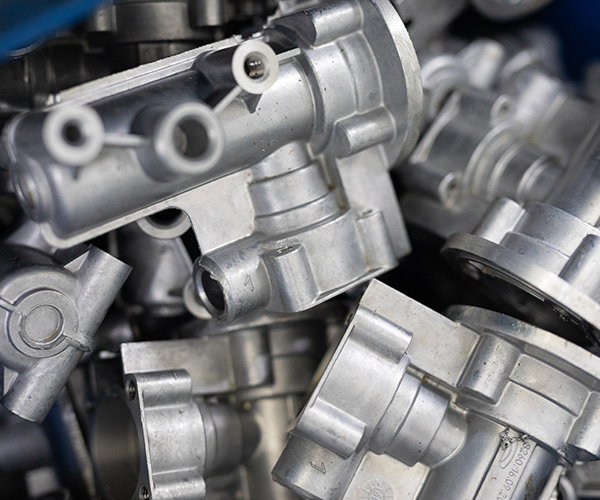
Alloy steel investment casting has become a preferred method for producing complex, high-strength metal components used in aerospace systems, automotive engines, energy equipment, and industrial machinery.
However, industry reports from manufacturing associations such as the Investment Casting Institute (ICI) and global foundry benchmarking studies show that cost variation for similar parts can exceed 300%–500% depending on design and production strategy.
This makes cost understanding not optional, but essential.
A poorly optimized casting design can increase:
- Material waste by 20–40%
- Machining cost by 30–60%
- Defect rate by up to 15%
This guide breaks down every element influencing alloy steel investment casting cost, supported by engineering principles, real-world pricing data, and industry best practices.
What Is Alloy Steel Investment Casting?
Alloy Steel Investment Casting Definition
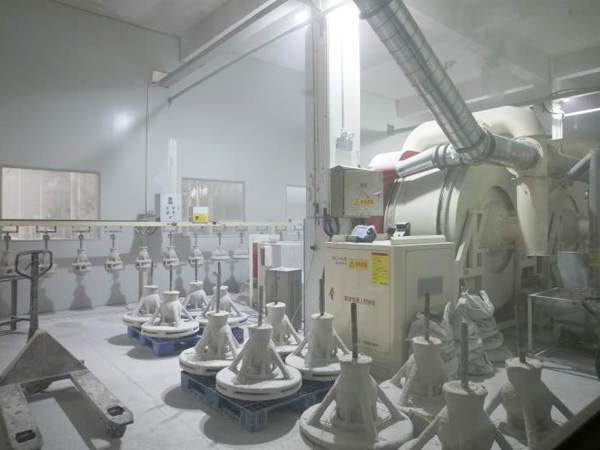
Alloy steel investment casting is a precision manufacturing process that produces near-net-shape components using a wax pattern and ceramic shell mold system.
The Lost-Wax Manufacturing Principle
Step-by-Step Process Overview
- Wax injection into metal die
- Assembly of wax patterns into tree structure
- Ceramic shell coating (multiple layers)
- Dewaxing (autoclave or flash fire)
- Molten alloy steel pouring
- Shell breaking and finishing
Why Alloy Steel Is Preferred in Casting Engineering
Mechanical Strength Advantage
Alloy steel offers tensile strength typically in the range of 500–1500 MPa, depending on composition.
Heat Resistance
Chromium and molybdenum alloys allow performance above 600°C in industrial environments.
مقاومة التآكل
Ideal for pump components, valves, and mining machinery.
Cost of Alloy Steel Investment Casting Explained: Full Breakdown Model
Alloy Steel Investment Casting Cost Structure Model
| Cost Element | وصف | Typical Cost Contribution |
|---|---|---|
| Raw Alloy Steel | Material grade selection | 25%–40% |
| Tooling (Molds) | Wax injection dies | 10%–30% (amortized) |
| Production Process | Shell building & casting | 15%–25% |
| المعالجة الحرارية | Hardness & strength optimization | 5%–15% |
| التصنيع | CNC finishing operations | 10%–35% |
| تقتيش | NDT, X-ray, dimensional checks | 3%–10% |
| Scrap & Yield Loss | Defect rejection factor | 5%–20% |
Key Engineering Factors Affecting الصب الاستثماري للصلب السبائكي يكلف

1. Alloy Composition and Metallurgy
Material Grade Impact
Different alloy steels have significantly different cost structures:
- Low alloy steel (e.g., 4140 type): baseline cost
- Chromium-molybdenum steel: +20–40% cost increase
- Nickel-based alloy steel: +80–150% cost increase
Metallurgical Complexity Factor
White Paper Insight
According to metallurgical research reports published in foundry engineering journals, increasing nickel content by 1% can increase raw material cost by approximately 3–5% depending on market conditions.
2. Design Complexity and Geometry Engineering
Complexity Cost Curve
As geometry complexity increases, cost does not rise linearly—it follows an exponential curve due to tooling and defect risk.
Engineering Examples
- Simple bracket: baseline cost
- Hollow turbine blade: +200–400% cost
- Multi-channel valve body: +150–300% cost
3. Tooling and Mold Engineering Cost
Tooling Investment Breakdown
- Aluminum die: lower durability
- Steel die: high durability but higher cost
- CNC precision die: highest accuracy, highest cost
Industry Benchmark
Tooling cost for investment casting typically ranges:
- Small parts: $3,000–$15,000
- Medium components: $15,000–$50,000
- Aerospace-grade molds: $50,000–$200,000+
4. Production Volume Economics
Economies of Scale Principle
Higher volume reduces unit cost due to fixed tooling amortization.
| حجم الإنتاج | Unit Cost Trend |
|---|---|
| 100 pcs | عالي |
| 1,000 pcs | واسطة |
| 10,000+ pcs | قليل |
5. Heat Treatment and Mechanical Processing
Common Heat Treatment Methods
- Quenching
- Tempering
- التطبيع
Cost Impact
Heat treatment can add 5–20% to total part cost, depending on hardness requirements.
Alloy Steel Investment Casting Cost vs Other Manufacturing Methods
الصب الاستثماري مقابل الصب الرملي
| ميزة | الاستثمار في الصب | صب الرمل |
|---|---|---|
| Precision | ±0.1–0.3 mm | ±1–3 mm |
| تشطيب السطح | Ra 1.6–3.2 | Ra 6.3–25 |
| Cost per unit | Higher initial | Lower initial |
| Machining required | قليل | عالي |
Investment Casting vs Forging
Strength Comparison
Forging produces higher grain density but limited geometry complexity.
Cost Insight
Forging becomes cost-effective only for high-volume simple shapes.
Investment Casting vs CNC Machining
Waste Material Factor
- CNC machining waste: up to 60%
- Investment casting waste: 5–15%
Cost Efficiency Threshold
Investment casting becomes more economical when:
- Part complexity is high
- Volume exceeds 500–1000 units
Industry Case Studies: Real Cost Benchmarks
Case Study 1: Automotive Turbocharger Housing
Material: Nickel-alloy steel
- Unit cost: $45–$120
- Machining reduction: 35%
- Weight reduction: 18%
Case Study 2: Industrial Valve Body
- Production method: investment casting
- Cost per unit: $25–$80
- Defect rate: <3% after optimization
Case Study 3: Aerospace Bracket Component
According to aerospace supplier whitepapers:
- Precision tolerance: ±0.05 mm
- Cost per unit: $200–$600
- Certification cost adds 20–30% overhead
Hidden Cost Drivers in Alloy Steel Investment Casting
Defect Rate and Yield Loss
Common Defects
- المسامية
- انكماش
- Inclusion defects
Cost Impact
Defect rates above 5% can increase total cost by up to 15–25%.
Design Iteration Cost
Engineering Change Orders (ECO)
Each design revision can increase tooling cost by:
- 5–15% per iteration
Supply Chain and Raw Material Volatility
Steel Market Influence
According to global steel pricing reports:
- Alloy steel price fluctuation: ±10–25% annually
- Nickel price volatility significantly affects high-alloy grades
Cost Optimization Strategies for Engineers
1. Design for Manufacturability (DFM)
Key Principle
Simplify geometry to reduce shell complexity.
2. Material Substitution Strategy
Replace high-cost alloys with:
- Low-alloy alternatives where feasible
- Surface-treated steels instead of full alloy upgrades
3. Batch Consolidation
Increasing order batch size reduces:
- Tooling amortization impact
- Setup cost per unit
4. Precision Tolerance Optimization
Relaxing tolerances from ±0.05 mm to ±0.2 mm can reduce cost by 10–25%.
Industry Trends and Market Insights
Global Market Growth
According to manufacturing industry reports:
- Investment casting market growth: ~4.5–6% CAGR
- Alloy steel segment is fastest-growing in industrial applications
Automation Impact
Modern foundries using automated shell building systems:
- Reduce labor cost by up to 30%
- Improve consistency and yield rate
Sustainability Trend
Eco-friendly casting practices include:
- Wax recycling systems
- Low-emission furnaces
- Reduced sand waste processes
الأسئلة الشائعة
لماذا هو alloy steel investment casting expensive?
Because it involves precision tooling, multi-stage processing, and high-cost alloy materials.
What is the biggest cost factor?
Material grade and tooling cost are the two largest contributors.
Is investment casting cheaper than machining?
Yes, for complex parts and medium-to-high production volumes.
How can cost be reduced effectively?
Through design optimization, batch scaling, and material selection.
Is it suitable for small production runs?
Yes, but unit cost will be significantly higher due to fixed tooling costs.
خاتمة
The real cost of alloy steel investment casting is not defined by material alone, but by a combination of engineering decisions, design complexity, production scale, and quality requirements.
Companies that optimize early-stage design and material selection can reduce total manufacturing cost by 20–40% without sacrificing performance.
In modern industrial supply chains, cost efficiency is no longer just about lowering price—it is about optimizing the entire lifecycle of the component from design to delivery.
فئات المنتجات
- أجزاء الصمامات
- أجزاء مضخة المياه
- أجزاء صندوق المحمل
- أجزاء الصب بالقالب
- منتجات مضخات الفولاذ المقاوم للصدأ
- منتجات مضخات الحديد الزهر
- قطع غيار الصمامات لاستخدام السيارات
- قطع غيار السيارات
- أجزاء الصمامات للاستخدام المدني
- قطع غيار مضخة التفريغ KF

لنبدأ مشروعك القادم!
ابدأ مشروعك مع Leierwo
1. أرسل استفسارك
2. حساب التكلفة
3. بدء الإنتاج
4. ترتيب التسليم
الأسئلة الشائعة
نعم، لدينا خبرة واسعة في التجارة الدولية ويمكننا مساعدة العملاء في التخليص الجمركي للتصدير وترتيبات الشحن. نحن نقدم شروطًا تجارية مختلفة مثل FOB و CIF و DDP لتلبية الاحتياجات اللوجستية المختلفة، ونقبل طرق الدفع الدولية المختلفة، بما في ذلك T/T (التحويل البرقي) والتحويل البرقي وخطاب الاعتماد (L/C). يمكن مناقشة شروط الدفع مع فريق المبيعات لدينا.
من خلال الشراكة مع Leierwo، يمكنك الاستمتاع بأسعار تنافسية وجودة فائقة مقارنةً بالموردين الآخرين. بالإضافة إلى ذلك، نقدم حلاً شاملاً لتسليم الأجزاء الجاهزة، بما في ذلك التصنيع باستخدام الحاسب الآلي والمعالجة السطحية، مما يضمن عملية إنتاج سلسة.
لدينا معدات صب متقدمة وأنظمة صارمة لمراقبة الجودة. قدرتنا الإنتاجية الشهرية كبيرة، ويمكننا تصنيع المنتجات بناءً على الرسومات أو العينات المقدمة من العملاء. نحن نقبل كلاً من الطلبات التجريبية الصغيرة والإنتاج على نطاق واسع.
تتوافق منتجاتنا مع المعايير الدولية مثل ASTM و AISI و DIN و JIS. ويمكننا تقديم تقارير اختبار المواد والشهادات ذات الصلة لضمان توافق جودة المنتج مع متطلبات العملاء.
نحن نتبع بدقة نظام إدارة الجودة ISO 9001 ونجري عمليات فحص متعددة في جميع مراحل عملية الإنتاج، بما في ذلك التحليل الطيفي، واختبار الأشعة السينية، والاختبار بالموجات فوق الصوتية، وقياسات الأبعاد. تضمن تدابير مراقبة الجودة هذه أن مصبوباتنا تلبي أعلى المعايير.
يعتمد موك لدينا على نوع المنتج ومدى تعقيده، ومع ذلك، نحن مرنون ومنفتحون لمناقشة احتياجاتك الخاصة.
تتراوح مهلة الإنتاج القياسية لدينا من 4 إلى 6 أسابيع، حسب كمية الطلب وتعقيد المنتج. نسعى جاهدين لتقصير أوقات التسليم لتلبية طلبات العملاء.
نعم، يمكننا تقديم عينات لفحص الجودة. يمكن التفاوض بشأن تكاليف العينات ورسوم الشحن، ويمكن استرداد رسوم العينات عند تقديم طلب رسمي.
 Arabic
  English
  Spanish
  Malay
Malay  German