
Sand Casting Services Process: Complete Industrial Guide
مرحباً بكم في مدونتي!
يسعدني وجودك هنا! قبل أن نتعمق في المحتوى، أود أن تنضموا إليّ على منصات التواصل الاجتماعي. هناك أشارككم أفكارًا إضافية، وأتواصل مع مجتمعنا الرائع، وأُطلعكم على آخر الأخبار. إليكم كيفية البقاء على تواصل:
📘 فيسبوك: شركة شنغهاي لييروو الصناعية التجارية المحدودة
الآن، لننطلق في هذه الرحلة معًا! آمل أن تجدوا هذا المحتوى مفيدًا ومُلهمًا وقيّمًا. هيا بنا!
جدول المحتويات
مقدمة
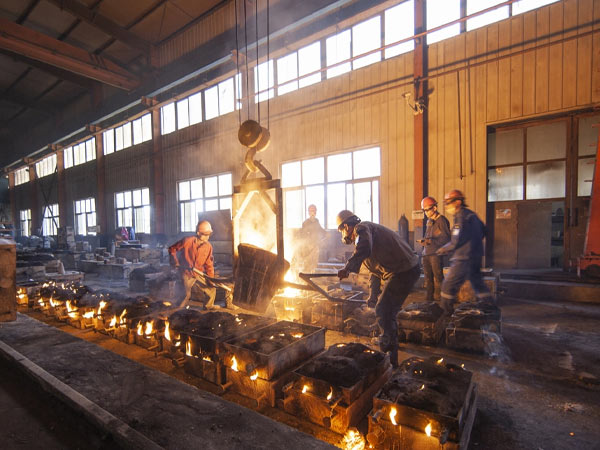
Sand casting remains one of the oldest yet most widely used metal forming technologies in global manufacturing. According to industry reports from the American Foundry Society (AFS), over 60% of metal castings worldwide are produced through sand casting services, especially in heavy machinery, automotive components, and industrial equipment.
Despite the rise of precision casting methods like investment casting and die casting, sand casting continues to dominate due to its low tooling cost, scalability, and material versatility.
This guide provides a complete breakdown of the خدمات صب الرمل process, supported by industrial standards, real-world applications, technical data, and procurement insights.
Key Takeaways of This Guide
- Full breakdown of the industrial sand casting services process
- Technical explanation of materials, equipment, and standards
- Comparison with alternative casting technologies
- Cost structure and production efficiency analysis
- Real industrial application cases and global trends
- FAQ based on real buyer search intent
خدمات الصب بالرمل Overview (Industrial Definition)
What Is Sand Casting in Modern Manufacturing?
Sand casting services refer to a metal forming process where molten metal is poured into a sand-based mold cavity to create a final part after solidification.
This method is widely adopted in:
- Automotive engine production
- Pump and valve manufacturing
- Mining and construction machinery
- Railway and marine components
Why Sand Casting Still Dominates
Even with modern CNC machining and 3D printing integration, sand casting remains essential due to:
- Low initial tooling investment
- Ability to cast parts from 0.5 kg to over 20 tons
- Compatibility with ferrous and non-ferrous metals
- Flexible production volumes
Sand Casting Services Process (Full Industrial Workflow)
Step 1: Engineering Design & Pattern Creation
The process begins with CAD design and pattern development.
Pattern Tolerances
Typical industrial tolerances:
- Aluminum castings: ±0.5 mm to ±1.5 mm
- Iron castings: ±1 mm to ±3 mm
Patterns are typically made from:
- Wood (prototype stage)
- Aluminum (medium durability)
- Resin or plastic (high precision production)
Step 2: Mold Preparation Using Green Sand or Resin Sand
Sand Types Used in Industry
| Sand Type | طلب | Strength Level | يكلف |
|---|---|---|---|
| Green Sand | Mass production | واسطة | قليل |
| Resin Sand | دقة عالية | عالي | واسطة |
| Shell Sand | Fine detail casting | مرتفع جداً | عالي |
Green sand remains the most widely used due to cost efficiency and recyclability.
Step 3: Core Making for Internal Geometry
Cores define hollow sections inside cast parts.
Core Materials
- Oil-bonded sand cores
- Resin-bonded cores
- CO₂ hardened sodium silicate cores
Core strength can reach up to 6–12 MPa compressive resistance, depending on binder system.
Step 4: Melting and Alloy Control
Common Melting Temperatures
| معدن | Melting Point |
|---|---|
| الحديد الرمادي | 1150–1200°C |
| الفولاذ الكربوني | 1450–1520°C |
| سبائك الألومنيوم | 660–750°C |
Precise temperature control is critical for:
- Reducing porosity
- Improving mechanical strength
- Ensuring uniform grain structure
Step 5: Pouring Process Control
Pouring must be controlled to avoid turbulence.
Industry Standards
- Pouring speed: 2–5 kg/sec (small castings)
- Ladle temperature drop: <50°C
- Filling time control: <30 seconds for precision parts
Step 6: Cooling and Solidification Behavior
Cooling rate directly impacts material strength.
- Rapid cooling → finer grain structure
- Slow cooling → improved ductility
Typical cooling time:
- Small parts: 30 minutes – 2 hours
- Large castings: 12 – 48 hours
Step 7: Shakeout, Cleaning, and Finishing
Post-processing includes:
- Sand removal
- التفجير بالرصاص
- Grinding and machining
- Heat treatment (optional)
Surface roughness after casting:
- Ra 6.3 – Ra 25 μm (typical range)
خدمات الصب بالرمل vs Other Manufacturing Methods
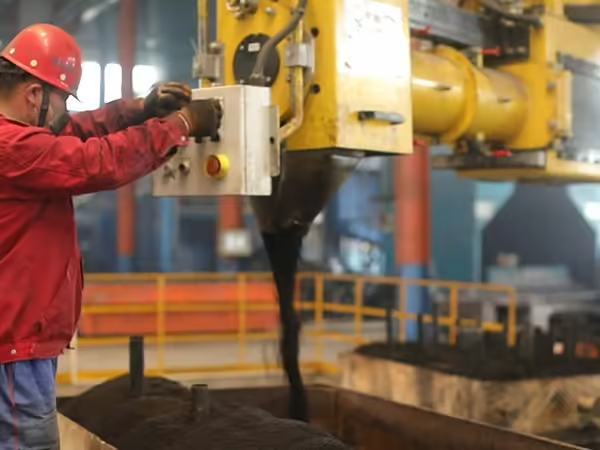
Technical Comparison
| التكنولوجيا | دقة | يكلف | Production Scale | أفضل حالة استخدام |
|---|---|---|---|---|
| صب الرمل | واسطة | قليل | High flexibility | Heavy parts |
| صب القوالب | عالي | عالي | Mass production | Small precision parts |
| الاستثمار في الصب | عالية جدًا | عالية جدًا | واسطة | Complex components |
| تصنيع الآلات باستخدام الحاسب الآلي | عالية جدًا | عالي | Low–Medium | Final finishing |
Sand casting remains the most cost-efficient solution for large structural components.
Industrial Standards in Sand Casting Services
Key International Standards
- ISO 8062: Dimensional tolerances for castings
- ASTM A48: Gray iron castings specification
- ASTM A27: Carbon steel castings standard
- DIN 1691: Foundry sand quality requirements
Compliance ensures:
- Mechanical stability
- Dimensional accuracy
- Repeatable production quality
Real Industry Case Studies
Case Study 1: Automotive Engine Block Production
A European OEM reduced production cost by 32% by switching from machining from billet to sand casting engine blocks.
Results:
- Material waste reduced by 45%
- Production time reduced by 28%
- Annual cost savings: $2.3 million
Case Study 2: Pump Housing Manufacturing
A water treatment equipment manufacturer used sand casting services to produce corrosion-resistant pump housings.
Outcome:
- Improved service life from 5 years to 9 years
- Reduced leakage defects by 70%
- Achieved ISO 9001 quality compliance
Market Trends & Industry News (2024–2025)
According to Global Foundry Market Report 2025:
- Global sand casting market expected to grow at 4.8% CAGR
- Asia-Pacific accounts for over 52% of production capacity
- Automation in foundries increases efficiency by up to 35%
Key trend:
Digital simulation tools (like MAGMASOFT and ProCAST) are now widely used to reduce defect rates before production.
Cost Structure of Sand Casting Services
Main Cost Drivers
| عامل | Impact Level |
|---|---|
| Material type | عالي |
| Mold complexity | عالي |
| Production volume | واسطة |
| Post-processing | واسطة |
| Energy consumption | واسطة |
Typical cost breakdown:
- Material: 40–55%
- Labor: 20–30%
- Energy: 10–15%
- Finishing: 10–20%
Advanced Concepts in خدمات الصب بالرمل
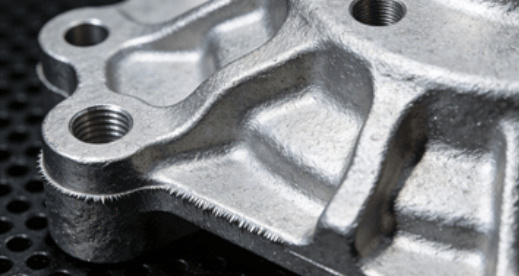
Simulation Technology
Modern foundries use simulation software to predict:
- Metal flow behavior
- Solidification defects
- Shrinkage and porosity
Defect reduction rate: up to 60% improvement when simulation is applied.
Automation in Foundries
Robotic systems are now used for:
- Mold handling
- Pouring control
- Sand recycling
Automation improves:
- أمان
- Consistency
- Output efficiency
Sand Casting Sustainability & Recycling
Sand used in molds can be recycled up to 90–95% efficiency depending on system design.
Environmental benefits:
- Reduced landfill waste
- Lower raw sand consumption
- Energy-efficient reclaim systems
الأسئلة الشائعة
ما هي الصناعات التي تستخدم خدمات صب الرمل الأكثر؟
Automotive, construction machinery, energy equipment, and marine industries are the largest users.
Is sand casting suitable for precision parts?
Yes, but typically within medium tolerance ranges (±0.5 mm to ±3 mm).
What is the lifespan of sand molds?
Most molds are single-use, but sand itself is highly recyclable.
How does sand casting compare to 3D printing?
3D printing is faster for prototyping, but sand casting is more cost-effective for large-scale production.
What is the biggest limitation of sand casting?
Lower surface finish quality compared to die casting or investment casting.
Final Conclusion
ال خدمات صب الرمل process continues to be a cornerstone of global industrial manufacturing. Its unmatched flexibility, low tooling cost, and ability to produce large and complex metal components make it indispensable across multiple industries.
With the integration of simulation technology, automation, and improved material science, sand casting is evolving into a highly efficient and data-driven manufacturing process suitable for modern industrial demands.
فئات المنتجات
- أجزاء الصمامات
- أجزاء مضخة المياه
- أجزاء صندوق المحمل
- أجزاء الصب بالقالب
- منتجات مضخات الفولاذ المقاوم للصدأ
- منتجات مضخات الحديد الزهر
- قطع غيار الصمامات لاستخدام السيارات
- قطع غيار السيارات
- أجزاء الصمامات للاستخدام المدني
- قطع غيار مضخة التفريغ KF

لنبدأ مشروعك القادم!
ابدأ مشروعك مع Leierwo
1. أرسل استفسارك
2. حساب التكلفة
3. بدء الإنتاج
4. ترتيب التسليم
الأسئلة الشائعة
نعم، لدينا خبرة واسعة في التجارة الدولية ويمكننا مساعدة العملاء في التخليص الجمركي للتصدير وترتيبات الشحن. نحن نقدم شروطًا تجارية مختلفة مثل FOB و CIF و DDP لتلبية الاحتياجات اللوجستية المختلفة، ونقبل طرق الدفع الدولية المختلفة، بما في ذلك T/T (التحويل البرقي) والتحويل البرقي وخطاب الاعتماد (L/C). يمكن مناقشة شروط الدفع مع فريق المبيعات لدينا.
من خلال الشراكة مع Leierwo، يمكنك الاستمتاع بأسعار تنافسية وجودة فائقة مقارنةً بالموردين الآخرين. بالإضافة إلى ذلك، نقدم حلاً شاملاً لتسليم الأجزاء الجاهزة، بما في ذلك التصنيع باستخدام الحاسب الآلي والمعالجة السطحية، مما يضمن عملية إنتاج سلسة.
لدينا معدات صب متقدمة وأنظمة صارمة لمراقبة الجودة. قدرتنا الإنتاجية الشهرية كبيرة، ويمكننا تصنيع المنتجات بناءً على الرسومات أو العينات المقدمة من العملاء. نحن نقبل كلاً من الطلبات التجريبية الصغيرة والإنتاج على نطاق واسع.
تتوافق منتجاتنا مع المعايير الدولية مثل ASTM و AISI و DIN و JIS. ويمكننا تقديم تقارير اختبار المواد والشهادات ذات الصلة لضمان توافق جودة المنتج مع متطلبات العملاء.
نحن نتبع بدقة نظام إدارة الجودة ISO 9001 ونجري عمليات فحص متعددة في جميع مراحل عملية الإنتاج، بما في ذلك التحليل الطيفي، واختبار الأشعة السينية، والاختبار بالموجات فوق الصوتية، وقياسات الأبعاد. تضمن تدابير مراقبة الجودة هذه أن مصبوباتنا تلبي أعلى المعايير.
يعتمد موك لدينا على نوع المنتج ومدى تعقيده، ومع ذلك، نحن مرنون ومنفتحون لمناقشة احتياجاتك الخاصة.
تتراوح مهلة الإنتاج القياسية لدينا من 4 إلى 6 أسابيع، حسب كمية الطلب وتعقيد المنتج. نسعى جاهدين لتقصير أوقات التسليم لتلبية طلبات العملاء.
نعم، يمكننا تقديم عينات لفحص الجودة. يمكن التفاوض بشأن تكاليف العينات ورسوم الشحن، ويمكن استرداد رسوم العينات عند تقديم طلب رسمي.
 Arabic
  English
  Spanish
  Malay
Malay  German