
Which 3D Printing Technology Fits You?
مقدمة
The global manufacturing landscape is undergoing a profound transformation, and 3D printing technology has emerged as one of the most influential innovations driving this change. Once viewed primarily as a rapid prototyping tool, additive manufacturing is now being adopted across aerospace, automotive, healthcare, electronics, construction, energy, and consumer goods industries.
According to industry reports from Wohlers Associates and leading additive manufacturing market researchers, the global additive manufacturing market has grown from a niche sector into a multi-billion-dollar industry, with long-term forecasts suggesting continued double-digit annual growth. Major manufacturers such as aerospace suppliers, medical device companies, and automotive OEMs are increasingly integrating additive manufacturing into their production workflows.
Yet despite its popularity, many buyers, engineers, product developers, and business owners face the same challenge:
Which 3D printing technology is actually the best choice for my project?
The answer depends on multiple factors, including:
- Product functionality
- Material requirements
- Surface finish expectations
- Mechanical strength targets
- Production volume
- Industry compliance standards
- Budget and ROI considerations
Choosing the wrong technology can increase production costs, delay product launches, and reduce product performance. Choosing the right technology can accelerate innovation, shorten lead times, reduce inventory, and create entirely new design possibilities.
أهم النقاط
- Understand the major categories of 3D printing technology
- Learn how different printing methods compare
- Explore real-world industrial applications
- Evaluate material compatibility and performance
- Understand manufacturing standards and certifications
- Review industry adoption trends and market data
- Compare technologies using practical decision-making criteria
- Discover emerging innovations shaping the future of additive manufacturing
جدول المحتويات
The Evolution of 3D Printing Technology
From Rapid Prototyping to Digital Manufacturing
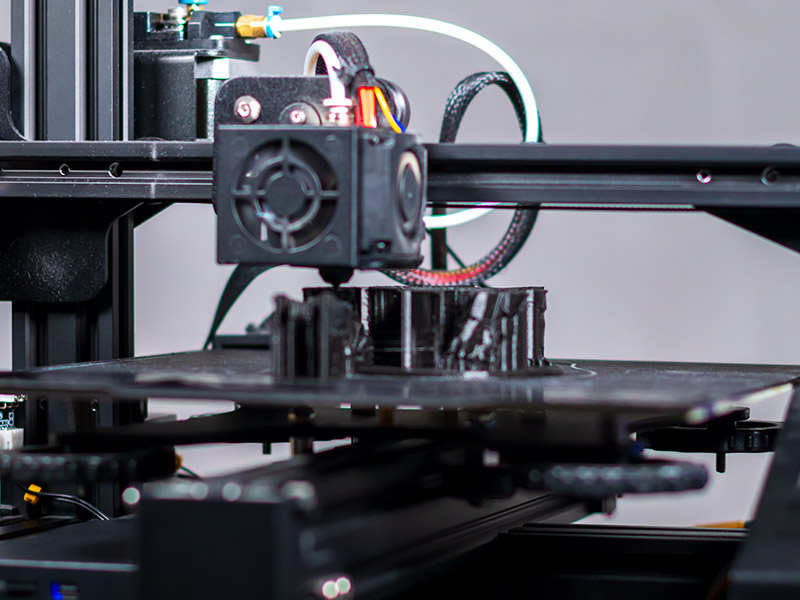
When the first commercial additive manufacturing systems appeared in the 1980s, their primary purpose was prototype development.
Engineers could produce concept models in days instead of weeks, dramatically accelerating product development cycles.
Today, the technology has evolved far beyond prototyping.
Modern systems are capable of manufacturing:
- Aircraft components
- زراعة العظام
- Surgical guides
- Automotive production parts
- Consumer electronics components
- Industrial tooling
- Architectural structures
Why Manufacturers Are Adopting Additive Manufacturing
Several factors continue driving adoption.
Reduced Lead Times
Traditional tooling may require weeks or months to complete.
3D printing often reduces production timelines from weeks to days.
حرية التصميم
Complex internal geometries that are impossible with conventional machining can be produced efficiently.
Inventory Reduction
Digital part libraries allow manufacturers to produce components on demand rather than storing large inventories.
Supply Chain Flexibility
Distributed manufacturing enables localized production closer to end users.
Understanding the Fundamentals of 3D Printing Technology
What Is 3D Printing Technology?
3D printing technology refers to a group of additive manufacturing processes that create physical objects by depositing, curing, melting, or bonding materials layer by layer based on digital models.
Unlike subtractive manufacturing methods that remove material, additive manufacturing builds parts only where material is required.
Core Workflow of Additive Manufacturing
Step 1: CAD Design
Engineers create a digital model using CAD software.
Step 2: File Preparation
The design is converted into STL, OBJ, or 3MF formats.
Step 3: Slicing
Specialized software divides the model into hundreds or thousands of printable layers.
Step 4: Printing
The machine fabricates the object layer by layer.
Step 5: Post Processing
Additional finishing operations may include:
- Sanding
- Polishing
- المعالجة الحرارية
- Surface coating
- Support removal
- Quality inspection
Major Types of 3D Printing Technology
نمذجة الترسيب المنصهر (FDM)
Overview
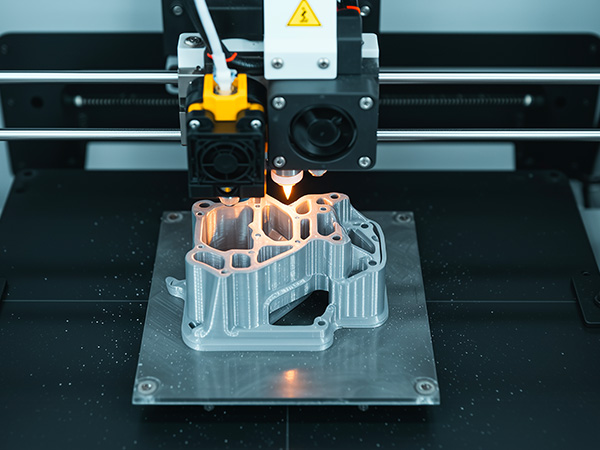
FDM remains one of the most widely used additive manufacturing processes globally.
The system melts thermoplastic filament and deposits material through a heated nozzle.
Common Materials
- PLA
- أب
- PETG
- مادة TPU
- Nylon
- Carbon fiber reinforced polymers
التطبيقات النموذجية
Product Development
Rapid concept validation.
Manufacturing Fixtures
Production jigs and assembly tools.
Functional Prototypes
Engineering validation before mass production.
المزايا
- Low operating cost
- Broad material availability
- Easy maintenance
- Suitable for educational and industrial use
القيود
- Visible layer lines
- Lower precision than resin systems
- Anisotropic mechanical properties
الطباعة المجسمة (SLA)
Overview
SLA utilizes ultraviolet lasers to cure liquid photopolymer resin.
It is often selected when exceptional surface quality is required.
التطبيقات الشائعة
Dental Models
Highly detailed patient-specific models.
Jewelry Patterns
Complex casting patterns.
Product Visualization
Premium presentation models.
المزايا
- Excellent detail resolution
- Smooth surface finish
- دقة عالية الأبعاد
القيود
- Resin handling requirements
- Additional curing process
- Limited outdoor durability for some resins
التلبيد الانتقائي بالليزر (SLS)
Overview
SLS uses a laser to fuse powdered thermoplastics into solid objects.
No support structures are required.
Common Materials
- PA11
- PA12
- Glass-filled nylon
- Carbon-filled nylon
التطبيقات الصناعية
مكونات الفضاء الجوي
Lightweight structures.
Automotive Functional Parts
Production-ready assemblies.
Consumer Product Manufacturing
Short-run production.
المزايا
- قوة ميكانيكية ممتازة
- Complex geometries
- Efficient batch production
القيود
- Higher machine cost
- Powder management complexity
Multi Jet Fusion (MJF)
Overview
Developed for industrial production, MJF provides high throughput and consistent part quality.
الفوائد الرئيسية
- Faster production speed
- Excellent mechanical performance
- Consistent dimensional accuracy
Direct Metal Laser Sintering (DMLS)
Overview
DMLS enables direct production of metal parts from powdered materials.
المعادن الشائعة
- Titanium Ti6Al4V
- ستانلس ستيل 316 لتر
- Aluminum AlSi10Mg
- إنكونيل 718
- Cobalt Chrome
التطبيقات
الفضاء الجوي
Fuel nozzles and lightweight brackets.
طبي
Patient-specific implants.
طاقة
Turbine components.
دفاع
High-performance metal assemblies.
Comparison Table: Choosing the Right 3D Printing Technology
| التكنولوجيا | دقة | تشطيب السطح | قوة | حجم الإنتاج | Best Application |
|---|---|---|---|---|---|
| FDM | واسطة | واسطة | واسطة | Low-Medium | النماذج الأولية |
| جيش تحرير السودان | عالي | ممتاز | واسطة | قليل | Precision models |
| SLS | عالي | جيد | عالي | واسطة | Functional parts |
| MJF | عالي | جيد | عالي | متوسط-عالي | Production parts |
| DMLS | عالية جدًا | جيد | عالية جدًا | واسطة | Metal manufacturing |
| Binder Jetting | واسطة | واسطة | واسطة | عالي | Large-scale production |
Industry Applications of 3D Printing Technology
صناعة الطيران والفضاء
The aerospace sector remains one of the largest adopters of additive manufacturing.
Why Aerospace Uses Additive Manufacturing
- Weight reduction
- Fuel efficiency improvements
- Part consolidation
- Faster development cycles
مثال من الواقع
A well-known aerospace manufacturer reduced a multi-component assembly into a single printed component, significantly reducing weight while improving reliability.
صناعة السيارات
الفوائد الرئيسية
- Prototype acceleration
- Tooling production
- Lightweight design optimization
Healthcare Industry
Personalized Medicine
3D printing technology enables customized medical solutions.
تشمل الأمثلة:
- زراعة العظام
- Hearing aids
- Dental aligners
- Surgical guides
Construction Industry
Large-Scale Additive Manufacturing
Construction firms are experimenting with printed homes and infrastructure components.
Benefits include:
- Reduced labor requirements
- Faster construction timelines
- Material efficiency
Material Selection Guide
Plastic Materials
PLA
Easy to print and environmentally friendly.
أب
Improved heat resistance and durability.
PETG
Excellent balance between strength and flexibility.
Nylon
Superior wear resistance.
Resin Materials
Standard Resin
Ideal for visual models.
Engineering Resin
Enhanced durability.
Medical Resin
Biocompatible applications.
المواد المعدنية
التيتانيوم
Excellent strength-to-weight ratio.
الفولاذ المقاوم للصدأ
Corrosion resistance.
الألومنيوم
Lightweight industrial applications.
سبائك النيكل
High-temperature performance.
Quality Standards and Certifications
ISO/ASTM 52900
Defines terminology for additive manufacturing processes.
ISO/ASTM 52901
Provides guidance for additive manufacturing quality assurance.
ايزو 9001
Widely adopted quality management standard among additive manufacturing providers.
AS9100
Critical aerospace quality standard.
ISO 13485
Medical device manufacturing quality requirements.
FDA Considerations
Medical additive manufacturing applications often require regulatory compliance and validation procedures.
How to Evaluate a 3D Printing Supplier
Technical Capability
Assess:
- Equipment portfolio
- اختيار المواد
- Quality systems
Production Capacity
Evaluate whether the supplier can scale production as demand grows.
Certification Requirements
Verify industry-specific compliance standards.
Engineering Support
Experienced engineering teams often reduce project risks.
Common Buyer Questions Before Investing
Do I Need Prototyping or Production?
The answer influences technology selection dramatically.
What Mechanical Properties Are Required?
Strength, impact resistance, and temperature performance vary by process.
What Surface Quality Is Necessary?
Certain industries require exceptionally smooth finishes.
What Is My Expected Production Volume?
Volume directly affects manufacturing economics.
Emerging Trends in 3D Printing Technology
Artificial Intelligence Integration
AI is increasingly used for:
- Generative design
- Process optimization
- Quality prediction
Sustainable Manufacturing
Manufacturers seek to reduce waste and energy consumption.
Additive manufacturing often supports sustainability goals by minimizing material usage.
Mass Customization
Consumers increasingly expect personalized products.
3D printing enables customization without significant tooling costs.
Distributed Manufacturing Networks
Digital inventory systems allow companies to manufacture products closer to customers.
Hybrid Manufacturing
Combining additive and subtractive manufacturing is becoming increasingly common.
Future Outlook
Industry analysts expect continued growth across industrial additive manufacturing sectors.
Several factors support long-term adoption:
- Improved machine productivity
- Lower material costs
- Better process reliability
- Expanded certification pathways
- Increased automation
As technology matures, additive manufacturing will continue moving from prototyping into mainstream production environments.
الخاتمة
اختيار الصحيح 3D printing technology is not simply about selecting the newest or most advanced machine. The optimal solution depends on balancing material performance, dimensional accuracy, production volume, cost efficiency, compliance requirements, and long-term business objectives.
For concept models, FDM often delivers excellent value. For highly detailed parts, SLA remains a leading choice. For durable functional components, SLS and MJF provide strong performance. For mission-critical metal applications, DMLS and related metal additive manufacturing technologies offer unmatched design freedom and engineering capabilities.
Organizations that carefully align technology selection with project goals are more likely to achieve faster development cycles, improved product performance, reduced manufacturing costs, and stronger competitive advantages in increasingly demanding global markets.
الأسئلة الشائعة
Which 3D printing technology is best for beginners?
FDM is generally considered the easiest and most cost-effective technology for beginners due to its simple workflow and affordable materials.
Which 3D printing technology produces the strongest parts?
For polymer parts, SLS and MJF typically offer excellent mechanical properties. For maximum strength, metal additive manufacturing technologies such as DMLS are preferred.
Can 3D printing technology be used for mass production?
Yes. While traditionally associated with prototyping, modern additive manufacturing systems are increasingly used for low-volume and medium-volume production.
Which industries use 3D printing technology the most?
Aerospace, automotive, healthcare, dental, industrial manufacturing, consumer products, and energy sectors are among the largest adopters.
Is 3D printing technology environmentally friendly?
In many cases, additive manufacturing reduces material waste compared with traditional subtractive methods, although overall sustainability depends on material selection and production processes.
How accurate is modern 3D printing technology?
High-end industrial systems can achieve tolerances suitable for engineering, medical, and aerospace applications, depending on the process and material.
What materials are available for additive manufacturing?
Materials include plastics, resins, metals, ceramics, composites, elastomers, and advanced engineering materials.
How do I choose the right 3D printing technology for my project?
Consider application requirements, material properties, surface finish expectations, production volume, industry standards, and budget before selecting a technology.
فئات المنتجات
- أجزاء الصمامات
- أجزاء مضخة المياه
- أجزاء صندوق المحمل
- أجزاء الصب بالقالب
- منتجات مضخات الفولاذ المقاوم للصدأ
- منتجات مضخات الحديد الزهر
- قطع غيار الصمامات لاستخدام السيارات
- قطع غيار السيارات
- أجزاء الصمامات للاستخدام المدني
- قطع غيار مضخة التفريغ KF

لنبدأ مشروعك القادم!
ابدأ مشروعك مع Leierwo
1. أرسل استفسارك
2. حساب التكلفة
3. بدء الإنتاج
4. ترتيب التسليم
الأسئلة الشائعة
نعم، لدينا خبرة واسعة في التجارة الدولية ويمكننا مساعدة العملاء في التخليص الجمركي للتصدير وترتيبات الشحن. نحن نقدم شروطًا تجارية مختلفة مثل FOB و CIF و DDP لتلبية الاحتياجات اللوجستية المختلفة، ونقبل طرق الدفع الدولية المختلفة، بما في ذلك T/T (التحويل البرقي) والتحويل البرقي وخطاب الاعتماد (L/C). يمكن مناقشة شروط الدفع مع فريق المبيعات لدينا.
من خلال الشراكة مع Leierwo، يمكنك الاستمتاع بأسعار تنافسية وجودة فائقة مقارنةً بالموردين الآخرين. بالإضافة إلى ذلك، نقدم حلاً شاملاً لتسليم الأجزاء الجاهزة، بما في ذلك التصنيع باستخدام الحاسب الآلي والمعالجة السطحية، مما يضمن عملية إنتاج سلسة.
لدينا معدات صب متقدمة وأنظمة صارمة لمراقبة الجودة. قدرتنا الإنتاجية الشهرية كبيرة، ويمكننا تصنيع المنتجات بناءً على الرسومات أو العينات المقدمة من العملاء. نحن نقبل كلاً من الطلبات التجريبية الصغيرة والإنتاج على نطاق واسع.
تتوافق منتجاتنا مع المعايير الدولية مثل ASTM و AISI و DIN و JIS. ويمكننا تقديم تقارير اختبار المواد والشهادات ذات الصلة لضمان توافق جودة المنتج مع متطلبات العملاء.
نحن نتبع بدقة نظام إدارة الجودة ISO 9001 ونجري عمليات فحص متعددة في جميع مراحل عملية الإنتاج، بما في ذلك التحليل الطيفي، واختبار الأشعة السينية، والاختبار بالموجات فوق الصوتية، وقياسات الأبعاد. تضمن تدابير مراقبة الجودة هذه أن مصبوباتنا تلبي أعلى المعايير.
يعتمد موك لدينا على نوع المنتج ومدى تعقيده، ومع ذلك، نحن مرنون ومنفتحون لمناقشة احتياجاتك الخاصة.
تتراوح مهلة الإنتاج القياسية لدينا من 4 إلى 6 أسابيع، حسب كمية الطلب وتعقيد المنتج. نسعى جاهدين لتقصير أوقات التسليم لتلبية طلبات العملاء.
نعم، يمكننا تقديم عينات لفحص الجودة. يمكن التفاوض بشأن تكاليف العينات ورسوم الشحن، ويمكن استرداد رسوم العينات عند تقديم طلب رسمي.
 Arabic
  English
  Spanish
  Malay
Malay  German