
معايير سلامة الصمامات للمكونات المصبوبة: دليل موجه للمشتري لضمان الموثوقية الصناعية
مرحباً بكم في مدونتي!
يسعدني وجودك هنا! قبل أن نتعمق في المحتوى، أود أن تنضموا إليّ على منصات التواصل الاجتماعي. هناك أشارككم أفكارًا إضافية، وأتواصل مع مجتمعنا الرائع، وأُطلعكم على آخر الأخبار. إليكم كيفية البقاء على تواصل:
📘 فيسبوك: شركة شنغهاي لييروو الصناعية التجارية المحدودة
الآن، لننطلق في هذه الرحلة معًا! آمل أن تجدوا هذا المحتوى مفيدًا ومُلهمًا وقيّمًا. هيا بنا!
جدول المحتويات
الوجبات الرئيسية لهذه المادة
- نظرة شاملة على سلامة الصمام في التطبيقات الصناعية
- كيفية اختيار المواد المناسبة لمسبوكات الصمامات
- مقارنة طرق الصب وتأثيرها على السلامة
- فهم معايير السلامة الدولية والإقليمية
- أفضل الممارسات للصيانة والمراقبة وإدارة المخاطر
- دراسات حالة في العالم الحقيقي توضح أهمية سلامة الصمامات
- المبادئ التوجيهية للمشتريات وتقييم التكلفة والعائد
مقدمة
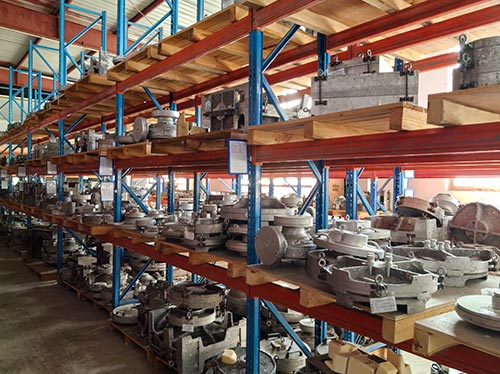
في العمليات الصناعية، تعتبر الصمامات نقاط التحكم الحرجة التي تنظم تدفق السوائل والضغط والسلامة. وفقا ل الجمعية الدولية للأتمتة (ISA), تمثل أعطال الصمامات ما يقرب من 25% من جميع حوادث معدات المعالجة على مستوى العالم، مما يؤدي إلى التوقف عن العمل والمخاطر البيئية وحوادث السلامة المحتملة.
سلامة الصمام يبدأ في مرحلة التصميم والتصنيع. يجب أن تتحمل مكونات الصب، بما في ذلك أجسام الصمامات والأغطية وعناصر الختم، الظروف القاسية: درجة الحرارة المرتفعة والضغط العالي والسوائل المسببة للتآكل. يمكن للمواد المختارة بشكل سيئ أو عمليات الصب دون المستوى المطلوب أن تعرض السلامة للخطر، مما يؤدي إلى حدوث تسربات أو أعطال هيكلية أو حوادث كارثية.
في هذا الدليل الشامل، نقدم أ النهج الذي يركز على المشتريات, ، يجمع بين الرؤى التقنية والبيانات الواقعية وتوصيات الخبراء لمساعدة المشترين الصناعيين على ضمان سلامة الصمامات والموثوقية التشغيلية.
النقاط الرئيسية المغطاة
- استراتيجيات اختيار المواد لأداء الصمام الآمن
- طرق الصب: طرق الاستثمار والرمل والهجين
- الامتثال لمعايير سلامة الصمامات العالمية
- استراتيجيات المراقبة والصيانة التنبؤية المتقدمة
- تحليل التكلفة والعائد لقرارات الشراء
- دراسات حالة في العالم الحقيقي لحوادث سلامة الصمامات
المواد مهمة: اختيار مكونات الصب الآمنة
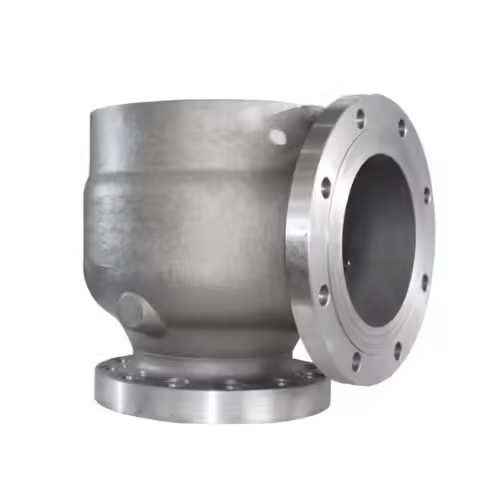
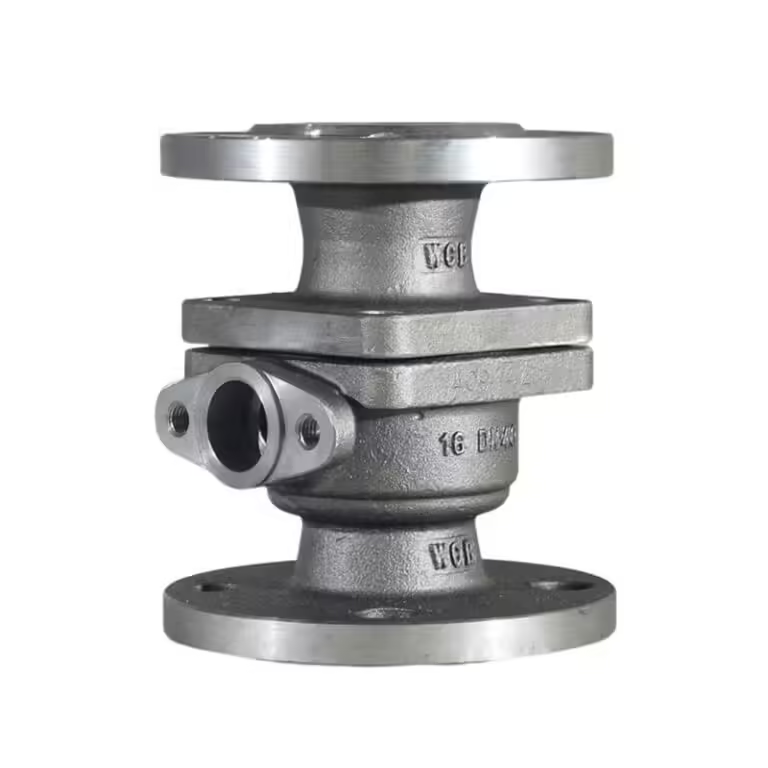
الفولاذ المقاوم للصدأ للتآكل ومقاومة درجات الحرارة
الفولاذ المقاوم للصدأ هو الخيار الأكثر شيوعًا للصمامات عالية الأداء.
السبائك الشعبية:
- 316/316L: مقاومة للكلوريد، مثالية للصناعات البحرية والكيميائية والبترولية
- 304/304L: فعالة من حيث التكلفة، ومقاومة معتدلة للتآكل
- 17-4PH: فولاذ مقوى بالترسيب ذو قوة عالية ومقاومة للتآكل
- 410: الفولاذ المقاوم للصدأ المارتنسيتي، مناسب لصمامات البخار ذات درجة الحرارة العالية
نظرة معمقة على القطاع:
وفقًا لمجلة Valve World، أظهرت الصمامات المصنوعة من الفولاذ المقاوم للصدأ سعة 316 لترًا عمرًا أطول يبلغ 30% في البيئات عالية الكلوريد مقارنة بـ 304 لترًا. وهذا يقلل بشكل مباشر من وقت التوقف عن العمل وتكاليف الصيانة، مما يزيد من السلامة التشغيلية.
مصبوبات الصلب الكربوني للتطبيقات العامة
يستخدم الفولاذ الكربوني على نطاق واسع في أنظمة الضغط المتوسط إلى المنخفض.
الدرجات المشتركة:
- مجلس تعويضات العمال: قياسي للصمامات ذات الأغراض العامة في درجة حرارة الغرفة
- 4130: خيار عالي القوة للضغط ودرجة الحرارة المتوسطة والعالية
مقارنة:
| ملكية | 304 الفولاذ المقاوم للصدأ | WCB الكربون الصلب |
|---|---|---|
| مقاومة التآكل | عالي | معتدل |
| قوة درجات الحرارة العالية | واسطة | عالي |
| يكلف | أعلى | أدنى |
| تردد الصيانة | قليل | معتدل |
السبائك المتخصصة للظروف القاسية
توفر السبائك المتخصصة مقاومة استثنائية للضغط ودرجة الحرارة والتآكل.
أمثلة:
- 2205 فولاذ مقاوم للصدأ مزدوج: مقاومة عالية للتشقق الناتج عن التآكل الإجهادي
- سبائك الكوبالت (Co6، Co12): مثالية للصمامات في تطبيقات التآكل ذات درجات الحرارة العالية
رأي الخبراء:
الدكتور مايكل هارت، مهندس مواد في معهد بحوث الصمامات الصناعية, ملاحظات: يمكن أن يؤدي اختيار السبائك المناسبة إلى تحسين عمر الصمام بما يصل إلى 50% في العمليات الكيميائية ذات درجة الحرارة العالية، مما يعزز بشكل مباشر سلامة الصمام وموثوقيته التشغيلية.“
طرق الصب وتأثيرها على أمان الصمامات
الاستثمار في الصب
يفضل الصب الاستثماري للصمامات المعقدة ذات الضغط العالي.
فوائد:
- التسامح الدقيق (≥ Ra1.6 ميكرومتر)
- تجاويف داخلية معقدة
- انخفاض المسامية والعيوب
تطبيق:
الأفضل لصمامات الفولاذ المقاوم للصدأ والسبائك التي تعمل تحت ضغط عالٍ في الصناعات الكيميائية والبتروكيماوية والطاقة.
صب الرمل
يعتبر صب الرمل فعالاً للصمامات الكبيرة ذات الشكل البسيط.
المزايا:
- فعالة من حيث التكلفة للإنتاج الضخم
- مناسبة للمياه ذات الضغط المنخفض والأنظمة البلدية
- الدقة المعتدلة تضمن السلامة للتطبيقات غير الحرجة
المقايضة:
في حين أن صب الرمل آمن لأنظمة الضغط المنخفض، فإن الصب الاستثماري مفضل للصمامات ذات الضغط العالي والدقة العالية حيث سلامة الصمام أمر بالغ الأهمية.
التصنيع باستخدام الحاسب الآلي بعد الصب
تضمن المعالجة باستخدام الحاسب الآلي أن الأسطح الحرجة تلبي التفاوتات الصارمة.
التأثير على السلامة:
- التسطيح والعمودية ≥0.02 مم/م
- يضمن تجميعًا خاليًا من التسرب
- يدعم الختم المحكم في أنظمة الضغط العالي
دراسة حالة:
قام مصنع كيميائي بتعديل 50 صمامًا رمليًا من نوع WCB بمقاعد مصنوعة من مادة CNC، مما قلل من حوادث التسرب من 6 سنويًا إلى الصفر، مما يدل على تحسينات ملموسة في السلامة.
معايير سلامة الصمام والامتثال
المعايير الدولية والإقليمية
- واجهة برمجة التطبيقات 600/واجهة برمجة التطبيقات 602: صمامات البوابة والكرة الأرضية
- ايزو 10434/ايزو 5208: اختبار الضغط، معدلات التسرب
- أسمي ب16.34: بناء الصمام وتقييمات الضغط
أهمية:
يضمن الامتثال أن مكونات الصب تلبي متطلبات الضغط التصميمي ودرجة الحرارة ومقاومة التآكل. يمكن أن يؤدي عدم الامتثال إلى تشغيل غير آمن أو عقوبات تنظيمية.
طرق الاختبار
- الاختبار الهيدروستاتيكي: يؤكد تقييمات الضغط
- فحص الأشعة السينية/الموجات فوق الصوتية: يكتشف عيوب الصب الداخلية
- التحقق من الأبعاد: يضمن التفاوتات الصارمة والتجميع المناسب
ممارسة الصناعة:
الشركات الرائدة في تصنيع الصمامات، بما في ذلك لييروو, ، أبلغ أن أكثر من 95% من أعطال الصمامات في المنشآت الصناعية ترجع إلى عدم كفاية الاختبارات أو سوء اختيار المواد. الالتزام السليم بالمعايير يخفف من هذه المخاطر.
التثبيت والتشغيل والصيانة لسلامة الصمامات
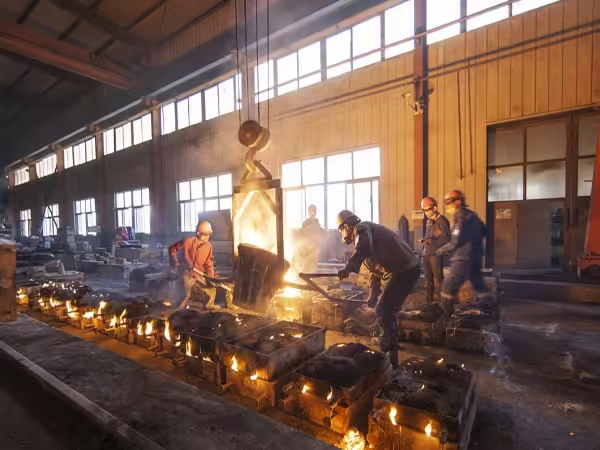
التثبيت السليم
- عزم الدوران لكل مواصفات الشركة المصنعة
- التحقق من محاذاة الحافة
- فحوصات توافق الحشية
لماذا يهم:
يمكن أن يؤدي التثبيت غير الصحيح إلى الإضرار بالختم ويؤدي إلى حدوث تسربات أو أعطال كارثية، مما يقلل من سلامة الصمام بشكل عام.
الصيانة الروتينية
- تشحيم المكونات المتحركة
- فحص الأختام والسيقان
- مراقبة التآكل أو التآكل
فائدة:
تعمل الصيانة الاستباقية على زيادة عمر الخدمة، وتضمن السلامة، وتقلل من وقت التوقف غير المخطط له.
المراقبة الذكية
- أجهزة استشعار تدعم إنترنت الأشياء للضغط ودرجة الحرارة والتدفق
- الصيانة التنبؤية باستخدام التحليلات
- الإنذارات الآلية للحالات غير الطبيعية
اتجاه:
تدمج المصانع الحديثة أجهزة الاستشعار الذكية، مما يقلل من الحوادث المتعلقة بالصمامات بما يصل إلى 40% وفقًا لـ تقرير سلامة الصمامات الصناعية 2024.
استراتيجيات الشراء ل أمان الصمامات
التكلفة مقابل مقايضة السلامة
يعد تحقيق التوازن بين التكاليف الأولية والسلامة التشغيلية على المدى الطويل أمرًا بالغ الأهمية.
| اعتبار | خيار منخفض التكلفة | خيار السلامة العالية |
|---|---|---|
| مادة | WCB الكربون الصلب | 316 لتر ستانلس ستيل |
| طريقة الصب | صب الرمل | الاستثمار في الصب |
| متطلبات الصيانة | عالي | قليل |
| عمر | 5 بين 10 سنوات | 15-25 سنة |
| هامش السلامة | معتدل | عالي |
اختيار البائعين
- تقييم تجربة التصنيع
- التحقق من شهادات الامتثال (ISO، API، ASME)
- تحقق من دعم ما بعد البيع للصيانة والتدريب
دراسات حالة من واقع الحياة
دراسة الحالة 1: فشل صمام مصنع البتروكيماويات
- المشكلة: فشل صمام WCB المصبوب بالرمل منخفض الجودة تحت ضغط بخار يبلغ 25 بار
- التأثير: توقف الإنتاج 48 ساعة، خسائر $250k
- الحل: تم استبداله بصمام مصبوب استثماري من الفولاذ المقاوم للصدأ سعة 316 لترًا؛ لا حوادث منذ 5 سنوات
دراسة الحالة 2: ترقية إمدادات المياه البلدية
- المشكلة: تآكل في الصمامات المصبوبة منخفضة التكلفة
- الحل: تركيب صمامات مزدوجة من الفولاذ المقاوم للصدأ 2205؛ تحسين السلامة والعمر
- عائد الاستثمار: خفض تكاليف الصيانة بمقدار 35% على مدى 10 سنوات
خاتمة
ضمان سلامة الصمام يبدأ بالاختيار الدقيق للمواد، وطرق الصب الدقيقة، والالتزام بالمعايير الدولية. إن دمج المراقبة التنبؤية والصيانة الذكية واستراتيجيات الشراء المستنيرة يساعد الصناعات على تقليل المخاطر وتقليل تكاليف التشغيل والحفاظ على الامتثال التنظيمي.
الوجبات الجاهزة للمشترين:
إن الاستثمار في مكونات الصب عالية الجودة وحلول المراقبة الحديثة ليس قرارًا اختياريًا، فهو قرار استراتيجي يحمي العمليات الصناعية والموظفين والامتثال البيئي.
الأسئلة الشائعة
ما هي العوامل الأكثر تأثيرا سلامة الصمام?
اختيار المواد وطريقة الصب والامتثال للمعايير الدولية.
كم مرة يجب فحص الصمامات المصبوبة الصناعية؟
الأنظمة الحرجة: ربع سنوية؛ غير حرجة: نصف سنوية.
هل يمكن مراقبة سلامة الصمام عن بعد؟
نعم، يمكن لأجهزة استشعار إنترنت الأشياء تتبع الضغط ودرجة الحرارة والتدفق في الوقت الفعلي.
هل صب الاستثمار دائمًا أكثر أمانًا من صب الرمل؟
بالنسبة للصمامات المعقدة ذات الضغط العالي، نعم. بالنسبة للصمامات البسيطة ذات الضغط المنخفض، يكون صب الرمل كافيًا.
كيفية حساب عائد الاستثمار على سلامة الصمام استثمارات؟
عامل في تكاليف الاستبدال، ووقت التوقف عن العمل، والصيانة، وتخفيف مخاطر السلامة، والامتثال التنظيمي.
هل يمكن للسبائك المتخصصة أن تمنع فشل الصمامات المبكر؟
نعم، فهي توفر مقاومة للتآكل والتآكل والتآكل الناتج عن درجات الحرارة العالية.
هل الأسطح المُشكَّلة باستخدام الحاسب الآلي ضرورية لـ سلامة الصمام?
ضروري لأسطح الختم الدقيقة والتشغيل الخالي من التسرب.
ما هي المعايير الدولية التي ينبغي منحها الأولوية؟
تعد API وISO وASME أساسية؛ ويجب أيضًا مراعاة المتطلبات التنظيمية المحلية.
فئات المنتجات
- أجزاء الصمامات
- أجزاء مضخة المياه
- أجزاء صندوق المحمل
- أجزاء الصب بالقالب
- منتجات مضخات الفولاذ المقاوم للصدأ
- منتجات مضخات الحديد الزهر
- قطع غيار الصمامات لاستخدام السيارات
- قطع غيار السيارات
- أجزاء الصمامات للاستخدام المدني
- قطع غيار مضخة التفريغ KF

 Arabic
  English
  Spanish
  Malay
Malay  German