
كيف يعمل تصنيع الصمامات: شرح صب مكونات الصمامات
مرحباً بكم في مدونتي!
يسعدني وجودك هنا! قبل أن نتعمق في المحتوى، أود أن تنضموا إليّ على منصات التواصل الاجتماعي. هناك أشارككم أفكارًا إضافية، وأتواصل مع مجتمعنا الرائع، وأُطلعكم على آخر الأخبار. إليكم كيفية البقاء على تواصل:
📘 فيسبوك: شركة شنغهاي لييروو الصناعية التجارية المحدودة
الآن، لننطلق في هذه الرحلة معًا! آمل أن تجدوا هذا المحتوى مفيدًا ومُلهمًا وقيّمًا. هيا بنا!
الوجبات السريعة الرئيسية (القائمة السريعة)
- تصنيع الصمامات يبدأ باختيار المواد وقرارات طريقة الصب.
- يعد الصب الدقيق الخطوة الأكثر أهمية لمكونات الصمامات عالية الأداء.
- الفولاذ المقاوم للصدأ هو المادة السائدة بسبب مقاومة التآكل والمتانة.
- يوفر الصب الاستثماري دقة عالية، في حين أن صب الرمل فعال من حيث التكلفة للأجزاء الكبيرة.
- تضمن المعالجة باستخدام الحاسب الآلي تفاوتات محكمة لإغلاق الأسطح والفلنجات.
- تعد مراقبة الجودة (الكشف عن العيوب واختبار الضغط) أمرًا ضروريًا لضمان الموثوقية.
- يضمن الإنتاج المخصص بناءً على رسومات العملاء التوافق مع ظروف التشغيل المحددة.
- يدمج تصنيع الصمامات الحديث الأدوات الرقمية مثل المسح ثلاثي الأبعاد والمحاكاة ومراقبة الصناعة 4.0.
جدول المحتويات
مقدمة
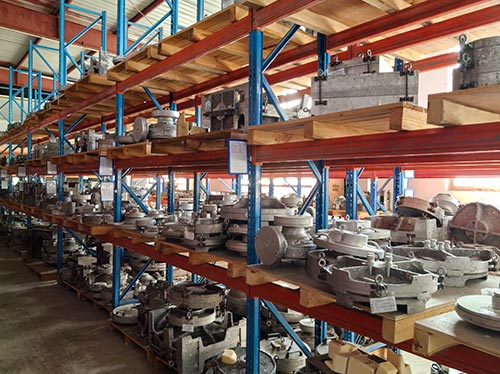
يعتمد كل نظام صناعي على الصمامات للتحكم في تدفق السوائل والغازات. في خطوط أنابيب النفط والغاز ومحطات الطاقة والمصانع الكيماوية وأنظمة المياه البلدية، تعتبر الصمامات هي الأبطال الصامتين الذين يحافظون على السلامة والاستقرار التشغيلي. عندما يفشل الصمام، يمكن أن يؤدي ذلك إلى تسرب كارثي، وتلف المعدات، وحتى الكوارث البيئية.
تصنيع الصمامات وبالتالي، ليس مجرد “ جعل جزء من الاتجاه هو إنشاء جهاز أمان عالي الدقة. في قلب عملية التصنيع هذه يوجد صب مكونات الصمام. هذا هو المكان الذي يتم فيه تحديد السلامة الهيكلية للصمام ومقاومة الضغط وأداء الختم.
غالبًا ما يتم الاستهانة بتصنيع الصمامات، إلا أنه نظام هندسي عالي الدقة يتطلب مواد متقدمة، وصبًا دقيقًا، وتصنيعًا دقيقًا، واختبارات صارمة. تغوص هذه المقالة في قلب تصنيع الصمامات، مع التركيز بشكل خاص على صب مكونات الصمامات.
المفهوم الأساسي: تصنيع الصمامات مقابل صب مكونات الصمام
يغطي تصنيع الصمامات دورة الحياة الكاملة لصمام الضخ بدءًا من التصميم والصب وحتى التصنيع والتجميع والاختبار والتسليم. ومع ذلك، فإن صب مكونات الصمام هو الأساس. وبدون المسبوكات عالية الجودة، سيفشل الصمام في تلبية متطلبات الأداء.
تصنيع الصمامات: الصورة الكبيرة
يشمل تصنيع الصمامات ما يلي:
- التصميم الهندسي
- اختيار المواد
- اختيار طريقة الصب
- التصنيع
- حَشد
- الاختبار وإصدار الشهادات
- دعم التسليم وما بعد البيع
كل خطوة مترابطة. لا يمكن تصحيح الخلل في الصب عن طريق التصنيع وحده. ولذلك، فإن الصب هو المرحلة الأكثر أهمية.
صب مكونات الصمام: الأساس النقدي
صب مكونات الصمام هو المسؤول عن:
- إنشاء جسم الصمام
- إنتاج أغطية الصمامات
- تصنيع الأجزاء الداخلية مثل المقاعد والأقراص
- ضمان القوة الهيكلية وسلامة الختم
تؤثر جودة الصب بشكل مباشر على:
- مقاومة الضغط
- أداء الختم
- متانة
- مقاومة التآكل
- أمان
اختيار المواد في تصنيع الصمامات
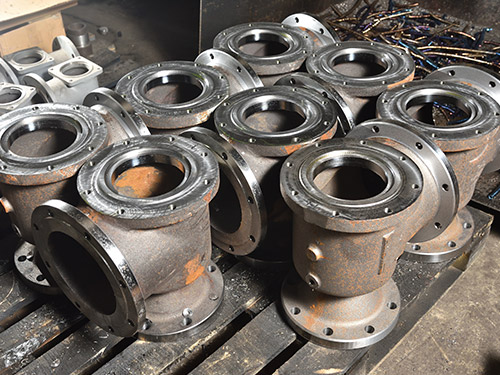
لماذا يهم اختيار المواد
يحدد اختيار المواد ما إذا كان الصمام يمكنه تحمل الضغط العالي ودرجة الحرارة المرتفعة والتآكل والتآكل الميكانيكي. في العديد من التطبيقات الصناعية، تكون بيئة التشغيل متطرفة
- يمكن أن تتجاوز درجات الحرارة 500° مئوية في أنظمة البخار
- يمكن أن يتجاوز الضغط 1000 بار في خطوط أنابيب النفط والغاز
- الوسائط المسببة للتآكل مثل حمض الهيدروكلوريك وحمض الكبريتيك ومياه البحر شائعة
- يمكن أن يؤدي التجويف والتآكل إلى تدهور مكونات الصمام بسرعة
يتطلب تصنيع الصمامات مواد يمكنها تحمل هذه الظروف مع الحفاظ على ثبات الأبعاد والقوة الميكانيكية.
المواد الشائعة المستخدمة في تصنيع الصمامات
تتكون مكونات الصمام عادة من:
سلسلة الفولاذ المقاوم للصدأ
- 304/304 لتر: مقاومة عامة للتآكل، فعالة من حيث التكلفة
- 316/316 لتر: مقاومة ممتازة للتآكل بالكلوريد، مثالية للصناعات البحرية والكيميائية
- 410: الفولاذ المقاوم للصدأ المارتنسيتي، جيد لصمامات البخار ذات درجة الحرارة العالية
- 17-4PH: قوة عالية ومقاومة للتآكل، تستخدم للصمامات عالية الأداء
سلسلة الصلب الكربوني
- WCB: يستخدم على نطاق واسع للصمامات العامة في درجة حرارة الغرفة
- 4130: قوة عالية لأجسام الصمامات ذات الضغط العالي
سلسلة سبائك متخصصة
- 2205 دوبلكس ستانلس ستيل: مقاومة ممتازة للتآكل الناتج عن الإجهاد
- سبائك الكوبالت (Co6، Co12): يستخدم في ظروف التآكل ذات درجات الحرارة العالية، وخاصة لإغلاق الأسطح
لماذا يفضل الفولاذ المقاوم للصدأ
غالبًا ما يكون الفولاذ المقاوم للصدأ هو الخيار المفضل لأنه:
- يوفر مقاومة عالية للتآكل
- يحافظ على قوته عند درجات الحرارة المرتفعة
- لديها قابلية تصنيع جيدة
- يوفر عمر خدمة طويل في ظل ظروف قاسية
يوصي خبراء الصناعة في كثير من الأحيان بالفولاذ المقاوم للصدأ للصمامات المستخدمة في البيئات الكيميائية والبحرية بسبب أدائه المتوازن وتكلفته.
عملية تصنيع الصمام خطوة بخطوة
التصميم والهندسة
تصنيع الصمامات يبدأ بالرسومات الهندسية والتحقق من صحة التصميم. يجب على المهندسين مراعاة:
- تصنيف الضغط (على سبيل المثال، ANSI 150، 300، 600، 900، 1500)
- حدود درجة الحرارة
- توافق السوائل
- معدل التدفق ومتطلبات التسرب
- الاستقرار الهيكلي تحت الحمل
المفهوم: معايير تصميم الصمام
يجب أن يتوافق تصميم الصمام مع معايير مثل API وANSI وISO ومواصفات العميل. تحدد هذه المعايير الأبعاد وتقييمات الضغط ومتطلبات السلامة.
اختيار طريقة الصب
تؤثر طريقة الصب بشكل مباشر على أداء الصمام. اختيار الطريقة الصحيحة أمر بالغ الأهمية.
الاستثمار في الصب (الصب الدقيق)
غالبًا ما يستخدم صب الاستثمار من أجل:
- صمامات الضغط المتوسط إلى العالي
- الهياكل الداخلية المعقدة
- المكونات التي تتطلب دقة عالية وأسطح ناعمة
مزايا صب الاستثمار:
- دقة عالية
- خشونة سطح منخفضة (يمكن أن تصل إلى Ra 1.6 ميكرومتر أو أفضل)
- تقليل العيوب مثل المسام والانكماش
- انخفاض خطر التسرب
يعتبر الصب الاستثماري مناسبًا بشكل خاص لصمامات الفولاذ المقاوم للصدأ والسبائك تحت الضغط العالي.
صب الرمل
يستخدم صب الرمل ل:
- صمامات الضغط المنخفض
- صمامات كبيرة ذات أشكال بسيطة
- إنتاج كبير الحجم حيث التكلفة أمر بالغ الأهمية
مزايا صب الرمل:
- تكلفة منخفضة
- كفاءة إنتاج عالية
- مناسبة لأجسام الصمامات الكبيرة
ومع ذلك، فإن صب الرمل عادة ما يكون له:
- دقة أقل
- سطح أكثر خشونة
- احتمال عيب أعلى
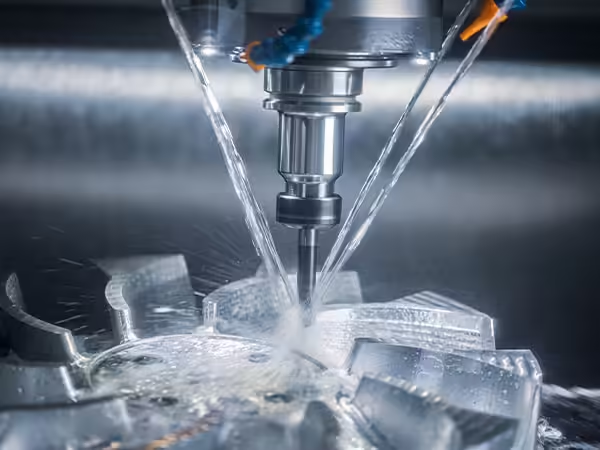
تصنيع الآلات باستخدام الحاسب الآلي
بعد الصب، تحتاج الأسطح الحرجة إلى التصنيع:
- أسطح شفة الصمام
- مهاوي الجذعية
- مقاعد الختم
- المناطق الخيوط
تضمن المعالجة باستخدام الحاسب الآلي تفاوتات مشددة، وغالبًا ما تصل إلى التسطيح والعمودي في حدود 0.02 مم/م.
مراقبة جودة صب الصمام
لماذا تعتبر مراقبة الجودة مهمة
يمكن أن تسبب عيوب الصب مثل المسام والشقوق والانكماش ما يلي
- تسرب
- الفشل الهيكلي
- انخفاض مقاومة الضغط
- تقصير عمر الخدمة
في تصنيع الصمامات، مراقبة الجودة إلزامية.
طرق التفتيش المشتركة
- فحص بالأشعة السينية: يكتشف العيوب الداخلية
- الاختبار بالموجات فوق الصوتية: يكتشف الشقوق الداخلية
- اختبار الضغط: يحاكي ظروف التشغيل الحقيقية
- فحص الأبعاد: يضمن الدقة
يؤكد خبراء الصناعة على أن التفتيش الصارم ضروري لمنع الأعطال وتقليل تكاليف ما بعد البيع.
المقارنة: صب الاستثمار مقابل صب الرمل
صب الاستثمار مقابل صب الرمل في تصنيع الصمامات
وهنا مقارنة مباشرة:
| طريقة الصب | دقة | تشطيب السطح | يكلف | الأفضل لـ |
|---|---|---|---|---|
| الاستثمار في الصب | عالي | ناعم | أعلى | أجسام الصمامات المعقدة، الضغط العالي |
| صب الرمل | معتدل | خشن | أدنى | أجسام صمامات كبيرة وبسيطة |
| التصنيع باستخدام الحاسب الآلي بعد الصب | الأعلى | ناعم | تكلفة إضافية | أسطح التسامح الضيقة |
المفهوم: اختيار طريقة الصب الصحيحة
بالنسبة للصمامات عالية الأداء، عادةً ما يكون الصب الاستثماري هو الخيار الأفضل. بالنسبة للصمامات الكبيرة ومنخفضة التكلفة، يعد صب الرمل أكثر عملية.
التصنيع باستخدام الحاسب الآلي في تصنيع الصمامات
لماذا هناك حاجة إلى التصنيع باستخدام الحاسب الآلي
حتى الصب عالي الدقة لا يمكنه تحقيق أشد التفاوتات المطلوبة لـ:
- أسطح الختم
- أسطح شفة
- واجهات مترابطة
تضمن المعالجة باستخدام الحاسب الآلي أبعادًا دقيقة وتحسن أداء الختم.
المفهوم: المجالات الحاسمة لتصنيع CNC
- أسطح شفة الصمام
- مهاوي الجذعية
- مقاعد الختم
- المناطق الخيوط
يعد التصنيع ضروريًا للتجميع الخالي من التسرب والموثوقية على المدى الطويل.
أداء الختم في تصنيع الصمامات
الختم هو قلب تصنيع الصمامات
يحدد أداء الختم ما إذا كان الصمام يمكنه التحكم في تدفق السوائل دون تسرب. يعتمد ختم الصمام على:
- اختيار المواد
- دقة الصب
- دقة التصنيع
- جودة التجميع
المفهوم: سلامة مقعد الختم
يجب أن تكون مقاعد الختم سلسة ودقيقة. يضمن صب الاستثمار بالإضافة إلى التصنيع باستخدام الحاسب الآلي ما يلي
- التحمل الضيق
- خشونة السطح منخفضة
- أداء الختم مستقر
متطلبات الأداء في تصنيع الصمامات
الضغط العالي ودرجة الحرارة العالية
يجب أن يلبي تصنيع الصمامات متطلبات الأداء ذات الضغط العالي ودرجات الحرارة العالية. يجب أن تقاوم المكونات:
- التمدد الحراري
- الإجهاد الميكانيكي
- تعب
مقاومة التآكل
مقاومة التآكل ضرورية للبيئات الكيميائية والبحرية. غالبًا ما يتم اختيار مواد مثل الفولاذ المقاوم للصدأ والفولاذ المقاوم للصدأ المزدوج.
مقاومة التجويف
يمكن أن يسبب التجويف تآكلًا شديدًا. يساعد اختيار المواد وجودة الصب في تقليل هذا الخطر.
مكونات الصمام المشتركة المصنوعة عن طريق الصب
جسم الصمام
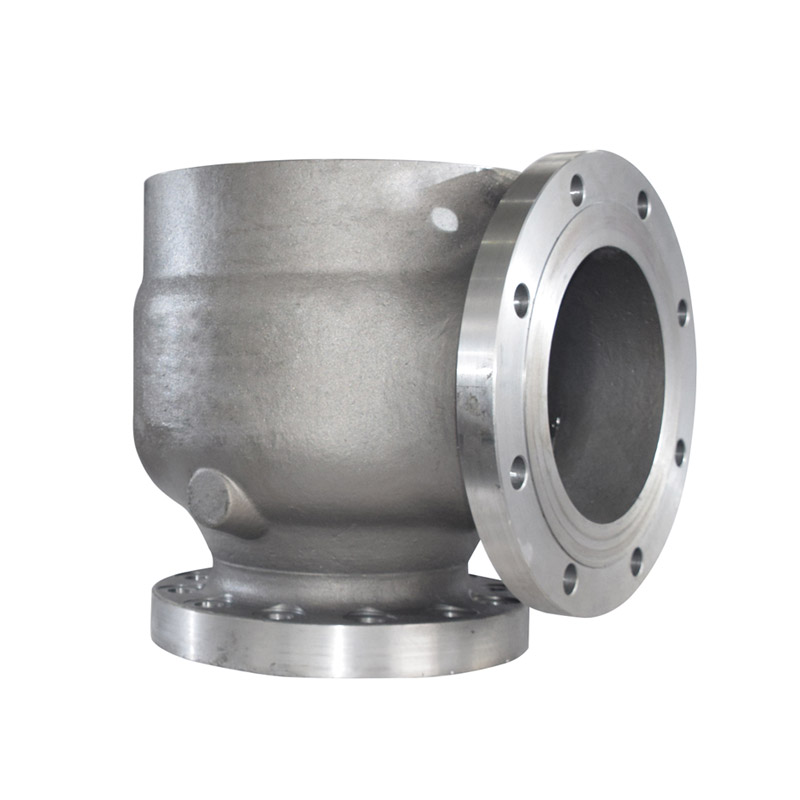
جسم الصمام هو الهيكل الرئيسي الذي يحمل الضغط والسوائل. يجب أن يضمن الصب:
- السلامة الهيكلية
- تدفق داخلي سلس
- لا تسرب
غطاء الصمام
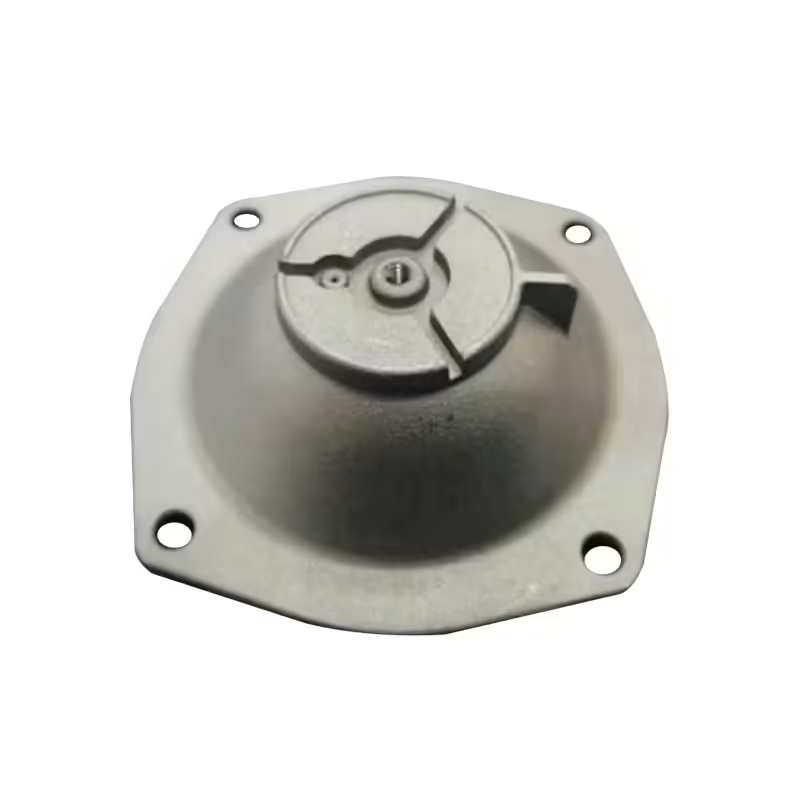
الغطاء يغلق جسم الصمام. يجب أن يتناسب مع الجسم بدقة ويتحمل الضغط الداخلي.
المكونات الداخلية
غالبًا ما يتم صب أو تشكيل مكونات مثل المقعد والقرص والزخرفة لتلبية التفاوتات الصارمة.
الاتجاهات الحديثة في تصنيع الصمامات
التصميم الرقمي والمحاكاة
يستخدم تصنيع الصمامات الحديث الأدوات الرقمية:
- نمذجة CAD ثلاثية الأبعاد
- محاكاة التدفق
- تحليل الإجهاد
تساعد المحاكاة على تحسين:
- استخدام المواد
- قوة
- كفاءة تدفق السوائل
- تكاليف التصنيع
المسح ثلاثي الأبعاد والهندسة العكسية
يتم استخدام المسح ثلاثي الأبعاد لـ:
- التحقق من دقة الصب
- قارن الصب بالتصميم
- تحسين مراقبة الجودة
الصناعة 4.0 والتصنيع الذكي
التصنيع الذكي يتكامل:
- المراقبة في الوقت الحقيقي
- مراقبة الجودة القائمة على البيانات
- خطوط الإنتاج الآلي
وهذا يقلل من العيوب ويحسن الكفاءة.
البيانات العالمية الحقيقية ومعايير الصناعة (المقاييس التي يتم الاستشهاد بها بشكل شائع)
تحسينات الأداء النموذجية بعد تحسين الصب
تظهر تقارير الصناعة في كثير من الأحيان ما يلي:
- يمكن تقليل معدلات عيوب الصب بمقدار 20 بوصة 40% مع تحسين التحكم في العملية
- يمكن تقليل وقت التصنيع بمقدار 10 بوصة 25% من خلال دقة صب أفضل
- يمكن أن تزيد معدلات النجاح في اختبار الضغط بمقدار 15 prostit0% عندما تتحسن جودة الصب
مقاييس الكفاءة في تصنيع الصمامات
تشمل مؤشرات الكفاءة المشتركة ما يلي:
- معدل العائد (المسبوكات التي تلبي المعايير)
- وقت التصنيع لكل جزء
- معدل النجاح في اختبار الضغط
- معدل عائد العميل
رؤى الخبراء (المبادئ المعترف بها في الصناعة)
وجهة نظر الخبراء: جودة الصب تحدد سلامة الصمام
يتفق خبراء الصناعة على أن جودة الصب هي العامل الأساسي في سلامة الصمامات. يقلل الصب عالي الجودة من:
- خطر التسرب
- الفشل الهيكلي
- تكاليف الصيانة
وجهة نظر الخبراء: اختيار المواد هو القرار الأول
يؤكد الخبراء على أن اختيار المواد يجب أن يأخذ في الاعتبار ما يلي
- بيئة التآكل
- نطاق درجة الحرارة
- تصنيف الضغط
- حياة الخدمة
أمثلة على نمط الحالة (معممة وغير خاصة بالشركة)
مثال: صب مكونات صمام الضغط العالي
في نظام الصمامات عالي الضغط، تحدد جودة الصب ما إذا كان الصمام يمكنه تحمل ما يلي
- ضغط 600 بوصة 1500 رطل لكل بوصة مربعة
- بخار عالي الحرارة
- الوسائط المسببة للتآكل
عندما يتم تقليل عيوب الصب، يمكن للصمام الحفاظ على الأداء على المدى الطويل دون تسرب.
مثال: صب مكونات الصمام البحري
تتطلب الصمامات البحرية:
- مقاومة عالية للتآكل الكلوريد
- عمر خدمة طويل
- ختم مستقر
يعد الفولاذ المقاوم للصدأ 316/316L والفولاذ المقاوم للصدأ المزدوج من الخيارات الشائعة.
تحديات تصنيع الصمامات الأكثر شيوعًا
التحدي: عيوب الصب
تشمل العيوب الشائعة ما يلي:
- المسام
- الشقوق
- انكماش
- الادراج
التحدي: أخطاء اختيار المواد
يمكن أن يؤدي اختيار المواد بشكل غير صحيح إلى:
- تآكل
- التشقق
- عطل ميكانيكي
التحدي: عدم دقة التصنيع
إذا لم تكن المعالجة دقيقة، فقد تتسرب أسطح الختم، مما يؤدي إلى الفشل.
المقارنة: طرق تصنيع الصمامات حسب التطبيق
| طلب | طريقة الصب الموصى بها | مادة | سبب |
|---|---|---|---|
| صمامات الضغط العالي | صب الاستثمار | الفولاذ المقاوم للصدأ | أسطح عالية الدقة وناعمة |
| صمامات مياه كبيرة | صب الرمل | الفولاذ الكربوني | فعالة من حيث التكلفة لأجزاء كبيرة |
| بيئة تآكلية | صب الاستثمار | دوبلكس ستانلس ستيل | مقاومة عالية للتآكل |
| ارتفاع درجة الحرارة | صب الاستثمار | 17-4PH/410 | مقاومة الحرارة والقوة |
خاتمة
تصنيع الصمامات هي عملية متخصصة للغاية حيث يلعب الصب دورًا حاسمًا. تتطلب مكونات الصمامات عالية الجودة المادة المناسبة، والصب الدقيق، والتصنيع الدقيق، والاختبارات الصارمة. بالنسبة لصناعات مثل النفط والغاز والمواد الكيميائية والبحرية وتوليد الطاقة، تعد موثوقية الصمام ضرورية للسلامة والكفاءة.
في النهاية،, تصنيع الصمامات لا يتعلق الأمر فقط بإنتاج جزء. يتعلق الأمر بضمان سلامة واستقرار الأنظمة بأكملها. كلما كانت عملية الصب ومراقبة الجودة أفضل، كلما كان الصمام أكثر موثوقية.
الأسئلة الشائعة
ما هي المادة الأكثر شيوعا لتصنيع الصمامات؟
الفولاذ المقاوم للصدأ هو الأكثر شيوعًا نظرًا لمقاومته للتآكل وأدائه في درجات الحرارة العالية.
لماذا يعتبر اختيار الممثلين مهمًا تصنيع الصمامات?
يؤدي الصب إلى إنشاء الهيكل الأساسي ويحدد القوة والختم ومقاومة الضغط.
ما الفرق بين صب الاستثمار وصب الرمل؟
يوفر الصب الاستثماري دقة أعلى وأسطح أكثر سلاسة، في حين أن صب الرمل أرخص ومناسب للأجزاء الكبيرة والبسيطة.
هل يمكن تخصيص مصبوبات الصمامات؟
نعم، غالبًا ما يتم تخصيص صب الصمامات بناءً على رسومات العملاء ومواصفاتهم.
كم من الوقت يستغرق تصنيع الصمامات؟
اعتمادًا على التعقيد، يمكن أن يستغرق الصب بالإضافة إلى التصنيع والاختبار 3 أسابيع ونصف للمكونات المخصصة.
ما هو وضع الفشل الأكثر شيوعًا في تصنيع الصمامات؟
يعد التسرب الناتج عن عيوب الصب أو عدم دقة التشغيل الآلي هو وضع الفشل الأكثر شيوعًا.
فئات المنتجات
- أجزاء الصمامات
- أجزاء مضخة المياه
- أجزاء صندوق المحمل
- أجزاء الصب بالقالب
- منتجات مضخات الفولاذ المقاوم للصدأ
- منتجات مضخات الحديد الزهر
- قطع غيار الصمامات لاستخدام السيارات
- قطع غيار السيارات
- أجزاء الصمامات للاستخدام المدني
- قطع غيار مضخة التفريغ KF

 Arabic
  English
  Spanish
  Malay
Malay  German