
قائمة مراجعة جودة مصبوبات حديد الدكتايل: دليل عملي للمشترين
مرحباً بكم في مدونتي!
يسعدني وجودك هنا! قبل أن نتعمق في المحتوى، أود أن تنضموا إليّ على منصات التواصل الاجتماعي. هناك أشارككم أفكارًا إضافية، وأتواصل مع مجتمعنا الرائع، وأُطلعكم على آخر الأخبار. إليكم كيفية البقاء على تواصل:
📘 فيسبوك: شركة شنغهاي لييروو الصناعية التجارية المحدودة
الآن، لننطلق في هذه الرحلة معًا! آمل أن تجدوا هذا المحتوى مفيدًا ومُلهمًا وقيّمًا. هيا بنا!
جدول المحتويات
النقاط الرئيسية
- فهم مؤشرات الجودة الأساسية مصبوبات الحديد الدكتايل
- تعرف على كيفية فحص المواد الخام والبنية المجهرية والخواص الميكانيكية والأبعاد
- قارن مصبوبات حديد الدكتايل مع الحديد الرمادي والصلب لتوجيه قرارات الشراء
- تحديد عيوب الصب الشائعة وطرق الوقاية
- تعلم تقنيات فحص المصنع الحقيقية ومعايير الاختبار
- احصل على قائمة مرجعية كاملة للجودة للمشتريات ومراقبة الجودة
- فهم كيفية تقييم الموردين بناءً على الشهادات والعملية وإمكانية التتبع
مقدمة
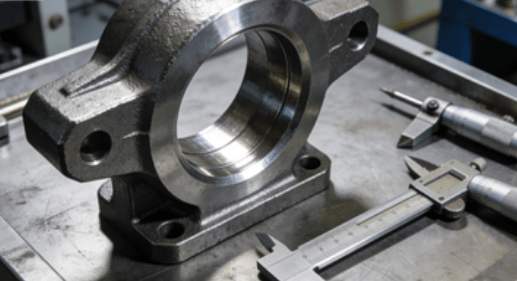
تخيل أن مصنعك يتلقى دفعة من مصبوبات الحديد الدكتايل بالنسبة لأجسام الصمامات، أو أغطية المضخات، أو قطع غيار السيارات. للوهلة الأولى، يبدو كل شيء طبيعيًا. ولكن بعد بضعة أسابيع من الخدمة، تفشل عدة أجزاء بسبب الشقوق أو المسامية الداخلية أو قوة الشد المنخفضة. ولا تقتصر التكلفة على قطع الغيار فحسب، بل تشمل أيضًا وقت التوقف عن العمل والعمالة وفقدان السمعة.
يحدث هذا السيناريو بشكل متكرر لأن المشترين غالبًا ما يعتمدون على السعر أو المظهر وحده. في الواقع، تعتمد مصبوبات الحديد المرن بشكل كبير على البنية المعدنية والمعالجة الحرارية والتحكم في العمليات. قائمة مراجعة الجودة القوية هي الفرق بين سلسلة التوريد الموثوقة ومخاطر الإنتاج المستمرة.
تم تصميم هذا الدليل لمديري المشتريات والمهندسين ومحترفي الجودة. فهو يوفر قائمة مرجعية كاملة وخطوات عملية لتقييم مصبوبات حديد الدكتايل. سوف تتعلم ما يجب التحقق منه، وكيفية التحقق منه، وكيفية تجنب الأخطاء الشائعة.
ما هي المسبوكات الحديدية الدكتايل
التعريف والمفهوم الأساسي
المسبوكات الحديدية الدكتايل هي سبائك الحديد التي تحتوي على عقيدات الجرافيت الكروية. يتغير شكل الجرافيت من التقشر إلى العقدي من خلال معالجة العقيدات. هذا التغيير يحسن بشكل كبير القوة والليونة.
لماذا يتم استخدام مصبوبات حديد الدكتايل على نطاق واسع
تستخدم مصبوبات حديد الدكتايل على نطاق واسع لأنها توفر:
- قوة شد عالية ومقاومة للصدمات
- أداء جيد للتعب
- قابلية تشغيل ممتازة
- كفاءة التكلفة مقارنة بالصلب
الميزة المعدنية الرئيسية
السمة الرئيسية هي عقيدات الجرافيت. إذا لم تكن العقيدات موحدة أو غير منتظمة، فإن الصب سيفقد ليونته ويصبح هشًا. ولهذا السبب يعد فحص البنية المجهرية أمرًا ضروريًا.
لماذا الجودة مهمة في مصبوبات حديد الدكتايل
الموثوقية والسلامة
المسبوكات الحديدية الدكتايل غالبا ما تستخدم في أنظمة الضغط والمكونات الهيكلية والأجزاء المتحركة. يمكن أن يسبب الفشل:
- اغلاق المعدات
- حوادث السلامة
- خسارة اقتصادية كبيرة
التحكم في التكاليف والأداء على المدى الطويل
تؤدي المسبوكات ذات الجودة الرديئة إلى:
- معدلات الخردة العالية
- نفايات إعادة العمل والتصنيع
- عمر خدمة قصير
- زيادة وتيرة الصيانة
طلب السوق وأداء المنتج
في التطبيقات الصناعية الحديثة، يطلب العملاء أداءً مستقرًا وعمرًا طويلًا. ولا يمكن لمسبوكات حديد الدكتايل ذات الجودة غير المستقرة تلبية هذه المتطلبات.
قائمة مراجعة جودة مصبوبات حديد الدكتايل

فحص التركيب المادي والكيميائي
ما يجب التحقق منه
يحدد التركيب الكيميائي الأداء النهائي. تشمل العناصر الأساسية ما يلي
- الكربون
- السيليكون
- المنغنيز
- المغنيسيوم
- الكبريت
- الفوسفور
النطاقات المقبولة
نطاقات التكوين النموذجية ل مصبوبات الحديد الدكتايل:
- الكربون 3.2 إلى 3.8
- السيليكون 1.8 إلى 3.0
- المنغنيز 0.1 إلى 0.6
- المغنيسيوم 0.03 إلى 0.05
- الكبريت أقل من 0.03
- الفوسفور أقل من 0.05
لماذا هذا مهم
إذا كان المغنيسيوم غير كاف، فإن الجرافيت سوف يتشكل على شكل رقائق وسيصبح الصب هشًا. إذا كان الكبريت مرتفعًا جدًا، فلن تتشكل العقيدات بشكل صحيح.
فحص البنية المجهرية
عقيدات الجرافيت والمصفوفة
يجب أن يشمل فحص البنية المجهرية ما يلي:
- عدد العقيدات لكل ملليمتر مربع
- شكل وحجم العقيدات
- بنية المصفوفة مثل الفريت أو البيرلايت أو المارتنسيت
كيف تبدو الجودة العالية
عرض مصبوبات حديد الدكتايل عالية الجودة:
- عقيدات موحدة
- عدد العقيدات عادة ما يزيد عن 30 لكل ملليمتر مربع
- الحد الأدنى من محتوى الكربيد
آثار المعالجة الحرارية
المعالجة الحرارية مثل التطبيع تعمل على تحسين المتانة والثبات. المعالجة الحرارية المناسبة سوف:
- صقل حجم الحبوب
- تقليل الإجهاد المتبقي
- تحسين الليونة
التحقق من الخواص الميكانيكية
قوة الشد والاستطالة
الخواص الميكانيكية الشائعة لمسبوكات حديد الدكتايل:
- قوة الشد 400 إلى 700 ميجا باسكال
- الاستطالة 10 إلى 25 بالمئة
- صلابة 170 إلى 300 HB
لماذا هذا مهم
تشير الخواص الميكانيكية إلى أن الصب يمكن أن يتحمل الحمل والإجهاد في العالم الحقيقي. الاستطالة المنخفضة تعني أن الصب هش وقد يتشقق تحت التأثير.
فحص الأبعاد والسطح
دقة الأبعاد
استخدم أدوات مثل:
- الفرجار
- ميكرومتر
- آلة قياس الإحداثيات CMM
- المسح بالليزر
جودة السطح
تحقق من:
- لا الشقوق
- لا توجد ثقوب رملية
- سطح أملس
- علامات التصنيع الصحيحة
التسامح الأبعاد
يعتمد التسامح النموذجي على حجم الصب وتعقيده. المعايير المشتركة هي:
- ISO 8062 لتفاوتات الأبعاد
- معايير GB لتفاوتات الصب
الاختبار غير المدمر NDT
طرق NDT الشائعة
- اختبار الجسيمات المغناطيسية
- الاختبار بالموجات فوق الصوتية
- اختبار اختراق الصبغة
- فحص الأشعة السينية
متى تستخدم NDT
NDT مطلوب للمكونات الهامة مثل:
- أجسام الصمامات
- مساكن المضخة
- تجهيزات أنابيب الضغط
- الأجزاء الحاملة للسيارات
ما يكشفه NDT
يمكن للـ NDT اكتشاف:
- المسامية الداخلية
- الشقوق
- الادراج
- يغلق الباردة
مقارنة المسبوكات الحديدية الدكتايل مقابل الحديد الرمادي مقابل الفولاذ
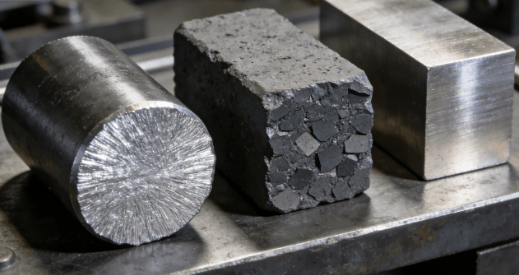
مقارنة القوة والصلابة
توفر مصبوبات حديد الدكتايل أداءً متوازنًا بين الحديد الرمادي والصلب.
| مادة | قوة | اللدونة | يكلف | الأفضل لـ |
|---|---|---|---|---|
| المسبوكات الحديدية الدكتايل | عالي | عالي | واسطة | الصمامات والتروس والمساكن |
| الحديد الرمادي | واسطة | قليل | قليل | أغلفة أساسية |
| فُولاَذ | مرتفع جداً | واسطة | عالي | مكونات شديدة التحمل |
لماذا يختار المشترون مصبوبات حديد الدكتايل
- صلابة أفضل من الحديد الرمادي
- أكثر فعالية من حيث التكلفة من الفولاذ
- قابلية تشغيل ممتازة
- مقاومة عالية للتعب
العيوب الشائعة وكيفية التعرف عليها
المسامية
تحدث المسامية بسبب الغاز المحصور في الصب أو الانكماش. فهو يقلل من القوة ويسبب تسربًا في أجزاء الضغط.
الإغلاقات الباردة والضمامات
تحدث عمليات الإغلاق الباردة عندما لا يندمج المعدن المنصهر بشكل صحيح. الادراج عبارة عن شوائب غير معدنية. كلاهما يقلل من القوة وقد يسبب الشقوق.
الشقوق والتزييف
غالبًا ما تحدث الشقوق أثناء التبريد أو التشغيل الآلي. يشير التزييف إلى توزيع غير متساوٍ للضغط أو سوء المعالجة الحرارية.
كيفية منع العيوب
- ضمان درجة حرارة الذوبان الصحيحة
- استخدم نظام البوابات المناسب
- التحكم في نفاذية القالب
- استخدام عملية التلقيح والعقيدات المناسبة
- إجراء المعالجة الحرارية بشكل صحيح
قائمة مراجعة فحص المصنع الحقيقي
فرن الصهر ومعالجة المعادن
- التحقق من نوع الفرن والتحكم في درجة الحرارة
- التحقق من عملية العقيدات والتلقيح
- فحص مصدر المواد الخام وإمكانية التتبع
عملية التشكيل والصب
- التحقق من جودة الرمال ودقة القولبة
- التحقق من وقت معالجة العفن
- فحص تصميم البوابات والناهض
مرفق المعالجة الحرارية
- تأكيد درجة حرارة المعالجة الحرارية والوقت
- التحقق من طريقة ومعدات التبريد
- التحقق من التحكم في درجة الحرارة والسجلات
مختبر فحص الجودة
- التحقق من توافر المطياف
- التحقق من آلة اختبار الشد
- تأكيد المجهر المعدني
- فحص معدات NDT
معايير الصناعة ومتطلبات الجودة
المعايير المشتركة المستخدمة في مصبوبات حديد الدكتايل
- معيار حديد الدكتايل ISO 1083
- معيار صب حديد الدكتايل ASTM A536
- معيار حديد الدكتايل GB 1348
- EN 1563 معيار صب حديد الدكتايل
متطلبات الجودة النموذجية للمكونات الحيوية
بالنسبة لمكونات الضغط والآلات الثقيلة، غالبًا ما تتضمن متطلبات الجودة ما يلي
- قوة الشد أعلى من 500 ميجا باسكال
- الاستطالة فوق 12 بالمائة
- فحص NDT لجميع الأجزاء
- تحكم صارم في الأبعاد
آراء الخبراء ورؤى الصناعة
عرض خبير المعادن
وقال أحد كبار علماء المعادن من شركة صب رائدة:
“يحدد شكل الجرافيت من نوع” جودة صب الحديد المرن. حتى مع التركيب الصحيح، فإن العقيدات الضعيفة ستؤدي إلى جرافيت قشاري وفشل هش.”
عرض الخبراء الهندسيين
قال مهندس ميكانيكي يعمل في تصنيع المضخات:
“يجب إجراء اختبار المواد وفحص البنية المجهرية قبل الإنتاج الضخم. العديد من حالات الفشل ناتجة عن البنية المجهرية غير المتسقة وسوء المعالجة الحرارية.”
عرض مدير الجودة
وقال مدير الجودة في تصنيع الصمامات:
“التتبع والتوثيق ضروريان. إذا لم يتمكن المورد من تقديم تقرير المعالجة الحرارية وتقرير الاختبار غير الإتلافي، فلا ينبغي قبول الصب.”
كيفية اختيار مورد موثوق
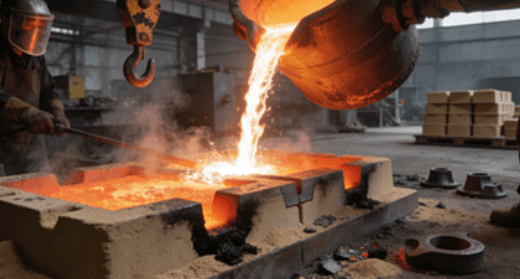
قائمة مراجعة تقييم الموردين
- القدرة الإنتاجية والإنتاج المستقر
- الفريق الفني وإدارة الجودة
- معدات الاختبار ونظام التفتيش
- القدرة على تقديم الوثائق الكاملة
- شهادات الأيزو والصناعة
أسئلة الموردين الرئيسية
- كيف تتحكم في عملية العقيدات
- ما هو معدل الخلل ومعدل الخردة
- هل لديك القدرة على NDT
- هل يمكنك تقديم اختبار العينة
- ما هي عملية المعالجة الحرارية الخاصة بك
قائمة مراجعة المشتري العملية
قبل الشراء
- التحقق من شهادة المواد
- تأكيد التركيب الكيميائي
- التحقق من الخواص الميكانيكية
- مراجعة تقرير البنية المجهرية
- تأكيد التسامح الأبعاد
بعد استلام البضائع
- إجراء اختبار العينة
- إجراء الفحص البصري
- تحقق من تشطيب السطح
- التحقق من نتائج الاختبار غير الإتلافي
- التحقق من حماية التعبئة والتغليف والنقل
التطبيق العملي ومراقبة التكاليف
كيف تؤثر الجودة على التكلفة
جودة عالية مصبوبات الحديد الدكتايل قد تكلف أكثر في البداية ولكنها تقلل:
- تكلفة إعادة العمل
- تكلفة الخردة
- تكلفة الفشل
- تكلفة الصيانة
أداء طويل الأمد
يمكن أن يستمر صب حديد الدكتايل عالي الجودة من 10 إلى 20 عامًا في العديد من التطبيقات مثل صمامات المياه وأغطية المضخات والأجزاء الهيكلية.
جداول المقارنة الإضافية
مقارنة أداء المواد
| ملكية | المسبوكات الحديدية الدكتايل | الحديد الرمادي | فُولاَذ |
|---|---|---|---|
| قوة الشد | عالي | واسطة | مرتفع جداً |
| اللدونة | عالي | قليل | واسطة |
| مقاومة التعب | عالي | قليل | عالي |
| يكلف | واسطة | قليل | عالي |
| قابلية التصنيع | جيد | جيد | واسطة |
جدول أولويات التفتيش
| نوع التفتيش | أولوية | لماذا |
|---|---|---|
| التركيب الكيميائي | عالي | يحدد الخصائص النهائية |
| البنية الدقيقة | عالي | يحدد الليونة والقوة |
| اختبار ميكانيكي | عالي | يؤكد الأداء |
| NDT | متوسط إلى مرتفع | الأجزاء الحرجة تحتاج إلى فحص داخلي |
| فحص الأبعاد | عالي | يضمن الملاءمة والوظيفة |
خاتمة
المسبوكات الحديدية الدكتايل يتم تحديد الجودة من خلال عوامل متعددة بما في ذلك التركيب والبنية المجهرية والخواص الميكانيكية والتحكم في عملية التصنيع. بالنسبة للمشترين، تعد القائمة المرجعية الشاملة ضرورية لضمان الموثوقية والأداء على المدى الطويل.
باتباع هذا الدليل، يمكنك:
- تقليل العيوب ومخاطر الفشل
- تحسين استقرار الإنتاج
- التحكم بفعالية من حيث التكلفة
- ضمان أداء آمن وموثوق
إذا أردت، يمكنني أيضًا مساعدتك
- قم بإنشاء قائمة مرجعية مخصصة لتقييم الموردين
- اكتب قالب تدقيق المصنع
- التوصية بمعايير التفتيش بناءً على طلبك
فقط أخبرني بطلبك ومتطلباتك، وسأقوم بتصميم الدليل ليناسب احتياجاتك.
الأسئلة الشائعة
ما هو العامل الأكثر أهمية في جودة مصبوبات الحديد المرن
العامل الأكثر أهمية هو البنية المجهرية، وخاصة عقيدات الجرافيت وتوزيع المصفوفة. فهو يحدد بشكل مباشر القوة والليونة.
كيف يمكنني التأكد من أن الصب يلبي المتطلبات الميكانيكية
اطلب اختبار الشد واختبار الصلابة وتقرير البنية المجهرية. قارن النتائج بمعايير التصميم الخاصة بك.
لماذا يعتبر NDT مهمًا لمسبوكات حديد الدكتايل
يكتشف الاختبار غير الإتلافي العيوب الداخلية مثل المسامية والشقوق والشوائب التي لا يمكن رؤيتها بصريًا. بالنسبة لأجزاء الضغط، يعد الاختبار غير الإتلافي إلزاميًا.
كيفية الاختيار بين مصبوبات الحديد المرن والصلب
اختر مصبوبات حديد الدكتايل إذا كنت بحاجة إلى صلابة عالية، ومقاومة جيدة للتعب، وكفاءة من حيث التكلفة. اختر الفولاذ لتطبيقات القوة القصوى ودرجات الحرارة العالية.
كم من الوقت تستمر مصبوبات الحديد المرن
في ظل الظروف العادية، جودة عالية مصبوبات الحديد الدكتايل يمكن أن تستمر من 10 إلى 20 سنة. في البيئات القاسية، يلزم الطلاء والصيانة المناسبة.
فئات المنتجات
- أجزاء الصمامات
- أجزاء مضخة المياه
- أجزاء صندوق المحمل
- أجزاء الصب بالقالب
- منتجات مضخات الفولاذ المقاوم للصدأ
- منتجات مضخات الحديد الزهر
- قطع غيار الصمامات لاستخدام السيارات
- قطع غيار السيارات
- أجزاء الصمامات للاستخدام المدني
- قطع غيار مضخة التفريغ KF

 Arabic
  English
  Spanish
  Malay
Malay  German