
تجنب مشاكل مضخات المروحة الشائعة: دليل شامل
مرحباً بكم في مدونتي!
يسعدني وجودك هنا! قبل أن نتعمق في المحتوى، أود أن تنضموا إليّ على منصات التواصل الاجتماعي. هناك أشارككم أفكارًا إضافية، وأتواصل مع مجتمعنا الرائع، وأُطلعكم على آخر الأخبار. إليكم كيفية البقاء على تواصل:
📘 فيسبوك: شركة شنغهاي لييروو الصناعية التجارية المحدودة
الآن، لننطلق في هذه الرحلة معًا! آمل أن تجدوا هذا المحتوى مفيدًا ومُلهمًا وقيّمًا. هيا بنا!
جدول المحتويات
مقدمة
مضخات ذات دافع مصبوب تُعدّ المضخات مكونات أساسية في العديد من الأنظمة الصناعية والبلدية، بدءًا من محطات معالجة المياه وصولًا إلى منشآت المعالجة الكيميائية. ورغم متانتها، فإن هذه المضخات ليست بمنأى عن المشاكل التي قد تُقلّل من كفاءتها، أو تُقصّر عمرها الافتراضي، أو حتى تُؤدّي إلى أعطال كارثية. في هذا الدليل الشامل، نستعرض أكثر المشاكل شيوعًا التي تُواجه مضخات الصب، واستراتيجيات الوقاية منها، واعتبارات تصميمها، وآراء الخبراء لمساعدة المهندسين ومديري المصانع والمشترين على اتخاذ قرارات مدروسة.
أهم النقاط الرئيسية لهذه المدونة:
- فهم المشاكل الشائعة في صب مضخات المروحة
- تعرّف على تقنيات الصيانة الوقائية وأفضل الممارسات
- استكشف عوامل اختيار المواد والتصميم والتشغيل
- قارن مضخات المروحة المصبوبة بمواد المروحة الأخرى
- الوصول إلى البيانات وآراء الخبراء والتوصيات العملية
- أجب عن الأسئلة الشائعة من خلال قسم الأسئلة الشائعة الذي يركز على المستخدم
فهم أساسيات مضخة المروحة المصبوبة
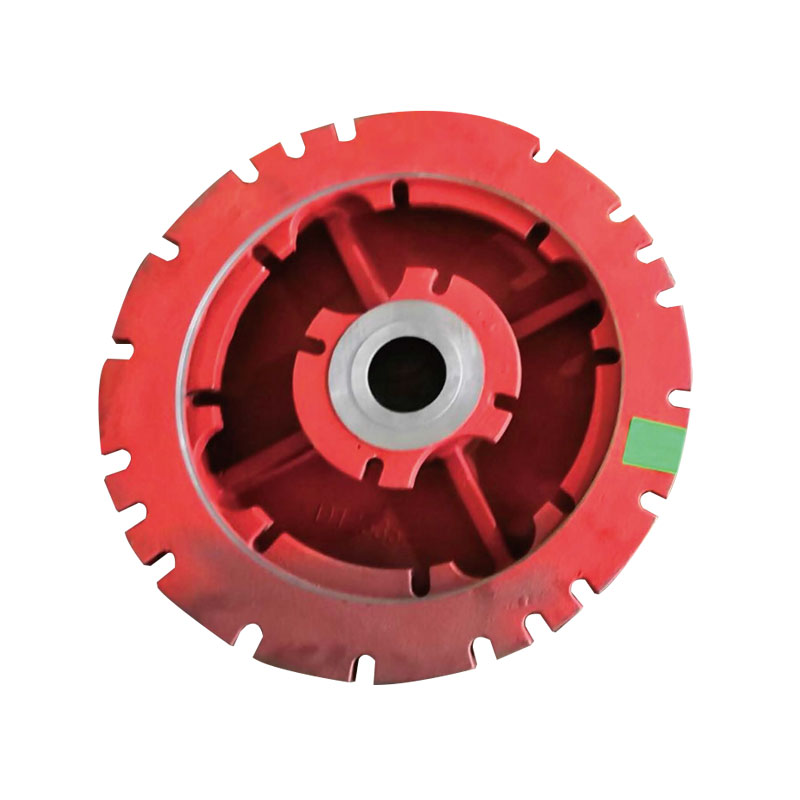
ما هي مضخة المروحة المصبوبة؟
أ مضخة ذات دافع مصبوب هي مضخة طرد مركزي تُصنع دافعتها باستخدام عملية الصب. تضمن هذه العملية تجانس خصائص مادة الدافعة، وقدرتها على تحمل الضغوط العالية، ومقاومتها للتآكل الناتج عن السوائل الكاشطة. يُستخدم هذا النوع من المضخات على نطاق واسع في صناعات مثل معالجة مياه الصرف الصحي، والمعالجة الكيميائية، والتعدين، وتوليد الطاقة.
المكونات الرئيسية لمضخة ذات دافع مصبوب
- المكره: المكون المركزي المسؤول عن نقل الطاقة إلى السائل.
- غلاف المضخة: يوجه السائل بكفاءة مع حماية المكونات الداخلية للمضخة.
- العمود والمحامل: الحفاظ على المحاذاة وتقليل التآكل الميكانيكي.
- الأختام والحشيات: منع تسرب السوائل والحفاظ على السلامة التشغيلية.
لماذا يُعدّ اختيار الممثلين أمراً بالغ الأهمية؟
تتيح عملية الصب تصميمات معقدة للمراوح يصعب تحقيقها باستخدام عمليات التشغيل الآلي. ووفقًا لبيانات الصناعة، تتمتع المراوح المصبوبة بمقاومة أعلى بنسبة 20-30% لأضرار التكهف مقارنةً بالمراوح المصنعة. وتُستخدم مواد مثل الحديد عالي الكروم والفولاذ المقاوم للصدأ المزدوج بشكل شائع لإطالة عمر المضخة في الظروف الكاشطة والمسببة للتآكل.
المشاكل الشائعة في صب مضخات المروحة
مشاكل التكهف
يحدث التكهف عندما ينخفض الضغط الموضعي إلى ما دون ضغط بخار السائل، مما يؤدي إلى تكوين فقاعات بخارية تنهار بعنف على سطح المروحة. وقد ينتج عن ذلك تآكل، وضوضاء، واهتزاز، وانخفاض في الكفاءة.
رأي الخبراء: ويشير الدكتور مايكل طومسون، المتخصص في تصميم المضخات، إلى أن: "ظاهرة التكهف غالباً ما يُساء فهمها. إن مراقبة ظروف المدخل والحفاظ على ضغط السحب الموجب الصافي (NPSH) المناسب أمر بالغ الأهمية لمنع حدوث أضرار."“
التآكل والتلف
قد يؤدي التدفق المستمر للسوائل الكاشطة، مثل الماء المحمل بالرمل، إلى تآكل ريش المروحة. ويمكن أن يؤدي اختيار سبائك مقاومة للتآكل، مثل الحديد عالي الكروم، إلى زيادة العمر التشغيلي بما يصل إلى 50%. ويساعد الفحص الدوري لأنماط التآكل على توقع احتياجات الصيانة.
عدم التوازن والاهتزاز
قد يتسبب عدم انتظام صب المروحة أو تركيبها بشكل غير صحيح في اختلال التوازن. حتى أدنى اختلال في التوازن يؤدي إلى زيادة تآكل المحامل، وارتفاع مستويات الاهتزاز، وفي النهاية إلى عطل ميكانيكي. يمكن لأدوات المحاذاة بالليزر وأنظمة مراقبة الاهتزاز أن تساعد في الكشف المبكر عن هذه العلامات.
مخاوف بشأن التسرب
تُعدّ أعطال الأختام أو الحشيات من الأسباب الشائعة للتسرب في مضخات ذات دافع مصبوب. يُعد اختيار مادة ونوع مانع التسرب المناسب (ميكانيكي، أو ذو حافة، أو حشوة) لنوع السائل ودرجة حرارته أمرًا بالغ الأهمية. ويمكن للفحوصات الدورية أن تمنع فقدان السوائل والمخاطر البيئية.
ارتفاع درجة الحرارة وتلف العمود
قد يؤدي التشغيل لفترات طويلة في درجات حرارة عالية أو التشغيل الجاف إلى تلف عمود المضخة. ويمنع استخدام أجهزة الاستشعار الحراري والتشحيم المناسب التآكل المبكر ويقلل من وقت التوقف.
استراتيجيات الصيانة لمنع مشاكل المضخات
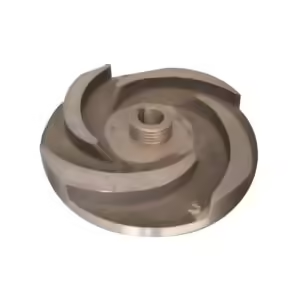
الفحص والتنظيف المنتظم
تمنع عمليات الفحص البصري الشهرية لغلاف المضخة والمروحة والمحامل تفاقم المشاكل الصغيرة. ويمكن أن يؤثر تراكم الحطام أو الرواسب بشكل كبير على الكفاءة إذا لم تتم إزالته على الفور.
التشحيم والعناية بالمحامل
يُعدّ تلف المحامل أحد الأسباب الرئيسية لتوقف مضخات دافعة الصب. لذا، يُعدّ استخدام النوع والكمية المناسبين من مواد التشحيم، والالتزام بتوصيات الشركة المصنّعة، أمراً بالغ الأهمية.
مراقبة مؤشرات الأداء
ينبغي تتبع مؤشرات الأداء الرئيسية مثل معدل التدفق، وفرق الضغط، وسعة الاهتزاز، واستهلاك الطاقة. ويتيح الكشف المبكر عن أي خلل التدخل في الوقت المناسب.
تطبيق الصيانة التنبؤية
يمكن للصيانة التنبؤية، باستخدام تحليل الاهتزازات والتصوير الحراري، أن تقلل من الأعطال غير المتوقعة بنسبة تتراوح بين 30 و40%. كما يمكن لأنظمة المراقبة الحديثة تنبيه المشغلين إلى علامات التآكل قبل حدوث أضرار كارثية.
اختيار المواد واعتبارات التصميم
اختيار المادة المناسبة
تشمل المواد الشائعة ما يلي:
- حديد عالي الكروم: ممتاز للسوائل الكاشطة
- الفولاذ المقاوم للصدأ: مقاوم للتآكل، مثالي للمواد الكيميائية
- البرونز أو السبائك المزدوجة: مناسب للاستخدامات البحرية ومعالجة مياه الصرف الصحي
تأثير تصميم المروحة
- المراوح المغلقة: كفاءة أفضل وتقليل التكهف
- فتح المراوح: سهولة الصيانة ولكنها أكثر عرضة للتآكل
- المراوح شبه المفتوحة: الموازنة بين الصيانة والأداء
معالجات السطح
تُحسّن المعالجات السطحية، مثل طلاء النيكل أو طلاء الإيبوكسي أو الرش الحراري، مقاومة التآكل والتلف. وتشير الدراسات إلى أن المراوح المطلية يمكن أن تُطيل عمرها التشغيلي بمقدار 25-351 طنًا.
مضخة ذات دافع مصبوب مقابل أنواع أخرى من الدوافع
| ميزة | مضخة دافعة مصبوبة | مضخة من الفولاذ المقاوم للصدأ | مضخة دافعة مصنعة |
|---|---|---|---|
| يكلف | معتدل | عالي | متوسط إلى منخفض |
| متانة | مقاومة عالية للسوائل الكاشطة | ممتاز للسوائل المسببة للتآكل | معتدل |
| تصنيع | عملية الصب | مصنعة آلياً/ملحومة | مصنوعة من ألواح |
| صيانة | يتطلب فحصًا دوريًا | أسهل في التنظيف | قد يتطلب الأمر تعديلاً أكثر تكراراً |
| طلب | صناعي، مائي، طين | المواد الكيميائية، والأغذية، والسوائل المسببة للتآكل | سوائل ذات إجهاد منخفض إلى متوسط |
نظرة مقارنة:
إذا كان تطبيقك يتضمن استخدام مادة كاشطة، فـ مضخة ذات دافع مصبوب غالباً ما يكون استخدام الفولاذ المقاوم للصدأ أكثر فعالية من حيث التكلفة مقارنةً بالفولاذ العادي. أما في حالة المواد الكيميائية المسببة للتآكل، فقد يكون الفولاذ المقاوم للصدأ ضرورياً على الرغم من ارتفاع تكلفته.
اعتبارات تشغيلية متقدمة
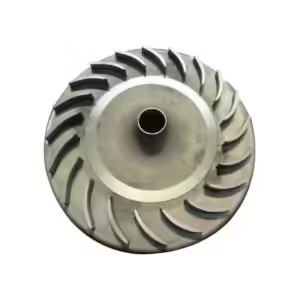
محاذاة المضخة وتركيبها
يمنع المحاذاة الصحيحة أثناء التركيب تلف المحامل قبل الأوان. يُنصح باستخدام أدوات المحاذاة بالليزر للحصول على نتائج دقيقة.
التحكم في ظروف التشغيل
يساهم الحفاظ على درجة الحرارة والتدفق والضغط المناسبين في منع حدوث التكهف وارتفاع درجة الحرارة ومشاكل الاهتزاز. ويمكن لمحركات التردد المتغير (VFDs) ضبط سرعة المضخة لتتوافق مع متطلبات النظام.
التعامل مع السوائل الكاشطة والمسببة للتآكل
يقلل تركيب المرشحات والمصافي قبل المضخة من خطر التآكل. كما تضمن مراقبة درجة حموضة السائل وتركيبه الكيميائي موثوقية طويلة الأمد.
آراء الخبراء ودراسات الحالة
- الدكتورة سارة كولينز، مهندسة مضخات: “"يمكن للصيانة الدورية واختيار المواد المناسبة أن يضاعفا عمر مضخة المروحة المصبوبة في عمليات التعدين."”
- دراسة حالة: خفضت محطة معالجة المياه أعطال المضخات بمقدار 45% بعد تطبيق مراقبة الاهتزازات واستخدام مراوح عالية الكروم لمعالجة الحمأة الكاشطة.
الأسئلة الشائعة
كيف يمكنني اكتشاف التكهف في مضخة ذات دافع مصبوب?
تُعدّ الأصوات غير المعتادة والاهتزازات وتقلبات معدلات التدفق مؤشرات شائعة. ويُعتبر قياس صافي الضغط الإيجابي عند المدخل (NPSH) والحفاظ على ظروف المدخل المناسبة من الاستراتيجيات الوقائية.
كم مرة يجب فحص مضخة ذات دافع مصبوب؟
يوصى بإجراء فحوصات بصرية شهرية وفحص تفصيلي سنوي للمضخات الصناعية.
هل يمكن لـ مضخة ذات دافع مصبوب هل يمكن تعديلها بتزويدها بمروحة من الفولاذ المقاوم للصدأ؟
نعم، ولكن يجب مراعاة نوع السائل، ومساحة التركيب، والتكاليف المترتبة. تتميز مراوح الفولاذ المقاوم للصدأ بمقاومتها للتآكل، ولكن قد تختلف منحنيات أدائها.
ما هي المواد التي تقلل من التآكل في مضخات المروحة المصبوبة؟
يُعد الحديد عالي الكروم والسبائك المزدوجة فعالة. كما أن المعالجات السطحية مثل طلاء النيكل تقلل من التآكل.
هل أدوات الصيانة التنبؤية تستحق الاستثمار؟
نعم، يمكن للأدوات التنبؤية أن تقلل من وقت التوقف غير المخطط له بما يصل إلى 40% وتطيل عمر المضخة، مما يحسن عائد الاستثمار بمرور الوقت.
فئات المنتجات
- أجزاء الصمامات
- أجزاء مضخة المياه
- أجزاء صندوق المحمل
- أجزاء الصب بالقالب
- منتجات مضخات الفولاذ المقاوم للصدأ
- منتجات مضخات الحديد الزهر
- قطع غيار الصمامات لاستخدام السيارات
- قطع غيار السيارات
- أجزاء الصمامات للاستخدام المدني
- قطع غيار مضخة التفريغ KF

 Arabic
  English
  Spanish
  Malay
Malay  German