
صب الاستثمار OEM للأجزاء عالية الدقة
مرحباً بكم في مدونتي!
يسعدني وجودك هنا! قبل أن نتعمق في المحتوى، أود أن تنضموا إليّ على منصات التواصل الاجتماعي. هناك أشارككم أفكارًا إضافية، وأتواصل مع مجتمعنا الرائع، وأُطلعكم على آخر الأخبار. إليكم كيفية البقاء على تواصل:
📘 فيسبوك: شركة شنغهاي لييروو الصناعية التجارية المحدودة
الآن، لننطلق في هذه الرحلة معًا! آمل أن تجدوا هذا المحتوى مفيدًا ومُلهمًا وقيّمًا. هيا بنا!
جدول المحتويات
النقاط الرئيسية للمدونة
- مقدمة إلى صب الاستثمار OEM ودورها الحاسم في التصنيع الحديث
- مزايا الأجزاء عالية الدقة عبر الصناعات
- اختيار المواد والخواص الميكانيكية ومقاييس الأداء
- اعتبارات التصميم المتقدمة وتكامل CAD/CAM
- مراقبة الجودة والتفتيش والاختبارات غير المدمرة
- العيوب الشائعة واستكشاف الأخطاء وإصلاحها واستراتيجيات الوقاية
- تقنيات ما بعد المعالجة ومعايير التشطيب
- مقارنة مع صب الرمل، وصب القالب، والتصنيع الإضافي
- دراسات حالة في العالم الحقيقي في قطاعات الطيران والسيارات والطب والطاقة
- التكلفة وكفاءة الإنتاج وقابلية التوسع
- الامتثال التنظيمي والشهادات ومعايير الصناعة
- اختيار الشريك المناسب لصب الاستثمار OEM
- الأسئلة المتداولة (الأسئلة الشائعة)
مقدمة
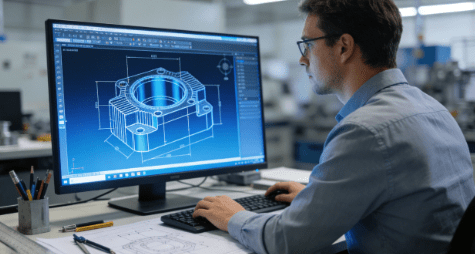
في صناعات مثل الطيران والسيارات والأجهزة الطبية والطاقة, الدقة والموثوقية غير قابلة للتفاوض. حتى الخطأ البسيط في الأبعاد أو العيب المادي يمكن أن يؤدي إلى فشل المكونات، أو تأخير الإنتاج، أو مخاطر السلامة.
صب الاستثمار OEM يوفر حلاً يوازن بين الدقة وأداء المواد وقابلية التوسع. من خلال العمل مع مورد OEM، يمكن للمصنعين الوصول إلى خبرة في تصميم أنماط الشمع، وإنشاء القشرة الخزفية، والتعامل مع المعادن المنصهرة, ، إنتاج أجزاء تلبي التفاوتات الصارمة للغاية مع الحفاظ على فعاليتها من حيث التكلفة.
وتشمل الفوائد الرئيسية ما يلي:
- إنتاج الأجزاء مع أشكال هندسية معقدة مستحيل بالطرق التقليدية
- تقليل متطلبات ما بعد التصنيع من خلال التقاط ميزات الشكل القريب من الشبكة
- دعم مجموعة واسعة من المواد, ، بما في ذلك الفولاذ المقاوم للصدأ وسبائك الكوبالت والكروم والتيتانيوم والألمنيوم والمعادن المتخصصة
- تقديم جودة متسقة لكليهما النموذج الأولي والإنتاج الضخم
وتظهر إحصاءات الصناعة ذلك تمثل شركة OEM Investment Casting أكثر من 50% من إنتاج المكونات عالية الدقة في مجالات الطيران والمجالات الطبية, ، مع معدلات عيوب منخفضة تصل إلى 0.2% عند اتباع بروتوكولات الفحص المناسبة.
ما هو اختيار الاستثمار OEM؟
التعريف والعملية
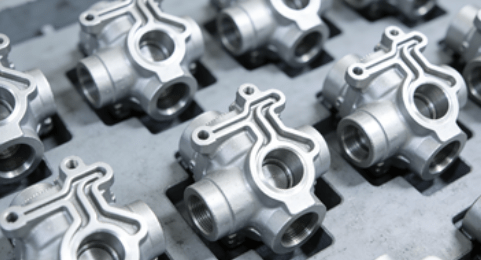
صب الاستثمار OEM هي عملية يقوم فيها المورد بتصنيع المكونات المعدنية مباشرة من مواصفات العميل. تتضمن العملية ما يلي
- خلق أ نموذج شمعي من الجزء
- طلاءها مع مادة السيراميك لتشكيل قالب
- إزالة الشمع عن طريق الذوبان
- صب المعدن المنصهر في القشرة الخزفية
- كسر القالب وإنهاء الجزء
هذه الطريقة تسمح التكرار الدقيق للتصميمات التفصيلية ويضمن دقة عالية.
تطبيقات الصب الاستثماري عالي الدقة OEM
- الفضاء الجوي: شفرات التوربينات، أقواس المحرك، مكونات معدات الهبوط
- السيارات: صمامات المحرك، التروس، مكونات ناقل الحركة
- طبي: الغرسات، الأدوات الجراحية، الأطراف الاصطناعية
- الطاقة والبتروكيماويات: المضخات، الصمامات، أغلفة التوربينات
المزايا على الطرق الأخرى
- التسامح الأبعاد: ±0.1 0.2 مم للأجزاء الصغيرة
- تشطيب السطح: Ra 0.8 enter.6 ميكرومتر
- يدعم النماذج الأولية الصغيرة والإنتاج على نطاق واسع
- توافق المواد على نطاق واسع
مواد لصب الاستثمار عالي الدقة OEM
ستانلس ستيل 316 لتر
- مقاومة ممتازة للتآكل والتوافق الحيوي
- قوة الشد: 485 ميجا باسكال
- التطبيقات: الأدوات الجراحية، الغرسات الطبية، المكونات الغذائية
سبائك الكوبالت والكروم
- مقاومة عالية للتآكل والحرارة
- قوة الشد: 655 ميجا باسكال
- التطبيقات: زراعة العظام، مكونات الفضاء الجوي
سبائك التيتانيوم
- خفيف الوزن وقوي ومقاوم للتآكل
- قوة الشد: 550 ميجا باسكال
- التطبيقات: الغرسات والفضاء والإلكترونيات
السبائك المتخصصة (هاستيلوي، مونيل، إنكونيل)
- مقاومة لدرجات الحرارة القصوى والتآكل الكيميائي
- قوة الشد: 690.780 ميجا باسكال
- التطبيقات: صمامات درجة الحرارة العالية، معدات الطاقة
جدول خصائص المواد
| مادة | قوة الشد (ميجا باسكال) | مقاومة التآكل | التطبيقات الشائعة |
|---|---|---|---|
| ستانلس ستيل 316 لتر | 485 | ممتاز | الأدوات الجراحية، الأغذية، الآلات |
| سبائك الكوبالت والكروم | 655 | ممتاز | يزرع، الفضاء |
| سبائك التيتانيوم | 550 | متفوق | الفضاء الجوي، يزرع |
| هاستيلوي / مونيل / إنكونيل | 690780 | متفوق | درجة حرارة عالية، الأجزاء الكيميائية |
اعتبارات التصميم المتقدمة للأجزاء عالية الدقة
تكامل CAD/CAM
حديث صب الاستثمار OEM يعتمد بشكل كبير على التصميم بمساعدة الكمبيوتر (CAD) و التصنيع بمساعدة الكمبيوتر (CAM). وهذا يسمح:
- استنساخ دقيق لمواصفات العميل
- محاكاة تدفق الصب لتجنب العيوب
- تحسين تصميم البوابات والناهض للتعبئة المعدنية الموحدة
تحليل التسامح والملاءمة
- حرجة للأجهزة الفضائية والطبية
- يضمن تجميع الأجزاء بشكل مثالي دون الحاجة إلى تصنيع إضافي
- يدعم التفاوتات الضيقة التي تصل إلى ±0.05 مم في بعض التطبيقات المتطورة
تحسين الطوبولوجيا
- يقلل من استخدام المواد مع الحفاظ على القوة
- ذات قيمة خاصة في مجال الطيران للمكونات الحساسة للوزن
مراقبة الجودة والتفتيش على صب الاستثمار OEM
دقة الأبعاد
- تم التحقق منها باستخدام الفرجار وCMM والماسحات الضوئية بالليزر
- يضمن التفاوتات الصارمة للأجزاء الحرجة
تشطيب السطح
- تعمل الأسطح الملساء على تقليل التلوث وتحسين التجميع وتقليل الاحتكاك
- معيار Ra: 0.8 enter.6 ميكرومتر؛ التلميع الكهربائي يمكن أن يحسنه بشكل أكبر
اختبار الخواص الميكانيكية
- اختبارات قوة الشد والصلابة والتعب
- يؤكد المتانة والأداء على المدى الطويل
الاختبار غير المدمر (NDT)
- المسح بالأشعة السينية/الأشعة المقطعية بحثًا عن العيوب الداخلية
- اختبار الموجات فوق الصوتية للشقوق الصغيرة
- اختبار اختراق الصبغة للعيوب السطحية
جدول الوقاية من العيوب
| عيب | سبب | منع |
|---|---|---|
| المسامية | الغاز المحاصر | صب الفراغ، تفريغ الغاز |
| خطأ | التصلب المبكر | البوابات الأمثل، والصب الصحيح |
| أكسدة | التعرض للهواء | الغاز الخامل أو الصب الفراغي |
| الشقوق السطحية | الإجهاد الحراري | تبريد متحكم فيه، درجة حرارة القالب موحدة |
تقنيات ما بعد المعالجة
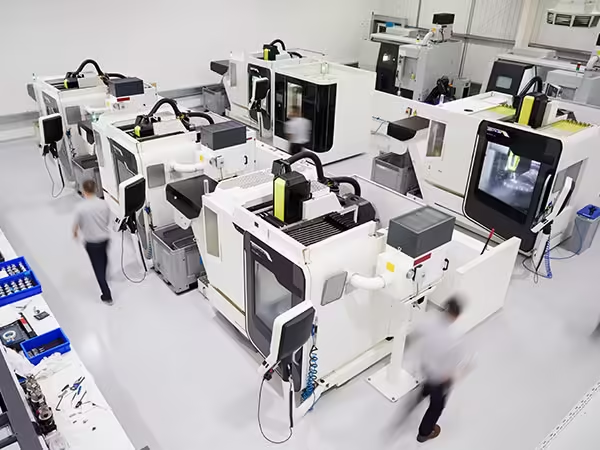
المعالجة الحرارية
- يعزز الخواص الميكانيكية
- تخفيف التوتر والتصلب للمكونات الحيوية
تشطيب السطح
- التلميع وإزالة الأزيز وإزالة النتوءات وتحسين الجماليات
- التخميل أو التلميع الكهربائي يعزز مقاومة التآكل
التحقق من الجمعية
- يضمن ملاءمة أجزاء الصب بشكل مثالي في التجميعات النهائية
- حرجة بشكل خاص للأدوات الجراحية ومكونات الفضاء الجوي
المقارنة مع طرق الصب الأخرى
| ميزة | صب الاستثمار OEM | صب الرمل | صب القوالب | التصنيع الإضافي |
|---|---|---|---|---|
| التسامح | ±0.1 بوصة0.2 ملم | ±0.5 بوصة1 ملم | ±0.2 بوصة0.5 ملم | ±0.1 ملم |
| تشطيب السطح | Ra 0.8 enter.6 ميكرومتر | Ra 3.6 ميكرومتر | Ra 1 و3 ميكرومتر | Ra 1 & μm |
| القدرة الهندسية المعقدة | عالي | محدود | واسطة | عالية جدًا |
| خيارات المواد | واسع | محدود | محدود | واسطة |
| مطلوب ما بعد المعالجة | الحد الأدنى | واسع النطاق | معتدل | معتدل |
بصيرة: صب الاستثمار OEM متفوق ل أجزاء معقدة وعالية الدقة حيث يكون اختيار المواد والتسامح مهمين. يمكن أن يتنافس التصنيع الإضافي في النماذج الأولية ولكنه قد لا يتطابق مع أداء المواد للمكونات المخصصة للإنتاج.
دراسات حالة من واقع الحياة
أقواس توربينات الفضاء الجوي
- تم تحقيق التسامح ±0.1 مم
- تقليل وقت المعالجة بمقدار 25%
- نجا من اختبار الضغط العالي حتى 5500 نيوتن من الحمل الدوري
صمامات محرك السيارات
- مصبوبات سبائك الكوبالت
- اجتاز اختبارات التدوير الحراري والتآكل
- قابلية التوسع في الإنتاج: 1000 إلى 10000 وحدة/شهر
الأدوات الجراحية الطبية
- ستانلس ستيل 316 لتر
- تشطيب السطح Ra 0.8 ميكرومتر، مما يقلل من التلميع اللاحق بمقدار 30%
- الامتثال التنظيمي للمواصفة ISO 13485
مساكن صمامات قطاع الطاقة
- المسبوكات هاستيلوي
- مكونات عالية الحرارة ومقاومة للمواد الكيميائية
- دورة الحياة المتوقعة لمدة 15 عامًا في البيئات البتروكيماوية
كفاءة التكلفة وقابلية التوسع في الإنتاج
- قد يكون هناك صب استثماري عالي الدقة لمصنعي المعدات الأصلية تكلفة الوحدة أعلى من صب الرمل ($150 inter$500 للأجزاء الصغيرة)، ولكن يقلل من تكاليف ما بعد المعالجة بواسطة 20 CHARY40%
- يدعم النماذج الأولية ذات الحجم المنخفض والإنتاج بكميات كبيرة
- تعمل الأدوات الفعالة وإعادة استخدام نمط الشمع على تقليل وقت الوصول إلى السوق
الامتثال التنظيمي والشهادات
- ISO 9001 لإدارة الجودة
- ISO 13485 لإنتاج الأجهزة الطبية
- معايير ASTM وAMS لمكونات الفضاء الجوي
- امتثال ROHS وREACH للسلامة البيئية
فوائد الامتثال:
- تقليل خطر عمليات الاستدعاء والفشل
- قبول أسهل من قبل مصنعي المعدات الأصلية العالمية
- يضمن إمكانية التتبع والاستعداد للتدقيق
اختيار الشريك المناسب لصب الاستثمار في OEM
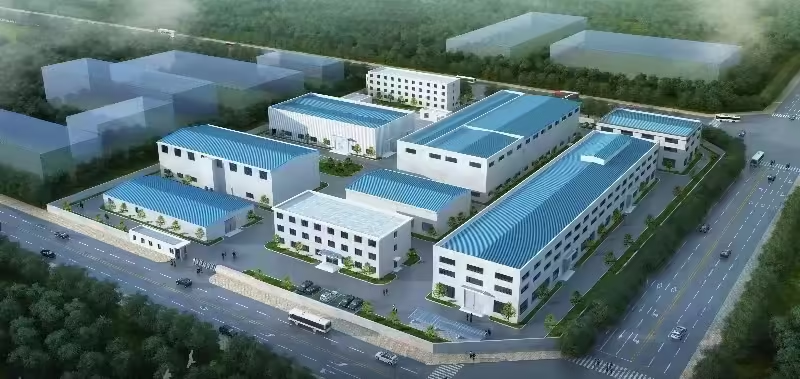
عند اختيار الشريك:
- تقييم الخبرة مع مكونات عالية الدقة
- التحقق من القدرات المادية والشهادات
- مراجعة عمليات التفتيش وNDT
- النظر في القدرة الإنتاجية والمرونة
- دراسة دراسات الحالة السابقة ومراجع العملاء
تضمن الشراكة مع مورد OEM موثوق به جودة متسقة ودقة والتسليم في الوقت المناسب, ، أمر بالغ الأهمية للصناعات التي لا تتحمل الأخطاء.
الأسئلة الشائعة
ما الذي يجعل صب الاستثمار OEM مثالية للأجزاء عالية الدقة؟
فهو يوفر تفاوتات مشددة، ولمسة نهائية ممتازة للسطح، ويدعم الأشكال الهندسية المعقدة التي لا يمكن تحقيقها بطرق أخرى.
ما هي الصناعات التي تعتمد أكثر على اختيار استثمارات تصنيع المعدات الأصلية؟
الفضاء الجوي والسيارات والأجهزة الطبية والطاقة والإلكترونيات.
كيف يتم ضمان الجودة؟
من خلال فحوصات الأبعاد والاختبارات الميكانيكية والاختبارات غير المدمرة (الأشعة السينية والأشعة المقطعية والموجات فوق الصوتية).
هل يمكن للإنتاج بكميات صغيرة الحفاظ على الدقة؟
نعم، تدعم العملية النماذج الأولية والإنتاج على نطاق واسع بجودة متسقة.
ما هي المواد الأكثر ملاءمة لصب الاستثمار OEM؟
الفولاذ المقاوم للصدأ 316 لتر، وسبائك الكوبالت والكروم، وسبائك التيتانيوم، والسبائك المتخصصة عالية الأداء.
فئات المنتجات
- أجزاء الصمامات
- أجزاء مضخة المياه
- أجزاء صندوق المحمل
- أجزاء الصب بالقالب
- منتجات مضخات الفولاذ المقاوم للصدأ
- منتجات مضخات الحديد الزهر
- قطع غيار الصمامات لاستخدام السيارات
- قطع غيار السيارات
- أجزاء الصمامات للاستخدام المدني
- قطع غيار مضخة التفريغ KF

لنبدأ مشروعك القادم!
ابدأ مشروعك مع Leierwo
1. أرسل استفسارك
2. حساب التكلفة
3. بدء الإنتاج
4. ترتيب التسليم
الأسئلة الشائعة
نعم، لدينا خبرة واسعة في التجارة الدولية ويمكننا مساعدة العملاء في التخليص الجمركي للتصدير وترتيبات الشحن. نحن نقدم شروطًا تجارية مختلفة مثل FOB و CIF و DDP لتلبية الاحتياجات اللوجستية المختلفة، ونقبل طرق الدفع الدولية المختلفة، بما في ذلك T/T (التحويل البرقي) والتحويل البرقي وخطاب الاعتماد (L/C). يمكن مناقشة شروط الدفع مع فريق المبيعات لدينا.
من خلال الشراكة مع Leierwo، يمكنك الاستمتاع بأسعار تنافسية وجودة فائقة مقارنةً بالموردين الآخرين. بالإضافة إلى ذلك، نقدم حلاً شاملاً لتسليم الأجزاء الجاهزة، بما في ذلك التصنيع باستخدام الحاسب الآلي والمعالجة السطحية، مما يضمن عملية إنتاج سلسة.
لدينا معدات صب متقدمة وأنظمة صارمة لمراقبة الجودة. قدرتنا الإنتاجية الشهرية كبيرة، ويمكننا تصنيع المنتجات بناءً على الرسومات أو العينات المقدمة من العملاء. نحن نقبل كلاً من الطلبات التجريبية الصغيرة والإنتاج على نطاق واسع.
تتوافق منتجاتنا مع المعايير الدولية مثل ASTM و AISI و DIN و JIS. ويمكننا تقديم تقارير اختبار المواد والشهادات ذات الصلة لضمان توافق جودة المنتج مع متطلبات العملاء.
نحن نتبع بدقة نظام إدارة الجودة ISO 9001 ونجري عمليات فحص متعددة في جميع مراحل عملية الإنتاج، بما في ذلك التحليل الطيفي، واختبار الأشعة السينية، والاختبار بالموجات فوق الصوتية، وقياسات الأبعاد. تضمن تدابير مراقبة الجودة هذه أن مصبوباتنا تلبي أعلى المعايير.
يعتمد موك لدينا على نوع المنتج ومدى تعقيده، ومع ذلك، نحن مرنون ومنفتحون لمناقشة احتياجاتك الخاصة.
تتراوح مهلة الإنتاج القياسية لدينا من 4 إلى 6 أسابيع، حسب كمية الطلب وتعقيد المنتج. نسعى جاهدين لتقصير أوقات التسليم لتلبية طلبات العملاء.
نعم، يمكننا تقديم عينات لفحص الجودة. يمكن التفاوض بشأن تكاليف العينات ورسوم الشحن، ويمكن استرداد رسوم العينات عند تقديم طلب رسمي.
 Arabic
  English
  Spanish
  Malay
Malay  German