
7 عوامل صب الرمل الحاسمة للحصول على نتائج مثالية
مرحباً بكم في مدونتي!
يسعدني وجودك هنا! قبل أن نتعمق في المحتوى، أود أن تنضموا إليّ على منصات التواصل الاجتماعي. هناك أشارككم أفكارًا إضافية، وأتواصل مع مجتمعنا الرائع، وأُطلعكم على آخر الأخبار. إليكم كيفية البقاء على تواصل:
📘 فيسبوك: شركة شنغهاي لييروو الصناعية التجارية المحدودة
الآن، لننطلق في هذه الرحلة معًا! آمل أن تجدوا هذا المحتوى مفيدًا ومُلهمًا وقيّمًا. هيا بنا!
جدول المحتويات
النقاط الرئيسية:
- Understand the properties of sand used in the sand cast process
- Optimize mold design to reduce defects and improve accuracy
- Control temperature for proper metal flow and solidification
- Use effective venting and gating systems to prevent porosity
- Ensure proper core placement for complex geometries
- Select metals suitable for the sand cast and application requirements
- Apply post-casting finishing and heat treatment for durability
مقدمة
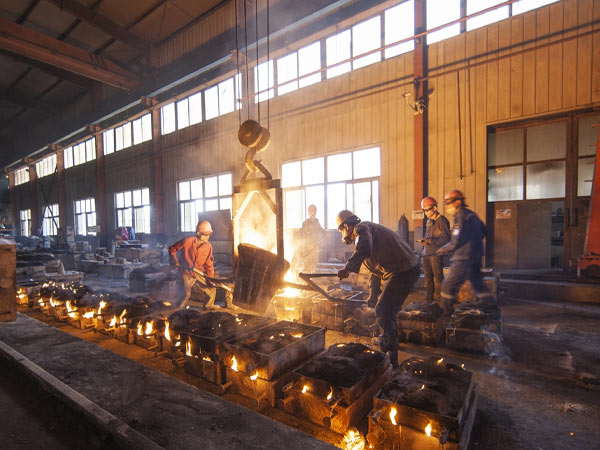
The Sand Cast process is a versatile and widely used method for producing metal components of various shapes and sizes. Unlike other casting methods, the Sand Cast technique allows for low-cost production of small to medium batches, making it suitable for both industrial and artisanal applications. Achieving perfect results requires attention to several critical factors, from the type of sand used to post-casting finishing processes. Understanding these factors ensures high-quality components with minimal defects.
The Sand Cast process involves creating a mold from sand, into which molten metal is poured. After the metal solidifies, the mold is broken, and the casting is extracted. This seemingly simple process relies on precision and careful control over multiple variables.
Sand Material Selection in the Sand Cast
Importance of Sand Type
The sand used in the Sand Cast process directly affects mold strength, permeability, and surface finish. Silica sand is most common due to its high melting point, but alternatives like olivine and zircon sands provide greater thermal stability for higher temperature metals.
Grain Size and Binding Agents
Fine sand grains improve surface finish but reduce permeability, potentially trapping gases during casting. Coarser grains enhance gas escape but may lead to rougher surfaces. Bonding agents, such as clay or chemical binders, improve mold cohesion and maintain shape during pouring.
رؤية المفهوم
Selecting the right sand is a balance between achieving a smooth surface and allowing gases to escape. Modern foundries often test sand blends for optimal results based on metal type and casting size.
Mold Design Factors for طاقم الرمال
Geometrical Considerations
Mold design is essential for controlling metal flow and minimizing defects. Simple molds reduce casting errors, while complex geometries require careful planning of gating systems and supports.
Comparison: Simple vs. Complex Molds
| Mold Type | Ease of Production | Risk of Defects | التطبيقات |
|---|---|---|---|
| Simple Mold | عالي | قليل | Standard parts, prototypes |
| Complex Mold | معتدل | معتدل | Intricate industrial parts |
| Multi-Cavity Mold | قليل | عالي | Mass production of identical components |
Proper mold design balances accuracy, efficiency, and defect reduction, directly influencing the quality of the Sand Cast component.
Temperature Control in the Sand Cast Process
Metal Pouring Temperature
The temperature at which metal is poured into the Sand Cast mold determines the flow, solidification, and final properties of the casting. Excessively hot metal can oxidize or cause blowholes, while cold metal may lead to incomplete filling or cold shuts.
Real-World Insight
Foundries monitor temperature using thermocouples and infrared sensors. Studies show consistent temperature control reduces shrinkage and improves dimensional accuracy by up to 20%.
Venting and Gating Systems for the Sand Cast
Preventing Air Entrapment
Vents in the mold allow air and gases to escape during metal pouring. Without proper venting, porosity and blowholes occur, reducing mechanical strength and surface quality.
Gating Design Tips
Gating systems should ensure smooth, laminar metal flow. Tapered runners, well-placed risers, and multiple inlets prevent turbulence, minimize cold shuts, and improve casting integrity.
رؤية المفهوم
A well-designed gating and venting system reduces defects and ensures a consistent Sand Cast product suitable for demanding applications.
Core Design in the Sand Cast
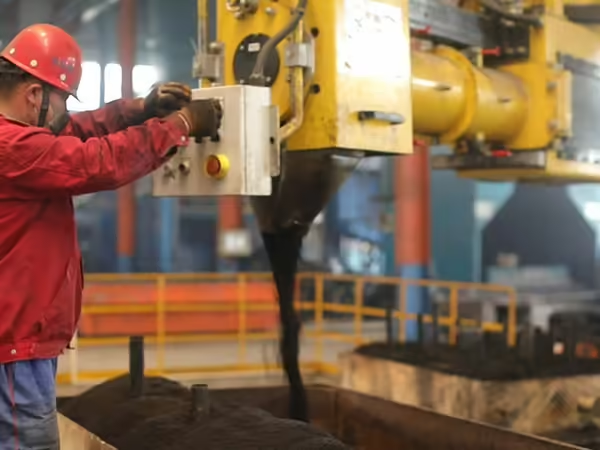
Creating Hollow Sections
Cores are inserted into molds to form cavities or complex internal geometries. Proper alignment and support prevent movement during pouring, which could otherwise lead to dimensional inaccuracies.
Material Considerations
Core sands must maintain shape yet be collapsible for easy removal. Chemically-bonded cores offer high precision and are ideal for detailed or intricate components.
Case Example
A foundry producing complex pump housings reported a 30% reduction in dimensional errors after switching to chemically-bonded cores for their Sand Cast process.
Metal Selection for Optimal Sand Cast Results
Choosing the Right Alloy
The type of metal used in طاقم الرمال process affects strength, corrosion resistance, and suitability for the intended application. Common metals include aluminum, bronze, cast iron, and stainless steel.
Comparison Table: Metal Properties in Sand Cast
| نوع السبائك | قوة | مقاومة التآكل | التطبيقات المثالية |
|---|---|---|---|
| الألومنيوم | واسطة | معتدل | السيارات والآلات |
| برونزي | عالي | عالي | Marine, decorative parts |
| الحديد الزهر | عالية جدًا | قليل | Pipes, engine blocks |
| الفولاذ المقاوم للصدأ | عالي | عالية جدًا | Medical, food equipment |
Selecting the proper alloy ensures the Sand Cast components meet functional requirements and durability expectations.
Post-Casting Finishing in طاقم الرمال عملية
Cleaning and Heat Treatment
After casting, Sand Cast parts may require heat treatment to relieve internal stresses or enhance hardness. Cleaning processes remove residual sand and surface imperfections.
Surface Enhancement Options
- Grinding or machining for dimensional accuracy
- Sandblasting for a smooth surface
- Coating or plating for corrosion resistance
Proper post-casting treatment ensures long-lasting, high-quality components suitable for industrial, commercial, or artistic applications.
خاتمة
The Sand Cast process is highly versatile but requires careful control of multiple factors to achieve perfect results. From sand selection and mold design to temperature, venting, core placement, metal choice, and post-casting finishing, each step affects the quality, precision, and reliability of the final part. Mastery of these seven critical factors allows foundries to reduce defects, optimize production, and produce Sand Cast components that meet demanding specifications.
الأسئلة الشائعة
Q1: What is the most common mistake in طاقم الرمال process?
A: Improper venting and gating design often leads to air entrapment and porosity in castings.
Q2: Can high-temperature alloys be used in the Sand Cast process?
A: Yes, but heat-resistant sand like zircon or olivine is recommended to withstand high temperatures.
Q3: How does core design affect Sand Cast quality?
A: Poorly supported cores can shift during pouring, causing dimensional inaccuracies or defects.
Q4: Which metals are best suited for Sand Cast?
A: Aluminum, bronze, cast iron, and stainless steel are most common depending on strength, corrosion resistance, and application requirements.
Q5: How can surface roughness be reduced in Sand Cast parts?
A: Using finer sand, proper mold compaction, and post-casting finishing like grinding or sandblasting improves surface quality.
Q6: Is the Sand Cast process cost-effective for small batch production?
A: Yes, it provides an economical solution for medium-size parts without requiring expensive tooling.
فئات المنتجات
- أجزاء الصمامات
- أجزاء مضخة المياه
- أجزاء صندوق المحمل
- أجزاء الصب بالقالب
- منتجات مضخات الفولاذ المقاوم للصدأ
- منتجات مضخات الحديد الزهر
- قطع غيار الصمامات لاستخدام السيارات
- قطع غيار السيارات
- أجزاء الصمامات للاستخدام المدني
- قطع غيار مضخة التفريغ KF

لنبدأ مشروعك القادم!
ابدأ مشروعك مع Leierwo
1. أرسل استفسارك
2. حساب التكلفة
3. بدء الإنتاج
4. ترتيب التسليم
الأسئلة الشائعة
نعم، لدينا خبرة واسعة في التجارة الدولية ويمكننا مساعدة العملاء في التخليص الجمركي للتصدير وترتيبات الشحن. نحن نقدم شروطًا تجارية مختلفة مثل FOB و CIF و DDP لتلبية الاحتياجات اللوجستية المختلفة، ونقبل طرق الدفع الدولية المختلفة، بما في ذلك T/T (التحويل البرقي) والتحويل البرقي وخطاب الاعتماد (L/C). يمكن مناقشة شروط الدفع مع فريق المبيعات لدينا.
من خلال الشراكة مع Leierwo، يمكنك الاستمتاع بأسعار تنافسية وجودة فائقة مقارنةً بالموردين الآخرين. بالإضافة إلى ذلك، نقدم حلاً شاملاً لتسليم الأجزاء الجاهزة، بما في ذلك التصنيع باستخدام الحاسب الآلي والمعالجة السطحية، مما يضمن عملية إنتاج سلسة.
لدينا معدات صب متقدمة وأنظمة صارمة لمراقبة الجودة. قدرتنا الإنتاجية الشهرية كبيرة، ويمكننا تصنيع المنتجات بناءً على الرسومات أو العينات المقدمة من العملاء. نحن نقبل كلاً من الطلبات التجريبية الصغيرة والإنتاج على نطاق واسع.
تتوافق منتجاتنا مع المعايير الدولية مثل ASTM و AISI و DIN و JIS. ويمكننا تقديم تقارير اختبار المواد والشهادات ذات الصلة لضمان توافق جودة المنتج مع متطلبات العملاء.
نحن نتبع بدقة نظام إدارة الجودة ISO 9001 ونجري عمليات فحص متعددة في جميع مراحل عملية الإنتاج، بما في ذلك التحليل الطيفي، واختبار الأشعة السينية، والاختبار بالموجات فوق الصوتية، وقياسات الأبعاد. تضمن تدابير مراقبة الجودة هذه أن مصبوباتنا تلبي أعلى المعايير.
يعتمد موك لدينا على نوع المنتج ومدى تعقيده، ومع ذلك، نحن مرنون ومنفتحون لمناقشة احتياجاتك الخاصة.
تتراوح مهلة الإنتاج القياسية لدينا من 4 إلى 6 أسابيع، حسب كمية الطلب وتعقيد المنتج. نسعى جاهدين لتقصير أوقات التسليم لتلبية طلبات العملاء.
نعم، يمكننا تقديم عينات لفحص الجودة. يمكن التفاوض بشأن تكاليف العينات ورسوم الشحن، ويمكن استرداد رسوم العينات عند تقديم طلب رسمي.
 Arabic
  English
  Spanish
  Malay
Malay  German