
الابتكارات في تكنولوجيا صب المعادن الدقيقة: دليل كامل
مرحباً بكم في مدونتي!
يسعدني وجودك هنا! قبل أن نتعمق في المحتوى، أود أن تنضموا إليّ على منصات التواصل الاجتماعي. هناك أشارككم أفكارًا إضافية، وأتواصل مع مجتمعنا الرائع، وأُطلعكم على آخر الأخبار. إليكم كيفية البقاء على تواصل:
📘 فيسبوك: شركة شنغهاي لييروو الصناعية التجارية المحدودة
الآن، لننطلق في هذه الرحلة معًا! آمل أن تجدوا هذا المحتوى مفيدًا ومُلهمًا وقيّمًا. هيا بنا!
جدول المحتويات
مقدمة
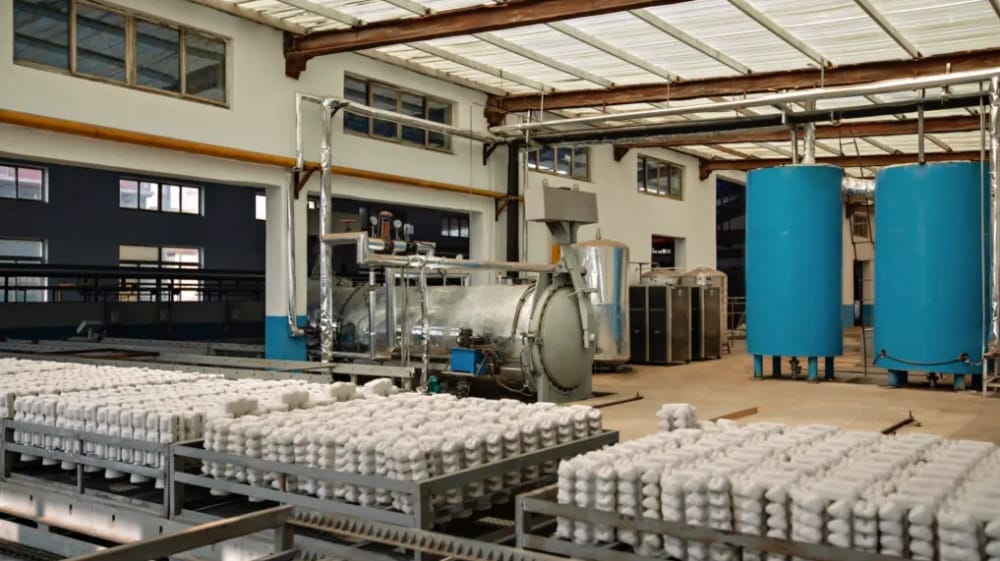
في عالم التصنيع سريع التطور،, صب المعادن بدقة لقد برزت كتقنية مهمة لإنتاج مكونات معقدة وعالية الجودة. تعتمد الصناعات التي تتراوح من الطيران والسيارات والإلكترونيات إلى الأجهزة الطبية على صب المعادن الدقيق لتلبية متطلبات الأداء والمتانة والأبعاد الصارمة بشكل متزايد. وفقًا لتقرير صادر عن MarketsandMarkets (2025)، من المتوقع أن يصل سوق صب المعادن الدقيقة العالمي $12.5 مليار بحلول عام 2030, ، تنمو بمعدل نمو سنوي مركب قدره 6.8%, ، مدفوعًا بالطلب على مكونات خفيفة الوزن وعالية القوة.
بدءًا من تكامل التصنيع الإضافي وحتى مراقبة العمليات المعتمدة على الذكاء الاصطناعي، تعمل الابتكارات في صب المعادن الدقيقة على تغيير طريقة تصميم المكونات وتصنيعها وصيانتها. يستكشف هذا الدليل أحدث الاتجاهات والرؤى العملية ووجهات نظر الخبراء لمساعدة المصنعين والمهندسين ومحترفي المشتريات على تحسين عمليات الصب الخاصة بهم واتخاذ قرارات مستنيرة.
الوجبات الرئيسية لهذه المدونة
- اكتشف أحدث الابتكارات في مجال صب المعادن الدقيقة
- فهم استراتيجيات اختيار المواد والسبائك عالية الأداء
- قارن صب المعادن الدقيقة بطرق الصب التقليدية
- تعلم تقنيات تحسين العمليات واستراتيجيات الصيانة التنبؤية
- اكتشف دراسات الحالة والبيانات ورؤى الخبراء في الصناعة
- الوصول إلى الإجابات على الأسئلة المتداولة مع التوجيه العملي
فهم صب المعادن الدقيقة
ما هو صب المعادن الدقيقة؟
صب المعادن الدقيق هو عملية تصنيع تنتج مكونات معدنية دقيقة للغاية من خلال تقنيات صنع القوالب وصب المعادن الخاضعة للرقابة. على عكس صب الرمل التقليدي، يقدم الصب الدقيق ما يلي
- تفاوتات أكثر صرامة، غالبًا داخل ±0.01 ملم إلى ±0.1 ملم
- أشكال هندسية معقدة، بما في ذلك الجدران الرقيقة والقنوات الداخلية والأنماط المعقدة
- تقليل مرحلة ما بعد المعالجة وتوفير الوقت والتكلفة
رأي الخبراء: تؤكد الدكتورة سارة كولينز، مهندسة المعادن في معهد ماساتشوستس للتكنولوجيا، على ما يلي “يسمح الصب الدقيق لـ” للمصممين بإنشاء أشكال هندسية كانت مستحيلة في السابق، مع الحفاظ على القوة الميكانيكية والموثوقية.”
المكونات الرئيسية ل صب المعادن الدقيقة نظام
- قالب: السيراميك أو السيليكا أو المواد المركبة المستخدمة لتشكيل المعدن المنصهر
- جوهر: الإدخالات التي تخلق تجاويف داخلية في المكون
- نظام الصب: يتحكم في تدفق المعادن لتقليل الاضطرابات والعيوب
- نظام التبريد: يضمن التصلب الموحد ويقلل من الضغوط الداخلية
فوائد صب المعادن الدقيقة
- دقة الأبعاد: مثالية للمكونات التي تتطلب ملاءمة دقيقة
- تنوع المواد: يعمل مع الألومنيوم والفولاذ المقاوم للصدأ وسبائك النيكل وسبائك الكوبالت
- تشطيب السطح المحسن: يقلل من متطلبات التصنيع والتشطيب
- الاتساق: يتيح الإنتاج الضخم لأجزاء متطابقة عالية الجودة
الابتكارات الحديثة في صب المعادن الدقيقة التكنولوجيا
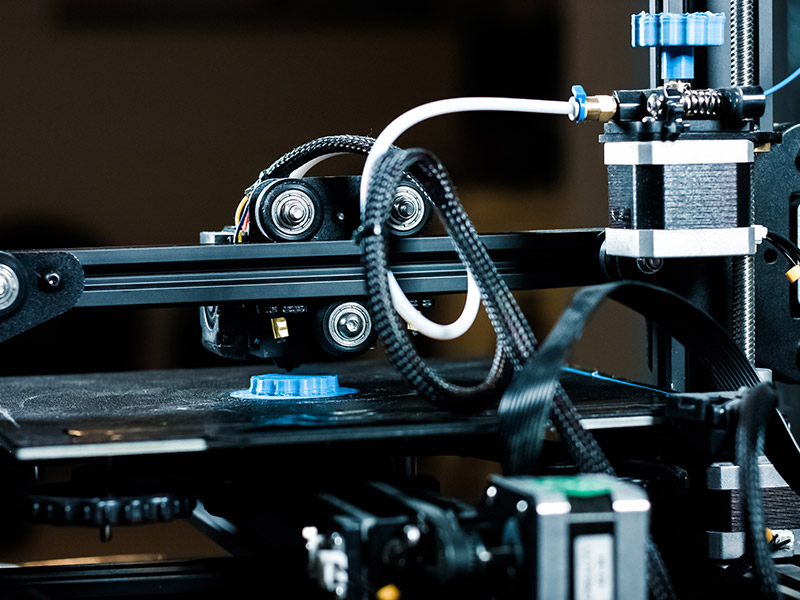
التصنيع الإضافي لإنشاء القوالب والأنماط
- تسمح الطباعة ثلاثية الأبعاد بإنشاء قوالب سيراميك أو أنماط شمعية بسرعة
- يقلل المهلة من أسابيع إلى أيام
- يدعم الأشكال الهندسية الداخلية المعقدة لقنوات التبريد وممرات السوائل والهياكل خفيفة الوزن
مثال الحالة: تستخدم إيرباص 3 أنماط شمعية مطبوعة بتقنية D لمكونات التوربينات، مما يقلل المهلة الزمنية 40% مع تحسين الدقة والتكرار.
مواد القالب المتقدمة
- يتحمل السيراميك والقوالب المركبة الجديدة درجات الحرارة المرتفعة ويحافظ على ثبات الأبعاد
- تقليل العيوب مثل التزييف والانكماش وخشونة السطح
- تمكين صب السبائك ذات نقطة الانصهار العالية مثل السبائك الفائقة القائمة على النيكل
تحليل البيانات: وجدت دراسة أجرتها المجلة الدولية لصب المعادن (2024) أن قوالب السيراميك المتقدمة تقلل من عيوب المسامية عن طريق 35% مقارنة بقوالب السيليكا التقليدية.
الأتمتة ومراقبة الذكاء الاصطناعي
- تقوم أجهزة استشعار إنترنت الأشياء والذكاء الاصطناعي بتحليل درجة الحرارة والتدفق والتصلب في الوقت الفعلي
- تعمل الصيانة التنبؤية على تقليل وقت التوقف غير المخطط له بمقدار 30–40%
- يضمن جودة متسقة للإنتاج بكميات كبيرة
رأي الخبراء: يلاحظ مايكل طومسون، أحد كبار المهندسين في شركة سيمنز “ييسمح لنا دمج الذكاء الاصطناعي في مراقبة الصب باكتشاف العيوب الدقيقة قبل أن تصبح أعطالًا هيكلية، مما يحسن الموثوقية بشكل كبير.”
تقنيات الصب الدقيقة
- صب الفراغ: يزيل فقاعات الهواء لتقليل المسامية
- صب الطرد المركزي: يجبر المعدن على العمل في قوالب للحصول على أجزاء أكثر كثافة وأقوى
- صب الضغط المنخفض: يقلل من الاضطراب وتكوين الأكسيد
اختيار المواد في صب المعادن الدقيقة
المعادن الشائعة وتطبيقاتها
- سبائك الألومنيوم: خفيف الوزن، مقاوم للتآكل، مثالي للسيارات والفضاء
- الفولاذ المقاوم للصدأ: قوة عالية ومقاومة للتآكل للتطبيقات الطبية والغذائية والصناعية
- سبائك النيكل: تطبيقات درجات الحرارة العالية والقوة العالية في التوربينات والفضاء
- سبائك الكوبالت: مقاومة ممتازة للتآكل للتطبيقات الصناعية والأدوات
ابتكارات المواد المتقدمة
- تعمل مركبات المصفوفة المعدنية على تحسين مقاومة التآكل والتعب
- تعمل الطلاءات السطحية مثل النيكل أو السيراميك أو الإيبوكسي على تعزيز مقاومة التآكل والحرارة
- تسمح تقنيات تعدين المساحيق بمكونات هجينة ذات خصائص مادية مختلفة
مقارنة المواد لتطبيقات محددة
| مادة | قوة | مقاومة التآكل | طلب |
|---|---|---|---|
| سبائك الألومنيوم | معتدل | عالي | مكونات السيارات والفضاء خفيفة الوزن |
| الفولاذ المقاوم للصدأ | عالي | عالية جدًا | الطبية والكيميائية وتصنيع الأغذية |
| سبائك النيكل | عالية جدًا | عالي | التوربينات والفضاء والأجزاء ذات درجة الحرارة العالية |
| سبائك الكوبالت | عالي | معتدل | الأدوات الصناعية والمكونات المقاومة للتآكل |
صب المعادن الدقيقة مقابل الصب التقليدي

حدود الصب التقليدي
- دقة أبعاد أقل (±0.5 بوصة1 مم)
- متطلبات ما بعد المعالجة أعلى
- قدرة محدودة على إنتاج أشكال هندسية معقدة
فوائد صب المعادن الدقيقة
- التفاوتات الضيقة (±0.01 بوصة0.1 مم)
- الهياكل المعقدة ذات الجدران الرقيقة والداخلية
- تحسين كفاءة المواد وتقليل النفايات
المقارنة جنبا إلى جنب
| ميزة | الصب التقليدي | صب المعادن الدقيقة |
|---|---|---|
| دقة | ±0.5 بوصة1 ملم | ±0.01 بوصة0.1 ملم |
| تعقيد | محدود | عالي |
| تشطيب السطح | الخام، يتطلب التصنيع | سلس، الحد الأدنى من التشطيب |
| نفايات المواد | عالي | قليل |
| وقت الإنتاج | معتدل | أسرع للدفعات الصغيرة |
تحسين العملية وصيانتها
تقنيات الفحص
- الأشعة السينية والأشعة المقطعية: كشف المسامية الداخلية والشقوق والشوائب
- المسح بالليزر ثلاثي الأبعاد: يضمن دقة الأبعاد
- المجهر السطحي: يتحقق من الخشونة والعيوب الصغيرة
الصيانة الوقائية
- تنظيف القوالب والنوى لمنع التلوث
- مراقبة درجات حرارة الفرن للحصول على جودة ذوبان متسقة
- الحفاظ على معدات الصب الآلية للتحكم الدقيق
الصيانة التنبؤية باستخدام الذكاء الاصطناعي
- تكتشف أجهزة الاستشعار الانحرافات في التدفق أو درجة الحرارة أو الاهتزاز
- تتنبأ خوارزميات التعلم الآلي بالفشل قبل حدوثه
- يقلل من وقت التوقف غير المتوقع بنسبة ما يصل إلى 40%
دراسات حالة الصناعة ورؤى الخبراء
تطبيقات الفضاء الجوي
- تعتمد إيرباص وبوينغ على صب المعادن الدقيقة لشفرات التوربينات خفيفة الوزن
- تعمل 3 أنماط شمعية مطبوعة بتقنية D مع قوالب عالية الكروم على تحسين الدقة وتقليل المهلة الزمنية
تطبيقات السيارات
- يتم استخدام مصبوبات الألومنيوم الدقيقة لكتل المحرك والمكونات الهيكلية
- تقارير فولفو تخفيض الوزن 15 بوصة 20% وتحسين كفاءة استهلاك الوقود باستخدام مكونات الصب الدقيقة
رأي الخبراء
- الدكتورة لورا جنكينز، عالمة المواد: “لم يعد صب المعادن بدقة R” مجرد تقنية تقليدية؛ إنه حل عالي التقنية للتحديات الهندسية الحديثة.”
الاتجاهات المستقبلية في صب المعادن الدقيقة
- التصنيع المستدام: الأفران الموفرة للطاقة والمعادن المعاد تدويرها والتقنيات منخفضة النفايات
- التصنيع الهجين: الجمع بين الصب والتصنيع الإضافي للحصول على أداء مثالي للجزء
- المصانع الذكية: تقوم أجهزة الاستشعار التي تدعم إنترنت الأشياء بمراقبة كل خطوة لمراقبة الجودة
- السبائك والمركبات المتقدمة: أداء أكبر في قطاعات الطيران والسيارات والطاقة
الأسئلة الشائعة
ما هي الصناعات التي تستفيد أكثر من صب المعادن بدقة?
تستفيد صناعات الطيران والسيارات والآلات الطبية والصناعية من الدقة العالية وكفاءة المواد والأشكال الهندسية المعقدة.
كيف يمكنني تقليل العيوب مثل المسامية أو الانكماش؟
استخدم مواد قوالب متقدمة، وتحكم في تدفق المعادن، وطبق تقنيات التفريغ أو الضغط المنخفض، ومراقبة معلمات العملية في الوقت الفعلي.
هل يمكن إنتاج دفعات صغيرة بكفاءة؟
نعم، التصنيع الإضافي لأنماط القوالب وأنظمة الصب الآلية يجعل إنتاج الدفعات الصغيرة فعالاً من حيث التكلفة.
كيف تعمل الأتمتة على تحسين دقة صب المعادن؟
يكتشف الذكاء الاصطناعي وأجهزة الاستشعار العيوب مبكرًا، ويضمن الصب المتسق، ويحسن التبريد، ويقلل النفايات ويحسن الجودة.
ما هي المعادن الأفضل لتطبيقات درجات الحرارة العالية؟
توفر سبائك النيكل والكوبالت قوة ومقاومة ممتازة للتعب الحراري للمكونات الفضائية والصناعية.
فئات المنتجات
- أجزاء الصمامات
- أجزاء مضخة المياه
- أجزاء صندوق المحمل
- أجزاء الصب بالقالب
- منتجات مضخات الفولاذ المقاوم للصدأ
- منتجات مضخات الحديد الزهر
- قطع غيار الصمامات لاستخدام السيارات
- قطع غيار السيارات
- أجزاء الصمامات للاستخدام المدني
- قطع غيار مضخة التفريغ KF

لنبدأ مشروعك القادم!
ابدأ مشروعك مع Leierwo
1. أرسل استفسارك
2. حساب التكلفة
3. بدء الإنتاج
4. ترتيب التسليم
الأسئلة الشائعة
نعم، لدينا خبرة واسعة في التجارة الدولية ويمكننا مساعدة العملاء في التخليص الجمركي للتصدير وترتيبات الشحن. نحن نقدم شروطًا تجارية مختلفة مثل FOB و CIF و DDP لتلبية الاحتياجات اللوجستية المختلفة، ونقبل طرق الدفع الدولية المختلفة، بما في ذلك T/T (التحويل البرقي) والتحويل البرقي وخطاب الاعتماد (L/C). يمكن مناقشة شروط الدفع مع فريق المبيعات لدينا.
من خلال الشراكة مع Leierwo، يمكنك الاستمتاع بأسعار تنافسية وجودة فائقة مقارنةً بالموردين الآخرين. بالإضافة إلى ذلك، نقدم حلاً شاملاً لتسليم الأجزاء الجاهزة، بما في ذلك التصنيع باستخدام الحاسب الآلي والمعالجة السطحية، مما يضمن عملية إنتاج سلسة.
لدينا معدات صب متقدمة وأنظمة صارمة لمراقبة الجودة. قدرتنا الإنتاجية الشهرية كبيرة، ويمكننا تصنيع المنتجات بناءً على الرسومات أو العينات المقدمة من العملاء. نحن نقبل كلاً من الطلبات التجريبية الصغيرة والإنتاج على نطاق واسع.
تتوافق منتجاتنا مع المعايير الدولية مثل ASTM و AISI و DIN و JIS. ويمكننا تقديم تقارير اختبار المواد والشهادات ذات الصلة لضمان توافق جودة المنتج مع متطلبات العملاء.
نحن نتبع بدقة نظام إدارة الجودة ISO 9001 ونجري عمليات فحص متعددة في جميع مراحل عملية الإنتاج، بما في ذلك التحليل الطيفي، واختبار الأشعة السينية، والاختبار بالموجات فوق الصوتية، وقياسات الأبعاد. تضمن تدابير مراقبة الجودة هذه أن مصبوباتنا تلبي أعلى المعايير.
يعتمد موك لدينا على نوع المنتج ومدى تعقيده، ومع ذلك، نحن مرنون ومنفتحون لمناقشة احتياجاتك الخاصة.
تتراوح مهلة الإنتاج القياسية لدينا من 4 إلى 6 أسابيع، حسب كمية الطلب وتعقيد المنتج. نسعى جاهدين لتقصير أوقات التسليم لتلبية طلبات العملاء.
نعم، يمكننا تقديم عينات لفحص الجودة. يمكن التفاوض بشأن تكاليف العينات ورسوم الشحن، ويمكن استرداد رسوم العينات عند تقديم طلب رسمي.
 Arabic
  English
  Spanish
  Malay
Malay  German