
اختيار وصلات الصب الصناعية المناسبة لتحقيق أقصى قدر من المتانة
مرحباً بكم في مدونتي!
يسعدني وجودك هنا! قبل أن نتعمق في المحتوى، أود أن تنضموا إليّ على منصات التواصل الاجتماعي. هناك أشارككم أفكارًا إضافية، وأتواصل مع مجتمعنا الرائع، وأُطلعكم على آخر الأخبار. إليكم كيفية البقاء على تواصل:
📘 فيسبوك: شركة شنغهاي لييروو الصناعية التجارية المحدودة
الآن، لننطلق في هذه الرحلة معًا! آمل أن تجدوا هذا المحتوى مفيدًا ومُلهمًا وقيّمًا. هيا بنا!
جدول المحتويات
مقدمة
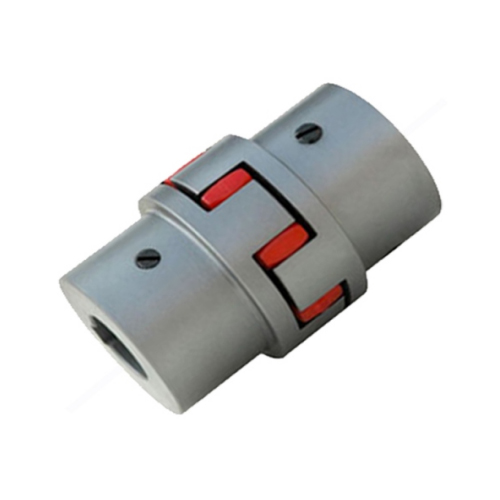
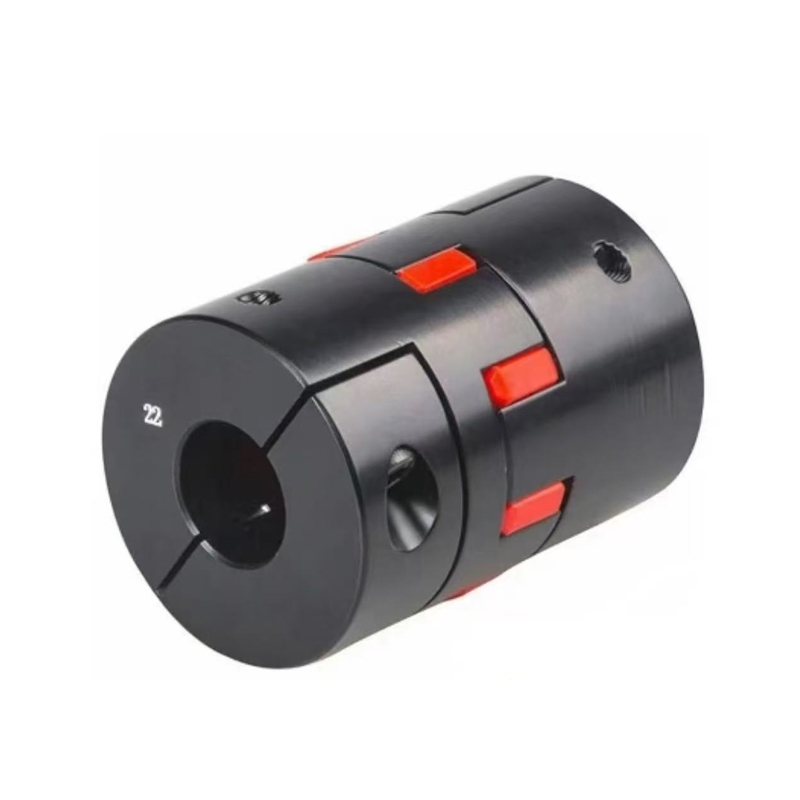
في الآلات الصناعية الحديثة، تعتبر موثوقية نقل الطاقة غير قابلة للتفاوض. أحد المكونات الأكثر أهمية ولكن غالبًا ما يتم تجاهلها هو اقتران صناعي, ، خصوصا وصلات صناعية مصبوبة. هذه الوصلات ليست مجرد موصلات ميكانيكية؛ فهي تحدد كفاءة الماكينة وسلامتها وطول عمرها. وفقًا لجون سميث، أحد كبار المهندسين الميكانيكيين في الجمعية الدولية لنقل الطاقة (IPTA), “يمكن لأداة التوصيل الصناعية المصبوبة المختارة جيدًا من R”A أن تزيد من عمر المعدات بما يصل إلى 30% مع تقليل تكاليف الصيانة بما يقرب من 20%.”
تُستخدم أدوات التوصيل الصناعية في صناعات تتراوح من الآلات الثقيلة ومصانع البتروكيماويات إلى الطاقة المتجددة والأتمتة عالية السرعة. توفر هذه المدونة أ دليل شامل, ، يغطي المواد والعمليات والتطبيقات والمعايير والصيانة والرؤى الواقعية، مما يساعد المهندسين ومحترفي المشتريات على اتخاذ قرارات مستنيرة.
النقاط الرئيسية التي تغطيها هذه المدونة
- ما هي الوصلات الصناعية المصبوبة ولماذا هي مهمة.
- مزايا الصب في تصنيع أدوات التوصيل.
- تحليل تفصيلي للمواد والعمليات مع بيانات الأداء الحقيقية.
- مقارنة بين أدوات التوصيل المصبوبة والمزورة والمصنعة.
- التطبيقات عبر مختلف الصناعات.
- التفتيش والصيانة وأفضل الممارسات.
- أمثلة ودراسات حالة من العالم الحقيقي.
- معايير الصناعة والشهادات والامتثال.
- الأسئلة الشائعة التي تتناول الاهتمامات المشتركة ونصائح اتخاذ القرار.
- جداول البيانات والرسوم البيانية ورؤى الخبراء للمساعدة في تحديد أداة التوصيل الصحيحة.
ما يلقي وصلات صناعية?
التعريف والدور في نقل الطاقة
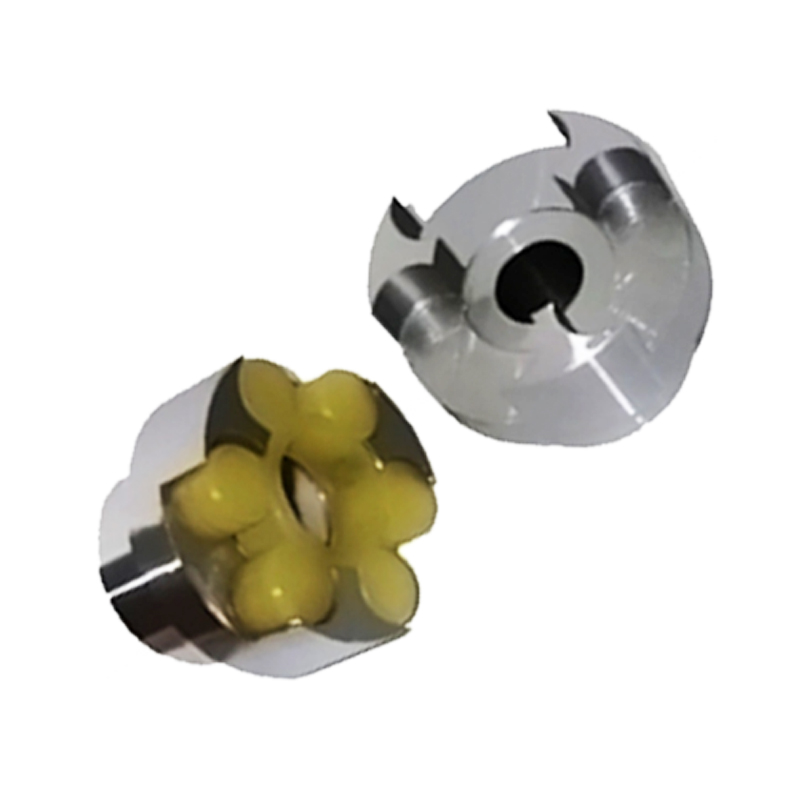
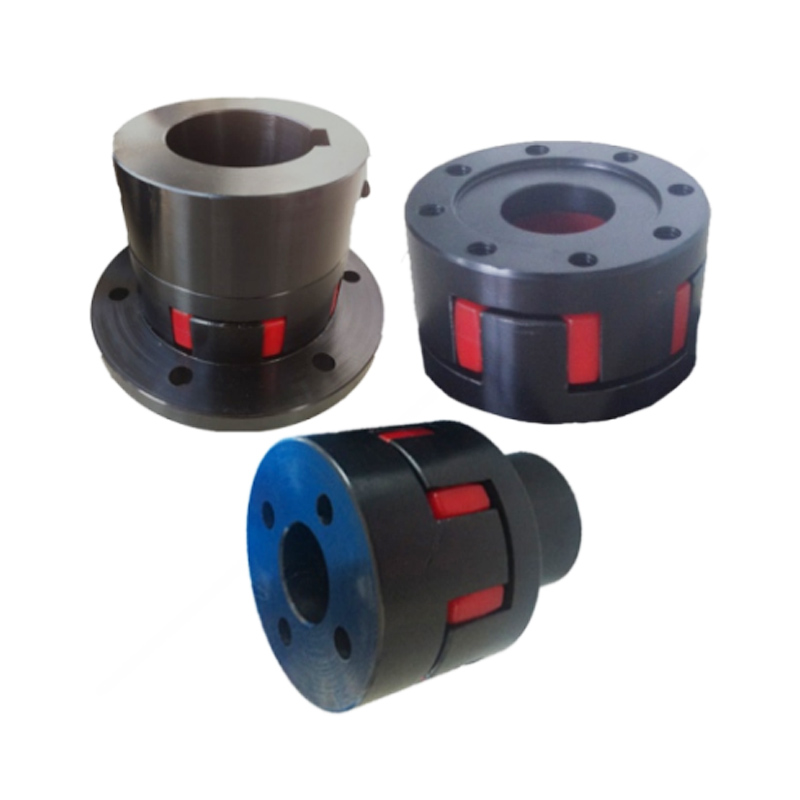
الوصلات الصناعية المصبوبة هي أجهزة ميكانيكية مصممة لتوصيل عمودين دوارين، ونقل عزم الدوران مع استيعاب المحاذاة غير الصحيحة وتقليل الاهتزاز. على عكس الوصلات العامة، توفر الوصلات المصبوبة قوة ودقة أعلى بسبب عملية التشكيل المكونة من قطعة واحدة.
المكونات الرئيسية لوصلات الزهر
- الشفاه: قم بتوصيل الأعمدة بشكل آمن ونقل عزم الدوران بكفاءة.
- أكمام التروس: الحفاظ على المحاذاة ونقل عزم الدوران.
- المحاور: توفير دعم التركيب للأعمدة وتقليل تركيزات الإجهاد.
لماذا يعتبر الصب مفضلا
تسمح عملية الصب بما يلي:
- الأشكال الهندسية المعقدة مستحيلة مع التصنيع وحده.
- توزيع موحد للمواد لتحسين مقاومة الإجهاد.
- تعزيز أداء التعب والتآكل.
مزايا الصب في تصنيع أدوات التوصيل الصناعية
الأشكال الهندسية المعقدة والدقة
يتيح الصب إنتاج مكونات معقدة مثل الحواف متعددة المسام وملامح أسنان التروس الدقيقة. وفقا لدراسة أجريت عام 2024 من قبل مجلة علوم التصنيع, ، معرض وصلات التروس المصبوبة بدقة 10 intreces15% تحمل أعلى لعزم الدوران مقارنة بنظيراتها المصنعة.
مرونة المواد
يجب أن تتحمل أدوات التوصيل الصناعية ظروفًا متنوعة بدءًا من عزم الدوران العالي في الآلات الثقيلة وحتى التعرض للمواد الكيميائية المسببة للتآكل. يسمح الصب باستخدام:
- حديد الدكتايل: مقاومة عالية للصدمات، متوسطة التكلفة، تستخدم على نطاق واسع في المضخات الصناعية.
- سبائك الصلب (A182 F11/F22): مقاومة عالية للتعب لتطبيقات البتروكيماويات.
- الفولاذ المقاوم للصدأ (304/316): مقاومة التآكل للصناعات البحرية والكيميائية.
مقاومة التآكل والتعب
من خلال المعالجة الحرارية والصب الدقيق، تصبح الأسطح أكثر مقاومة للتآكل والتعب بشكل ملحوظ. يُظهر الاختبار الذي أجرته شركة Leierwo Industrial Co. الحفاظ على الشفاه المصبوبة أكثر من 90% من القوة الأصلية بعد 10000 ساعة تشغيل تحت الحمل الكامل.
كفاءة التكلفة
في حين أن التصنيع أو الحدادة عالية الدقة يمكن أن تكون باهظة الثمن بالنسبة للأجزاء المعقدة، فإن الصب يوفر حلاً فعالاً من حيث التكلفة لإنتاج كميات كبيرة دون المساس بالجودة.
مواد الصب وخصائصه
| مادة | قوة العائد (MPa) | صلابة (HB) | مقاومة التآكل | حالات الاستخدام النموذجية |
|---|---|---|---|---|
| الحديد المطاوع | 420 | 180 | واسطة | المضخات، أعمدة الجهد المتوسط |
| الفولاذ الكربوني | 520 | 200 | قليل | الآلات العامة، أنابيب الضغط |
| سبائك الفولاذ | 580 | 220 | واسطة | الآلات الثقيلة ومصانع البتروكيماويات |
| الفولاذ المقاوم للصدأ | 450 | 180 | عالي | البيئات البحرية والكيميائية والتآكلية |
اعتبارات اختيار المواد:
- حمل التشغيل وعزم الدوران
- الظروف البيئية (التآكل مقابل غير التآكل)
- درجة الحرارة والتمدد الحراري
- دورات التكلفة والصيانة
عمليات الصب للوصلات الصناعية
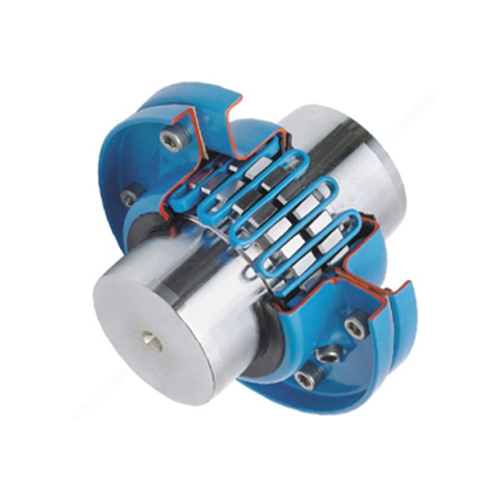
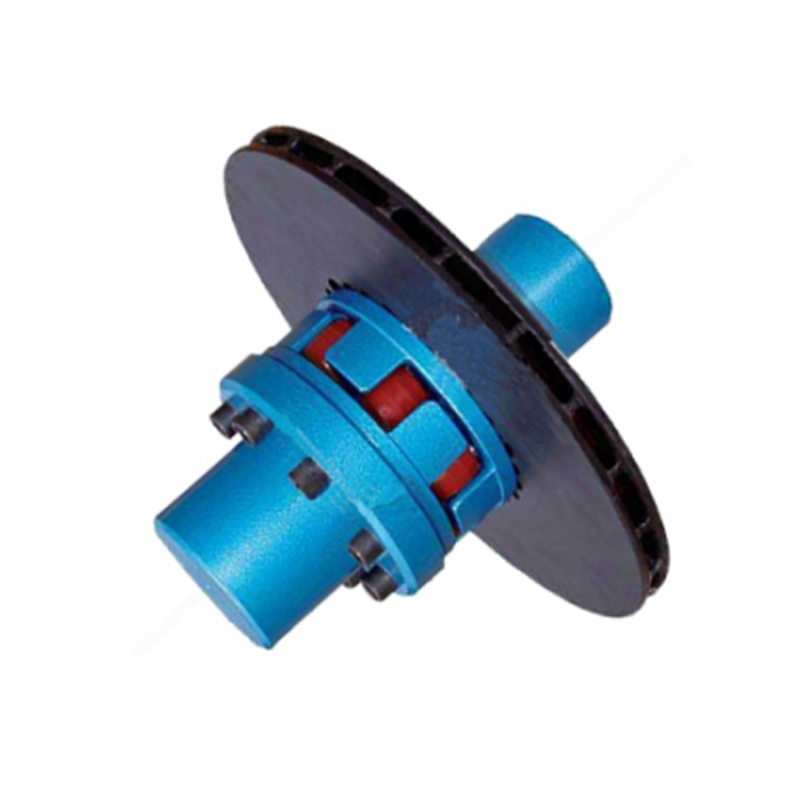
صب الرمل
- فعالة من حيث التكلفة لأجزاء كبيرة.
- مناسبة للتصميمات متوسطة التعقيد.
- التسامح النموذجي: ±0.5 intrechnar.5 مم.
الاستثمار في الصب
- ينتج مكونات معقدة وشديدة التحمل.
- تشطيب ممتاز للسطح (Ra 1.6 ميكرومتر).
- مناسبة للوصلات الدقيقة مثل أنواع النجوم والحجاب الحاجز.
صب القوالب
- إنتاج عالي القوة وكبير الحجم.
- استقرار ممتاز للأبعاد تحت الحمل العالي.
- غالبا ما تستخدم في تطبيقات السيارات والآلات عالية السرعة.
مقارنة وصلات الصب مع طرق التصنيع الأخرى
Cast مقابل وصلات مزورة
- يلقي: أفضل للأشكال الهندسية المعقدة، وفعالة من حيث التكلفة على نطاق واسع.
- مزورة: صلابة فائقة ومقاومة للصدمات، لكن أشكالها محدودة.
- تحليل البيانات: تُظهر أدوات التوصيل المطروقة قدرة تحمل أعلى للصدمات تبلغ 15%، بينما تسمح أدوات التوصيل المصبوبة بمرونة أكبر في التصميم تبلغ 25%.
Cast مقابل وصلات ملفقة
- يلقي: تصميم قطعة واحدة، دقة أعلى، مقاومة تآكل محسنة.
- ملفقة: معياري، أسهل في الاستبدال، ولكنه قد يتطلب صيانة أكثر تكرارًا.
- رأي الخبراء: تقول الدكتورة إميلي وونغ، أستاذة الهندسة الميكانيكية في معهد ماساتشوستس للتكنولوجيا “ بالنسبة للتطبيقات عالية السرعة وعزم الدوران العالي، تتفوق أدوات التوصيل المصبوبة على تلك المصنعة في تقليل الاهتزاز وعدم المحاذاة.”
معايير الصناعة والشهادات
الامتثال ISO 9001
يضمن تطبيق أنظمة إدارة الجودة بشكل متسق، مما يضمن أن كل أداة توصيل تلبي معايير الجودة العالمية.
معايير ASTM وDIN
- ASTM A536: مواصفات حديد الدكتايل للأداء الميكانيكي.
- DIN 740: معايير أبعاد الاقتران الصناعي.
اختبار وشهادة الطرف الثالث
- الاختبارات غير المدمرة (NDT) للسلامة الهيكلية.
- تحليل محاكاة ثلاثي الأبعاد لاختبار الإجهاد والتعب.
اختبار الأداء وبيانات الموثوقية
اختبارات سعة عزم الدوران
- وصلات من سبائك الصلب المصبوب تتحمل ما يصل إلى عزم دوران 120.000 نيوتن متر بدون تشوه.
اختبارات الاهتزاز وعدم المحاذاة
- تستوعب وصلات صب الحجاب الحاجز ما يصل إلى 2° اختلال زاوي مع الحفاظ على الكفاءة أعلى من 95%.
حياة التعب
- تظهر الاختبارات طويلة المدى 10،000+ ساعات عمل تحت الحمل العالي قبل حدوث تآكل كبير.
تطبيقات الصب وصلات صناعية
الآلات الثقيلة
- التعدين والبناء والرافعات وأنظمة النقل.
- يمكن التعامل مع عزم الدوران الذي يتجاوز 100.000 نيوتن متر بشكل موثوق.
صناعة البتروكيماويات
- تضمن السبائك المقاومة للتآكل التشغيل الآمن في المصانع الكيماوية.
- يوصى باستخدام وصلات الفولاذ المقاوم للصدأ للبيئات الحمضية.
الآلات عالية السرعة
- يسمح الصب الدقيق بالتشغيل السلس بسرعات دوران تصل إلى 5000 دورة في الدقيقة.
- يقلل من تآكل الأعمدة والمحامل، مما يقلل من وقت التوقف عن العمل.
طاقة متجددة
- تعتمد توربينات الرياح ومولدات الطاقة المائية على أدوات التوصيل المصبوبة لنقل عزم الدوران.
- يمكن أن تعمل في ظل ظروف التحميل المتغيرة مع الحفاظ على المحاذاة.
التطبيقات البحرية
- Cast stainless steel couplings withstand saltwater corrosion.
- Used in ship propulsion and offshore drilling equipment.
إرشادات التثبيت لوصلات الصب
محاذاة رمح
- Misalignment should be measured using dial indicators or laser alignment tools.
- Elastic couplings can tolerate small angular or parallel misalignments.
تطبيق عزم الدوران
- Always follow manufacturer’s recommended torque specifications during installation.
- Over-tightening can lead to premature fatigue.
تشحيم
- Grease or oil must match the coupling type and operating speed.
- Avoid contamination from dust or moisture.
المفاهيم الخاطئة الشائعة حول أدوات التوصيل الصناعية المصبوبة
Misconception 1: Cast couplings are brittle.
- Reality: Modern alloy and ductile iron castings are engineered for high shock and fatigue resistance.
Misconception 2: Cast couplings are only for low-speed applications.
- Reality: With precision casting and proper balancing, cast couplings perform well even at 5000+ RPM.
Misconception 3: Fabricated couplings are always cheaper.
- Reality: While initial cost may be lower, maintenance and replacement frequency can make fabricated couplings more expensive long-term.
دراسة حالة: مكاسب الكفاءة مع الوصلات الصناعية المصبوبة
- Company: Leierwo Industrial Machinery
- Scenario: Retrofitting conveyor systems with cast alloy steel couplings.
- Outcome:
- Reduced unplanned downtime by 22%
- Extended coupling life from 18 months to 30 months
- Achieved smoother torque transmission, reducing vibration by 15%
اختيار اقتران الصناعية المصبوبة الصحيحة
تحليل ظروف التشغيل
- Torque, speed, load fluctuations, and environmental exposure are critical factors.
النظر في خصائص المواد
- Use the material table provided above to match strength, corrosion resistance, and cost with application needs.
العامل في طريقة التصنيع
- Precision casting for high-speed, high-torque applications.
- Sand casting for cost-effective, large components.
تقييم تكاليف دورة الحياة
- Consider maintenance, replacement frequency, and potential downtime savings.
استشارة الخبراء
- Collaboration with engineers and coupling manufacturers can optimize performance and reduce risk.
الاتجاهات المستقبلية في وصلات صناعية مصبوبة
Advanced Materials
- High-strength composites and alloy blends improving fatigue life and corrosion resistance.
Smart Couplings
- Sensors embedded to monitor torque, vibration, and temperature in real-time.
3D Printing and Hybrid Casting
- Combining additive manufacturing with casting for highly complex geometries and reduced lead times.
Sustainability Focus
- Recycling cast materials and reducing waste during the casting process.
خاتمة
- Cast industrial couplings are indispensable in modern industrial systems.
- Offer superior strength, precision, and durability over other types.
- Enable complex designs and material flexibility for diverse industrial needs.
- When selected and maintained properly, they significantly reduce operational costs and extend machinery lifespan.
رأي الخبراء: John Smith, IPTA, emphasizes, “Investing in high-quality cast industrial couplings is a long-term decision that directly impacts productivity and safety in industrial operations.”
الأسئلة الشائعة
كيف أختار أفضل اقتران مصبوب لصناعي؟
خذ بعين الاعتبار عزم الدوران، وعدم المحاذاة، والسرعة، والظروف البيئية. بالنسبة للبيئات الثقيلة أو المسببة للتآكل، يوصى باستخدام سبائك أو مصبوبات الفولاذ المقاوم للصدأ.
هل يمكن للوصلات المصبوبة التعامل مع أحمال الصدمات المفاجئة؟
نعم، تم تصميم أدوات التوصيل المصنوعة من الحديد المرن وسبائك الفولاذ خصيصًا لامتصاص الصدمات ومنع الفشل.
إلى متى يمكن أن تستمر أداة التوصيل المصبوبة في ظل التشغيل المستمر؟
مع الصيانة المناسبة، يمكن أن تستمر أدوات التوصيل المصبوبة 5 بين 10 سنوات اعتمادا على الحمل وظروف التشغيل.
هل الوصلات المصبوبة متوافقة مع المحركات عالية السرعة؟
نعم، يضمن الصب الدقيق التوازن والثبات، حتى عند السرعات التي تتجاوز ذلك 5000 دورة في الدقيقة.
ما الفرق بين أدوات التوصيل المرنة والصلبة؟
تستوعب الوصلات المرنة المحاذاة غير الصحيحة والاهتزاز، بينما تنقل الوصلات الصلبة عزم الدوران دون مرونة. يعتمد الاختيار على دقة محاذاة النظام وحساسية الاهتزاز.
فئات المنتجات
- أجزاء الصمامات
- أجزاء مضخة المياه
- أجزاء صندوق المحمل
- أجزاء الصب بالقالب
- منتجات مضخات الفولاذ المقاوم للصدأ
- منتجات مضخات الحديد الزهر
- قطع غيار الصمامات لاستخدام السيارات
- قطع غيار السيارات
- أجزاء الصمامات للاستخدام المدني
- قطع غيار مضخة التفريغ KF

لنبدأ مشروعك القادم!
ابدأ مشروعك مع Leierwo
1. أرسل استفسارك
2. حساب التكلفة
3. بدء الإنتاج
4. ترتيب التسليم
الأسئلة الشائعة
نعم، لدينا خبرة واسعة في التجارة الدولية ويمكننا مساعدة العملاء في التخليص الجمركي للتصدير وترتيبات الشحن. نحن نقدم شروطًا تجارية مختلفة مثل FOB و CIF و DDP لتلبية الاحتياجات اللوجستية المختلفة، ونقبل طرق الدفع الدولية المختلفة، بما في ذلك T/T (التحويل البرقي) والتحويل البرقي وخطاب الاعتماد (L/C). يمكن مناقشة شروط الدفع مع فريق المبيعات لدينا.
من خلال الشراكة مع Leierwo، يمكنك الاستمتاع بأسعار تنافسية وجودة فائقة مقارنةً بالموردين الآخرين. بالإضافة إلى ذلك، نقدم حلاً شاملاً لتسليم الأجزاء الجاهزة، بما في ذلك التصنيع باستخدام الحاسب الآلي والمعالجة السطحية، مما يضمن عملية إنتاج سلسة.
لدينا معدات صب متقدمة وأنظمة صارمة لمراقبة الجودة. قدرتنا الإنتاجية الشهرية كبيرة، ويمكننا تصنيع المنتجات بناءً على الرسومات أو العينات المقدمة من العملاء. نحن نقبل كلاً من الطلبات التجريبية الصغيرة والإنتاج على نطاق واسع.
تتوافق منتجاتنا مع المعايير الدولية مثل ASTM و AISI و DIN و JIS. ويمكننا تقديم تقارير اختبار المواد والشهادات ذات الصلة لضمان توافق جودة المنتج مع متطلبات العملاء.
نحن نتبع بدقة نظام إدارة الجودة ISO 9001 ونجري عمليات فحص متعددة في جميع مراحل عملية الإنتاج، بما في ذلك التحليل الطيفي، واختبار الأشعة السينية، والاختبار بالموجات فوق الصوتية، وقياسات الأبعاد. تضمن تدابير مراقبة الجودة هذه أن مصبوباتنا تلبي أعلى المعايير.
يعتمد موك لدينا على نوع المنتج ومدى تعقيده، ومع ذلك، نحن مرنون ومنفتحون لمناقشة احتياجاتك الخاصة.
تتراوح مهلة الإنتاج القياسية لدينا من 4 إلى 6 أسابيع، حسب كمية الطلب وتعقيد المنتج. نسعى جاهدين لتقصير أوقات التسليم لتلبية طلبات العملاء.
نعم، يمكننا تقديم عينات لفحص الجودة. يمكن التفاوض بشأن تكاليف العينات ورسوم الشحن، ويمكن استرداد رسوم العينات عند تقديم طلب رسمي.
 Arabic
  English
  Spanish
  Malay
Malay  German