
6 نصائح أساسية لصب سبيكة ناجحة
مرحباً بكم في مدونتي!
يسعدني وجودك هنا! قبل أن نتعمق في المحتوى، أود أن تنضموا إليّ على منصات التواصل الاجتماعي. هناك أشارككم أفكارًا إضافية، وأتواصل مع مجتمعنا الرائع، وأُطلعكم على آخر الأخبار. إليكم كيفية البقاء على تواصل:
📘 فيسبوك: شركة شنغهاي لييروو الصناعية التجارية المحدودة
الآن، لننطلق في هذه الرحلة معًا! آمل أن تجدوا هذا المحتوى مفيدًا ومُلهمًا وقيّمًا. هيا بنا!
جدول المحتويات
In today’s competitive manufacturing environment, producing high-quality metal components with speed, precision, and cost efficiency is more important than ever. Alloy die casting is one of the most versatile and widely used processes for achieving these goals, powering industries from automotive to electronics, aerospace, and industrial machinery. However, many companies struggle to fully exploit its potential due to incomplete understanding of material selection, mold design, process optimization, and post-production handling.
This guide provides a comprehensive roadmap for engineers, designers, and manufacturing decision-makers to achieve successful alloy die casting results while avoiding common pitfalls. You will learn actionable tips, supported by real-world data, expert opinions, and comparative analysis with alternative manufacturing methods.
Key Takeaways of This Article
- The 6 essential tips that ensure high-quality alloy die casting
- How to select the right alloy for different applications
- Best practices in mold design, thermal control, and porosity management
- Cost-effective strategies for production volume and long-term reliability
- Detailed comparison tables with CNC machining, 3D printing, and forging
- Expert insights and industry benchmark data
- Answers to the most frequently asked questions about alloy die casting
مقدمة
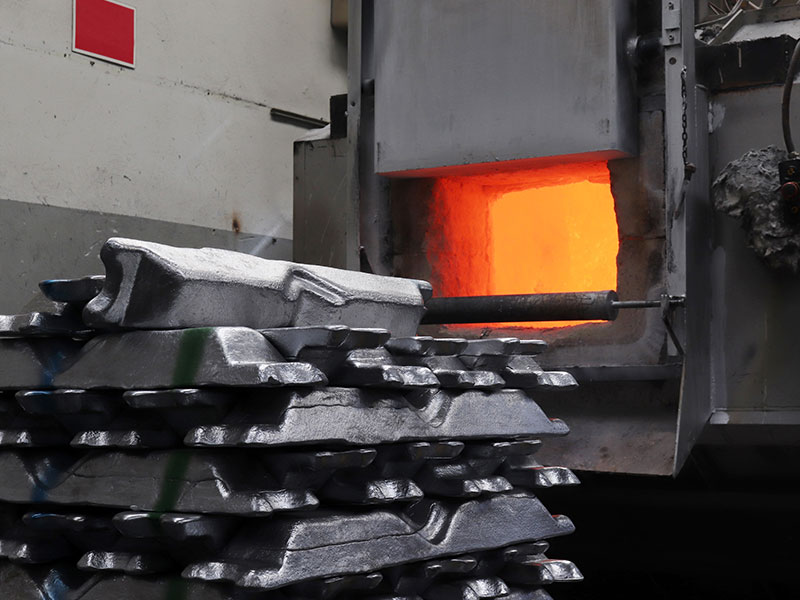
The demand for lightweight, durable, and precision-engineered metal components has grown exponentially in recent years. According to the North American Die Casting Association (NADCA), the die casting market has grown 14% annually, with aluminum, zinc, and magnesium alloys leading the charge. Automotive OEMs, particularly in electric vehicle production, increasingly rely on alloy die casting to reduce weight, consolidate components, and lower assembly costs.
Yet, many engineers underestimate the complexity of achieving defect-free die casting. Poor mold design, incorrect alloy selection, or inadequate process control can result in porosity, warping, or surface defects—issues that significantly raise production costs. Understanding the key principles and following best practices is essential for success.
Understanding Alloy Die Casting
Alloy die casting هو high-pressure metal injection process where molten metal is forced into a steel mold (die) under precise conditions. The process allows the creation of complex shapes with excellent surface finish, dimensional accuracy, and mechanical properties.
Concept – High-Pressure Injection
High-pressure injection (typically 10,000–25,000 psi) ensures the molten alloy completely fills intricate mold geometries, forming features like ribs, bosses, or thin walls with minimal porosity.
Concept – Mold Reusability and Tooling
Steel molds, usually made of H13 tool steel, can last from 100,000 to over 1 million shots, depending on alloy and maintenance. Proper mold design is crucial for balancing quality, efficiency, and tool life.
Concept – Rapid Solidification
The fast cooling rate inside the die produces a fine-grain microstructure, enhancing strength, surface finish, and dimensional stability.
Select the Right Alloy for Your Application
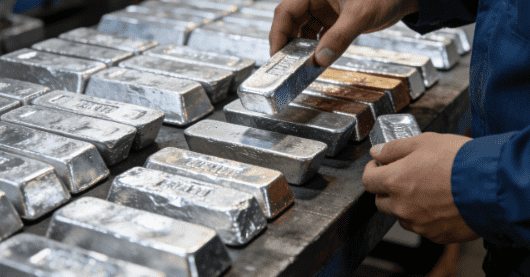
Choosing the correct alloy is critical to ensure performance, manufacturability, and cost-efficiency.
سبائك الألومنيوم
Aluminum alloys (e.g., A380, A360, ADC12) are lightweight, corrosion-resistant, and suitable for automotive housings, electronics enclosures, and consumer products. They offer tensile strength up to 380 MPa and hardness up to 120 Brinell.
Zinc Alloys
Zinc alloys (e.g., Zamak 3, Zamak 5) provide exceptional fluidity, high-detail reproduction, and wear resistance. Ideal for low-cost, high-volume production.
Magnesium Alloys
Magnesium alloys (e.g., AZ91D) are extremely light, strong, and thermally conductive, commonly used in aerospace, automotive interiors, and electronics casings.
Expert Insight
According to David Weiss, NADCA technical chair:
“Selecting the right alloy is often the difference between a successful run and costly defects. Aluminum is versatile, but magnesium’s weight advantage is unmatched for high-performance applications.”
Optimize Mold Design
Mold design directly impacts part quality, cycle time, and long-term cost.
Proper Draft Angles
Draft angles of 1–3 degrees facilitate part ejection without damage.
Gate and Runner Placement
Correct placement minimizes turbulence, porosity, and misruns, ensuring uniform metal flow.
Cooling Channel Design
Well-balanced cooling channels promote even solidification, reducing shrinkage and improving dimensional accuracy.
Comparison: Open vs Closed Gates
| ميزة | Open Gate | Closed Gate |
|---|---|---|
| Porosity Risk | أعلى | أدنى |
| تشطيب السطح | معتدل | ممتاز |
| Complexity | Simple | Complex |
| Ideal Use | Simple geometries | Detailed parts |
Maintain Precise Temperature Control
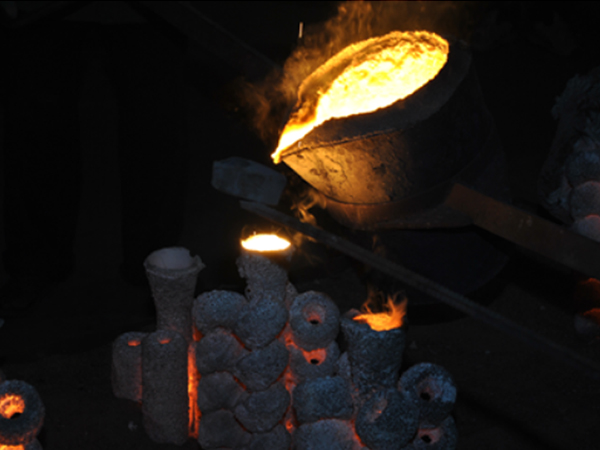
Temperature is a crucial variable for producing high-quality die-cast parts.
Molten Metal Temperature
Aluminum alloys are typically poured at 650–700°C, while zinc alloys require 380–420°C. Deviations may cause misruns, cold shuts, or oxidation.
Mold Temperature
Mold temperature must be maintained for uniform solidification. Aluminum molds usually operate at 200–250°C, while die coatings can further improve surface quality.
Thermal Analysis Tools
Modern software allows real-time thermal simulation, predicting potential defects before the first shot.
Manage Porosity and Defects
Porosity is a common challenge in alloy die casting, impacting strength and surface integrity.
Vacuum Die Casting
Vacuum-assisted die casting reduces trapped gas, improving part density and mechanical properties.
Squeeze Casting
Applying extra pressure during solidification increases density, reduces porosity, and enhances mechanical strength.
الفحص والاختبار
Regular non-destructive testing (NDT), such as X-ray or ultrasonic inspection, ensures early detection of defects.
Common Defect Types
| عيب | سبب | Prevention |
|---|---|---|
| المسامية | Gas entrapment | Vacuum die casting |
| انكماش | Uneven cooling | Balanced cooling channels |
| Cold Shut | Low pouring temp | Proper temp control & gate design |
| Warping | Uneven solidification | Mold temperature optimization |
Optimize Surface Finish and Post-Processing
Surface finish is crucial for aesthetics and performance.
Mold Surface Treatment
Polished or coated molds reduce friction, improving final part quality and reducing sticking.
Coatings and Plating
Post-processing with coatings or plating enhances corrosion resistance, wear resistance, and visual appeal.
Secondary Machining
Threaded holes, tight tolerances, or functional features often require post-machining for precision.
Understand Production Volume and Cost Efficiency
Die casting is cost-effective at scale.
Tooling Costs
High-quality steel molds cost $8,000–$75,000, depending on complexity, but amortization across large production runs reduces per-part costs significantly.
Cycle Time Optimization
Typical cycle times range 20–60 seconds. Optimizing cycles reduces unit costs and energy consumption.
Long-Term Reliability
With proper maintenance, molds can last 100,000–1,000,000 shots depending on alloy and process.
Advanced Concepts in سبائك يموت الصب
Shot Sleeve Design
Controls molten metal velocity, reducing turbulence and improving quality.
Plunger Speed Optimization
Fast, consistent plunger speed prevents misruns and porosity.
Mold Venting
Proper venting prevents gas entrapment, a common source of defects.
Semi-Solid Die Casting
Allows heat-treatable alloys with improved mechanical properties while minimizing porosity.
Industry Applications of Alloy Die Casting
السيارات
Engine components, transmission housings, steering parts, EV battery enclosures
الإلكترونيات
Laptop frames, smartphone enclosures, smart home devices
الفضاء الجوي
Drone frames, structural housings, lightweight brackets
الآلات الصناعية
Pumps, valves, gear housings, electrical housings
Comparison: Alloy Die Casting vs CNC Machining vs 3D Printing vs Forging
| Feature / Metric | سبائك يموت الصب | تصنيع الآلات باستخدام الحاسب الآلي | الطباعة ثلاثية الأبعاد | التشكيل |
|---|---|---|---|---|
| الأفضل لـ | High-volume metal parts | Low-volume precision | Complex prototypes | High-strength metal parts |
| Unit Cost | Low at scale | Medium–High | عالي | واسطة |
| Tooling Cost | عالي | قليل | لا أحد | واسطة |
| نفايات المواد | قليل | عالي | واسطة | قليل |
| تشطيب السطح | ممتاز | ممتاز | معتدل | جيد |
| القوة الميكانيكية | جيد | ممتاز | جيد | ممتاز |
| مهلة | واسطة | سريع | سريع | واسطة |
| Ideal Volume | >5,000 pcs/year | <5,000 pcs/year | Prototype | Medium volume |
الأسئلة الشائعة
What is the minimum production volume to justify die casting?
5,000–10,000 units annually, depending on mold cost and alloy selection.
يستطيع alloy die casting replace machined components?
Yes, for many housings and structural parts. CNC machining remains preferred for ultra-high precision.
How do I minimize porosity in die-cast parts?
Use vacuum-assisted casting, optimize mold venting, and maintain proper temperature control.
What is the typical mold lifespan?
- Aluminum: 100,000–250,000 shots
- Zinc: up to 1,000,000 shots
- Magnesium: 150,000–300,000 shots
Are threaded inserts or cast-in features possible?
Yes, inserts can be cast-in or machined after production.
How can I improve cycle times without compromising quality?
Optimize injection speed, cooling channels, and mold temperature to reduce solidification time.
Expert Insights
David Weiss, NADCA Technical Chair:
“Proper alloy selection and mold design are critical. Even a perfectly designed machine can fail if the alloy isn’t matched to the application.”
MIT Manufacturing Study 2024:
“For metallic parts between 10,000–500,000 annual units, die casting offers the best balance of cost, efficiency, and environmental impact compared to machining or additive manufacturing.”
خاتمة
Success in alloy die casting requires a holistic approach:
- Carefully select your alloy based on strength, corrosion resistance, and fluidity
- Optimize mold design, gate placement, and cooling channels
- Maintain precise temperature control
- Minimize porosity and defects with advanced techniques
- Ensure high-quality surface finish and post-processing
- Align production volume with cost-efficiency
By following these 6 essential tips, manufacturers can reduce defects, lower costs, and achieve consistent, high-quality parts for automotive, aerospace, electronics, and industrial applications.
فئات المنتجات
- أجزاء الصمامات
- أجزاء مضخة المياه
- أجزاء صندوق المحمل
- أجزاء الصب بالقالب
- منتجات مضخات الفولاذ المقاوم للصدأ
- منتجات مضخات الحديد الزهر
- قطع غيار الصمامات لاستخدام السيارات
- قطع غيار السيارات
- أجزاء الصمامات للاستخدام المدني
- قطع غيار مضخة التفريغ KF

 Arabic
  English
  Spanish
  Malay
Malay  German