
5 Hidden Impeller Pump Problems Revealed
مرحباً بكم في مدونتي!
يسعدني وجودك هنا! قبل أن نتعمق في المحتوى، أود أن تنضموا إليّ على منصات التواصل الاجتماعي. هناك أشارككم أفكارًا إضافية، وأتواصل مع مجتمعنا الرائع، وأُطلعكم على آخر الأخبار. إليكم كيفية البقاء على تواصل:
📘 فيسبوك: شركة شنغهاي لييروو الصناعية التجارية المحدودة
الآن، لننطلق في هذه الرحلة معًا! آمل أن تجدوا هذا المحتوى مفيدًا ومُلهمًا وقيّمًا. هيا بنا!
جدول المحتويات
مقدمة
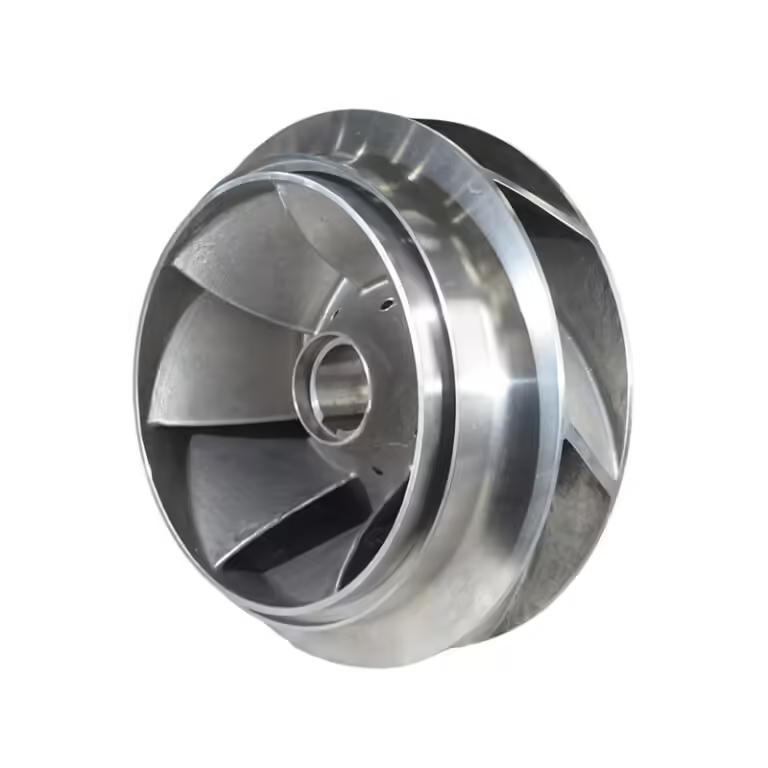
Impeller pumps are critical components in industries ranging from water treatment and chemical processing to HVAC systems and marine applications. These pumps play a central role in moving fluids efficiently, maintaining pressure, and ensuring smooth system operations. However, despite their reliability, impeller pumps are prone to hidden issues that often go unnoticed until they result in performance drops, unexpected downtime, or costly repairs.
Identifying and addressing these hidden problems early is essential for maximizing pump life, improving energy efficiency, and reducing operational costs. According to a study published by the Journal of Fluid Machinery, early detection of impeller pump inefficiencies can increase operational efficiency by up to 20% and reduce maintenance costs by 15%. This article explores five hidden impeller pump problems, their causes, and actionable solutions to mitigate these risks.
Cavitation in Impeller Pump
Understanding Cavitation
Cavitation occurs when vapor bubbles form in the مضخة المكره due to localized drops in pressure. These bubbles collapse violently as they move into regions of higher pressure. The implosions generate micro-shock waves that damage impeller surfaces, casings, and bearings, reducing pump efficiency and increasing maintenance needs. Cavitation is often subtle, making it a hidden threat in high-speed, high-temperature, or high-flow applications.
Key Causes of Cavitation
1. Low Inlet Pressure or Insufficient Suction Head
When the pump does not receive enough pressure at the inlet, vapor pockets can form. This often occurs due to long suction lines, undersized pipes, or insufficient fluid levels in the supply tank. Low suction pressure increases the likelihood of vapor bubble formation and subsequent impeller erosion.
2. Excessive Pump Speed
Operating an impeller pump above its recommended rotational speed increases the velocity of fluid through the pump. High velocities lower local pressure, creating conditions favorable for cavitation. Over-speeding also increases stress on bearings and seals, exacerbating damage.
3. Improper Impeller Design
Impellers that are not optimized for the specific fluid type, viscosity, or flow conditions can create low-pressure zones within the pump. For example, a pump designed for water may cavitate when handling more viscous fluids or slurries because the flow dynamics differ significantly.
4. Air Entrainment or Gas Bubbles
Air or other gases dissolved or entrained in the pumped fluid can expand when pressure drops, forming bubbles similar to cavitation. When these bubbles collapse, they can damage impeller surfaces and reduce volumetric efficiency.
Signs and Consequences of Cavitation
1. Unusual Vibrations
Cavitation generates high-frequency vibrations detectable via vibration sensors or by feel during operation. Persistent vibrations can indicate early stages of impeller damage.
2. Excessive Noise
A distinctive “gravel-like” noise often accompanies cavitation. It results from bubble collapse and is a warning that impeller erosion is occurring.
3. Impeller Blade Pitting and Erosion
Repeated bubble collapse causes pitting on the impeller surface, which increases roughness and reduces hydraulic efficiency. Over time, pitting can evolve into more severe erosion or even structural failure of the impeller blades.
4. Reduced Flow Rate and Pressure
Cavitation reduces the effective pumping capacity, leading to lower flow rates and system pressure drops. This can compromise overall system performance and impact downstream processes.
5. Premature Bearing and Seal Failures
Cavitation-induced vibrations transfer mechanical stress to bearings and seals, accelerating wear and potentially causing catastrophic failure if unaddressed.
Prevention Strategies
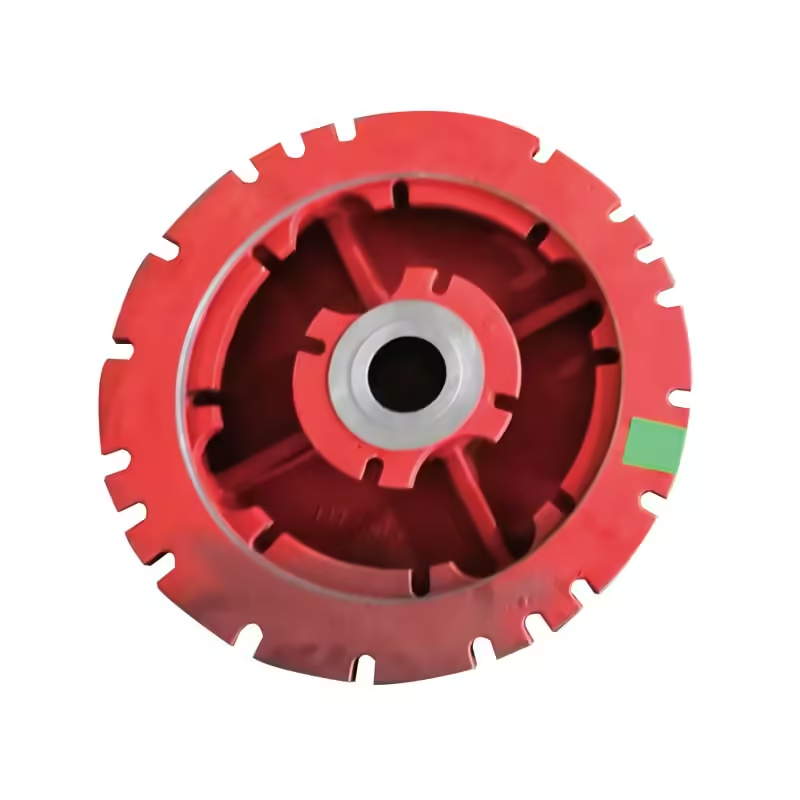
1. Maintain Proper Suction Conditions
Ensuring adequate suction head and Net Positive Suction Head (NPSH) helps prevent vapor bubble formation. Proper tank levels, short suction lines, and correctly sized inlet pipes are essential.
2. Optimize Impeller Design
Using impeller geometries tailored to fluid type, flow rate, and viscosity reduces low-pressure zones. Computational Fluid Dynamics (CFD) can simulate flow and identify risk areas.
3. Install Air Release Valves
Air release or vent valves eliminate entrained gases in the fluid, minimizing bubble formation and cavitation risk.
4. Regular Inspection and Maintenance
Periodic inspection of impeller surfaces for early signs of pitting or erosion allows preventive maintenance before major failures occur. Surface treatments or minor resurfacing can extend pump life.
Impeller Pump Wear and Erosion
Causes of Wear and Erosion
Impeller pumps often handle fluids containing abrasive particles, chemicals, or high-velocity flows. These factors gradually wear down impeller blades and pump casings. If left unchecked, this wear can severely reduce efficiency or lead to catastrophic failures.
1. Abrasive Particles in Fluids
Fluids such as slurry, sand-laden water, or chemical suspensions carry particles that impact impeller surfaces at high velocity, causing gradual material loss. Even small particles over time can create significant pitting and surface roughness.
2. High Fluid Velocity
High-velocity fluid flow increases mechanical stress on impeller blades. Areas with concentrated velocity, such as narrow channels or sharp curvature, are particularly prone to erosion.
3. Improper Material Selection
Using impeller or casing materials that are not resistant to the specific fluid chemistry or abrasiveness accelerates wear. For instance, standard carbon steel may fail quickly in chemically aggressive or abrasive environments.
4. Corrosive or Chemically Aggressive Fluids
Acidic or alkaline fluids can attack the metal surfaces of the impeller and pump casing, compounding the effects of mechanical erosion. Over time, this can result in thinning of the impeller walls and structural compromise.
Consequences of Impeller Wear
1. Reduced Flow Rate and Hydraulic Efficiency
Eroded impellers lose their designed flow profiles, leading to lower system efficiency and higher energy consumption.
2. Increased Vibration and Noise
Wear alters impeller balance and flow patterns, causing vibration and noise, which may mask early signs of cavitation or imbalance.
3. Frequent Maintenance Requirements
Severe wear necessitates more frequent maintenance interventions, increasing downtime and operational costs.
4. Shortened Pump Lifespan
Unaddressed wear reduces the effective operational lifespan of the pump, often requiring early replacement of impellers or the entire pump assembly.
Mitigation Measures
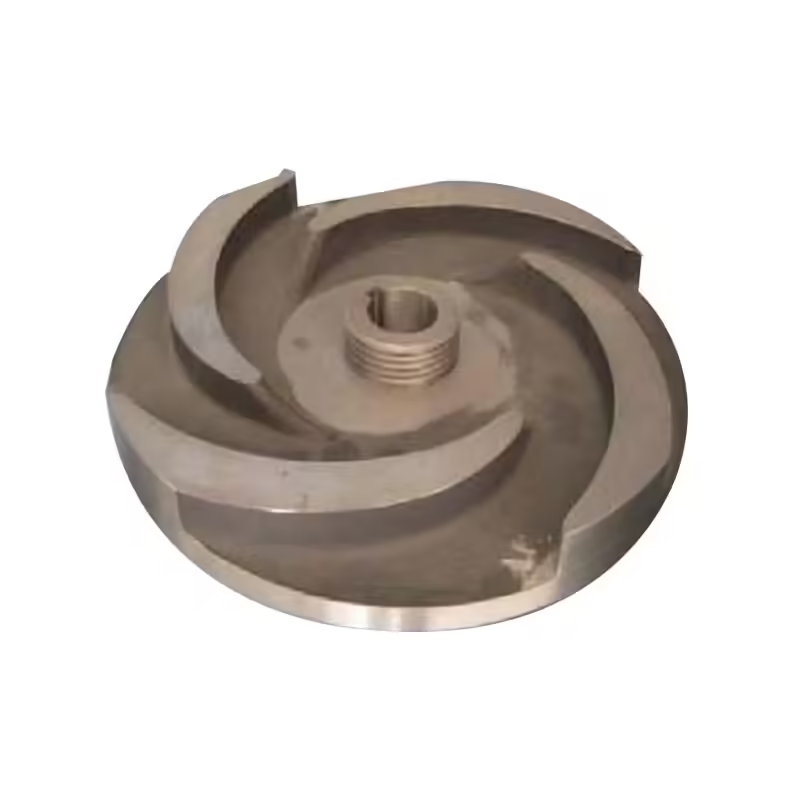
1. Use Corrosion-Resistant and Wear-Resistant Materials
Stainless steel, duplex alloys, and specialized coatings significantly improve durability in abrasive or chemically aggressive fluids.
2. Optimize Impeller Design
Redesigning impellers to reduce high-velocity zones, rounded blade tips, and smoother flow paths helps minimize erosion risk.
3. Implement Filtration and Settling Systems
Filtering incoming fluid or using settling tanks removes abrasive particles before they enter the pump, reducing mechanical wear.
4. Monitor Pump Performance
Continuous monitoring of vibration, flow, and efficiency metrics helps detect early wear, enabling timely maintenance and replacement planning.
5. Regularly Inspect Impeller Surfaces
Routine inspections with visual checks or non-destructive testing methods like dye penetrant or ultrasonic testing can identify micro-pitting before it escalates.
Imbalance and Misalignment in Impeller Pump
Understanding Imbalance and Misalignment
Imbalance occurs when the mass distribution of the impeller is uneven, causing vibrations and stress on bearings. Misalignment arises when the pump shaft is not properly aligned with the motor or driven equipment. Both issues can remain hidden during early operation, gradually worsening over time.
الأسباب
- Manufacturing tolerances exceeding design limits
- Shaft bending or thermal expansion
- Improper installation or maintenance procedures
Effects
- Excessive bearing wear
- Seal failure leading to leakage
- Increased energy consumption
- Noise and vibration reducing operational stability
الحلول
- Precision balancing of impellers before installation
- Use flexible couplings and alignment tools during setup
- Perform periodic alignment checks using laser alignment or dial indicators
- Monitor vibration signals to detect early imbalance
Seal and Leakage Issues in Impeller Pump
Hidden Risks of Seal Failure
Mechanical seals in impeller pumps are designed to prevent leakage of fluids from the pump casing. Seal failures are often subtle, showing only minor drips or gradual efficiency losses, yet they can lead to severe damage if left unaddressed.
الأسباب
- Abrasive or corrosive fluid attacking seal materials
- Excessive pressure fluctuations or thermal shocks
- Improper installation of seals
- Wear on seal faces due to misalignment or vibration
Impact
- Fluid leakage causing safety hazards and environmental contamination
- Reduced pump efficiency
- Increased downtime for seal replacement
- Potential damage to bearings and impeller
Preventive Measures
- Select seal materials compatible with the pumped fluid
- Maintain proper operating pressures and temperatures
- Follow manufacturer guidelines for installation torque and alignment
- Regular inspection and replacement schedules for seals
Blockage and Impeller Pump Flow Restrictions
Recognizing Flow Issues
Flow restrictions in impeller pumps can be caused by debris accumulation, partial blockage, or changes in pipe system conditions. These problems are often hidden because pumps may continue to run with minimal noticeable effects until a significant drop in flow occurs.
الأسباب
- Foreign particles entering the pump
- Biofilm or chemical scaling in piping
- Partially closed valves or obstructions downstream
- Cavitation-induced damage causing surface roughness
Consequences
- Reduced hydraulic efficiency and system performance
- Increased energy consumption due to higher head loss
- Risk of pump overheating or motor overload
- Long-term wear and potential structural damage
الحلول
- Install strainers and filters upstream of the pump
- Regularly flush and clean the pump and piping system
- Monitor differential pressure across the pump
- Ensure proper valve positioning and pipe sizing
Table: Impeller Pump Hidden Problems and Solutions
| Hidden Problem | الأسباب | Effects | Prevention/Solution |
|---|---|---|---|
| Cavitation | Low suction head, high speed, air entrainment | Pitting, vibration, reduced efficiency | Ensure proper NPSH, optimized impeller, remove air from fluid |
| Impeller Wear and Erosion | Abrasive fluids, high velocity, poor materials | Reduced flow, noise, frequent maintenance | Use wear-resistant materials, optimize design, implement filtration |
| Imbalance and Misalignment | Shaft bending, thermal expansion, poor setup | Bearing wear, seal failure, vibration | Precision balancing, flexible couplings, regular alignment checks |
| Seal and Leakage Issues | Corrosive fluid, pressure fluctuation, wear | Leakage, efficiency loss, downtime | Use compatible seals, follow installation guidelines, maintain schedule |
| Flow Restrictions | Debris, scaling, partially closed valves | Reduced flow, increased energy consumption | Install filters, clean piping, monitor pressure, check valves |
Monitoring and Maintenance Strategies for Impeller Pump
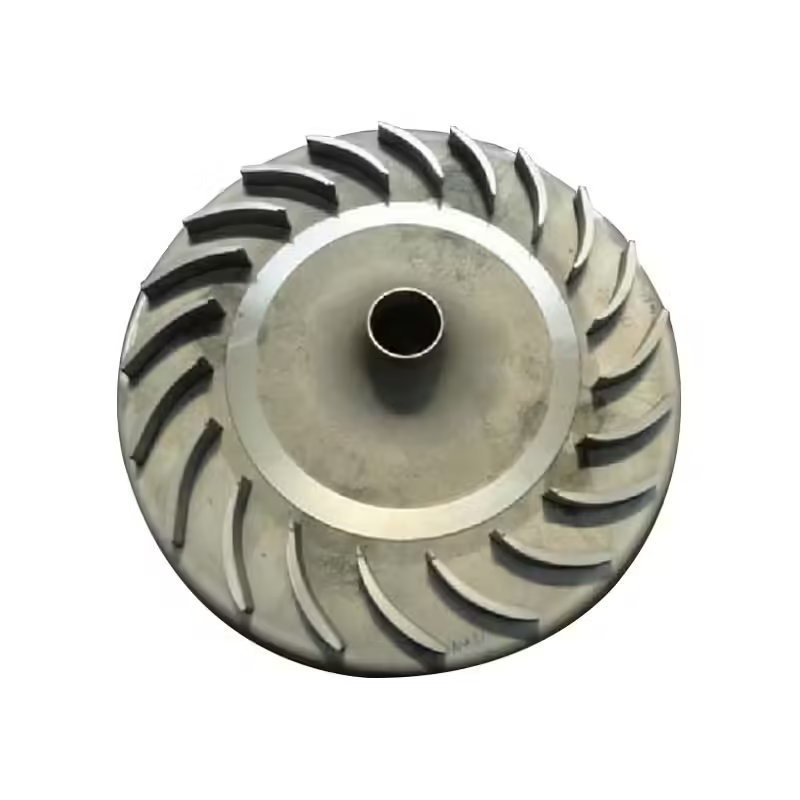
Condition Monitoring
Modern impeller pumps benefit greatly from condition monitoring systems that track vibration, pressure, flow rate, and temperature. Early detection of anomalies allows maintenance teams to intervene before small problems become major failures.
- Vibration sensors detect imbalance or misalignment
- Pressure sensors identify flow restrictions or cavitation
- Temperature sensors highlight overheating due to friction or blockage
Predictive Maintenance
Using historical and real-time data, predictive maintenance algorithms can forecast pump issues, enabling scheduled interventions that reduce unplanned downtime. Predictive maintenance improves reliability while optimizing maintenance budgets.
- Analyze vibration and performance trends
- Schedule bearing or seal replacement proactively
- Reduce energy consumption by optimizing pump operation
خاتمة
Impeller pumps are highly reliable yet complex components, and several hidden problems can compromise their performance if left unaddressed. By understanding and monitoring issues like cavitation, impeller wear, imbalance, seal leakage, and flow restrictions, operators can maintain high efficiency, prevent downtime, and extend pump life. Implementing advanced monitoring, predictive maintenance, and careful material and design selection are critical steps toward fully optimizing impeller pump performance.
الأسئلة الشائعة
Q1: What is the most common hidden problem in an impeller pump?
A1: Cavitation is the most frequent hidden issue, often causing erosion, vibration, and reduced efficiency.
Q2: How can impeller pump wear be minimized?
A2: Use wear-resistant materials, optimize impeller design, and filter abrasive particles from the fluid.
Q3: Can misalignment be detected before major damage occurs?
A3: Yes, vibration monitoring and laser alignment checks can detect misalignment early.
Q4: Are seal failures critical for impeller pumps?
A4: Yes, even minor leaks can lead to efficiency loss, contamination, or damage to other pump components.
Q5: How often should مضخة المكره flow restrictions be checked?
A5: Regular inspection and cleaning of the pump and piping system are recommended at least quarterly, with more frequent checks for abrasive or corrosive fluids.
فئات المنتجات
- أجزاء الصمامات
- أجزاء مضخة المياه
- أجزاء صندوق المحمل
- أجزاء الصب بالقالب
- منتجات مضخات الفولاذ المقاوم للصدأ
- منتجات مضخات الحديد الزهر
- قطع غيار الصمامات لاستخدام السيارات
- قطع غيار السيارات
- أجزاء الصمامات للاستخدام المدني
- قطع غيار مضخة التفريغ KF

 Arabic
  English
  Spanish
  Malay
Malay  German