
5 أخطاء شائعة في وصلات الصب يجب تجنبها
مرحباً بكم في مدونتي!
يسعدني وجودك هنا! قبل أن نتعمق في المحتوى، أود أن تنضموا إليّ على منصات التواصل الاجتماعي. هناك أشارككم أفكارًا إضافية، وأتواصل مع مجتمعنا الرائع، وأُطلعكم على آخر الأخبار. إليكم كيفية البقاء على تواصل:
📘 فيسبوك: شركة شنغهاي لييروو الصناعية التجارية المحدودة
الآن، لننطلق في هذه الرحلة معًا! آمل أن تجدوا هذا المحتوى مفيدًا ومُلهمًا وقيّمًا. هيا بنا!
جدول المحتويات
مقدمة
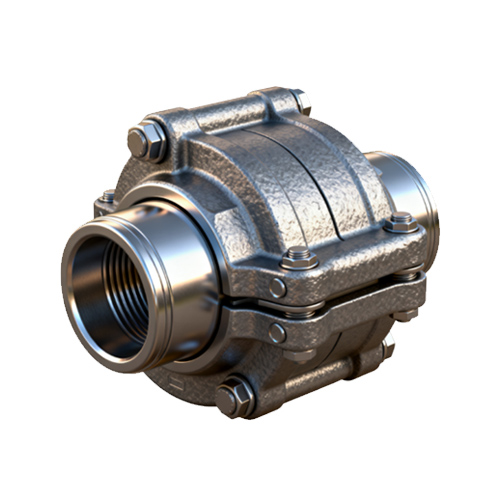
Cast couplings are critical components in piping systems, connecting shafts and enabling efficient torque transmission in various industrial applications. Despite their apparent simplicity, incorrect selection, installation, or maintenance of cast couplings can lead to operational inefficiencies, equipment damage, and costly downtime. In 2026, with industries increasingly relying on high-performance machinery, understanding the most common mistakes with cast couplings and how to avoid them is essential for engineers, technicians, and procurement professionals.
This article highlights the 5 common cast couplings mistakes, backed by industry data, expert opinions, and practical recommendations. Whether you are working in chemical processing, power generation, mining, or manufacturing, these insights can help you optimize system reliability and reduce maintenance costs.
Mistake 1: Selecting the Wrong Type of Cast Couplings
Choosing an inappropriate type of cast coupling is one of the most frequent and costly mistakes in industrial systems. Different applications require specific coupling types, and ignoring operational needs can result in misalignment, vibration, and premature wear.
Types of Cast Couplings
Rigid Couplings
Rigid couplings are suitable for applications where precise shaft alignment is required and torque levels are moderate. However, they are unsuitable for systems where thermal expansion, vibration, or minor misalignment occurs, as even slight deviations can cause stress on connected equipment.
Flexible Couplings
Flexible couplings absorb minor misalignment and reduce vibration. They are widely used in pumps, conveyors, and HVAC systems. However, flexible couplings may not handle high-torque applications effectively, making it essential to assess operational loads carefully.
Gear Couplings
Gear couplings are designed for high-torque transmission and heavy-duty machinery such as crushers, mills, and compressors. They allow some misalignment but require precise lubrication, periodic inspection, and maintenance to prevent wear or tooth failure.
Flange Couplings
Flange couplings are easy to assemble and disassemble, making them ideal for pipeline systems. However, vibration and torque fluctuation can be problematic if alignment is not exact.
Expert Insight
James Liu, a mechanical systems consultant with over 15 years of experience, notes:
“Selecting a coupling without considering torque, alignment, or operational conditions can reduce efficiency by up to 30% and lead to early component failure.”
Industry Observation
A survey of 80 chemical plants in Europe found that 38% of coupling-related downtime stemmed from improper selection, emphasizing the importance of matching coupling type to application requirements.
Mistake 2: Ignoring Shaft Alignment
Shaft alignment is a critical factor for cast coupling longevity. Misalignment can significantly increase wear, generate vibration, and compromise connected machinery.
Types of Misalignment
Angular Misalignment – Shafts meet at an angle. Even small deviations over time cause uneven load distribution.
Parallel Misalignment – Shafts are offset but maintain a parallel orientation, creating friction and increased stress on coupling hubs.
Axial Misalignment – Shafts shift along their axis due to thermal expansion or structural settling. This can lead to premature fatigue, especially in gear or flange couplings.
Real-World Data:
A study of 60 industrial plants across Europe indicated that 45% of cast coupling failures were due to misalignment, highlighting the need for precise installation procedures.
أفضل الممارسات
- Utilize laser alignment tools or dial indicators to ensure precise positioning during installation.
- Conduct post-installation checks after initial operation, since thermal expansion may alter alignment.
- For dynamic systems, flexible or gear couplings can accommodate slight movement while maintaining torque transmission efficiency.
Mistake 3: Neglecting Material and Surface Quality
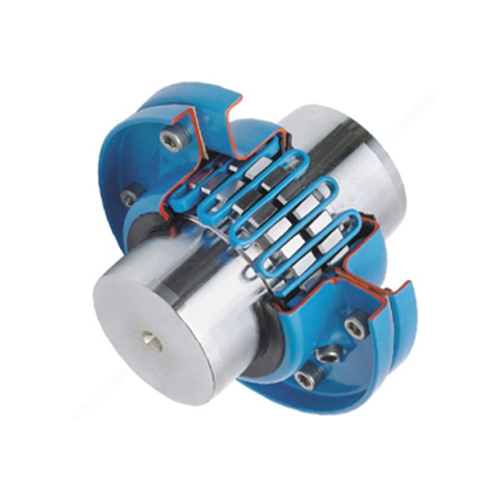
The material and surface quality of cast couplings directly affects durability, fatigue resistance, and operational safety.
Material Considerations
- Cast Iron: Provides high compressive strength and vibration damping; ideal for moderate torque but less suitable in corrosive environments.
- Alloy Steel: Offers high tensile strength and durability; commonly used in heavy-duty industrial machinery.
- الفولاذ المقاوم للصدأ: Resistant to corrosion, making it ideal for chemical plants, marine applications, and food processing facilities.
Surface Treatment and Finishing
- Shot Peening – Improves fatigue resistance by introducing compressive stresses on the surface.
- Nitriding – Enhances hardness and wear resistance for high-load applications.
- Anti-Corrosion Coatings – Protect couplings from rust and chemical exposure.
Industry Data
In a North American survey of 100 manufacturing plants, 28% of cast coupling replacements were due to corrosion or surface fatigue, reinforcing the importance of material selection and surface treatment.
Expert Perspective
Dr. Angela Meyers, a mechanical engineering consultant, remarks:
“Even small surface imperfections can propagate into cracks under cyclic loading, leading to sudden failure. Material quality and proper finishing are critical.” the need for proper material selection.
Mistake 4: Improper Installation and Torque Settings
Even a well-selected cast coupling can fail if improperly installed. Bolt tension, hub fitting, and alignment all play pivotal roles in safe and reliable operation.
Common Installation Errors
- Uneven Bolt Tightening: Causes eccentric loading and localized stress.
- Over-Tightening: Can crack the coupling or deform the shaft.
- Under-Tightening: Leads to slippage, misalignment, and vibration.
- Ignoring Manufacturer Guidelines: Increases risk of mechanical failure and unplanned downtime.
Recommended Installation Procedures
- Clean mating surfaces thoroughly to remove grease, dust, or rust.
- Use a calibrated torque wrench and follow manufacturer-recommended torque specifications.
- Recheck torque after the initial run-in period to account for settling and material relaxation.
- Verify hub and key fits; avoid forcing components into position, which may create residual stress.
Table: Recommended Torque Settings for Common Cast Couplings
| Coupling Type | Shaft Diameter Range | Recommended Torque (Nm) | Max Operating Speed (RPM) |
|---|---|---|---|
| Rigid Cast Coupling | 20–50 mm | 50–120 | 3,000 |
| Flexible Cast Coupling | 25–60 mm | 60–150 | 2,500 |
| Gear Cast Coupling | 40–100 mm | 200–500 | 1,800 |
| Flange Cast Coupling | 30–80 mm | 100–250 | 2,000 |
This table helps engineers select correct torque values and avoid operational problems.
Mistake 5: Ignoring Maintenance and Inspection
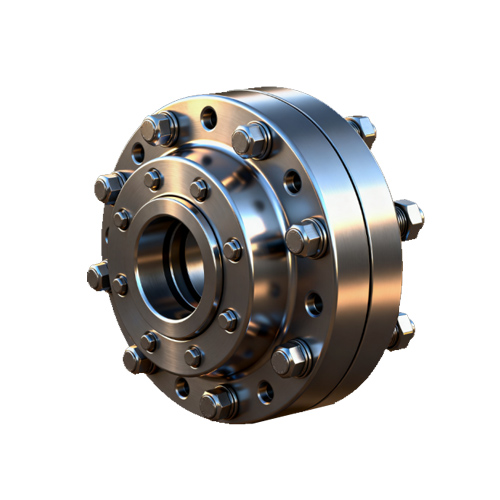
Regular maintenance is essential for maximizing the lifespan and performance of cast couplings. Neglecting this step can cause early wear, vibration, and catastrophic failures.
Maintenance Recommendations
- Conduct visual inspections every 3–6 months for wear, cracks, or misalignment.
- Lubricate moving components, particularly gear couplings, according to manufacturer guidance.
- Replace worn keys, bolts, or hubs immediately to prevent cascading failures.
- Monitor vibration and temperature for high-speed or high-load machinery, as excessive readings can indicate potential issues.
Expert Opinion:
Dr. Maria Gonzalez, an industrial reliability engineer, states:
“Proper inspection and preventive maintenance can double a coupling’s service life, prevent unexpected downtime, and save companies significant costs annually.”
Advanced Monitoring Techniques
- Vibration Analysis: Detects early signs of misalignment or imbalance.
- Thermal Imaging: Identifies hotspots indicating friction or excessive loading.
- IoT Sensors: Modern systems can transmit real-time coupling performance data to central monitoring dashboards, enabling predictive maintenance.
دراسة حالة:
A mining operation in Chile implemented a predictive maintenance program on their gear couplings. By monitoring vibration and lubrication cycles, they reduced unplanned downtime by 40% and extended equipment lifespan by 30%.e the service life of cast couplings, prevent unexpected downtime, and significantly reduce maintenance costs.”
Additional Tips for Optimal Cast Coupling Performance
- Choose couplings with certified material grades for critical applications.
- Consider environmental factors like temperature, moisture, and chemical exposure.
- Document all installations and maintenance procedures to ensure consistency.
- Train operators and maintenance staff on proper handling and alignment techniques.
خاتمة
Avoiding common cast coupling mistakes is crucial for ensuring reliable, long-lasting performance in industrial systems. From selecting the right type, ensuring shaft alignment, verifying material quality, proper installation, to regular maintenance, each step contributes to operational efficiency and safety.
Following these guidelines can reduce failure rates, extend equipment life, and save companies significant downtime and costs. As industries evolve in 2026, applying these lessons will be more important than ever for engineers, maintenance teams, and procurement specialists.
الأسئلة الشائعة
Q1: How do I know which cast coupling is best for my application?
A: Consider torque, speed, misalignment tolerance, and environmental factors. Consult manufacturer specifications and expert recommendations.
Q2: How often should cast couplings be inspected?
A: Industrial applications generally require inspection every 3–6 months. High-speed or high-load systems may need monthly checks.
Q3: Can cast couplings be used in corrosive environments?
A: Yes, if made from stainless steel or coated alloys. Ensure proper lubrication and protective measures.
Q4: What happens if a cast coupling is misaligned?
A: Misalignment increases vibration, causes wear, and may lead to premature failure of connected machinery.
Q5: Are all cast couplings maintenance-intensive?
A: Maintenance depends on the type. Gear couplings require regular lubrication, while rigid or flange couplings need less frequent attention.
فئات المنتجات
- أجزاء الصمامات
- أجزاء مضخة المياه
- أجزاء صندوق المحمل
- أجزاء الصب بالقالب
- منتجات مضخات الفولاذ المقاوم للصدأ
- منتجات مضخات الحديد الزهر
- قطع غيار الصمامات لاستخدام السيارات
- قطع غيار السيارات
- أجزاء الصمامات للاستخدام المدني
- قطع غيار مضخة التفريغ KF

 Arabic
  English
  Spanish
  Malay
Malay  German