
Nickel and Its Alloys
In precision casting, nickel and its alloys are primarily used to produce critical components subjected to high-temperature environments, such as turbine blades, gas turbine components, and engine parts. Common casting processes include investment casting and sand casting, both of which ensure the high precision and complex shapes of nickel alloy components. The key advantages of nickel alloys include their exceptional high-temperature resistance, strength, and excellent corrosion resistance, making them particularly suitable for high-end applications requiring long-term exposure to high temperatures and chemical corrosion.
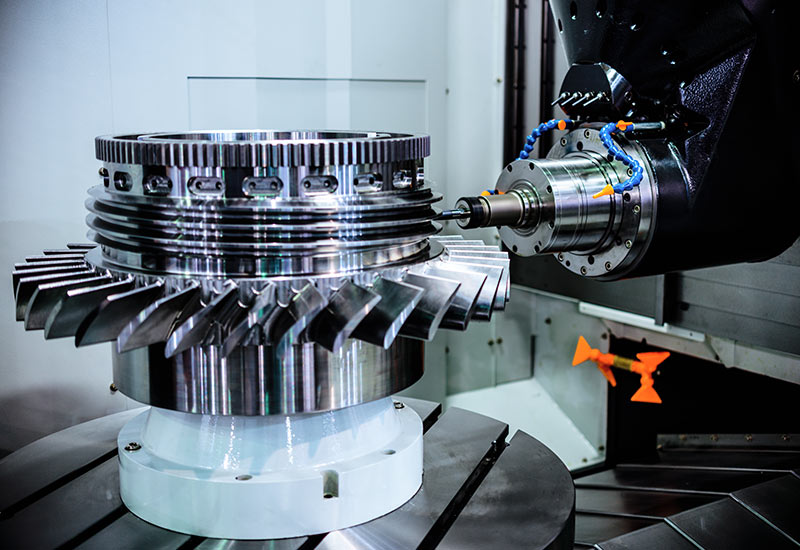
Common Material Grades of Nickel and Its Alloys
| Alloy Grade | Alloy Name | Material Properties | Application Industry | Sample Widget |
| Nickel Alloy | Inconel 625 | High strength, corrosion resistance, high temperature resistance, and resistance to oxidation and carbonization | Aerospace, chemical industry, energy, precision casting | Jet engine turbine blades, chemical reactors, heat exchangers |
| Inconel 718 | Good high temperature strength and good corrosion resistance, suitable for applications in high temperature environments | Aerospace, energy, precision casting, automobile manufacturing | Turbine blades, engine components, gas turbine blades | |
| Inconel 718 | Excellent corrosion resistance and oxidation resistance, good heat resistance | Chemical, petroleum, energy, precision casting | Reactors, heat exchangers, boiler components, heating furnace components | |
| High Temperature Nickel Alloys | Monel 400 | Good corrosion resistance and high temperature resistance, especially suitable for seawater environment | Marine engineering, chemical industry, aerospace, precision casting | Ship equipment, seawater pipelines, chemical reactors, pump bodies |
| Haynes 230 | Has good high temperature stability and oxidation resistance, can work under extreme high temperature | Aerospace, energy, precision casting | High-temperature alloy turbine blades, combustors, and aircraft engine components | |
| Corrosion-Resistant Nickel Alloy | Monel K-500 | It has good corrosion resistance and high strength, especially in seawater and various chemical environments | Petroleum, marine engineering, chemical industry, precision casting | Submarine components, ship pumps, offshore platforms, pipeline connectors |
| Iron-Nickel Alloy | Invar 36 | With extremely low thermal expansion coefficient, it is widely used in high-precision measurement and control equipment | Precision instruments, aerospace, automobiles, precision casting | Thermometers, barometers, laser measuring equipment, aviation components |
| Kovar | It has a thermal expansion coefficient close to that of steel and is often used for sealing with glass | Electronics, optical equipment, precision casting, medical devices | Electronic component packaging, vacuum packaging, optical devices, medical implants | |
| Cobalt-Nickel Alloy | Stellite 6B | Excellent wear resistance, corrosion resistance, good oxidation resistance and high temperature performance | Aerospace, precision casting, automotive, energy | Nozzles, gas turbine blades, valve seats, wear parts |
| Deloro Stellite | Extremely strong wear resistance and corrosion resistance, outstanding high temperature resistance | Mining, petroleum, energy, precision casting | Wear-resistant castings, valve seats, cutting tools, gas turbine components |
Ductile Iron Casting Process
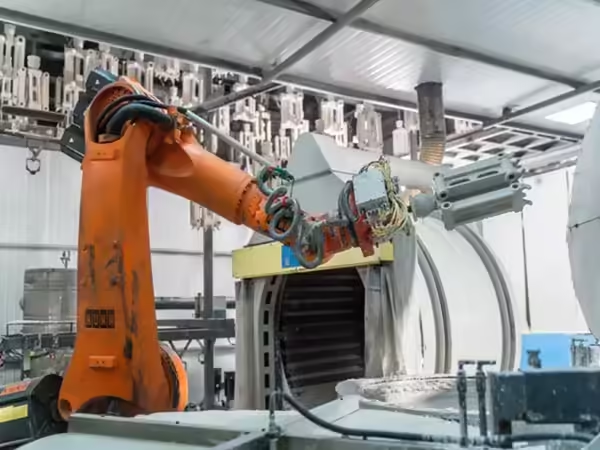
Investment Casting
Excellent Surface Quality: Suitable for castings requiring delicate surface treatments, minimizing subsequent machining.
Adaptability to Complex Shapes: Particularly well-suited for castings with complex internal structures, such as turbine blades and engine components.
Energy: High-temperature alloy components and reactor parts.
Precision instruments: Components requiring high precision and strength.
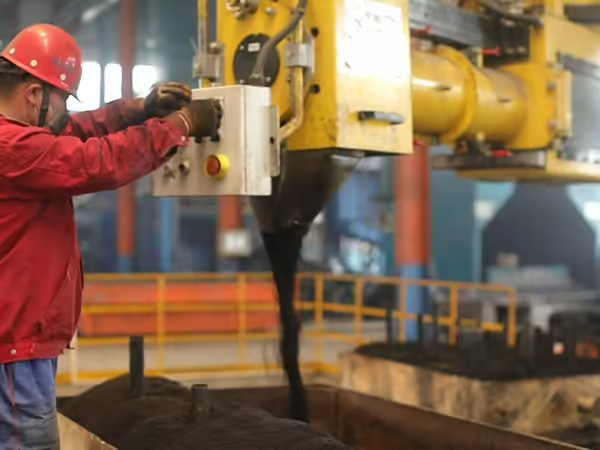
Sand Casting
Wide Size Range: It can cast components ranging from small to large, meeting various scale requirements.
Material Adaptability: It can cast various nickel alloys, including corrosion-resistant alloys, relatively smoothly.
Marine Engineering: Offshore platform components, pump bodies, etc.
Heavy Machinery: Large equipment parts.
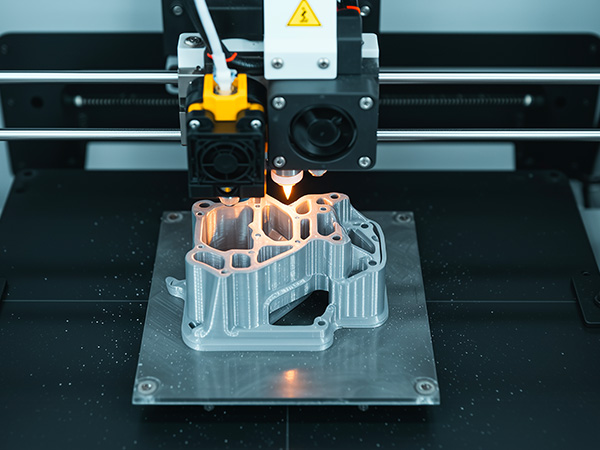
3D Printing
Wide Size Range: Capable of casting components ranging from small to large, meeting diverse scale requirements.
Precision Casting: Capable of producing complex geometries and internal structures with high precision.
Precision Instruments: High-precision sensors, structural components, etc.
Rapid Prototyping and Small-Batch Customization: Suitable for testing and new product development.
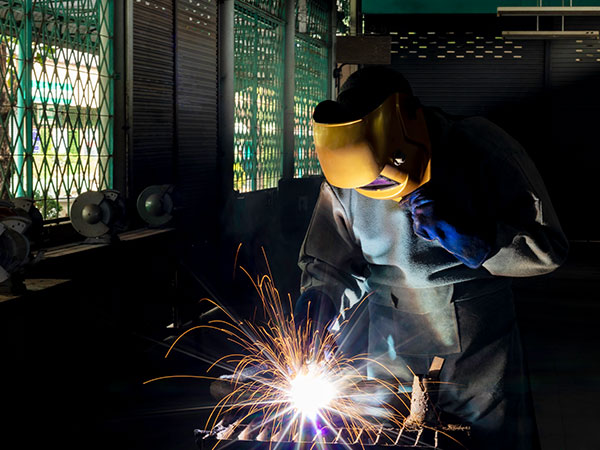
Welding
Suitable for repair and custom production: Suitable for welding reinforcement or repair of existing components.
High-temperature and corrosion resistance: Welded joints perform well in high-temperature and high-pressure environments.
Heavy Machinery and Petroleum Industries: Welding and strengthening equipment, particularly pressure vessels and piping components.
Start Your Project with Leierwo
1. Submit Your Inquiry
2. Cost Calculation
3. Start Production
4. Arrange Delivery
FAQ
We are a factory with over 20 years of experience in casting and machining. We have rich expertise in this industry. If you come across suppliers claiming to produce castings in a wide range of materials (such as steel, iron, stainless steel, copper, etc.), they are likely trading companies. If you see workshops actively producing parts, you can be assured that we are a genuine manufacturer.
Yes, as long as we receive CAD files or compatible 3D models that can be viewed with software like First Quote or Firstcut browser, we can provide a quotation. Please note that 2D drawings alone are insufficient for manufacturing precision components.
We support 3D CAD models from SolidWorks (.sldprt), ProE (.prt), and other CAD systems, commonly in IGES (.igs), STEP (.stp), ACIS (.sat), or Parasolid (.sat) formats.
We have an internal service system that responds to emails within 4 hours. If your request is urgent, please specify it in your email so we can prioritize your inquiry.
For rapid prototyping:
Silica sol casting: 20–30 days
Sand casting: 7–10 days
For mass production with machining included, the typical lead time is 45–60 days.
More complex parts may require a different delivery schedule.
Yes, we provide samples based on your drawings for you to confirm structure and quality. If the sample does not meet your requirements, we will replace it free of charge until it is qualified.
We accept T/T (bank transfer), Alipay, credit card, etc. Typically, we require a 30% down payment upon order confirmation and the remaining 70% before shipment. For custom parts with complex requirements, additional pricing terms may apply.
We have a comprehensive quality control system that covers every step, from raw material procurement to machining processes and final inspection. For critical components, we strictly follow drawing standards and customer specifications.
All customer data is kept confidential. Only trained engineers are authorized to handle production orders. Third-party inspection or factory audits are welcome, or you may use our in-house quality team for final inspection.
Yes, we guarantee that all materials used are 100% genuine and as specified.
We value long-term cooperation and support our customers’ production needs.
We believe every honest customer is a friend, and we treat our partnerships sincerely—building friendships and strong teams regardless of where our customers come from.
 English
  Spanish
  Arabic
  Malay
Malay  German