
Mastering Cast Iron Pump Housing Casting Techniques
Selamat Datang ke Blog Saya!
Saya teruja untuk mempunyai anda di sini! Sebelum kita menyelami kandungan, saya ingin anda menyertai saya di platform media sosial saya. Di situlah saya berkongsi cerapan tambahan, berhubung dengan komuniti kami yang hebat dan memaklumkan anda tentang berita terkini. Begini cara anda boleh terus berhubung:
📘 Facebook: Shanghai Leierwo Industry Trade Co., Ltd.
Sekarang, mari kita mulakan perjalanan ini bersama-sama! Saya harap anda mendapati kandungan di sini bukan sahaja bernas tetapi juga memberi inspirasi dan berharga. Mari mulakan!
Jadual Kandungan
pengenalan
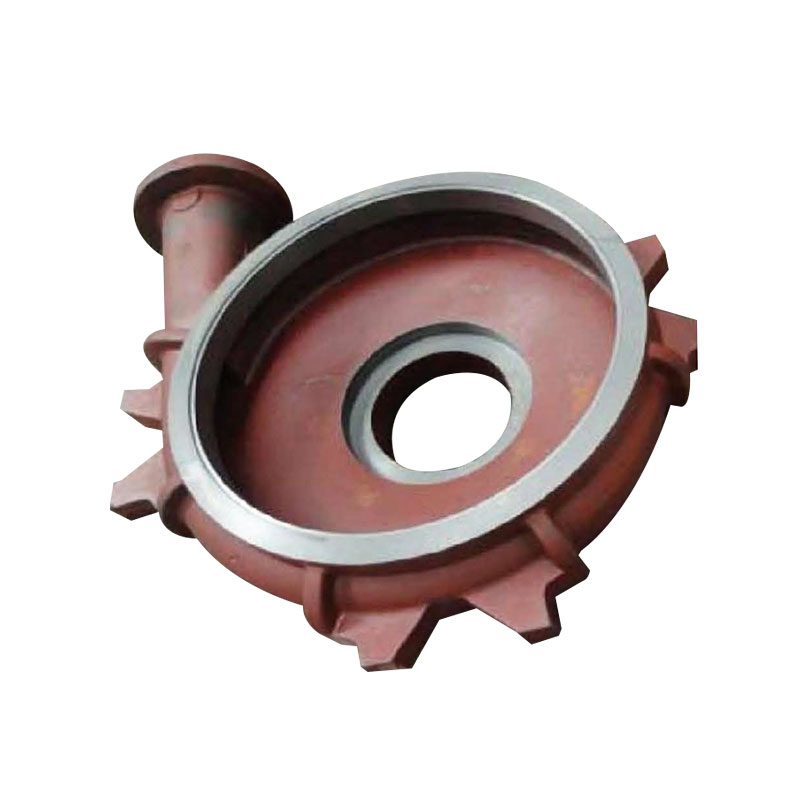
Perumahan Pam Besi Tuang serves as the structural backbone of pumping systems in industries ranging from water treatment and chemical processing to HVAC and power generation. Its design and material integrity determine the pump’s durability, corrosion resistance, and operational efficiency.
The casting process is not just a manufacturing step—it directly affects the final performance, maintenance costs, and service life of pumps. Improper casting leads to defects like porosity, warping, surface cracks, and dimensional inaccuracies. According to a report by International Journal of Casting Technology, precision in cast iron pump housing production can improve overall system reliability by up to 25%, demonstrating the need for mastering casting techniques.
This article provides a comprehensive overview of cast iron pump housing production, covering materials, methods, defect prevention, post-processing, quality control, and future trends in the industry.
Materials Science Behind Perumahan Pam Besi Tuang
Understanding Cast Iron Types
Different types of cast iron provide distinct mechanical and thermal properties:
Besi Tuang Kelabu
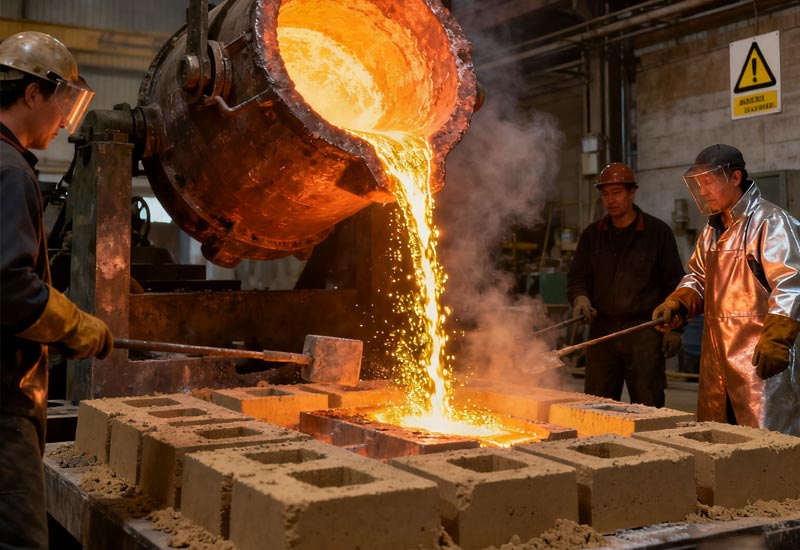
- Carbon Content: 2.5–4.0%
- Silicon Content: 1.0–3.0%
- Melting Temperature: 1150–1250°C
- Applications: Standard pump housings, moderate pressure
- Advantages: Excellent damping, low cost, machinable
- Common Defects: Shrinkage cavities, porosity if molten iron cools too fast
Ductile Cast Iron
- Carbon Content: 3.0–3.8%
- Magnesium Addition: 0.03–0.05% to achieve spheroidal graphite
- Melting Temperature: 1200–1350°C
- Applications: High-pressure pumps, corrosive fluid handling
- Advantages: High tensile strength (up to 700 MPa), good ductility
- Defect Prevention: Proper Mg treatment, controlled cooling
Alloyed Cast Iron
- Alloying Elements: Cr, Ni, Mo, Cu
- Purpose: Improve wear resistance, hardness, corrosion protection
- Industrial Insight: Alloyed cast iron reduces abrasive wear by 20–30% in slurry pumps
Material Preparation Steps
- Pre-weigh raw iron and alloying elements according to composition table.
- Melt in induction furnace, monitor temperature using thermocouples.
- Degas molten iron to remove hydrogen and other gases.
- Pour molten iron into ladle; maintain temperature within ±15°C of target.
Material Selection Criteria
- Kekuatan tegangan: Ensures the housing withstands internal pressures without deformation.
- Thermal Expansion Coefficient: Impacts dimensional stability during heating and cooling cycles.
- Rintangan kakisan: Prevents rust and chemical degradation, especially for pumps handling water, chemicals, or slurry.
Expert Insight: Metallurgist Dr. Angela Roberts notes, “The right material selection is as crucial as the casting process itself. Ductile iron is indispensable for high-stress applications, whereas gray iron suffices for standard flow pumps.”
Melting and Alloying Considerations
- Maintaining the correct molten temperature (1350–1500°C for gray iron) ensures proper fluidity.
- Alloying elements must be precisely measured; even minor deviations can affect hardness, wear resistance, and machinability.
- Degassing molten metal reduces dissolved gases, which prevents porosity in the final casting.
Advanced Casting Techniques for Perumahan Pam Besi Tuang
Tuangan Pasir – Flexibility and Scale
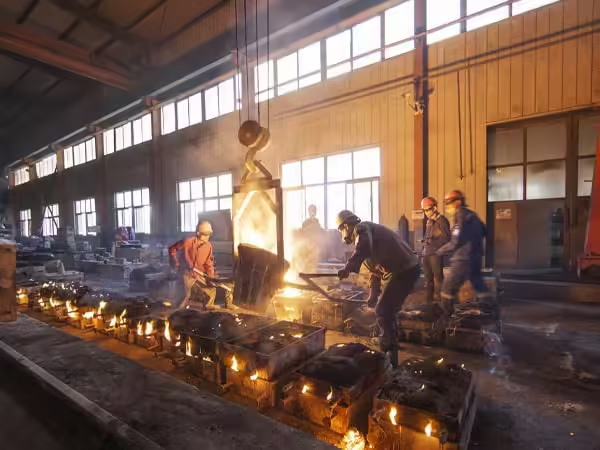
Sand casting is highly versatile, suitable for large, complex pump housings:
- Mold preparation with high-quality silica sand and binders.
- Creation of cores for internal cavities.
- Pouring molten iron at controlled temperature.
- Cooling and mold removal.
Kelebihan: Cost-effective, adaptable to different sizes and shapes.
Limitations: Moderate surface finish, potential for porosity and dimensional variations.
Pemutus Pelaburan for Precision
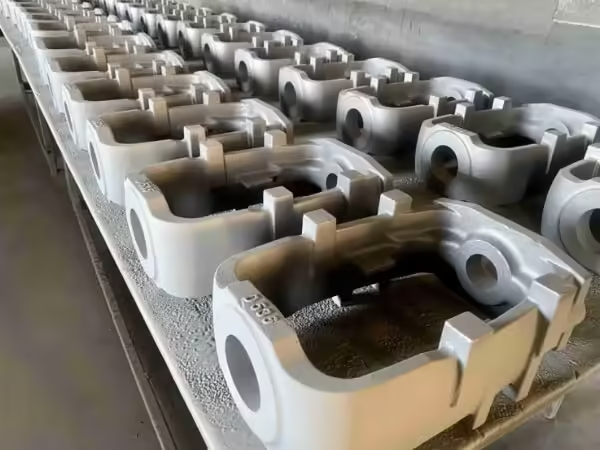
Investment casting offers superior surface finish and tight tolerances:
- Wax patterns are coated in ceramic, then melted away to create the mold cavity.
- Molten iron fills the cavity with minimal turbulence.
Benefits: Ideal for smaller pump housings needing precision, reducing post-machining costs.
Drawbacks: Higher cost and lower production volume compared to sand casting.
Shell Mold Casting and Other Hybrid Techniques
- Shell molding uses thin resin-coated sand layers to create a hard shell, giving better surface finish and accuracy than traditional sand casting.
- Combines advantages of sand casting (size flexibility) and investment casting (precision).
Industry Example: A European manufacturer reduced machining by 40% using shell molding for medium-sized cast iron pump housings.
Common Defects in Perumahan Pam Besi Tuang and Prevention
Ensuring high-quality Cast Iron Pump Housing requires not only mastering the casting process but also understanding potential defects and implementing preventive measures. Even minor flaws can compromise mechanical performance, reduce pump efficiency, and shorten service life. Below is an in-depth analysis of common defects and actionable strategies to mitigate them.
Porosity and Gas Pockets
Why Porosity Occurs
Porosity refers to tiny voids or gas pockets formed within the casting. These occur due to trapped gases, improper venting, or uneven solidification of molten iron. Porosity can manifest as small pinholes on the surface or larger internal cavities, affecting mechanical strength and fatigue resistance.
Factors Contributing to Porosity
- High dissolved gases (hydrogen, nitrogen) in molten iron
- Contaminated molten metal with slag or oxides
- Rapid pouring or inadequate mold venting
Preventive Measures
- Degassing molten iron using argon or nitrogen to remove dissolved gases
- Placing vents strategically in molds to allow gas escape
- Maintaining optimal pouring temperatures (gray iron 1400–1450°C, ductile iron 1450–1500°C)
- Using filtration systems to remove slag and inclusions before pouring
Technical Insight
Proper degassing can reduce porosity-related failures by up to 35%, according to Foundry Technology Journal. Monitoring mold pressure during pouring can also help identify trapped gases that may form porosity.
Shrinkage and Warping
Understanding Shrinkage and Warping
Shrinkage occurs when molten iron contracts during solidification. Warping is the distortion of the casting shape due to uneven cooling. Both defects compromise dimensional accuracy, potentially causing misaligned pump shafts, leaks, or assembly difficulties.
Contributing Factors
- Thick sections cooling slower than thin sections
- Improper riser placement
- Thermal gradients from rapid cooling
Prevention Strategies
- Use risers and chills to feed molten iron into shrinking areas and absorb heat
- Apply controlled, gradual cooling to avoid thermal stress
- Utilize simulation software to optimize riser and gating designs
Kajian Kes
A German pump foundry reduced shrinkage defects by 40% through 3D solidification simulation and adjusted riser placement, improving overall pump assembly tolerances.
Inclusions and Contamination
Definition and Causes
Inclusions are foreign particles like sand, slag, or metallic debris embedded in the casting. Contamination can weaken the material, cause stress points, and accelerate wear in operational pumps.
Sources of Contamination
- Poorly cleaned molds or cores
- Impurities in molten iron
- Inadequate filtration and skimming
Preventive Measures
- Maintain clean molds and cores
- Use ceramic or mesh filters in pouring systems
- Follow strict metal handling protocols
Expert Insight
Dr. Lucia Rossi, metallurgist at the European Foundry Association, notes, “Even minor inclusions in pump housings can initiate microcracks under pressure, leading to catastrophic failures if not controlled.”
Practical Tip
Implement real-time monitoring of molten metal cleanliness using optical sensors or chemical analysis.
Cold Shuts and Misruns
Understanding Cold Shuts and Misruns
- Cold Shuts: Occur when two streams of molten metal meet but fail to fuse, creating weak lines.
- Misruns: Result from molten iron failing to fill the mold completely, leaving voids.
Causes
- Low pouring temperatures causing premature solidification
- Poor gating design leading to turbulent or slow flow
- Excessive distance between pouring point and mold cavity
Prevention Strategies
- Maintain proper molten iron temperature
- Optimize gating system for smooth flow
- Use flow simulation to anticipate potential cold shut areas
Kajian Kes
An Italian pump manufacturer implemented automated mold vibration and temperature sensors, reducing cold shuts and misruns by 30%, decreasing scrap rates and rework costs.
Industry Data
Cold shuts account for nearly 12% of all cast iron pump housing defects in medium-sized foundries (Industrial Foundry Reports).
Post-Casting Processes and Quality Enhancement
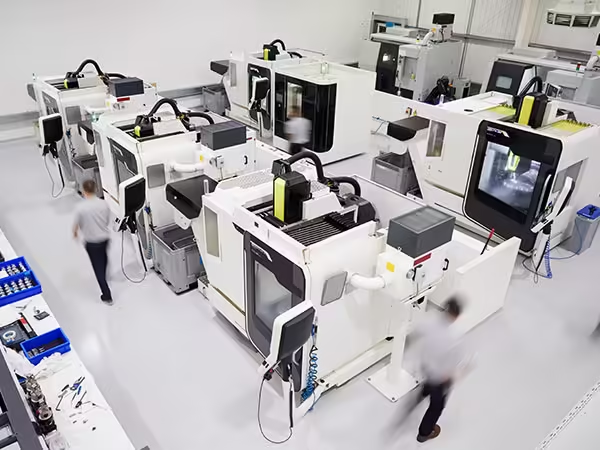
Once the Perumahan Pam Besi Tuang is successfully cast, the manufacturing process does not end there. Post-casting processes are essential to ensure that the final product meets strict mechanical and operational standards. These processes not only enhance the structural integrity of the pump housing but also extend its operational lifespan, reduce maintenance needs, and improve overall reliability in demanding industrial applications.
Heat Treatment and Stress Relief
After casting, internal stresses inevitably develop within the pump housing due to uneven cooling and solidification. These residual stresses can lead to warping, cracking, or premature fatigue during service. Heat treatment processes, such as annealing and tempering, are commonly applied to relieve these stresses. Annealing gradually heats the casting to a controlled temperature and then cools it slowly, allowing the internal microstructure to relax. This process reduces brittleness, improves toughness, and minimizes the risk of dimensional instability. Normalizing, another critical heat treatment, involves heating the casting to a higher temperature and then cooling it in air, which refines the grain structure and ensures uniformity throughout the material. By promoting a consistent microstructure, normalizing enhances mechanical strength and prepares the pump housing for subsequent machining operations.
Machining and Surface Finishing
Following heat treatment, precise machining is essential to meet the stringent tolerances required for pump assemblies. CNC milling, grinding, and drilling operations are performed to achieve critical dimensions for mounting surfaces, shaft bores, and bolt patterns. These machining steps are not only necessary for proper assembly but also directly affect the operational performance of the pump. Surface finishing plays a crucial role in ensuring that the pump housing can form reliable seals with gaskets or O-rings, preventing leakage and improving efficiency. Additionally, smooth surfaces reduce friction and wear at critical contact points, such as between the pump shaft and housing, thereby extending the service life of both components. Advanced surface treatments, including honing or precision lapping, may also be applied to areas that interface with high-speed rotating elements, ensuring minimal vibration and noise during operation.
Protective Coatings and Corrosion Control
Even the most carefully cast and machined pump housing is vulnerable to corrosion when exposed to aggressive fluids or harsh environmental conditions. To mitigate this risk, protective coatings are applied to the cast iron surface. Epoxy coatings, powder coatings, or specialized anti-corrosion paints provide a barrier against water, chemicals, and slurries that the pump may encounter in service. These coatings are particularly important for pump housings used in water treatment, chemical processing, or slurry pumping applications, where even minor corrosion can compromise structural integrity and lead to leaks or operational failure. In addition to protective coatings, proper storage and handling practices, such as keeping castings dry and avoiding contact with contaminants, further contribute to long-term corrosion resistance.
Operational Insight
Implementing comprehensive post-casting processes has a direct impact on pump reliability and performance. Industry studies show that pump housings that undergo proper heat treatment, precise machining, and corrosion protection exhibit significantly longer operational lifespans, reduced maintenance frequency, and lower total lifecycle costs. According to a study by the International Pump Manufacturers Association, pumps equipped with post-processed cast iron housings experienced 20–30% fewer failures over a five-year period compared to unprocessed or minimally finished castings. This underscores the importance of treating post-casting operations not as optional steps, but as integral stages of producing high-quality, durable pump components.
Table: Overview of Casting Methods and Post-Processing for Cast Iron Pump Housing
| Method | Size Range | Kemasan Permukaan | Ketepatan | Kecekapan Kos | Aplikasi | Pemprosesan Pasca |
|---|---|---|---|---|---|---|
| Tuangan Pasir | Small to large | Sederhana | ±0.5–2 mm | tinggi | Standard pumps, large housings | Machining, Heat Treatment |
| Pemutus Pelaburan | Small to medium | Cemerlang | ±0.1–0.5 mm | Sederhana | Precision pumps | Minimal machining, Heat Treatment |
| Acuan Pemutus Cangkang | Medium to large | bagus | ±0.2–1 mm | Sederhana | Smooth surface, mid-volume | Machining, Coating |
| Die Casting | Small | Sangat Baik | ±0.05–0.2 mm | Low volume | Small high-precision units | Minimal finishing |
Quality Control and Testing
Ensuring the reliability of any Perumahan Pam Besi Tuang requires rigorous control. This process includes advanced testing technologies, precision measurement systems, and operational performance evaluations that guarantee industry-level quality.
Importance of Quality Control in Pump Housing Manufacturing
Quality control is indispensable because the pump housing’s structural integrity directly affects the entire pump’s performance and safety. Even minor casting irregularities can lead to leakage, vibration, or pump failure.
Non-Destructive Testing: Ensuring Internal and Surface Integrity
Non-destructive testing (NDT) is the foundation of modern casting inspection, allowing manufacturers to examine components without compromising them.
X-ray and Ultrasonic Testing
These methods penetrate deep into the casting to reveal internal porosity, inclusions, or cracks that may not be visible externally.
Magnetic Particle Inspection for Surface Defects
This method detects surface-level discontinuities and ensures the housing surface is free of micro-cracks that could propagate during operation.
Dimensional Verification: Achieving Precision and Accuracy
Maintaining accurate dimensions is essential for alignment, sealing, and ensuring proper pump operation.
Using Coordinate Measuring Machines (CMM)
CMM systems deliver micron-level accuracy, ensuring the pump housing meets all design tolerances with consistency.
Laser Scanning for Complex Geometries
Laser scanning creates detailed 3D profiles and is particularly effective for verifying intricate cooling channels or internal contours.
Performance Testing: Simulating Real-World Pump Conditions
Beyond structural soundness, pump housings must endure real-life mechanical forces and hydraulic pressures.
Pressure Testing for Structural Integrity
Pressure evaluations determine whether the housing resists internal pressure without deformation or cracking.
Flow Testing for Hydraulic Efficiency
Flow tests validate internal pathways to ensure unrestricted movement of fluids and optimal pump efficiency.
Expert Insight
Experts note that combining NDT with dimensional verification can reduce field failures by up to 50%, proving the value of a multi-layered inspection approach. Pump Technology, implementing full NDT and dimensional inspection reduces field failures by up to 50%.
Emerging Technologies and Trends
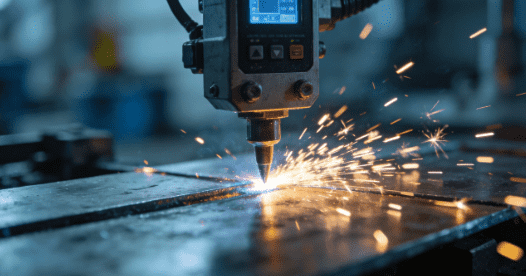
Advancements in automation, materials science, and digital simulation are revolutionizing the Cast Iron Pump Housing manufacturing process.
Automation and Industry 4.0: Enhancing Consistency and Efficiency
Automation introduces consistency and reduces variability caused by manual operations.
Robotic Mold Handling
Robots eliminate human error, providing consistent mold preparation and pouring.
Real-Time Sensor Monitoring
Sensors track temperature, mold conditions, and solidification changes to predict quality deviations.
Advanced Materials: Building Stronger and More Resilient Housings
Modern cast iron formulations enhance performance and durability.
Composite Coatings for Enhanced Protection
Coatings resist corrosion, especially for housings exposed to harsh chemicals or abrasive slurries.
Alloyed Cast Iron for Extreme Working Conditions
Alloying improves wear resistance, making housings suitable for abrasive or high-load applications.
Simulation and Digital Twin: Predicting Quality Before Production
Digital tools allow engineers to foresee defects and optimize designs before any physical casting occurs.
CFD for Molten Metal Flow Optimization
CFD modeling helps improve gating systems and mold filling performance.
FEA for Solidification and Stress Analysis
FEA predicts shrinkage, thermal stresses, and possible distortion zones in the housing.
Digital Twins for Virtual Validation
A digital twin replicates real-world casting behavior, enabling manufacturers to test multiple scenarios virtually.
Kesimpulan
Mastery of cast iron pump housing casting requires a holistic approach encompassing:
- Material selection and alloy optimization
- Advanced casting methods and defect prevention
- Post-processing and surface protection
- Rigorous quality control and testing
- Adoption of automation and digital simulation tools
By integrating these practices, manufacturers can produce highly reliable, durable, and high-performance cast iron pump housings, reducing downtime, maintenance costs, and improving operational efficiency across diverse industries.
Soalan Lazim
Q1: Which casting method is best for large industrial cast iron pump housing?
A1: Tuangan pasir is typically preferred for large housings due to size flexibility and cost-effectiveness.
Q2: How can porosity be minimized in cast iron pump housing?
A2: By degassing molten iron, proper venting, and controlling pouring temperature.
Q3: What type of cast iron is best for high-pressure pumps?
A3: Ductile cast iron provides superior tensile strength and impact resistance, suitable for high-pressure conditions.
Q4: Are post-casting heat treatments necessary?
A4: Yes, they relieve internal stresses, improve mechanical properties, and extend service life.
Q5: How does Industry 4.0 improve casting quality?
A5: Automation, sensors, and simulation reduce defects, ensure dimensional accuracy, and optimize production efficiency.
Kategori Produk
- Bahagian Injap
- Bahagian Pam Air
- Bahagian Kotak Galas
- Bahagian Die Casting
- Produk Pam Keluli Tahan Karat
- Produk Pam Besi Tuang
- Bahagian Injap Untuk Kegunaan Kereta
- Bahagian Kenderaan
- Bahagian Injap Untuk Kegunaan Awam
- Bahagian Pam Vakum KF

Mari mulakan projek anda yang seterusnya!
Mulakan Projek Anda dengan Leierwo
1. Hantar Pertanyaan Anda
2. Pengiraan Kos
3. Mulakan Pengeluaran
4. Susun Penghantaran
Soalan Lazim
Ya, kami mempunyai pengalaman yang luas dalam perdagangan antarabangsa dan boleh membantu pelanggan dengan urusan pelepasan kastam dan penghantaran eksport. Kami menawarkan pelbagai syarat perdagangan seperti FOB, CIF dan DDP untuk menampung keperluan logistik yang berbeza. Kami menerima pelbagai kaedah pembayaran antarabangsa, termasuk T/T (Pemindahan Telegraf), pindahan kawat dan Letter of Credit (L/C). Syarat pembayaran boleh dibincangkan dengan pasukan jualan kami.
Dengan bekerjasama dengan Leierwo, anda boleh menikmati harga yang kompetitif dan kualiti unggul berbanding pembekal lain. Selain itu, kami menawarkan penyelesaian sehenti untuk menghantar bahagian siap, termasuk pemesinan CNC dan rawatan permukaan, memastikan proses pengeluaran yang lancar.
Kami mempunyai peralatan pemutus termaju dan sistem kawalan kualiti yang ketat. Kapasiti pengeluaran bulanan kami adalah besar, dan kami boleh mengeluarkan produk berdasarkan lukisan atau sampel yang disediakan oleh pelanggan. Kami menerima kedua-dua pesanan percubaan kecil dan pengeluaran berskala besar.
Produk kami mematuhi piawaian antarabangsa seperti ASTM, AISI, DIN dan JIS. Kami boleh menyediakan laporan ujian material dan pensijilan yang berkaitan untuk memastikan kualiti produk memenuhi keperluan pelanggan.
Kami mematuhi sistem pengurusan kualiti ISO 9001 dengan ketat dan menjalankan pelbagai pemeriksaan sepanjang proses pengeluaran, termasuk analisis spektrografi, ujian X-ray, ujian ultrasonik dan ukuran dimensi. Langkah kawalan kualiti ini menjamin bahawa tuangan kami memenuhi piawaian tertinggi.
MOQ kami bergantung pada jenis produk dan kerumitan, Walau bagaimanapun, kami fleksibel dan terbuka untuk membincangkan keperluan khusus anda.
Masa utama pengeluaran standard kami ialah 4-6 minggu, bergantung pada kuantiti pesanan dan kerumitan produk. Kami berusaha untuk memendekkan masa penghantaran untuk memenuhi permintaan pelanggan.
Ya, kami boleh menyediakan sampel untuk pemeriksaan kualiti. Kos sampel dan yuran penghantaran boleh dirundingkan, dan yuran sampel boleh dikembalikan apabila membuat pesanan rasmi.
 Malay
Malay  English
  Spanish
  Arabic
  German