
Cast Iron Check Valve vs Stainless Steel: Which One Should You Choose?
Selamat Datang ke Blog Saya!
Saya teruja untuk mempunyai anda di sini! Sebelum kita menyelami kandungan, saya ingin anda menyertai saya di platform media sosial saya. Di situlah saya berkongsi cerapan tambahan, berhubung dengan komuniti kami yang hebat dan memaklumkan anda tentang berita terkini. Begini cara anda boleh terus berhubung:
📘 Facebook: Shanghai Leierwo Industry Trade Co., Ltd.
Sekarang, mari kita mulakan perjalanan ini bersama-sama! Saya harap anda mendapati kandungan di sini bukan sahaja bernas tetapi juga memberi inspirasi dan berharga. Mari mulakan!
Jadual Kandungan
Blog Key Takeaways
- Comprehensive comparison between cast iron and stainless steel check valves
- Material properties, durability, and performance metrics
- Typical applications and industry-specific recommendations
- Maintenance, installation tips, and cost considerations
- Expert insights and real-world case studies
- Comparative table for quick reference
- Expanded FAQ for common engineering and procurement questions
pengenalan
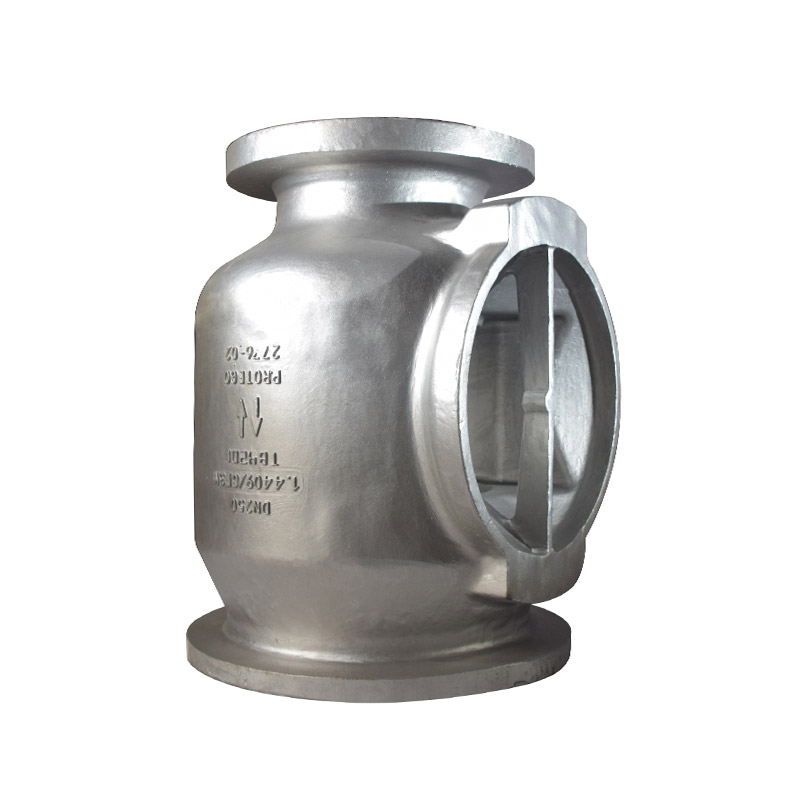
Selecting the right material for a check valve is more than just a technical decision—it can determine the efficiency, reliability, and longevity of your piping system. Cast iron check valves and stainless steel check valves are two of the most popular options in industrial, municipal, and commercial applications. Both materials are castable, making them versatile for a variety of sizes and specifications.
According to the Valve Manufacturers Association (VMA), nearly 60% of all industrial check valves in Europe are either cast iron or stainless steel, highlighting the dominance of these materials in performance-critical applications. The choice between the two often boils down to factors such as fluid type, pressure, temperature, environmental conditions, and long-term operational cost.
Material Properties and Performance
Cast Iron Check Valve Ciri-ciri
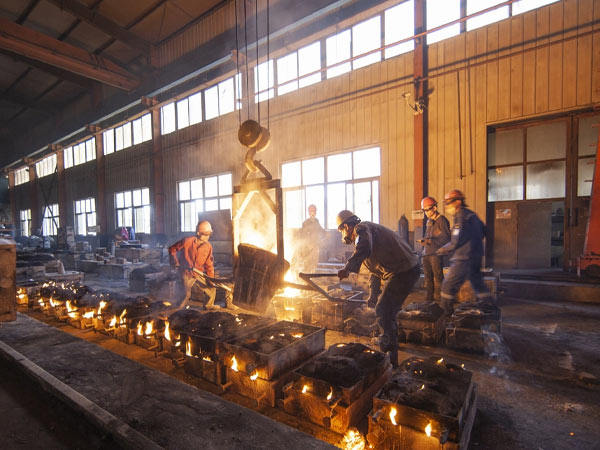
Cast iron check valves are known for their mechanical strength, affordability, and resistance to abrasion. They are widely used in water distribution, sewage systems, and general industrial pipelines.
Key Performance Metrics:
- Compressive Strength: 150-300 MPa
- Maximum Working Pressure: 16-25 bar (depending on size)
- Operating Temperature: -10°C to 120°C
- Weight: Heavier than stainless steel counterparts
Expert Insight:
Dr. Thomas Reinhardt, a materials engineer at the European Valve Institute, notes: “Cast iron valves remain the go-to solution for municipal water systems due to their robustness and cost-effectiveness. However, corrosion is always a consideration, especially in aggressive or outdoor environments.”
Stainless Steel Check Valve Ciri-ciri
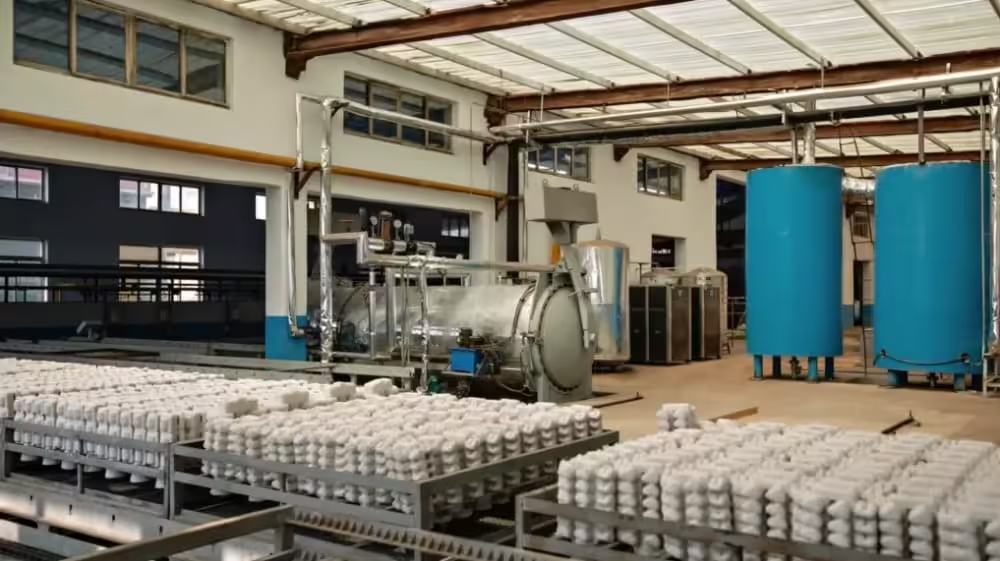
Stainless steel check valves offer high corrosion resistance, long-term durability, and excellent performance in high-pressure and high-temperature conditions. They are preferred in chemical, food, and pharmaceutical industries.
Key Performance Metrics:
- Compressive Strength: 500-700 MPa
- Maximum Working Pressure: 25-40 bar
- Operating Temperature: -50°C to 400°C
- Weight: Lighter than cast iron relative to strength
Expert Insight:
Maria López, R&D director at Global Valve Solutions, explains: “Stainless steel valves are ideal where fluid purity and corrosion resistance are critical. While the initial cost is higher, total cost of ownership is often lower due to extended service life and reduced maintenance.”
Advantages and Disadvantages
Cast Iron Check Valve Pros and Cons
Kelebihan:
- Cost-effective for large-scale applications
- Excellent mechanical strength
- Easy to cast in large diameters
Disadvantages:
- Moderate corrosion resistance
- Heavy weight increases handling and installation difficulty
- Limited temperature range
Stainless Steel Check Valve Pros and Cons
Kelebihan:
- Superior corrosion resistance and chemical compatibility
- Can handle high temperatures and pressures
- Long lifespan and low maintenance
Disadvantages:
- Higher initial cost
- Complex casting process, especially for larger sizes
- Over-engineered for non-corrosive, low-pressure systems
Applications: Cast Iron vs Stainless Steel
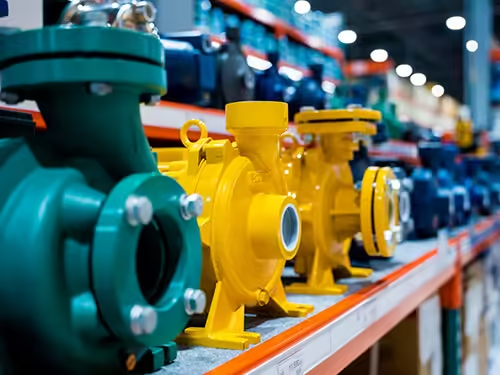
Water and Wastewater Systems
Cast iron check valves are extensively used in municipal water supply, sewage systems, and irrigation pipelines. They offer durability and cost-efficiency for long pipelines. Stainless steel valves can be used in treated water pipelines or corrosive wastewater streams.
Pemprosesan Kimia
Stainless steel check valves are preferred due to resistance to acids, alkalis, and corrosive chemicals. Cast iron may be suitable for less aggressive chemical solutions but requires protective coatings.
Food and Pharmaceutical Applications
Regulatory requirements demand stainless steel check valves for hygienic performance, corrosion resistance, and easy cleaning. Cast iron is not suitable for these applications.
HVAC and Industrial Applications
Both materials can be used for heating, ventilation, and industrial piping systems. Cast iron is common for standard water pipelines, while stainless steel is suitable for high-temperature steam lines or aggressive fluids.
Installation and Maintenance Considerations
Installation Tips
- Cast Iron: Ensure proper alignment due to weight, use anti-corrosion coatings in outdoor environments.
- Keluli Tahan Karat: Precision alignment is easier due to lighter weight; handle with care to avoid surface scratches that may affect corrosion resistance.
Maintenance Guidelines
- Cast Iron: Inspect annually for corrosion, sediment build-up, and wear; repaint exposed outdoor valves.
- Keluli Tahan Karat: Minimal maintenance, periodic inspection of seals and mechanical components recommended.
Petua Pakar: Proper installation often doubles the service life of valves. Incorrect torque, misalignment, or poor flange connections can lead to early failure.
Comparative Table of Cast Iron and Stainless Steel Check Valves
| Ciri | Cast Iron Check Valve | Stainless Steel Check Valve |
|---|---|---|
| kos | rendah | tinggi |
| Rintangan Kakisan | Sederhana | Cemerlang |
| Julat Suhu | -10°C to 120°C | -50°C hingga 400°C |
| Pressure Rating | 16-25 bar | 25-40 bar |
| Berat badan | Heavier | Lighter |
| Penyelenggaraan | Sederhana | rendah |
| Suitable Fluids | Water, wastewater | Chemicals, food, aggressive fluids |
| Jangka hayat | 15-25 years | 25-50 years |
Cost and ROI Considerations
While cast iron check valves have a lower upfront cost, stainless steel valves often provide better jumlah kos pemilikan in harsh environments. A study by Industrial Valve Analytics 2024 found that stainless steel valves reduced maintenance costs by 30% over 10 years in chemical plants, offsetting initial higher purchase costs.
Case Studies: Real-World Applications
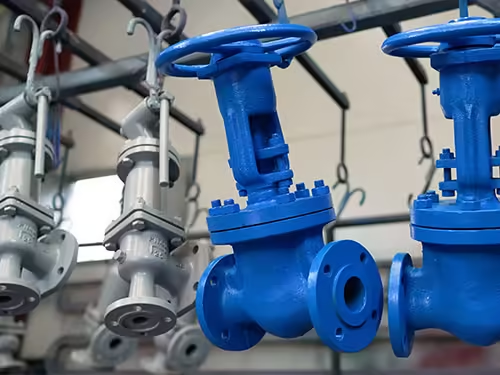
Municipal Water Project in Germany
A 2 km municipal pipeline used cast iron check valves. Initial cost savings were significant, but after 15 years, corrosion at certain junctions required partial replacements.
Chemical Plant in Spain
Stainless steel check valves were installed for aggressive chemical lines. Over 12 years, the valves required only minor seal maintenance, confirming their long-term ROI despite higher initial investment.
Food Processing Plant in Italy
Hygienic stainless steel check valves were used for dairy production lines. Easy cleaning, corrosion resistance, and compliance with food safety regulations ensured uninterrupted operations.
Factors to Consider When Choosing Between Cast Iron and Stainless Steel
- Fluid Type and Corrosiveness: Choose stainless steel for acids, alkalis, and chlorinated water.
- Operating Pressure and Temperature: Stainless steel supports higher pressures and temperatures.
- Budget vs Lifetime: Cast iron for short- to medium-term projects, stainless steel for long-term reliability.
- Installation Environment: Stainless steel is preferable for outdoor or humid conditions.
- Regulatory Requirements: Food, pharmaceutical, or chemical industries may mandate stainless steel.
Kesimpulan
Selecting the ideal check valve material is a balance between performance, cost, and application-specific requirements. Cast iron check valves remain a strong choice for cost-effective, non-corrosive applications, while stainless steel check valves excel in demanding environments where longevity, corrosion resistance, and hygiene are critical.
By considering factors such as fluid type, temperature, pressure, installation environment, and regulatory requirements, engineers and procurement teams can make informed decisions that maximize efficiency, reduce downtime, and provide long-term value.
Investing in high-quality valves from a reliable foundry ensures that whether you choose cast iron or stainless steel, your system will operate efficiently, safely, and reliably for years to come.
Soalan Lazim
Q: Can cast iron check valves handle corrosive fluids?
A: Only mild or treated fluids; for aggressive chemicals, stainless steel is recommended.
Q: What is the lifespan of cast iron valves?
A: Typically 15-25 years with proper maintenance.
Q: Are stainless steel valves worth the investment?
A: Yes, especially for long-term, high-performance, or corrosive applications.
Q: Can both types be cast in large diameters?
A: Yes, our foundry can cast both materials up to 600mm or customized sizes.
Q: Which valve is easier to install?
A: Stainless steel is lighter and easier to handle, but both require proper alignment.
Q: How do I maintain a cast iron check valve?
A: Inspect annually, clean sediments, and apply protective coatings if outdoors.
Q: Do stainless steel valves require frequent maintenance?
A: Minimal; mainly check seals and mechanical components.
Q: What industries prefer cast iron check valves?
A: Municipal water, wastewater, HVAC, irrigation, and general industrial pipelines.
Q: What industries prefer stainless steel check valves?
A: Chemical processing, pharmaceutical, food, marine, and high-temperature industrial pipelines.
Kategori Produk
- Bahagian Injap
- Bahagian Pam Air
- Bahagian Kotak Galas
- Bahagian Die Casting
- Produk Pam Keluli Tahan Karat
- Produk Pam Besi Tuang
- Bahagian Injap Untuk Kegunaan Kereta
- Bahagian Kenderaan
- Bahagian Injap Untuk Kegunaan Awam
- Bahagian Pam Vakum KF

Mari mulakan projek anda yang seterusnya!
Mulakan Projek Anda dengan Leierwo
1. Hantar Pertanyaan Anda
2. Pengiraan Kos
3. Mulakan Pengeluaran
4. Susun Penghantaran
Soalan Lazim
Ya, kami mempunyai pengalaman yang luas dalam perdagangan antarabangsa dan boleh membantu pelanggan dengan urusan pelepasan kastam dan penghantaran eksport. Kami menawarkan pelbagai syarat perdagangan seperti FOB, CIF dan DDP untuk menampung keperluan logistik yang berbeza. Kami menerima pelbagai kaedah pembayaran antarabangsa, termasuk T/T (Pemindahan Telegraf), pindahan kawat dan Letter of Credit (L/C). Syarat pembayaran boleh dibincangkan dengan pasukan jualan kami.
Dengan bekerjasama dengan Leierwo, anda boleh menikmati harga yang kompetitif dan kualiti unggul berbanding pembekal lain. Selain itu, kami menawarkan penyelesaian sehenti untuk menghantar bahagian siap, termasuk pemesinan CNC dan rawatan permukaan, memastikan proses pengeluaran yang lancar.
Kami mempunyai peralatan pemutus termaju dan sistem kawalan kualiti yang ketat. Kapasiti pengeluaran bulanan kami adalah besar, dan kami boleh mengeluarkan produk berdasarkan lukisan atau sampel yang disediakan oleh pelanggan. Kami menerima kedua-dua pesanan percubaan kecil dan pengeluaran berskala besar.
Produk kami mematuhi piawaian antarabangsa seperti ASTM, AISI, DIN dan JIS. Kami boleh menyediakan laporan ujian material dan pensijilan yang berkaitan untuk memastikan kualiti produk memenuhi keperluan pelanggan.
Kami mematuhi sistem pengurusan kualiti ISO 9001 dengan ketat dan menjalankan pelbagai pemeriksaan sepanjang proses pengeluaran, termasuk analisis spektrografi, ujian X-ray, ujian ultrasonik dan ukuran dimensi. Langkah kawalan kualiti ini menjamin bahawa tuangan kami memenuhi piawaian tertinggi.
MOQ kami bergantung pada jenis produk dan kerumitan, Walau bagaimanapun, kami fleksibel dan terbuka untuk membincangkan keperluan khusus anda.
Masa utama pengeluaran standard kami ialah 4-6 minggu, bergantung pada kuantiti pesanan dan kerumitan produk. Kami berusaha untuk memendekkan masa penghantaran untuk memenuhi permintaan pelanggan.
Ya, kami boleh menyediakan sampel untuk pemeriksaan kualiti. Kos sampel dan yuran penghantaran boleh dirundingkan, dan yuran sampel boleh dikembalikan apabila membuat pesanan rasmi.
 Malay
Malay  English
  Spanish
  Arabic
  German