
Penjelasan Kos Pemutus Pelaburan: 6 Wawasan Utama
Selamat Datang ke Blog Saya!
Saya teruja untuk mempunyai anda di sini! Sebelum kita menyelami kandungan, saya ingin anda menyertai saya di platform media sosial saya. Di situlah saya berkongsi cerapan tambahan, berhubung dengan komuniti kami yang hebat dan memaklumkan anda tentang berita terkini. Begini cara anda boleh terus berhubung:
📘 Facebook: Shanghai Leierwo Industry Trade Co., Ltd.
Sekarang, mari kita mulakan perjalanan ini bersama-sama! Saya harap anda mendapati kandungan di sini bukan sahaja bernas tetapi juga memberi inspirasi dan berharga. Mari mulakan!
Jadual Kandungan
pengenalan
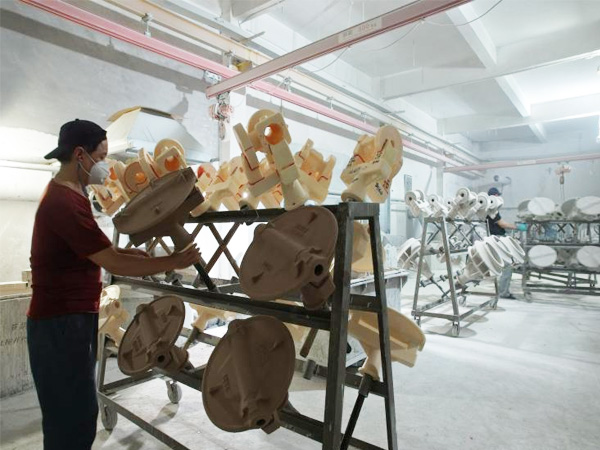
Pemutus pelaburan, atau tuangan lilin hilang, ialah proses pembuatan berketepatan tinggi yang digunakan secara meluas dalam industri seperti aeroangkasa, automotif, peranti perubatan dan pertahanan. Ia membolehkan penghasilan bahagian logam kompleks dengan toleransi yang ketat, permukaan licin dan geometri yang rumit. Walaupun mempunyai kelebihan, salah satu kebimbangan yang paling kritikal bagi pengeluar ialah memahami dan mengawal kos pemutus pelaburan.
Kos pemutus pelaburan boleh berbeza-beza bergantung kepada pelbagai faktor, termasuk:
- Jenis bahan dan gred aloi
- Kerumitan bahagian dan ciri reka bentuk
- Saiz kelompok dan jumlah pengeluaran
- Kecekapan buruh dan operasi
- Keperluan pemprosesan pasca
- Kawalan kualiti dan kadar kecacatan
Mengabaikan pemacu kos ini boleh menyebabkan perbelanjaan pengeluaran yang melambung tinggi, ketidakcekapan dan pengurangan keuntungan. Artikel ini meneroka enam pandangan utama tentang kos pemutus pelaburan, memberikan panduan praktikal untuk pengoptimuman kos sambil mengekalkan kualiti produk.
Wawasan 1: Pemilihan Bahan dan Kesannya terhadap Kos Pemutus Pelaburan
Mengapa Bahan Penting
Pemilihan bahan merupakan faktor asas dalam kos pelaburan tuangan. Aloi berprestasi tinggi seperti titanium, keluli tahan karat 17-4 PH atau superaloi berasaskan nikel jauh lebih mahal daripada aluminium atau keluli rendah karbon. Bahan bukan sahaja mempengaruhi kos mentah tetapi juga mempengaruhi proses hiliran seperti pemesinan, rawatan haba dan pemeriksaan.
Pertimbangan utama termasuk:
- Harga Bahan Mentah setiap Kilogram: Contohnya, keluli tahan karat mungkin berharga $3–$5/kg, titanium $25–$40/kg dan superaloi sehingga $100/kg.
- Ketersediaan dan Sumber: Aloi nadir atau khusus mungkin mempunyai masa tunggu yang lama, lalu meningkatkan kos inventori.
- Keperluan Proses: Aloi tertentu memerlukan pemanasan awal, atmosfera lengai atau teknik tuangan khusus untuk mengelakkan kecacatan.
Contoh Dunia Nyata
Pembekal aeroangkasa Eropah yang menghasilkan komponen turbin telah bertukar daripada keluli tahan karat 316 kepada superaloi berasaskan nikel untuk prestasi suhu tinggi. Walaupun kos bahan meningkat sebanyak 40%, reka bentuk cangkerang yang dioptimumkan dan kerja semula yang dikurangkan telah mengurangkan skrap sebanyak 25%, sekali gus mengimbangi kos penuangan pelaburan keseluruhan.
Amalan Terbaik
- Jalankan analisis kos-faedah dengan mempertimbangkan prestasi bahan berbanding harga.
- Bagi bahagian yang tidak kritikal, pilih aloi yang menjimatkan kos dan memenuhi keperluan mekanikal.
- Sumber bahan secara pukal untuk projek jangka panjang bagi mengurangkan kos bahan seunit.
Wawasan 2: Kerumitan Bahagian dan Pengaruh Reka Bentuk
Bagaimana Kerumitan Memacu Kos
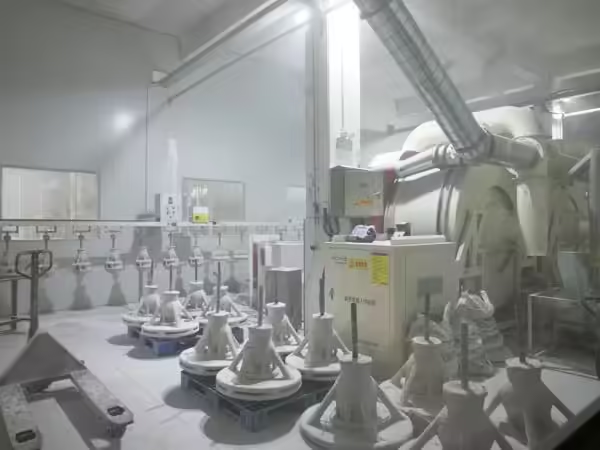
Geometri kompleks meningkatkan masa penyediaan corak lilin, tenaga kerja lapisan cangkerang dan risiko kecacatan. Ciri-ciri seperti rongga yang dalam, dinding nipis, potongan bawah atau struktur kekisi memerlukan peralatan khusus dan kitaran pengeluaran yang lebih lama.
Bahagian kompleks juga mungkin memerlukan simulasi lanjutan untuk meramalkan pengecutan, aliran bahan dan keliangan, sekali gus menambah kos kejuruteraan.
Strategi untuk Mengoptimumkan Kos
- Permudahkan reka bentuk tanpa menjejaskan fungsi.
- Kurangkan potongan bawah dan ciri-ciri rumit apabila boleh.
- Gunakan CAD dan analisis unsur terhingga (FEA) untuk mengoptimumkan reka bentuk acuan.
- Kumpulkan bahagian yang serupa untuk melancarkan pengeluaran acuan dan cangkerang.
Kajian Kes
Sebuah pengeluar komponen automotif telah mereka bentuk semula pendakap suspensi untuk mengurangkan keratan dinding nipis dan potongan bawah. Masa suntikan lilin berkurangan sebanyak 20%, kadar sekerap menurun sebanyak 18% dan jumlah kos pelaburan tuangan menurun sebanyak 15%.
Wawasan 3: Kesan Isipadu Pengeluaran dan Saiz Kelompok
Ekonomi Berskala
Pemutus pelaburan sensitif terhadap jumlah pengeluaran. Pengeluaran kelompok kecil selalunya mempunyai kos seunit yang lebih tinggi disebabkan oleh persediaan, penyediaan acuan dan tenaga kerja yang meluas. Kelompok yang lebih besar mengagihkan kos tetap ke atas lebih banyak bahagian, sekali gus mengurangkan kos penuangan pelaburan seunit.
Jadual Perbandingan Kos
| Faktor | Kelompok Kecil | Kelompok Besar | Nota |
|---|---|---|---|
| Penyediaan Corak Lilin | $50/corak | $25/corak | Suntikan corak pukal mengurangkan tenaga kerja |
| Bangunan Cengkerang Seramik | $120/bahagian | $70/bahagian | Buruh dan bahan dioptimumkan dalam kelompok besar |
| Lebur & Tuang | $40/bahagian | $35/bahagian | Penjimatan kecil seunit menambah jumlah |
| Rawatan Haba | $30/bahagian | $25/bahagian | Relau berfungsi lebih cekap untuk kelompok yang lebih besar |
| Pemprosesan Pasca | $60/bahagian | $45/bahagian | Kos pemesinan dan penggilapan menurun secara berkelompok |
Kesimpulan Utama: Pengeluaran kelompok yang lebih besar memanfaatkan ekonomi skala, meminimumkan kos seunit sambil mengekalkan kualiti.
Contoh
Sebuah pengeluar peranti perubatan yang menghasilkan implan ortopedik telah mengurangkan kos penuangan pelaburan seunit sebanyak 22% dengan meningkatkan saiz kelompok daripada 50 kepada 500 bahagian sambil melaksanakan suntikan lilin automatik.
Wawasan 4: Kecekapan Buruh dan Operasi
Pemacu Kos Buruh
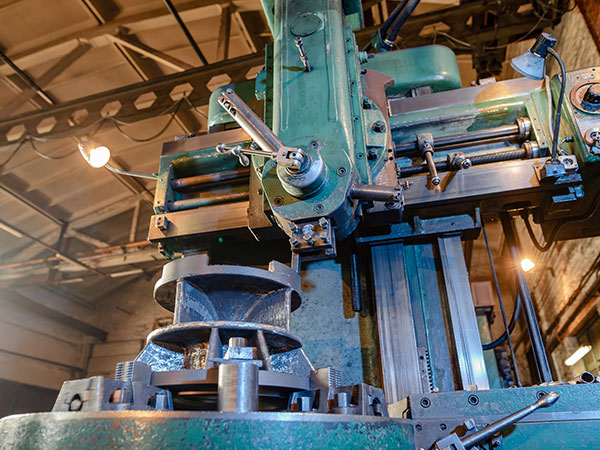
Buruh merupakan sebahagian besar daripada kos pelaburan tuangan, terutamanya dalam suntikan lilin manual, pembinaan cangkerang dan operasi kemasan. Pengendali mahir adalah penting untuk ketepatan, tetapi ketidakcekapan atau kesilapan meningkatkan kos.
Pertimbangan utama berkaitan buruh:
- Suntikan corak lilin dan masa penamat
- Proses pelapisan, pengeringan dan pembakaran cangkerang
- Pengendalian tuangan dan pengekstrakan bahagian
- Pemesinan, penggilapan dan pemeriksaan
Strategi Pengoptimuman
- Memperkenalkan sistem suntikan lilin dan salutan cangkerang separa automatik atau automatik sepenuhnya.
- Pengendali lintas latihan untuk mengendalikan berbilang peringkat.
- Mengaplikasikan prinsip pembuatan tanpa lemak untuk mengurangkan masa kitaran dan pembaziran.
Aplikasi Dunia Sebenar
Sebuah faundri aeroangkasa Eropah telah melaksanakan sistem celup dan pengeringan cangkerang separa automatik, mengurangkan kos buruh sebanyak 25% dan mengurangkan kecacatan tuangan sebanyak 18%, sekali gus mengurangkan jumlah kos tuangan pelaburan dengan berkesan.
Wawasan 5: Pemprosesan Pasca dan Kemasan Permukaan
Kepentingan Pemprosesan Pasca
Langkah-langkah pemprosesan pasca boleh menambah 20–40% kepada jumlah kos pelaburan tuangan. Langkah-langkah ini memastikan ketepatan dimensi, kemasan permukaan dan prestasi mekanikal.
Proses utama termasuk:
- Rawatan haba untuk sifat mekanikal
- Pemesinan CNC untuk toleransi yang ketat
- Pengisaran, penggilapan dan salutan permukaan
- Ujian tanpa musnah (NDT) untuk komponen kritikal
Langkah Pengurangan Kos
- Optimumkan toleransi tuangan untuk mengurangkan isipadu pemesinan.
- Kumpulkan bahagian yang serupa untuk rawatan haba bagi memaksimumkan kecekapan relau.
- Gunakan reka bentuk tuangan hampir berbentuk jaring untuk meminimumkan pemprosesan pasca.
Contoh Praktikal
Sebuah pembekal aeroangkasa telah mengguna pakai reka bentuk hampir bentuk bersih untuk komponen turbin. Kos pasca pemprosesan telah dikurangkan sebanyak 30%, mengakibatkan penurunan bersih dalam kos penuangan pelaburan sambil mengekalkan toleransi yang ketat.
Wawasan 6: Kawalan Kualiti dan Pengurusan Kecacatan
Peranan Kualiti dalam Kos
Kecacatan seperti keliangan, rangkuman, salah guna atau melengkung secara langsung meningkatkan kos skrap, kerja semula dan buruh. Kawalan kualiti proaktif mengurangkan pembaziran dan memastikan output yang konsisten.
Amalan Terbaik
- Laksanakan pengimbasan sinar-X, ultrasonik atau CT untuk komponen kritikal.
- Gunakan kawalan proses statistik (SPC) semasa pembinaan dan penuangan cangkerang.
- Pantau suhu relau, kadar penuangan dan kandungan lembapan cangkerang.
Kes Dunia Sebenar
Sebuah pembekal tuangan pelaburan jitu di Jerman telah melaksanakan pemeriksaan sinar-X sebaris dan pengesanan kecacatan. Kadar skrap menurun daripada 12% kepada 4%, sekali gus mengurangkan kerja semula yang tidak perlu dengan ketara dan mengurangkan kos tuangan pelaburan.
Kesimpulan
Mengurus kos pemutus pelaburan berkesan memerlukan pendekatan yang komprehensif:
- Pilih bahan yang sesuai dengan mengimbangi prestasi dan kos.
- Permudahkan reka bentuk untuk mengurangkan kerumitan tanpa mengorbankan fungsi.
- Optimumkan saiz kelompok untuk memanfaatkan ekonomi skala.
- Tingkatkan kecekapan buruh dan pertimbangkan automasi.
- Minimumkan pemprosesan pasca melalui reka bentuk hampir berbentuk jaring.
- Melaksanakan kawalan kualiti yang ketat untuk mengurangkan kecacatan dan pembaziran.
Penggunaan strategi ini memastikan pengeluaran tuangan yang berkualiti tinggi dan kos efektif, membolehkan pengeluar mengekalkan keuntungan sambil memenuhi piawaian industri yang ketat.
Perlukan nasihat pakar tentang cara mengawal kos pemutus pelaburan? Hubungi jurutera kami hari ini untuk rundingan tentang reka bentuk, bahan dan pengoptimuman proses bagi mencapai tuangan yang cekap kos dan berketepatan tinggi.
Soalan Lazim
Faktor apa yang paling mempengaruhi pemutus pelaburan kos?
Pilihan bahan, kerumitan bahagian, saiz kelompok, buruh, pemprosesan pasca dan kawalan kualiti.
Bolehkah kelompok yang lebih kecil meningkatkan kos?
Ya, kerana persediaan, buruh dan penyediaan acuan diagihkan kepada unit yang lebih sedikit.
Bagaimanakah reka bentuk mempengaruhi kos?
Memudahkan geometri mengurangkan lilin, masa penyediaan cangkerang dan skrap, sekali gus mengurangkan kos keseluruhan.
Adakah automasi berbaloi dengan pelaburan?
Automasi dalam suntikan lilin, salutan cangkerang dan pengeringan dapat mengurangkan kos buruh dan kecacatan, menjimatkan wang dalam jangka masa panjang.
Langkah-langkah pemprosesan pasca yang manakah paling mahal?
Rawatan haba, pemesinan, penggilapan dan penyalutan boleh menambah 20–40% kepada jumlah kos jika tidak dioptimumkan.
Kategori Produk
- Bahagian Injap
- Bahagian Pam Air
- Bahagian Kotak Galas
- Bahagian Die Casting
- Produk Pam Keluli Tahan Karat
- Produk Pam Besi Tuang
- Bahagian Injap Untuk Kegunaan Kereta
- Bahagian Kenderaan
- Bahagian Injap Untuk Kegunaan Awam
- Bahagian Pam Vakum KF

Mari mulakan projek anda yang seterusnya!
Mulakan Projek Anda dengan Leierwo
1. Hantar Pertanyaan Anda
2. Pengiraan Kos
3. Mulakan Pengeluaran
4. Susun Penghantaran
Soalan Lazim
Ya, kami mempunyai pengalaman yang luas dalam perdagangan antarabangsa dan boleh membantu pelanggan dengan urusan pelepasan kastam dan penghantaran eksport. Kami menawarkan pelbagai syarat perdagangan seperti FOB, CIF dan DDP untuk menampung keperluan logistik yang berbeza. Kami menerima pelbagai kaedah pembayaran antarabangsa, termasuk T/T (Pemindahan Telegraf), pindahan kawat dan Letter of Credit (L/C). Syarat pembayaran boleh dibincangkan dengan pasukan jualan kami.
Dengan bekerjasama dengan Leierwo, anda boleh menikmati harga yang kompetitif dan kualiti unggul berbanding pembekal lain. Selain itu, kami menawarkan penyelesaian sehenti untuk menghantar bahagian siap, termasuk pemesinan CNC dan rawatan permukaan, memastikan proses pengeluaran yang lancar.
Kami mempunyai peralatan pemutus termaju dan sistem kawalan kualiti yang ketat. Kapasiti pengeluaran bulanan kami adalah besar, dan kami boleh mengeluarkan produk berdasarkan lukisan atau sampel yang disediakan oleh pelanggan. Kami menerima kedua-dua pesanan percubaan kecil dan pengeluaran berskala besar.
Produk kami mematuhi piawaian antarabangsa seperti ASTM, AISI, DIN dan JIS. Kami boleh menyediakan laporan ujian material dan pensijilan yang berkaitan untuk memastikan kualiti produk memenuhi keperluan pelanggan.
Kami mematuhi sistem pengurusan kualiti ISO 9001 dengan ketat dan menjalankan pelbagai pemeriksaan sepanjang proses pengeluaran, termasuk analisis spektrografi, ujian X-ray, ujian ultrasonik dan ukuran dimensi. Langkah kawalan kualiti ini menjamin bahawa tuangan kami memenuhi piawaian tertinggi.
MOQ kami bergantung pada jenis produk dan kerumitan, Walau bagaimanapun, kami fleksibel dan terbuka untuk membincangkan keperluan khusus anda.
Masa utama pengeluaran standard kami ialah 4-6 minggu, bergantung pada kuantiti pesanan dan kerumitan produk. Kami berusaha untuk memendekkan masa penghantaran untuk memenuhi permintaan pelanggan.
Ya, kami boleh menyediakan sampel untuk pemeriksaan kualiti. Kos sampel dan yuran penghantaran boleh dirundingkan, dan yuran sampel boleh dikembalikan apabila membuat pesanan rasmi.
 Malay
Malay  English
  Spanish
  Arabic
  German