
Electronics Industry
Product Information Download
Advantages
Casting plays a vital role in the electronics industry, enabling the one-step molding of complex structures with high dimensional accuracy and excellent surface quality. Its applications range from electronic component brackets to device housings, providing critical support components for 5G communications equipment, industrial control systems, smart terminals, and electronic modules in new energy vehicles.
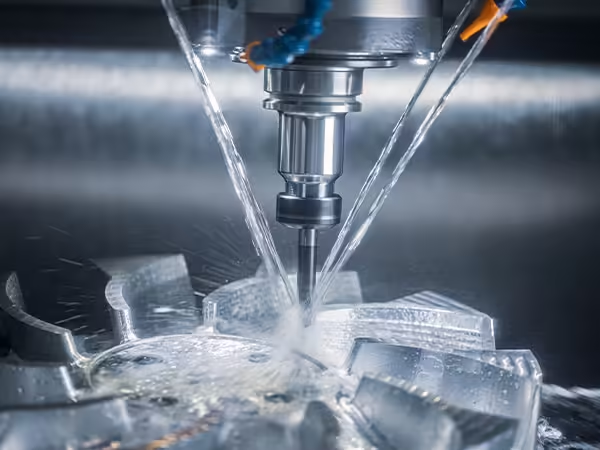
Application of Casting in Electronic Component Manufacturing
Typical Casting Products Include
Heat dissipation components (power module heat sinks, LED heat sinks, electronic chassis thermal pads).
Support and connector components (shielding shells, brackets, grounding frames, mounting bases).
Small precision components (socket bases, sensor module housings, etc.).
The Main Advantages of Casting Electronic Components
Excellent surface finish: suitable for subsequent electroplating, spray coating, and anodizing.
Excellent thermal conductivity: improves the heat dissipation efficiency of electronic systems.
Stable material properties: ensures long-term structural reliability.
Through precision casting and die-casting processes, we provide customers with high-precision, high-thermal-conductivity, and corrosion-resistant electronic structural component solutions.
Casting Materials and Process Characteristics
Main Materials:
Aluminum Alloy(ADC12、A356 )
Stainless Steel
Alloy Steel
Copper Alloy
Main Process Routes
3D printing: Suitable for prototyping new electronic products and producing small batches of custom parts.
Sand casting: Used for larger device housings or support components, offering flexible processing.
Die casting: Used for large-scale, assembly-line production of aluminum alloy housings and heat sinks, offering high efficiency and excellent dimensional consistency.
Post-Processing
Heat treatment enhances strength and stability.
Surface sandblasting, electroplating, and anodizing enhance corrosion resistance and a polished finish.
Success Stories
Communications equipment housings: Aluminum alloy die-cast structures offer lightweight, high strength, and electromagnetic interference resistance.
New energy vehicle control module housings: Investment casting technology achieves high sealing performance.
LED heat sink components: Optimized thermal conductivity structure improves system heat dissipation efficiency.
Industrial control unit brackets: Stainless steel castings are machined to ensure long-term stability.
These projects demonstrate our comprehensive capabilities in precision manufacturing, thermal design, surface treatment, and structural optimization.
Industry Standards and Quality Control
Implementation Standards:
ISO 9001, ISO 14001 Quality and Environmental Management Systems.
GB, ASTM, DIN, JIS, and other casting standards.
RoHS, REACH, and other environmental standards (applicable to exported electronic products).
Quality inspection process:
What We Offer
Investment Casting Service
Sand Casting Service
Our Casting Services – Fufilled Across Metal Grades
We Provide Comprehensive Manufacturing Solutions
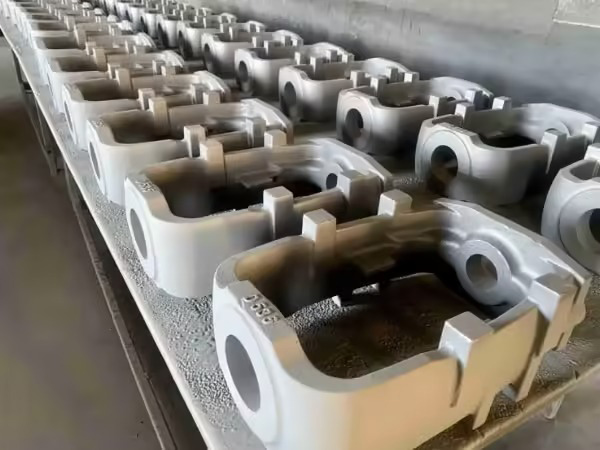
Investment Casting
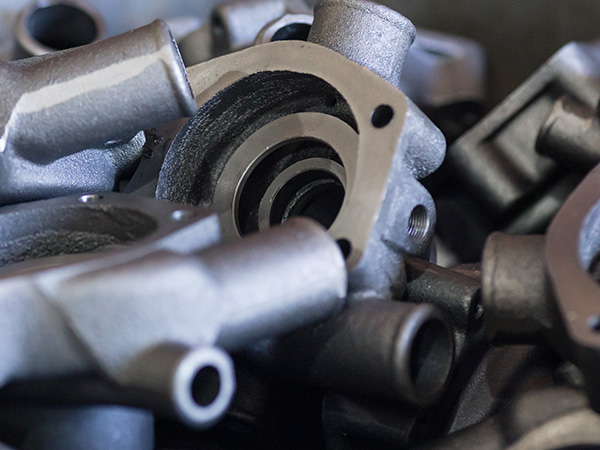
Sand Casting
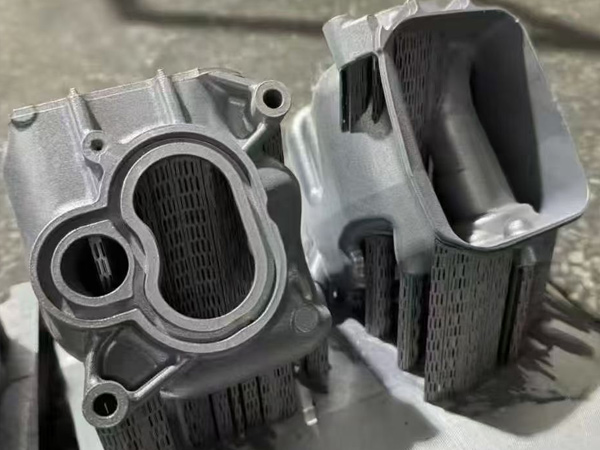
3D Printing
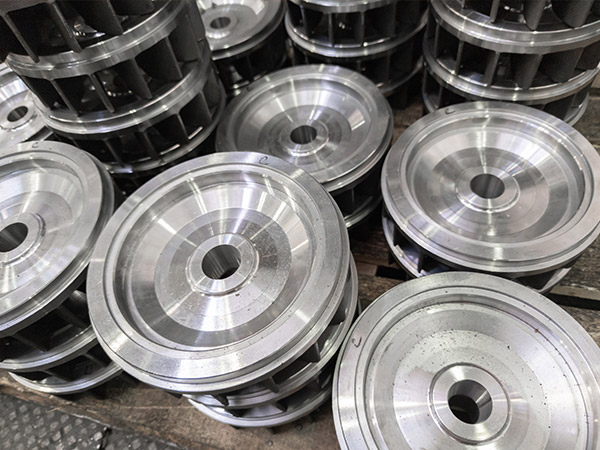
Stainless Steel Castings
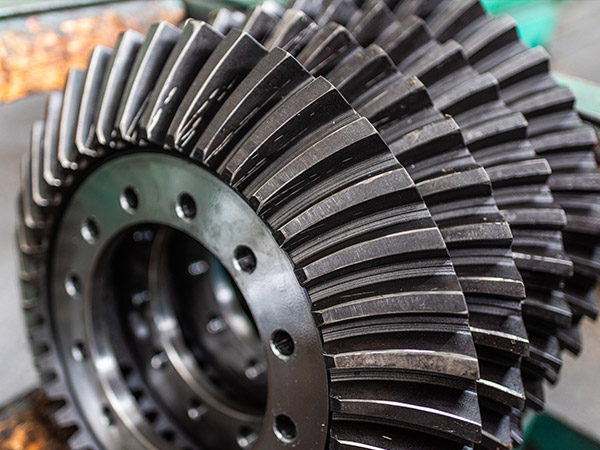
Carbon Steel Castings
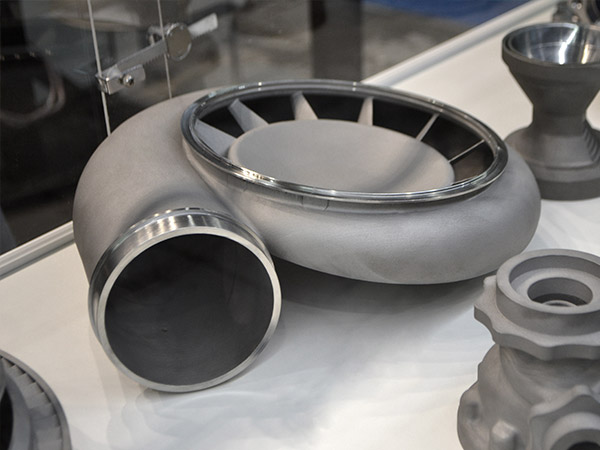
Alloy Steel Castings
Start Your Project with Leierwo
1. Submit Your Inquiry
2. Cost Calculation
3. Start Production
4. Arrange Delivery
FAQ
We are a factory with over 20 years of experience in casting and machining. We have rich expertise in this industry. If you come across suppliers claiming to produce castings in a wide range of materials (such as steel, iron, stainless steel, copper, etc.), they are likely trading companies. If you see workshops actively producing parts, you can be assured that we are a genuine manufacturer.
Yes, as long as we receive CAD files or compatible 3D models that can be viewed with software like First Quote or Firstcut browser, we can provide a quotation. Please note that 2D drawings alone are insufficient for manufacturing precision components.
We support 3D CAD models from SolidWorks (.sldprt), ProE (.prt), and other CAD systems, commonly in IGES (.igs), STEP (.stp), ACIS (.sat), or Parasolid (.sat) formats.
We have an internal service system that responds to emails within 4 hours. If your request is urgent, please specify it in your email so we can prioritize your inquiry.
For rapid prototyping:
Silica sol casting: 20–30 days
Sand casting: 7–10 days
For mass production with machining included, the typical lead time is 45–60 days.
More complex parts may require a different delivery schedule.
Yes, we provide samples based on your drawings for you to confirm structure and quality. If the sample does not meet your requirements, we will replace it free of charge until it is qualified.
We accept T/T (bank transfer), Alipay, credit card, etc. Typically, we require a 30% down payment upon order confirmation and the remaining 70% before shipment. For custom parts with complex requirements, additional pricing terms may apply.
We have a comprehensive quality control system that covers every step, from raw material procurement to machining processes and final inspection. For critical components, we strictly follow drawing standards and customer specifications.
All customer data is kept confidential. Only trained engineers are authorized to handle production orders. Third-party inspection or factory audits are welcome, or you may use our in-house quality team for final inspection.
Yes, we guarantee that all materials used are 100% genuine and as specified.
We value long-term cooperation and support our customers’ production needs.
We believe every honest customer is a friend, and we treat our partnerships sincerely—building friendships and strong teams regardless of where our customers come from.
 English
  Spanish
  Arabic
  Malay
Malay  German