
The Future of Ductile Iron in Industry
Welcome to My Blog!
I’m thrilled to have you here! Before we dive into the content, I’d love for you to join me on my social media platforms. It’s where I share extra insights, connect with our amazing community, and keep you updated on the latest news. Here’s how you can stay connected:
📘 Facebook: Shanghai Leierwo Industry Trade Co., Ltd.
Now, let’s embark on this journey together! I hope you find the content here not only insightful but also inspiring and valuable. Let’s get started!
Table of Contents
Introduction
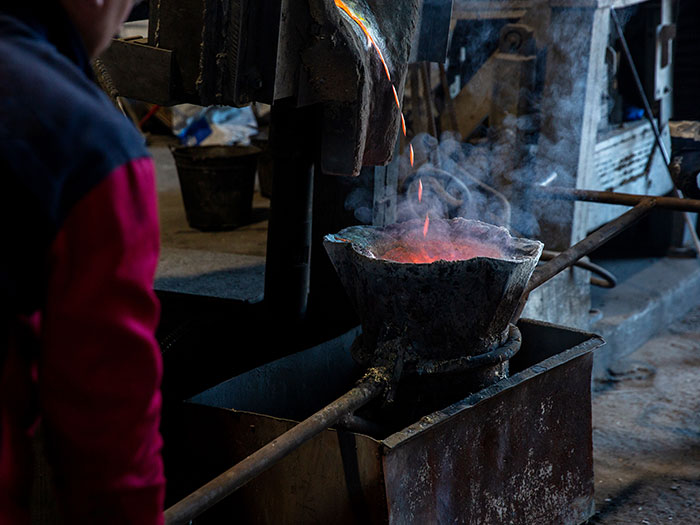
Ductile Iron has been a cornerstone material in various industrial sectors for decades. Known for its exceptional tensile strength, corrosion resistance, and ductility, it bridges the gap between traditional cast iron and steel, offering both durability and cost-effectiveness. As industries evolve and face new challenges such as sustainability, energy efficiency, and automation, understanding the future trajectory of Ductile Iron becomes increasingly important. This article explores the emerging trends, technological advancements, and regional applications shaping the future of Ductile Iron in industry.
Advantages of Ductile Iron in Modern Applications
Ductile Iron’s unique properties make it a material of choice for critical applications. Its combination of strength and flexibility allows it to withstand high-pressure systems, making it ideal for pipelines, automotive components, and heavy machinery. Moreover, Ductile Iron demonstrates excellent fatigue resistance, which is critical in industries where repeated stress is a factor. Compared to traditional cast iron, it offers better shock absorption, reducing maintenance costs and extending component life.
Mechanical Strength and Durability
The superior tensile strength of Ductile Iron ranges between 60,000 to 100,000 psi, depending on its grade and heat treatment. This makes it suitable for pressure-intensive systems like water and sewage pipelines, as well as hydraulic machinery. Its ductility, often over 18% elongation, ensures that it can absorb stress without cracking, a significant advantage over brittle cast iron in high-vibration environments.
Corrosion Resistance
Modern Ductile Iron products often feature surface treatments, including epoxy coatings, galvanization, or polymer linings, enhancing resistance to corrosion. This is particularly important in chemical processing plants, municipal water infrastructure, and offshore energy applications where exposure to corrosive elements is inevitable.
Cost-Effectiveness
Although steel can sometimes outperform Ductile Iron in tensile strength, the lower production and maintenance costs of Ductile Iron make it highly competitive. Its machinability allows for intricate designs at reduced manufacturing costs, and its durability reduces long-term replacement expenses.
Technological Advancements Driving Ductile Iron Innovation
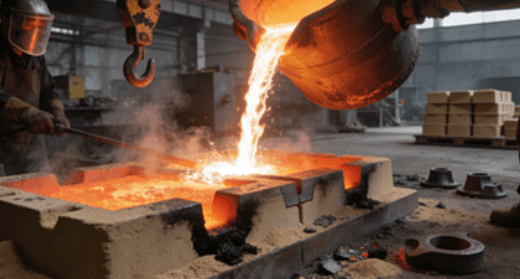
Innovation continues to shape the industrial future of Ductile Iron. New casting methods, alloy compositions, and heat treatment technologies are enhancing its properties, enabling broader applications.
Alloy Optimization
Researchers are experimenting with varying magnesium and silicon levels to improve tensile strength and corrosion resistance. These optimizations allow for lighter components without sacrificing structural integrity, making Ductile Iron a viable alternative to steel in certain automotive and aerospace applications.
Smart Coatings and Surface Treatments
Advanced coatings, such as nano-ceramic and fluoropolymer layers, extend component life and reduce maintenance frequency. These coatings improve resistance against abrasive slurries, chemical corrosion, and UV degradation, allowing Ductile Iron to compete with higher-cost materials in harsh environments.
Additive Manufacturing and Hybrid Designs
The integration of additive manufacturing techniques in mold creation enables more complex Ductile Iron components with precise tolerances. Hybrid designs combining Ductile Iron with polymer or composite materials are also emerging, providing high strength-to-weight ratios ideal for industrial machinery and automotive applications.
Ductile Iron in Different Industrial Sectors
Ductile Iron’s versatility allows it to serve multiple sectors, each with unique demands. Below is a comparative overview of applications across major industries.
| Industry Sector | Common Ductile Iron Applications | Key Benefits |
|---|---|---|
| Water & Sewage Infrastructure | Pipes, fittings, valves | Corrosion resistance, long lifespan |
| Automotive | Engine components, suspension parts | High tensile strength, shock absorption |
| Energy & Power | Turbine casings, pump housings | Heat and fatigue resistance |
| Mining & Heavy Machinery | Crushers, excavator components | Abrasion resistance, durability |
| Chemical Processing | Reactors, pipelines | Corrosion resistance, safety compliance |
This table demonstrates the adaptability of Ductile Iron to various industrial needs, highlighting its potential for both traditional and emerging applications.
Regional Trends
- North America: Focus on sustainable infrastructure using coated Ductile Iron pipelines for water and wastewater projects.
- Europe: High-tech automotive and energy sectors demand lightweight, high-strength Ductile Iron components with precision tolerances.
- Asia-Pacific: Rapid industrialization drives demand for cost-effective, durable materials in construction, automotive, and energy infrastructure.
Environmental and Sustainability Considerations
Sustainability is a growing priority in global industry. Ductile Iron is increasingly recognized for its recyclability, energy-efficient production methods, and long service life, which reduces waste. Modern foundries are adopting lower-carbon manufacturing processes and utilizing recycled scrap, minimizing environmental impact while maintaining high-quality standards.
Life Cycle Analysis
Studies indicate that Ductile Iron components can last 50+ years in pipeline applications with minimal maintenance. Coupled with the recyclability of scrap metal, Ductile Iron offers a significant reduction in lifecycle carbon emissions compared to steel or non-metallic alternatives.
Regulatory Compliance
Many countries have stringent standards for industrial materials in municipal, chemical, and automotive applications. Certified Ductile Iron components comply with ISO, ASTM, and EN standards, ensuring both safety and environmental accountability.
Challenges Facing Ductile Iron Industry
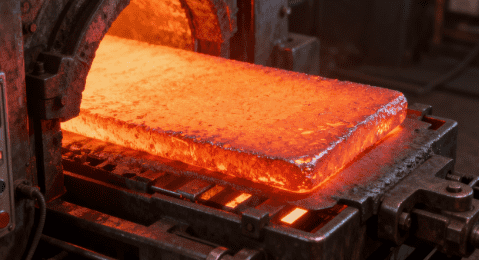
While promising, Ductile Iron faces several challenges. The global push for lightweight and high-performance materials sometimes favors composites or aluminum alloys over Ductile Iron. Additionally, specialized surface treatments and coatings may increase production costs. Nevertheless, continuous innovation in alloys, coatings, and manufacturing processes helps Ductile Iron remain competitive.
Conclusion
The future of Ductile Iron in industry is bright. Ongoing innovations in material science, manufacturing technology, and sustainable practices are expanding its applicability. By leveraging these advancements, industries can achieve durable, cost-effective, and environmentally responsible solutions across a wide range of applications. Engineers and decision-makers should remain informed about emerging trends to optimize material selection and performance.
FAQ
Q1: How long do Ductile Iron pipes typically last?
A1: With proper maintenance and protective coatings, Ductile Iron pipes can last 50 years or more, especially in municipal water systems.
Q2: Can Ductile Iron replace steel in high-stress applications?
A2: In many cases, yes. With optimized alloys and heat treatments, Ductile Iron can meet or exceed the performance of certain steel components while reducing cost.
Q3: Is Ductile Iron environmentally friendly?
A3: Yes. Ductile Iron is highly recyclable, has a long service life, and modern production methods reduce carbon emissions.
Q4: What industries are seeing the fastest growth in Ductile Iron use?
A4: Water infrastructure, automotive, energy, and chemical processing sectors are currently expanding the use of Ductile Iron due to its durability and cost-effectiveness.
Q5: Are there new technological trends in Ductile Iron manufacturing?
A5: Yes. Advancements include hybrid designs with composites, additive manufacturing for complex molds, and advanced coating systems for extended component life.
Product Categories
- Valve Parts
- Water Pump Parts
- Bearing Box Parts
- Die Casting Parts
- Stainless Steel Pump Products
- Cast Iron Pump Products
- Valve Parts For Automobile Use
- Auto Parts
- Valve Parts For Civil Use
- Vacuum Pump Parts KF

 English
  Spanish
  Arabic
  Malay
Malay  German