
Steel Casting Foundry Trends You Can’t Ignore
Welcome to My Blog!
I’m thrilled to have you here! Before we dive into the content, I’d love for you to join me on my social media platforms. It’s where I share extra insights, connect with our amazing community, and keep you updated on the latest news. Here’s how you can stay connected:
📘 Facebook: Shanghai Leierwo Industry Trade Co., Ltd.
Now, let’s embark on this journey together! I hope you find the content here not only insightful but also inspiring and valuable. Let’s get started!
Table of Contents
Key Takeaways of This Blog
- Discover the latest technological innovations in steel casting foundries
- Understand how automation, AI, and robotics are transforming foundry operations
- Compare traditional and modern steel casting foundry processes for efficiency, quality, and cost
- Explore sustainable practices and environmental compliance in modern foundries
- Learn about material innovations and alloying techniques improving performance
- Review real-world case studies, production metrics, and industry benchmarks
- FAQ section addressing common questions for engineers, buyers, and procurement specialists
Introduction
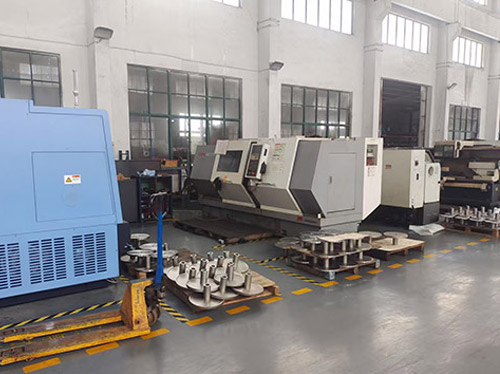
Steel casting foundries have always been the backbone of heavy industry, producing critical components for automotive, aerospace, energy, and industrial machinery. However, the landscape is shifting dramatically in 2026: digital transformation, sustainability pressures, and global competition are driving a new era of foundry operations.
Industry experts emphasize that staying competitive means adopting advanced technologies, optimizing materials, and implementing environmentally responsible processes. According to Dr. Li Wen, a senior metallurgist at the China Foundry Research Institute:
“Foundries that integrate digital monitoring, robotics, and alloy optimization achieve 20-30% higher yield and dramatically lower defect rates. Ignoring these trends risks losing ground to international competitors.”
This blog dives deep into the most important trends shaping modern steel casting foundries, providing actionable insights for plant managers, engineers, and industrial buyers.
Automation and Robotics in Steel Casting Foundry
The modern steel casting foundry is undergoing a transformation driven by automation, robotics, and digital technologies. These advancements not only improve efficiency and safety but also ensure consistent quality, reduce scrap rates, and optimize energy consumption. Understanding how these technologies integrate into traditional steel casting processes is key for manufacturers aiming to remain competitive in a global market.
Robotic Pouring Systems: Precision and Safety
Pouring molten steel is one of the most critical and hazardous operations in any steel casting foundry. Robotic pouring systems have dramatically improved both precision and workplace safety. These systems use programmable robotic arms to deliver molten steel into molds at controlled speeds and angles, significantly reducing turbulence and minimizing porosity in the final cast components.
According to a 2024 report by the World Foundry Organization, foundries implementing robotic pouring saw scrap metal reduction of up to 25%. Beyond efficiency, these systems greatly reduce the exposure of operators to molten steel, addressing one of the most dangerous aspects of steel casting. Robotic pouring also ensures that large batches maintain consistent quality, allowing for tighter adherence to dimensional and structural specifications.
Automated Core Handling and Mold Systems
Automation extends to core and mold handling. Conveyorized systems integrated with sensors manage molds, cores, and finishing stages to reduce manual labor.
- Efficiency Gains:
- Cycle time reduced by 15-25%
- Reduced dimensional deviations, improving compliance with ISO and ASTM standards
Expert Insight: Professor Zhang Wei from Tsinghua University’s Materials Department states:
“Automation and robotics in core handling not only improve efficiency but also allow for complex geometries that were previously impractical in traditional operations.”
Digital Foundry Technologies: From Sensors to AI
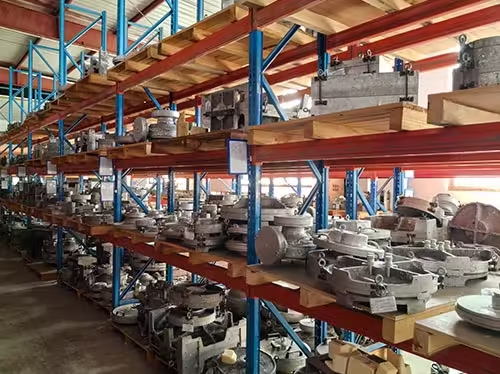
Real-Time Process Monitoring
Modern foundries use thermal, pressure, and humidity sensors embedded throughout the production line to track mold compaction, metal temperature, and cooling rates. Real-time adjustments help prevent common casting defects such as shrinkage, cracks, and cold shuts.
Predictive Maintenance and AI Analytics
AI-driven predictive maintenance identifies wear patterns in furnaces, cranes, and molding machines. According to a 2025 report by the World Foundry Organization:
“Foundries that adopted predictive analytics reduced unplanned downtime by up to 32%, saving millions in operational costs.”
Predictive algorithms also optimize energy consumption, monitor refractory wear, and forecast maintenance schedules, enhancing both cost-efficiency and safety.
Material and Alloy Innovations
Advanced Steel Alloys
Modern steel casting foundries utilize specialized alloys for improved strength, corrosion resistance, and fatigue life. Common alloying elements include chromium, molybdenum, nickel, and vanadium.
- Tensile Strength: High-performance cast steels now reach 550–650 MPa, with elongation rates up to 15%
- Fatigue Life: Optimized microstructure increases fatigue life by 20–30%, critical for automotive and energy components
Heat Treatment and Microstructure Control
Heat treatments such as annealing, quenching, and tempering refine the microstructure, reducing internal stresses and shrinkage defects. Modern inoculation techniques enhance graphite nodularity, which improves mechanical properties while reducing defect rates.
Industry Data: A study from the Shanghai Metallurgical Institute (2024) found that heat-treated castings had a 40% lower defect rate compared to untreated castings in automotive engine components.
Sustainability Trends in Steel Casting Foundry
Sand Reclamation
Reclaimed sand can replace up to 95% of virgin sand without compromising mold integrity. Advanced thermal reclaiming systems also reduce binder residues, lowering environmental impact.
- Benefit: Up to 30% reduction in raw material costs
Energy-Efficient Furnace Technologies
- Induction Furnaces: 10–20% lower energy consumption than traditional cupola furnaces
- Electric Arc Furnaces: Enable precise temperature control and reduced carbon footprint
Environmental Compliance
Compliance with ISO 14001 and local environmental regulations ensures sustainable operations, mitigates pollution, and helps avoid regulatory fines. Modern foundries implement emission filters, heat recovery systems, and water recycling units to align with environmental standards.
Quality Assurance and Inspection
Non-Destructive Testing (NDT)
NDT technologies like X-ray, ultrasonic testing, and 3D scanning detect internal flaws, ensuring dimensional accuracy and structural integrity.
Mechanical Testing
- Tensile Test: Confirms ultimate strength and elongation
- Hardness Test: Evaluates wear resistance
- Fatigue Test: Assesses life under cyclic loads
Compliance and Standards
- ASTM A216 / A27 / A148 for steel castings
- ISO 8062 for dimensional tolerances
- ISO 9001 for quality management systems
Production Efficiency: Lean Principles in Steel Casting Foundry
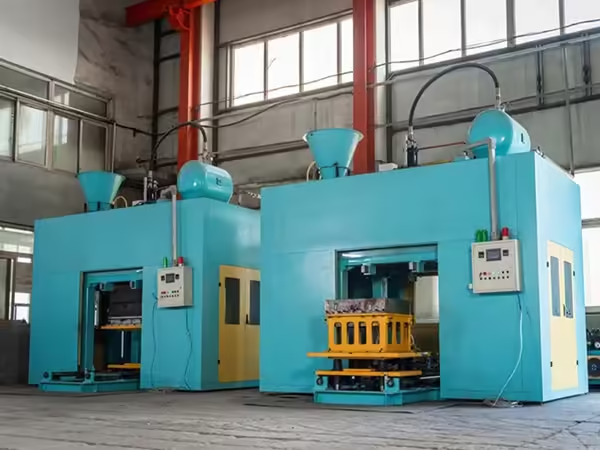
Workflow Optimization
- Digital workflow management and ERP systems reduce bottlenecks
- Automated scheduling ensures optimal furnace and labor utilization
Cost Savings from Automation
- Reduced labor dependency by 30–40%
- Scrap reduction of 15–25% due to precise pouring and core handling
Material and Energy Management
- Predictive energy consumption models optimize furnace use
- Sand reclamation reduces material expenditure while lowering environmental impact
Comparative Analysis: Traditional vs Modern Steel Casting Foundries
| Feature | Traditional Foundry | Modern Steel Casting Foundry |
|---|---|---|
| Automation Level | Low | High |
| Defect Detection | Manual Inspection | Real-time Sensors & AI |
| Energy Efficiency | Medium | High |
| Material Waste | Moderate | Low (Sand Reclamation) |
| Cycle Time | Long | Short |
| Production Flexibility | Medium | High |
| Environmental Compliance | Limited | Extensive |
Conclusion: Modern foundries integrate technology, sustainability, and alloy innovations to outperform traditional methods in efficiency, quality, and cost-effectiveness.
Case Studies
Automotive Engine Castings
- Implementation of fully automated pouring and robotic core handling
- Scrap reduction: 18%
- Labor cost savings: 28%
- Dimensional consistency: ±5%
Industrial Pumps
- AI furnace control and predictive maintenance
- Uptime improvement: 85% → 95%
- Energy consumption reduction: 15%
Table of Key Equipment Efficiency
| Equipment | Automation Level | Key Benefit | Cycle Time |
|---|---|---|---|
| Robotic Pouring System | Fully Automatic | Accurate metal flow, safety | 1–2 min/mold |
| Core Shooter | Semi-Automatic | Precise internal cavities | 2–5 min/core |
| Induction Furnace | Fully Automatic | Energy-efficient melting | 30–90 min |
| Sand Reclaimer | Semi-Automatic | Cost-effective, sustainable | Continuous |
| 3D Scanning & Inspection | Fully Automatic | Quality control, dimensional accuracy | 1–2 min/part |
Emerging Trends: The Next 5 Years
Additive Manufacturing Integration
3D-printed sand molds enable intricate internal geometries and reduce design limitations of traditional patterns.
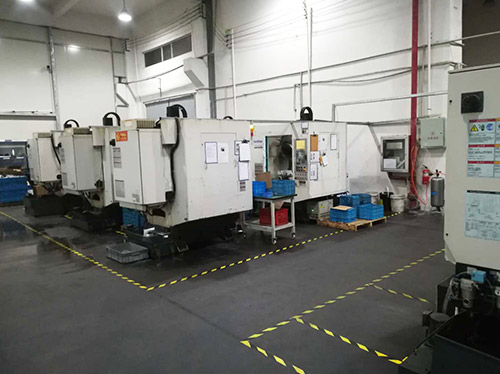
Hybrid CNC and Casting Methods
Combining CNC machining with steel casting improves dimensional accuracy for critical components, such as turbine blades or aerospace parts.
Digital Twin Simulation
Digital twin technology allows foundries to simulate thermal, fluid, and structural behavior before physical production, reducing trial-and-error iterations.
Conclusion
The steel casting foundry industry is transforming with automation, digitalization, sustainability, and material innovation. Foundries adopting these trends will:
- Reduce costs and waste
- Improve quality and yield
- Enhance environmental compliance
- Increase competitiveness in global markets
As Dr. Li Wen summarizes:
“The steel casting foundry of the future is smart, sustainable, and highly automated. Those who adapt today will lead the industry tomorrow.”
By embracing these trends, professionals and companies can produce high-quality steel casting products while meeting growing industrial and environmental demands.
FAQ
What is a steel casting foundry?
A steel casting foundry melts steel and pours it into molds to produce industrial components. Modern foundries use robotics and AI for precision and efficiency.
How do foundry trends improve quality?
Automation, sensors, predictive maintenance, and alloy optimization reduce defects, improve dimensional accuracy, and enhance mechanical properties.
Are steel casting foundries environmentally sustainable?
Yes, with sand reclamation, energy-efficient furnaces, emission controls, and recycling practices, modern foundries reduce waste and carbon footprint.
Can steel casting compete with CNC machining?
For large, complex, or high-volume parts, steel casting is cost-effective while providing adequate precision. CNC machining is often used for finishing or critical tolerance areas.
Which industries benefit most from steel casting?
Automotive, aerospace, energy, industrial machinery, and marine industries rely heavily on steel casting for durable and complex components.
Product Categories
- Valve Parts
- Water Pump Parts
- Bearing Box Parts
- Die Casting Parts
- Stainless Steel Pump Products
- Cast Iron Pump Products
- Valve Parts For Automobile Use
- Auto Parts
- Valve Parts For Civil Use
- Vacuum Pump Parts KF

 English
  Spanish
  Arabic
  Malay
Malay  German