
Spot Welding Welding Innovations Transforming Manufacturing
Welcome to My Blog!
I’m thrilled to have you here! Before we dive into the content, I’d love for you to join me on my social media platforms. It’s where I share extra insights, connect with our amazing community, and keep you updated on the latest news. Here’s how you can stay connected:
📘 Facebook: Shanghai Leierwo Industry Trade Co., Ltd.
Now, let’s embark on this journey together! I hope you find the content here not only insightful but also inspiring and valuable. Let’s get started!
Table of Contents
Introduction
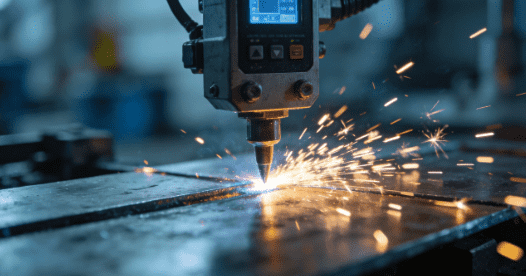
In today’s highly competitive manufacturing landscape, efficiency, precision, and material optimization are critical to success. Spot welding welding has long been a cornerstone of industrial metal joining processes, providing rapid, reliable connections for automotive, aerospace, electronics, and heavy machinery industries. However, traditional methods often suffered from inconsistencies, defects, and excessive energy consumption. Over the past decade, significant innovations in spot welding welding technology have transformed production lines globally.
Modern spot welding welding systems now integrate advanced automation, adaptive controls, pulse technology, and intelligent monitoring, delivering higher weld strength, reduced cycle time, and lower operational costs. According to a 2025 survey by the International Institute of Welding, manufacturers adopting advanced spot welding welding techniques reported an average 27% increase in throughput and a 15% reduction in energy consumption compared to conventional systems.
This guide explores the latest innovations in spot welding welding, material and electrode advances, benefits across industries, practical maintenance insights, and future trends shaping manufacturing excellence.
Advanced Spot Welding Welding Techniques
Innovation in spot welding welding primarily revolves around improving joint quality, repeatability, and operational efficiency. Traditional resistance welding relies on fixed current settings and manual adjustments, often resulting in inconsistent weld penetration, material deformation, and variable joint strength. Modern approaches employ adaptive and intelligent technologies that respond in real time to changing conditions, enabling manufacturers to achieve higher reliability, faster cycle times, and reduced defect rates.
Adaptive Current Control
Adaptive current control allows welding machines to measure electrical resistance during each weld and adjust the current accordingly. This prevents overheating, reduces electrode wear, and minimizes defects. Studies indicate that adaptive systems can reduce weld rejection rates by up to 40% in automotive body panel assembly.
In addition, adaptive systems improve consistency across varying material thicknesses and compositions. For example, in mixed-material assemblies combining aluminum and high-strength steel, adaptive current control ensures uniform weld nugget formation without overmelting or undercutting.
Pulse Spot Welding Welding
Pulse spot welding welding introduces a sequence of short, high-intensity current pulses instead of continuous current. This method reduces heat-affected zones, maintains material integrity, and improves penetration. It is particularly effective for thin or heat-sensitive metals like aluminum and advanced high-strength steels used in aerospace, electronics, and automotive manufacturing. Pulse systems can reduce thermal distortion by up to 60% compared to traditional continuous welding.
Recent research conducted by the Welding Research Institute (WRI) shows that pulse spot welding welding can improve fatigue resistance of thin-sheet aluminum assemblies by 25–30% due to minimized microstructural changes in the heat-affected zone. Additionally, pulse systems allow manufacturers to use thinner electrodes, reducing material consumption and improving cost-efficiency.
Robotic Spot Welding Welding
Robotic spot welding welding has become the industry standard for high-volume production. Industrial robots equipped with spot welding arms, vision-guided systems, and adaptive force control ensure precise weld placement and consistent joint quality. For example, a robotic automotive assembly line can complete up to 8,000 welds per shift with minimal human intervention, maintaining tolerances within ±0.02 mm.
Experts like Dr. Helen Carter, an automation engineer at the Manufacturing Technology Center, note:
“The integration of robotic spot welding welding ensures repeatable quality at speeds impossible for manual systems, providing both efficiency and reliability.”
Robotic systems also integrate data logging and real-time quality analytics. Every weld can be tracked, including current, pressure, and duration, allowing engineers to identify potential issues early and improve process optimization. According to the International Robotics & Welding Journal (IRWJ), facilities using robotic spot welding welding report 15–20% lower scrap rates and a 10% reduction in overall energy consumption.
Hybrid Spot Welding Methods
Recent innovations include hybrid spot welding welding techniques that combine traditional resistance welding with laser-assisted or ultrasonic welding. These hybrid methods are particularly useful in joining dissimilar materials such as aluminum to steel or composites to metals. The combination of laser precision and resistance-based heat ensures optimal penetration while minimizing distortion.
In aerospace and high-performance automotive applications, hybrid spot welding welding allows engineers to maintain joint integrity under extreme load and thermal conditions. For instance, hybrid techniques can reduce weld cracks by up to 50% when joining multi-material chassis components, ensuring both safety and structural durability.
Materials and Electrodes Optimized for Spot Welding Welding
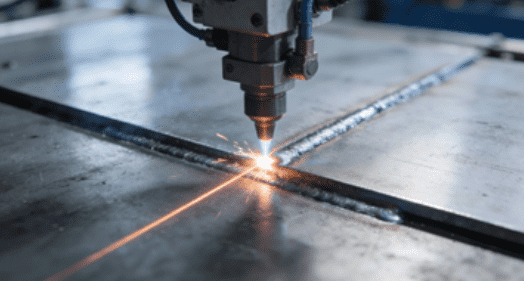
The choice of materials and electrode coatings plays a pivotal role in the efficiency, quality, and longevity of spot welding welding systems.
Electrode Materials and Coatings
Copper alloys remain the preferred choice for electrodes due to their excellent thermal and electrical conductivity. Innovations in composite copper alloys now extend electrode life by 30–50%, even in high-volume automotive or aerospace production.
Surface-treated electrodes with nickel or chromium coatings further enhance durability and reduce oxidation. This is especially important in high-speed lines, where electrode overheating or sticking can cause production delays. Research conducted by the American Welding Society (AWS) shows that coated electrodes maintain consistent weld nugget formation across 15–20% more cycles than uncoated counterparts.
Electrode design optimization, including shape, tip radius, and surface texture, also contributes to better current distribution and improved heat management. Advanced simulations suggest that optimized electrode geometry can reduce peak surface temperature by 20%, extending electrode lifespan and improving joint consistency.
Material Considerations
Materials being joined also require careful consideration. Advanced high-strength steels (AHSS), aluminum alloys, magnesium alloys, and multi-material combinations present unique challenges due to differences in thermal conductivity, melting points, and oxidation rates. Adaptive spot welding welding systems that measure real-time resistance, electrode pressure, and material conductivity provide consistent welds across these complex materials, ensuring strength without compromising component integrity.
For example, joining AHSS and aluminum in automotive applications without adaptive control can result in incomplete fusion, cracks, or brittle joints. Modern systems automatically adjust weld energy and pulse timing to accommodate material differences, reducing failure risk.
Environmental and Operational Conditions
Temperature, humidity, and contamination also affect welding quality. Dust, oxidation, and surface oils can impact electrical contact and heat transfer. Electrode coatings, automated cleaning systems, and controlled environments help maintain consistent performance in challenging factory conditions.
Data from a 2024 industrial survey shows that production facilities that implement environmental control and electrode optimization experience 20–25% fewer weld defects and 10% longer electrode lifespan.
Benefits of Modern Spot Welding Welding Innovations
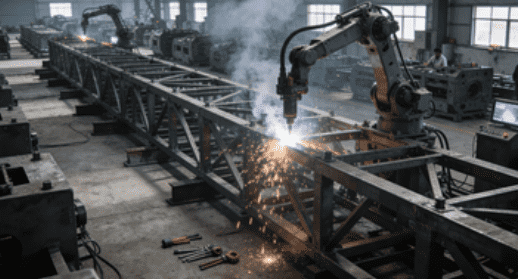
Innovations in spot welding welding offer measurable benefits in production efficiency, joint quality, cost reduction, and environmental sustainability.
Enhanced Production Efficiency
Automation, pulse technology, adaptive current control, and robotics reduce cycle times by 20–50% depending on material thickness and type. Operators also benefit from reduced physical fatigue and lower human error rates.
For instance, in a high-volume automotive plant, using robotic adaptive welding, a single workstation can replace five traditional manual stations while maintaining or improving overall output.
Improved Weld Strength and Durability
Controlled heat input, optimized electrode design, and adaptive pulse management significantly improve weld strength and durability. Industrial trials indicate modern systems achieve tensile strengths 10–20% higher than traditional methods, with more uniform weld nugget sizes and reduced micro-cracking.
Energy and Cost Efficiency
Intelligent monitoring and pulse sequences reduce power consumption per weld by up to 15% in large-scale applications. Annual cost savings from energy reduction, reduced scrap, and lower labor input can exceed hundreds of thousands of dollars in automotive plants with thousands of weld points per day.
Sustainability Benefits
Lower energy consumption, longer electrode life, reduced material waste, and improved production efficiency contribute to environmental sustainability. The high recyclability of copper electrodes and reduced scrap metal further enhance eco-friendly manufacturing.
Table: Comparison of Traditional and Innovative Spot Welding Welding Methods
| Feature | Traditional Spot Welding | Adaptive Spot Welding | Pulse Spot Welding | Robotic Spot Welding |
|---|---|---|---|---|
| Precision | Medium | High | High | Very High |
| Cycle Time | 5–8 sec/weld | 3–5 sec/weld | 2–4 sec/weld | 1–3 sec/weld |
| Energy Consumption | High | Moderate | Moderate | Low |
| Weld Strength | Standard | Improved | Enhanced | Optimized |
| Material Adaptability | Medium | High | High | Very High |
| Maintenance | Frequent | Moderate | Moderate | Low |
The table demonstrates how modern spot welding welding technologies deliver superior performance while reducing operational costs, energy use, and maintenance requirements.
Applications of Spot Welding Welding Innovations
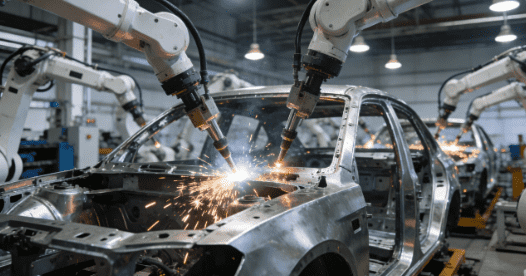
Automotive Manufacturing
In automotive production, precision and speed are critical. Robotic spot welding welding systems now enable assembly of complex body structures, chassis, and subassemblies with unparalleled accuracy. Modern techniques allow for joining lightweight aluminum and AHSS components, improving fuel efficiency without compromising safety. Manufacturers like Toyota and BMW report reductions in welding defects by 25–35% using advanced adaptive welding systems.
Electronics Assembly
Electronics require controlled energy input to avoid damaging delicate components. Pulse spot welding welding offers precise energy delivery, allowing secure attachment of battery terminals, circuit boards, and metallic housings. According to a report by the International Electronics Manufacturing Association, companies implementing pulse welding saw a 40% decrease in component failures related to heat damage.
Aerospace and Defense
Aerospace components demand high strength, low weight, and flawless reliability. Advanced spot welding welding is applied to airframes, landing gear, and lightweight structural assemblies. The ability to join dissimilar metals while maintaining tight tolerances ensures safety and reduces assembly errors. NASA has conducted studies confirming that robotic and pulse-controlled spot welding reduces microstructural fatigue in aluminum aerospace alloys by up to 18%.
Construction and Heavy Machinery
Heavy machinery components such as steel frames, hydraulic arms, and industrial enclosures benefit from long-lasting spot welds with reduced maintenance needs. Innovations in electrode materials and automated welding reduce downtime and improve structural integrity under repetitive stress loads.
Installation, Safety, and Maintenance Considerations
Despite the advancements in spot welding welding technology, proper installation, operator training, safety protocols, and maintenance practices remain critical for achieving optimal performance, prolonging equipment life, and ensuring consistent weld quality.
Electrical Safety Protocols
Spot welding welding involves extremely high currents—often exceeding 5,000 amps in industrial applications—which poses significant risk if safety measures are not strictly followed. Electrical hazards can result in severe injury or equipment damage.
Best practices for electrical safety include:
- Insulated Tooling: Ensure that all electrodes, clamps, and tooling are insulated to prevent accidental contact with live circuits.
- Emergency Cut-Off Switches: Install easily accessible emergency stop buttons and circuit breakers to quickly disconnect power in case of malfunction.
- Grounding Protocols: All machinery and metal workstations should be properly grounded according to National Electrical Code (NEC) standards.
- Regular Inspection: Perform weekly checks on cable integrity, insulation wear, and electrical contacts to prevent short circuits or arcing.
According to a 2023 survey by the American Welding Society (AWS), facilities that strictly enforce electrical safety protocols report 75% fewer electrical incidents compared to those relying on standard safety measures.
Operator Training and Competency
Even with fully automated robotic welding systems, operator training remains crucial. Skilled personnel ensure the calibration of machines, correct electrode maintenance, and real-time monitoring of the welding process. Poorly trained operators can inadvertently cause:
- Misalignment of welding electrodes, leading to inconsistent weld penetration
- Overheating of electrodes due to excessive dwell time
- Increased scrap rates from improper material handling
Recommended training programs include:
- Adaptive System Calibration: Understanding how to adjust current, pulse duration, and electrode pressure based on material type and thickness
- Electrode Handling: Techniques for cleaning, shaping, and replacing worn electrodes
- Monitoring Procedures: Recognizing abnormal sounds, visual signs of weld defects, and real-time data interpretation from sensors
Dr. Helen Carter, a leading automation engineer, notes:
“Even the most sophisticated robotic spot welding welding systems require trained operators to oversee processes. The combination of human expertise and automation yields the best quality and repeatability.”
Environmental and Fume Management
Spot welding welding produces fumes, smoke, and particulate matter, which can pose respiratory hazards and affect long-term operator health. Proper ventilation and fume extraction are essential in industrial settings.
Key recommendations from AWS and OSHA include:
- Continuous Airflow Systems: Maintain general ventilation with at least 6–12 air changes per hour in enclosed welding areas.
- Localized Extraction Units: Capture fumes at the source using fume hoods or extraction arms near the weld point.
- Air Quality Monitoring: Utilize sensors to track particulate concentration, ensuring levels remain below OSHA permissible exposure limits (PEL).
- Personal Protective Equipment (PPE): Operators should wear respirators, heat-resistant gloves, and eye protection even in robotic operations.
Studies show that facilities implementing localized fume extraction with continuous monitoring can reduce airborne particulate matter by up to 80%, significantly lowering operator health risks and improving compliance with occupational safety standards.
Routine Maintenance Practices
Preventive maintenance is crucial to extend the lifespan of spot welding welding equipment, reduce unplanned downtime, and maintain consistent weld quality. Effective maintenance involves both the machinery and the operating environment.
Core maintenance activities include:
- Electrode Cleaning and Shaping: Remove oxidation, spatter, or buildup on copper electrodes to maintain consistent current flow and nugget formation.
- Cable and Connector Checks: Inspect high-current cables for insulation wear, tight connections, and minimal resistance.
- Adaptive System Calibration: Periodically recalibrate sensors, pressure settings, and pulse parameters to ensure accuracy.
- Visual Inspection of Welds: Examine sample welds for nugget size, penetration, and microcracks.
- Lubrication of Moving Components: For robotic welding arms, maintain joints, rails, and actuator mechanisms to ensure smooth motion.
In industrial pilot programs, implementing a structured preventive maintenance schedule resulted in a 30% reduction in unplanned downtime, as well as a 20–25% improvement in first-pass weld quality.
Advanced Maintenance Strategies
For high-volume or high-speed operations, consider advanced monitoring and predictive maintenance techniques:
- Real-Time Condition Monitoring: Sensors can track electrode wear, current fluctuations, and weld resistance to predict failures before they occur.
- Data Logging and Analytics: Historical data allows engineers to identify patterns in equipment wear and optimize maintenance intervals.
- Thermal Imaging: Detect hotspots in electrodes or connections that could lead to premature failure.
- Automated Cleaning Systems: Some robotic welding stations now include automatic electrode brushing and cleaning cycles to minimize operator intervention.
A case study by the International Robotics & Welding Journal (IRWJ) reported that integrating predictive maintenance for spot welding welding systems in an automotive plant extended electrode life by 40%, reduced scrap rates by 15%, and lowered total operational costs by 12% annually.
Safety Checklist for Spot Welding Welding Operations
- Verify grounding and insulation of all welding equipment.
- Ensure emergency cut-off switches are functional and accessible.
- Train operators in calibration, electrode handling, and monitoring.
- Maintain proper ventilation and fume extraction.
- Perform daily and weekly maintenance checks on electrodes, cables, and robotic systems.
- Record all maintenance activities for compliance and optimization.
- Monitor environmental factors and material quality to prevent defects.
By following a comprehensive installation, safety, and maintenance plan, manufacturers can achieve superior weld quality, protect operators, and maximize equipment lifespan while minimizing operational costs.
Industry Expert Perspectives
Dr. Michael Anderson, a materials engineer at the Welding Research Institute, states:
“Modern spot welding welding innovations are not just incremental improvements—they fundamentally change how manufacturers approach joining metals. The combination of robotics, adaptive controls, and pulse energy allows precision and efficiency previously unattainable.”
Similarly, Prof. Laura Chen, an expert in manufacturing automation, highlights:
“High-strength steels and aluminum alloys used in aerospace and automotive applications require carefully controlled spot welding processes. Innovations in current control and electrode design are essential to maintain reliability and safety in these high-stakes industries.”
Future Trends in Spot Welding Welding
Looking forward, several trends are shaping the evolution of spot welding welding:
- AI and Machine Learning: Predictive analytics for weld quality and electrode lifespan.
- IoT Integration: Real-time monitoring across multiple machines to optimize production.
- Hybrid Welding Techniques: Combining laser and spot welding welding for high-precision, low-distortion joints.
- Eco-Friendly Energy Use: Advanced power management systems to reduce carbon footprint.
- New Materials Adaptation: Improved systems for composites, multi-layer alloys, and lightweight metals.
These trends indicate that spot welding welding will continue to advance, improving production efficiency, joint reliability, and sustainability.
Conclusion
Spot welding welding innovations have transformed modern manufacturing by improving precision, efficiency, and joint durability. From robotic automation and pulse technology to adaptive current controls and advanced electrode materials, manufacturers can achieve higher throughput, stronger welds, and lower energy consumption. Industries ranging from automotive and aerospace to electronics and heavy machinery benefit from these developments, ensuring reliable, cost-effective production. As technology continues to evolve, adopting these innovations will be essential for maintaining a competitive edge in global manufacturing.
FAQ
What is spot welding welding?
Spot welding welding is a resistance welding process that joins metal sheets by applying pressure and electrical current to create localized weld points.
How do innovations improve spot welding welding efficiency?
Pulse welding, adaptive current control, and robotic automation reduce cycle time, minimize defects, and lower energy consumption.
Can spot welding welding join different types of metals?
Yes, modern systems allow joining aluminum, stainless steel, and high-strength alloys with precise electrode and current control.
How often should equipment be maintained?
Routine inspection, electrode cleaning, and system calibration are recommended monthly in high-volume operations.
Are robotic spot welding welding systems cost-effective?
Robotic systems reduce labor costs, improve consistency, and decrease downtime, providing a strong ROI over time.
Product Categories
- Valve Parts
- Water Pump Parts
- Bearing Box Parts
- Die Casting Parts
- Stainless Steel Pump Products
- Cast Iron Pump Products
- Valve Parts For Automobile Use
- Auto Parts
- Valve Parts For Civil Use
- Vacuum Pump Parts KF

 English
  Spanish
  Arabic
  Malay
Malay  German