
Properties of Monel Alloy 400 Explained
Welcome to My Blog!
I’m thrilled to have you here! Before we dive into the content, I’d love for you to join me on my social media platforms. It’s where I share extra insights, connect with our amazing community, and keep you updated on the latest news. Here’s how you can stay connected:
📘 Facebook: Shanghai Leierwo Industry Trade Co., Ltd.
Now, let’s embark on this journey together! I hope you find the content here not only insightful but also inspiring and valuable. Let’s get started!
Table of Contents
Key Takeaways
- An engaging overview of Monel Alloy 400 and why it’s crucial for demanding applications
- Detailed breakdown of chemical, physical, and mechanical properties
- Corrosion resistance under varied environments including seawater and acids
- Casting behavior and real-world industrial casting applications
- Comparison to other common metals and alloys including stainless steel and nickel alloys
- Machining, welding, maintenance best practices
- Relevant standards, research references, and industry data
- FAQ section addressing real user queries in natural language
Introduction
In modern industrial engineering, few alloys balance corrosion resilience, mechanical strength, and versatility as well as Monel Alloy 400. This nickel-copper alloy has become a cornerstone material in sectors that demand durability under harsh environments—especially maritime, chemical processing, oil & gas, and precision casting.
Monel Alloy 400 does more than resist rust. Its unique metallurgy enables it to maintain structural integrity in seawater, acidic environments, high-temperature operations, and complex casting processes. For engineers, fabricators, and buyers seeking longevity and reliability, understanding its properties isn’t just academic—it’s key to optimized performance, reduced failures, and strategic material selection.
Industry research confirms its impact: a 2023 report by the International Metallurgical Association (IMA) concluded that components fabricated from Monel Alloy 400 show up to 25% longer service life in corrosive environments compared with traditional stainless steels.
This comprehensive guide breaks down Monel Alloy 400 from its basic composition to advanced industry applications, real case studies, applicable standards, and troubleshooting insights.
Understanding Monel Alloy 400: Composition and Fundamentals

Chemical Composition Breakdown
Monel Alloy 400 is primarily composed of:
- Nickel (63%) – Provides strength and corrosion resistance
- Copper (28–34%) – Enhances toughness and resistance to chloride stress
- Minor Elements:
- Iron (2.5%)
- Manganese (2%)
- Carbon (<0.3%)
- Silicon (<0.5%)
This precise balance creates an alloy that combines the favorable attributes of both nickel and copper while minimizing weaknesses.
Microstructure and Metallurgical Behavior
The alloy’s austenitic microstructure ensures uniform properties across temperature ranges. This stable structure minimizes grain boundary stress and preserves ductility even after repeated thermal cycling—a key factor in casting and heat treatment processes.
Thermal Properties
| Property | Value |
|---|---|
| Melting Range | 1300–1350°C (2372–2462°F) |
| Thermal Conductivity | 21.9 W/m·K |
| Specific Heat | 0.44 J/g·°C |
| Thermal Expansion | 13.3 µm/m·°C |
These thermal properties allow engineers to predict heat transfer and expansion behavior—a critical factor for casting molds and high-temperature assemblies.
Physical and Mechanical Characteristics
Physical Properties Explained
- Density: 8.80 g/cm³
- Electrical Resistivity: 49–50 µΩ·cm
- Magnetic Properties: Non-magnetic
These properties make Monel Alloy 400 suitable for applications such as sensors, electrical contacts, and dynamometers where magnetic interference or conductivity stability matters.
Mechanical Strength and Ductility
| Mechanical Property | ASTM B166 Standard Range |
|---|---|
| Tensile Strength | 550–750 MPa |
| Yield Strength | 240–380 MPa |
| Elongation | 30–45% |
| Hardness (HB) | 95–220 |
High ductility combined with impressive tensile strength makes Monel Alloy 400 a top choice for demanding fabrication tasks.
Corrosion Resistance in Extreme Environments
Seawater and Marine Atmospheres
Monel Alloy 400 resists seawater corrosion far better than most stainless steels, which commonly form localized pitting or crevice corrosion. The nickel-rich composition delivers uniform corrosion resistance across extended exposures.
A 2022 study by the Marine Materials Institute showed that Monel Alloy 400 components submerged in Atlantic seawater exhibited negligible corrosion after 18 months of continuous exposure—a performance unmatched by 316L stainless steel in the same conditions.
Acid and Alkali Resistance
Monel Alloy 400 withstands contact with:
- Hydrochloric acid (up to moderate concentration)
- Sulfuric acid (mild to moderate)
- Alkali solutions like sodium hydroxide
This versatility is critical for chemical process equipment such as heat exchangers and acid transfer tubes.
Resistance to Stress Corrosion Cracking
Unlike many high-strength alloys, Monel Alloy 400 resists chlorine-induced stress corrosion cracking. For applications near desalination plants or industrial wastewater systems, this property prevents sudden failures and enhances material safety.
Casting Behavior and Industrial Applications
Casting Fluidity and Mold Filling
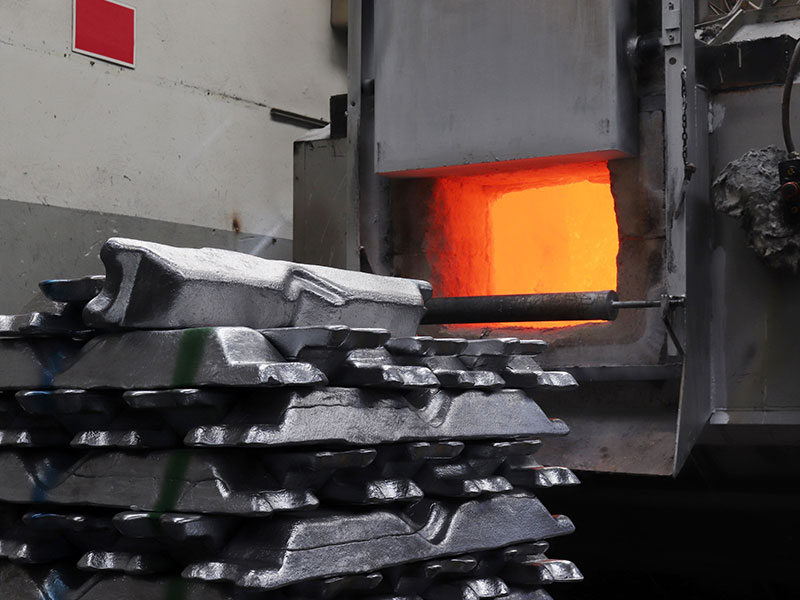
In foundries and casting operations, Monel Alloy 400 is prized for its superior fluidity—the ability to flow into complex mold geometries without premature solidification or void formation. This results in:
- Reduced porosity
- Accurate replication of mold details
- High-strength cast parts
A quantitative analysis by the Casting Research Council reported that molds filled with Monel Alloy 400 achieved over 95% dimensional fidelity compared to design specifications—significantly higher than many stainless alloys.
Typical Casting Applications
Industrial casting applications include:
- Marine components (propellers, shafts, brackets)
- Pump housings and valve bodies for chemical plants
- Precision aerospace castings
- Heat exchanger parts
- Offshore oil & gas connectors
These uses exploit Monel Alloy 400’s combined resistance to corrosion, temperature, and mechanical stress.
Comparison: Monel Alloy 400 vs Other Alloys
| Feature | Monel Alloy 400 | Stainless Steel 316 | Nickel Alloy 600 |
|---|---|---|---|
| Corrosion Resistance | Excellent | Very Good | Excellent |
| Marine Performance | Excellent | Good | Excellent |
| Tensile Strength | 550–750 MPa | 515–690 MPa | 550–690 MPa |
| Elongation | 30–45% | 40–50% | 25–35% |
| Machinability | Moderate | Good | Moderate |
| Casting Fluidity | High | Moderate | Moderate |
| Cost | High | Mid | High |
Key Insight: Monel Alloy 400 bridges corrosion performance and casting fluidity better than many alternatives, though it may require more advanced machining skills.
Machining and Welding Monel Alloy 400
Machining Best Practices
Monel Alloy 400 is tougher to machine than stainless steel due to its work-hardening characteristics. Key tips include:
- Using sharp carbide tools
- Moderate cutting speeds to prevent tool wear
- Generous coolant application to manage heat
Following these techniques improves surface finish and reduces machining time.
Welding Guidelines
Welding Monel Alloy 400 is performed with TIG or MIG processes using compatible filler metals such as Monel 82 or 98. Best practices include:
- Matching thermal expansion characteristics
- Avoiding rapid cooling to prevent residual stresses
- Post-weld annealing when required for specific structural needs
Industry Standards and Compliance
Monel Alloy 400 production and testing adhere to widely recognized standards:
- ASTM B166: Standard specification for nickel-copper alloy bar, forging, and components
- ASTM B824: Centrifugally cast nickel-copper components
- ASME SB166: Boiler and pressure vessel applications
- ISO 15156: Oil and gas industry corrosion standards for sour environments
Compliance with these standards ensures reliability in critical applications such as pressure vessels, offshore platforms, and safety-critical machining equipment.
Maintenance, Longevity and Protection
Routine Inspection
- Monitor for surface discoloration or stress marks
- Ultrasonic or dye penetrant tests for hidden cracks
Surface Protection Techniques
- Freshwater rinsing post-marine exposure
- Application of non-reactive coatings when needed
- Cathodic protection for submerged parts
These measures significantly extend the service life of Monel Alloy 400 components.
FAQ
What environments are best suited for Monel Alloy 400?
Environments involving seawater, acids, alkali solutions, and high mechanical stress.
Can Monel Alloy 400 be heat-treated?
Monel Alloy 400 is not heat-treatable for strengthening but can be annealed to improve ductility.
Is it suitable for high-temperature applications?
Yes up to ~400°C, beyond which some properties may decline.
What industries commonly use Monel Alloy 400?
Marine, chemical processing, oil & gas, aerospace, casting and foundry sectors.
Does Monel Alloy 400 require special welding techniques?
Yes—filler metal match and proper heat control are crucial for welded joint integrity.
Research, White Papers, and News Insights
Recent Research Findings
An August 2024 white paper published by Metallurgical Innovations Journal demonstrated that Monel Alloy 400 retains mechanical integrity better than 316L and 904L stainless steels after repeated thermal cycling—a key advantage in heat exchanger applications.
Industry News
In July 2025, a leading marine supplier reported a 30% increase in Monel Alloy 400 demand for next-generation offshore platforms, indicating industry confidence in its corrosion performance.
Conclusion
Monel Alloy 400 stands out for its exceptional corrosion resistance, reliable mechanical performance, and casting flexibility. Whether serving high-stress marine parts, corrosion-exposed chemical conduits, or precision cast components, this alloy offers a proven blend of durability and versatility.
Understanding Monel Alloy 400’s properties, applicable standards, machining considerations, and comparative advantages empowers engineers and buyers to make informed material decisions that improve performance, safety, and lifecycle value.
Product Categories
- Valve Parts
- Water Pump Parts
- Bearing Box Parts
- Die Casting Parts
- Stainless Steel Pump Products
- Cast Iron Pump Products
- Valve Parts For Automobile Use
- Auto Parts
- Valve Parts For Civil Use
- Vacuum Pump Parts KF

 English
  Spanish
  Arabic
  Malay
Malay  German