
Photopolymer Resin for High-Precision Parts
Welcome to My Blog!
I’m thrilled to have you here! Before we dive into the content, I’d love for you to join me on my social media platforms. It’s where I share extra insights, connect with our amazing community, and keep you updated on the latest news. Here’s how you can stay connected:
📘 Facebook: Shanghai Leierwo Industry Trade Co., Ltd.
Now, let’s embark on this journey together! I hope you find the content here not only insightful but also inspiring and valuable. Let’s get started!
Table of Contents
In the rapidly evolving world of 3D printing, photopolymer resin has emerged as a leading material for producing high-precision parts. Its unique properties, combined with compatibility across multiple printing technologies, make it an ideal choice for industries that require accuracy, durability, and complex geometries. This article explores the key properties, applications, advantages, and considerations for using photopolymer resin in high-precision manufacturing.
Introduction
Photopolymer resin is a light-sensitive material that hardens when exposed to ultraviolet (UV) light, making it ideal for 3D printing processes like stereolithography (SLA) and digital light processing (DLP). Unlike traditional thermoplastics, photopolymer resin offers high resolution and smooth surface finishes, which are essential for parts that require intricate details and tight tolerances.
Industries ranging from aerospace to medical device manufacturing are increasingly adopting photopolymer resin for prototyping, tooling, and production of functional components. Its ability to replicate fine details ensures that even the most complex designs are accurately realized.
Understanding Photopolymer Resin Properties
The performance of photopolymer resin in high-precision parts relies on a careful balance of mechanical, thermal, and chemical properties. Each of these characteristics plays a vital role in determining the suitability of a resin for specific 3D printing applications, from functional prototypes to industrial components. Understanding these properties allows engineers and designers to select the right material for their parts and optimize printing parameters for maximum performance.
High Resolution and Surface Finish
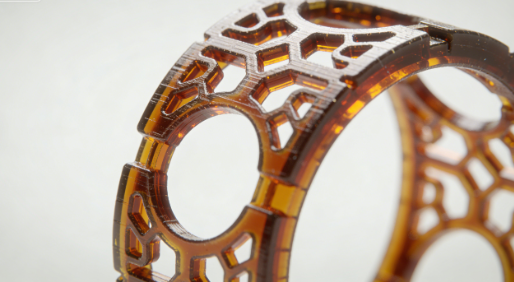
Photopolymer resin is renowned for its ability to produce extremely fine details due to its light-sensitive curing process. With layer thicknesses as small as 25 microns, it can faithfully reproduce intricate geometries, making it ideal for applications that demand precision.
- Applications in Dentistry: For dental molds, crowns, and bridges, smooth surfaces and accurate detail are essential. Photopolymer resin ensures that molds replicate oral anatomy precisely, reducing adjustments and improving patient outcomes.
- Jewelry and Artistic Applications: Designers use photopolymer resin to create miniature models, intricate jewelry patterns, and decorative components. The high resolution allows for delicate features, such as filigree or engraved textures, to be accurately rendered without post-processing.
- Prototype Visualization: Engineers and product designers can produce high-fidelity prototypes that mimic final products. This is especially useful for presentations, stakeholder reviews, or market testing, where visual accuracy influences decisions.
The exceptional surface finish provided by photopolymer resin reduces the need for extensive sanding or polishing, saving time and labor while maintaining high-quality output.
Mechanical Strength and Toughness
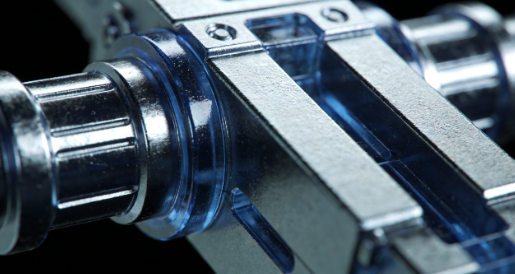
Photopolymer resin formulations vary widely in their mechanical performance, providing options for both decorative and functional applications. Key considerations include:
- Tensile Strength: Some resins offer high tensile strength, making them suitable for parts that will experience stress or mechanical loading. This is essential for functional prototypes or end-use components in industries such as automotive and aerospace.
- Impact Resistance: Tough photopolymer resins can absorb mechanical stress without cracking, reducing the risk of failure during handling or post-processing. These resins are often used in low-volume production runs where durability is a priority.
- Flexibility vs. Rigidity: While standard resins are ideal for highly detailed display models due to their rigidity, flexible formulations allow for bending or compressive stress, expanding the range of possible applications. For instance, flexible photopolymer resin can be used in wearable devices or soft-touch components.
By understanding the mechanical requirements of the part, engineers can select the appropriate resin formulation to ensure both precision and durability.
Thermal and Chemical Stability
The ability of photopolymer resin to withstand temperature fluctuations and chemical exposure is critical in many high-precision applications. Different resin formulations provide varying levels of thermal and chemical resistance:
- High-Temperature Resistance: Certain photopolymer resins are designed to maintain structural integrity at elevated temperatures, which is essential for testing components under heat or for functional parts exposed to high operating conditions.
- Solvent and Chemical Resistance: Resins that resist common solvents, acids, and bases allow for post-processing treatments such as plating, coating, or cleaning without degrading the part. This property is particularly important in industrial and medical applications where parts may encounter harsh environments.
- Dimensional Stability: Thermal and chemical stability also ensures that parts retain their shape and dimensions over time, preventing warping, shrinking, or deformation during curing or use. This is vital for precision molds, functional prototypes, and tooling components.
Designers and manufacturers must carefully match the resin type to the operating conditions of the final component to maximize longevity and performance.
Light Curing Dynamics and Material Behavior
An often overlooked but critical property of photopolymer resin is its curing behavior under UV light. The photochemical reaction that solidifies the resin is influenced by exposure time, wavelength, and intensity.
- Controlled Curing: Proper exposure ensures complete polymerization, resulting in optimal strength and surface finish. Underexposure can produce weak, tacky parts, while overexposure may lead to brittleness or dimensional inaccuracies.
- Shrinkage Management: All photopolymer resins exhibit slight shrinkage during curing. Understanding the specific behavior of a resin formulation allows for design compensation, ensuring parts maintain tight tolerances.
- Layer Adhesion: Effective curing between layers is crucial to prevent delamination or weak spots, especially in tall or intricate parts. Proper printer settings and resin handling practices enhance adhesion and structural integrity.
A deep understanding of light curing dynamics allows engineers to fine-tune printing parameters for maximum precision and repeatability.
Viscosity and Flow Characteristics
The flow properties of photopolymer resin impact both the printing process and the quality of the final part.
- Optimal Viscosity: Resins with lower viscosity flow more easily into intricate cavities, ensuring complete filling of molds or delicate features. This is particularly important for microstructures or complex jewelry patterns.
- Temperature Dependence: Resin viscosity can change with temperature, affecting layer consistency and curing behavior. Maintaining stable ambient conditions ensures predictable flow and uniform layer formation.
- Settling and Homogeneity: Some pigments or additives in photopolymer resin may settle over time. Proper mixing before printing ensures even material distribution and consistent mechanical properties throughout the part.
By accounting for flow characteristics, manufacturers can avoid common printing defects such as voids, incomplete curing, or surface inconsistencies.
Compatibility with Multi-Material Printing
Modern high-precision manufacturing often combines multiple materials to achieve functional and aesthetic goals. Photopolymer resin is compatible with hybrid approaches:
- Co-Printing with Flexible or Tough Resins: Enables parts with variable stiffness or impact resistance in different regions.
- Integration with Metals or Ceramics: Resin patterns can be used in investment casting or as sacrificial molds for metal or ceramic components.
- Post-Processing Coatings: Photopolymer resin surfaces accept coatings, paints, and plating, expanding design possibilities while maintaining precision.
This versatility allows designers to create complex, multi-functional components while retaining the high accuracy that photopolymer resin provides.
Applications of Photopolymer Resin for High-Precision Parts
The versatility of photopolymer resin makes it suitable for a wide range of high-precision applications:
Medical and Dental Applications
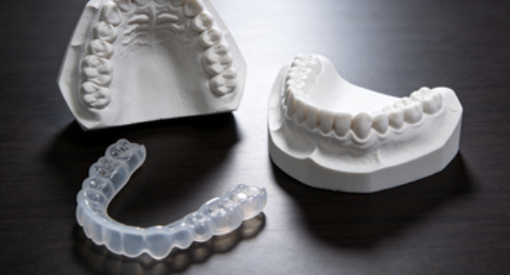
In dentistry, photopolymer resin is used to create accurate molds for crowns, bridges, and orthodontic appliances. Its fine resolution allows for perfect replication of oral anatomy, improving patient outcomes. In the medical sector, resins are utilized for producing surgical guides and anatomical models.
Jewelry and Artifacts
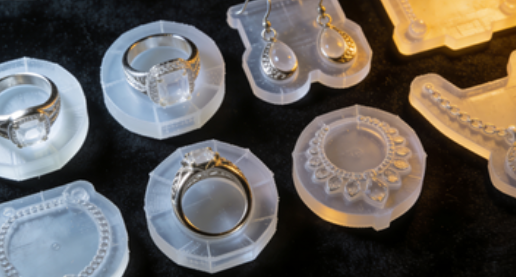
Jewelry designers and hobbyists leverage photopolymer resin for intricate designs that are difficult to achieve with traditional methods. The material allows for precise casting patterns, resulting in flawless final products with minimal post-processing.
Functional Prototypes
Engineers use photopolymer resin to produce prototypes with high dimensional accuracy. This enables testing of form, fit, and function before committing to full-scale production. The material’s ability to replicate detailed features reduces iterations and accelerates the development cycle.
Industrial Components
Photopolymer resin is increasingly used to manufacture low-volume industrial components where precision and surface finish are critical. Its compatibility with post-processing techniques such as plating or heat treatment enhances part performance in demanding applications.
Photopolymer Resin Material Comparison
| Material | Resolution | Mechanical Strength | Thermal Resistance | Chemical Resistance | Cost Efficiency |
|---|---|---|---|---|---|
| Standard Photopolymer Resin | High | Moderate | Low | Low | Moderate |
| Tough Photopolymer Resin | High | High | Moderate | Moderate | High |
| Flexible Photopolymer Resin | Medium | Moderate | Low | Low | Moderate |
| Castable Photopolymer Resin | High | Low | Low | Low | Moderate |
| High-Temperature Photopolymer Resin | Medium | High | High | High | High |
The table illustrates the differences between photopolymer resin types, helping manufacturers choose the right material for specific high-precision applications.
Advantages of Using Photopolymer Resin for High-Precision Parts
Photopolymer resin offers numerous advantages over traditional thermoplastics and metals, particularly for high-detail, low-volume production.
Exceptional Detail and Accuracy
With extremely fine layer resolutions, photopolymer resin can reproduce intricate geometries that are difficult to achieve with other 3D printing materials. This makes it ideal for parts where precision is critical.
Smooth Surface Finish
Parts produced with photopolymer resin often require minimal sanding or polishing. This reduces post-processing time and cost while delivering a high-quality appearance.
Rapid Prototyping
The ability to quickly produce accurate prototypes accelerates product development cycles. Engineers can test functional and aesthetic features before committing to full-scale production.
Material Versatility
Photopolymer resin comes in multiple formulations tailored to specific applications, including flexible, tough, castable, and high-temperature variants. This versatility allows designers to select the optimal material for their part requirements.
Compatibility with Finishing Processes
Many photopolymer resin parts can be post-processed through plating, painting, or thermal treatment, expanding their applicability in both functional and decorative components.
Considerations When Using Photopolymer Resin
While photopolymer resin is a highly versatile material for 3D printing high-precision parts, achieving optimal results requires careful planning, understanding its limitations, and adapting the printing and post-processing workflows. Ignoring these considerations can lead to print failures, wasted material, and inconsistent part quality. Below are the key factors to consider when using photopolymer resin effectively.
Printer Compatibility and Settings
Photopolymer resin is specifically formulated to work with SLA, DLP, and some MSLA printers. To maximize print quality and consistency, it is crucial to calibrate your printer correctly. Important parameters include:
- Layer Height: Smaller layer heights improve detail but increase print time. Typical layer heights for high-precision parts range from 25 to 100 microns, depending on the application. Choosing the optimal layer height balances print resolution with production efficiency.
- Exposure Time: Each resin has an optimal exposure time to UV light. Too short an exposure can result in weak, incomplete layers, while excessive exposure can over-cure and affect dimensional accuracy. Always refer to the manufacturer’s recommendations and consider environmental factors such as ambient temperature and light intensity.
- Support Structures: Proper placement of support structures is critical for overhangs, thin walls, and intricate features. Insufficient support can cause sagging or warping, while excessive supports may leave marks that require additional post-processing. Experimenting with orientation and support density is often necessary to achieve the best results.
For industrial applications where repeatability is critical, maintaining a log of printer settings for each resin type can save time and reduce trial-and-error iterations.
Environmental Sensitivity
Photopolymer resin is highly sensitive to light and humidity, which can affect both storage and printing performance. Consider the following precautions:
- UV Light Exposure: Resin left exposed to ambient light can begin to cure prematurely, leading to inconsistent viscosity and reduced shelf life. Always store unused resin in UV-proof containers and keep it away from direct sunlight.
- Temperature and Humidity: High humidity can interfere with the curing process and affect layer adhesion. Most resins perform optimally in controlled environments between 20°C and 25°C. If the workspace is too cold or too humid, parts may warp, and surfaces may develop defects.
- Airborne Contaminants: Dust, debris, or other particles can settle on the resin or build plate, affecting print quality. Maintaining a clean printing environment is essential for achieving smooth surfaces and accurate dimensions.
Proper environmental control ensures that photopolymer resin behaves consistently, producing reliable results over multiple prints.
Post-Processing Requirements
After printing, photopolymer resin parts usually require post-processing to achieve full strength and the desired surface finish. Key steps include:
- Washing: Prints must be thoroughly cleaned to remove uncured resin. Common solvents include isopropyl alcohol (IPA) or specialized cleaning solutions. The duration and agitation method affect surface smoothness and precision.
- UV Curing: Proper UV curing enhances mechanical properties and final hardness. Both under-curing and over-curing can negatively affect dimensional accuracy and part performance. Using a UV curing chamber with controlled exposure time ensures consistent results.
- Sanding and Finishing: Some parts, especially those with supports or intricate details, may require gentle sanding to achieve a smooth finish. Polishing, painting, or coating may be applied depending on the functional or aesthetic requirements of the final component.
Understanding post-processing requirements in advance allows manufacturers to plan production timelines and avoid unexpected delays.
Cost Considerations
Photopolymer resin is generally more expensive than common thermoplastics, but it provides value in applications where precision, surface quality, and intricate features are essential. Cost factors to consider include:
- Material Usage: Accurate estimation of resin consumption is essential. Inefficient part orientation or excessive support structures can increase material usage unnecessarily.
- Failed Prints: Improper printer calibration or poor environmental control can result in failed prints, increasing waste and cost. Maintaining strict quality control is critical to reduce reprints.
- Post-Processing Labor: While post-processing is often required, its time and cost can be minimized through proper workflow planning and automated washing or curing systems.
Balancing resin costs with production efficiency and part quality ensures that photopolymer resin remains a cost-effective solution for high-precision parts.
Design Adjustments
The design of parts for photopolymer resin printing significantly affects print success and final quality. Consider these factors during the design phase:
- Support Optimization: Complex geometries may require additional supports for overhangs, thin walls, or intricate details. Strategic support placement reduces the risk of defects and eases post-processing.
- Orientation: The orientation of the part during printing affects layer adhesion, surface finish, and mechanical properties. Choosing the optimal orientation can minimize warping and improve dimensional accuracy.
- Wall Thickness and Feature Size: Thin walls or very fine features may not print accurately with all resin types. Ensuring minimum wall thickness and feature sizes recommended by the manufacturer prevents printing failures.
- Shrinkage Compensation: Some photopolymer resins shrink slightly during curing. Designing parts with compensation factors ensures that the final dimensions are within acceptable tolerances.
Early consideration of design adjustments reduces trial-and-error, minimizes waste, and improves the reliability of high-precision parts produced with photopolymer resin.
Conclusion
Photopolymer resin has firmly established itself as a go-to material for high-precision parts in 3D printing. Its unique combination of resolution, mechanical performance, and post-processing adaptability makes it suitable for medical, dental, industrial, and artistic applications. By selecting the appropriate formulation and carefully managing printing and post-processing parameters, manufacturers can leverage photopolymer resin to produce accurate, durable, and visually appealing parts with minimal waste.
FAQ
Q1: What is photopolymer resin used for?
A1: Photopolymer resin is used for high-resolution 3D printing applications, including functional prototypes, dental molds, jewelry casting, and low-volume industrial components.
Q2: How do I choose the right photopolymer resin?
A2: Selection depends on the part’s requirements, including strength, flexibility, thermal resistance, and surface finish. Tables comparing resin types can help guide decisions.
Q3: Can photopolymer resin be post-processed?
A3: Yes, most resins can undergo washing, UV curing, painting, plating, or thermal treatments depending on the application.
Q4: What printers are compatible with photopolymer resin?
A4: SLA and DLP printers are specifically designed for photopolymer resin, though some LCD-based MSLA printers also support it.
Q5: Are there any environmental precautions for photopolymer resin?
A5: Photopolymer resin is sensitive to UV light and humidity, so proper storage in UV-proof containers and controlled environments is essential.
Product Categories
- Valve Parts
- Water Pump Parts
- Bearing Box Parts
- Die Casting Parts
- Stainless Steel Pump Products
- Cast Iron Pump Products
- Valve Parts For Automobile Use
- Auto Parts
- Valve Parts For Civil Use
- Vacuum Pump Parts KF

 English
  Spanish
  Arabic
  Malay
Malay  German