
How to Inspect Cast Iron Valve Boxes Effectively
Welcome to My Blog!
I’m thrilled to have you here! Before we dive into the content, I’d love for you to join me on my social media platforms. It’s where I share extra insights, connect with our amazing community, and keep you updated on the latest news. Here’s how you can stay connected:
📘 Facebook: Shanghai Leierwo Industry Trade Co., Ltd.
Now, let’s embark on this journey together! I hope you find the content here not only insightful but also inspiring and valuable. Let’s get started!
Table of Contents
Blog Key Points
- Importance of inspecting cast iron valve boxes regularly
- Common types of cast iron valve boxes and their industrial applications
- Step-by-step inspection methods for durability and safety
- Signs of wear, corrosion, and structural damage
- Tools, equipment, and modern technologies for inspection
- Comparing cast iron valve boxes with alternative materials
- Maintenance strategies, preventive care, and lifecycle management
- Cost, efficiency, and ROI considerations
- Real-world case studies across municipal, industrial, and commercial applications
- Frequently Asked Questions (FAQ)
Introduction
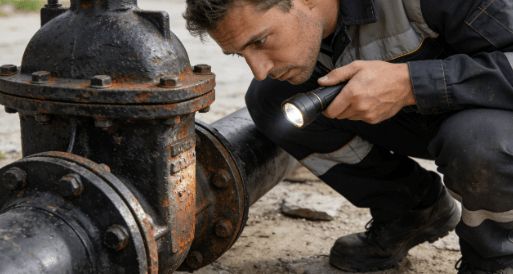
Underground water and irrigation systems depend heavily on reliable valves to maintain operational efficiency. The cast iron valve box is the first line of defense for these critical valves, protecting them from soil, water intrusion, physical damage, and unauthorized access.
Failures in valve boxes are more common than most operators realize. According to the American Water Works Association (AWWA), approximately 25–30% of water system failures involve damaged or poorly maintained valve boxes. Left unchecked, these failures can result in:
- Costly emergency repairs, often exceeding $10,000 per incident
- Extended service interruptions for residential or commercial clients
- Safety hazards due to loose or damaged lids
For municipalities, industrial plants, and irrigation contractors, understanding the inspection process, maintenance strategies, and material performance of cast iron valve boxes is crucial to prevent unexpected downtime and reduce long-term costs. This guide provides a comprehensive framework for inspecting, maintaining, and selecting cast iron valve boxes for any application.
Understanding Cast Iron Valve Boxes
What is a Cast Iron Valve Box?
A cast iron valve box is a protective enclosure installed above underground valves to shield them from dirt, water, and physical impact. It allows maintenance personnel to access the valve without excavating the surrounding soil, saving time and reducing labor costs.
Key Features
- Durability: Cast iron can withstand heavy vehicular loads up to 20,000 lbs per square inch, making it ideal for roads and industrial sites.
- Corrosion Resistance: Coatings, galvanization, or epoxy treatments extend service life even in wet or saline environments.
- Standardization: Dimensions are standardized to accommodate common valve sizes, ensuring compatibility.
- Accessibility: Removable lids or adjustable heights allow easy access for maintenance.
Types of Cast Iron Valve Boxes
Surface-Mount Valve Boxes
These boxes sit slightly above ground and are designed for residential or light-traffic areas. Surface-mount boxes offer easier access for inspection but have limited load capacity.
Recessed Valve Boxes
Recessed boxes are flush with the surface and suitable for roads, parking lots, or areas with heavy traffic. The design minimizes tripping hazards and protects the lid from vehicle damage.
Adjustable Height Valve Boxes
Height-adjustable boxes allow fine-tuning to align with changing surface levels. They are particularly useful in landscaped or urban expansion areas, ensuring a flush fit even after soil settling or resurfacing.
Comparison Table of Valve Box Types
| Type | Durability | Load Capacity | Best Applications |
|---|---|---|---|
| Surface-Mount | Medium | Light | Residential areas, light traffic |
| Recessed | High | Heavy | Roads, parking lots |
| Adjustable Height | Medium-High | Medium | Landscaping, urban development |
Step-by-Step Inspection Process
Visual Inspection
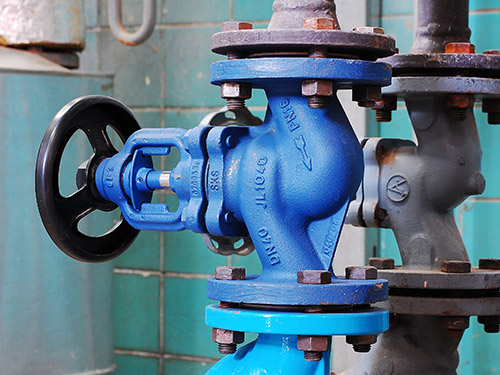
Start with a thorough visual inspection to identify:
- Cracks or structural deformities
- Rust or corrosion
- Loose or missing lids
- Water accumulation or soil intrusion
Structural Integrity Assessment
- Tap the box with a mallet to detect hollow or weakened areas
- Ensure lid fits securely and does not wobble
- Check alignment with the underlying valve
Corrosion and Rust Evaluation
- Inspect both interior and exterior surfaces
- Note areas with flaking paint or coating deterioration
- Identify spots requiring anti-corrosion treatment
Tools and Equipment for Inspection
- Flashlight for interior visibility
- Tape measure for alignment verification
- Hammer or mallet for structural assessment
- Rust remover or corrosion detection spray
Advanced Technologies
- Ultrasonic Testing (UT): Detects micro-cracks invisible to the naked eye
- Infrared Thermography: Identifies areas of water infiltration or insulation breakdown
- Digital Load Sensors: Measures stress distribution on lids in high-traffic zones
Signs of Wear and Damage
Cracks or Structural Deformation
Cracks, even small ones, can propagate under repeated pressure. Early detection prevents catastrophic failure.
Rust and Corrosion
Moisture and soil acidity accelerate rust formation. Corrosion weakens the box and can compromise the valve’s protection.
Misalignment and Loose Lids
Misaligned boxes make valve operation difficult. Loose lids are safety hazards and can allow debris ingress.
Surface Wear from Traffic
Repeated vehicle or foot traffic can degrade the surface and compromise load capacity. High-traffic areas may require reinforced cast iron or alternative materials.
Comparing Cast Iron Valve Boxes with Alternatives
Cast Iron vs Plastic
| Feature | Cast Iron | Plastic |
|---|---|---|
| Durability | Very High | Medium |
| Load Capacity | Heavy-duty | Light-duty |
| Lifespan | 20–30 years | 10–15 years |
| Corrosion Resistance | Good (coated) | Excellent naturally |
| Cost | Higher upfront | Lower upfront |
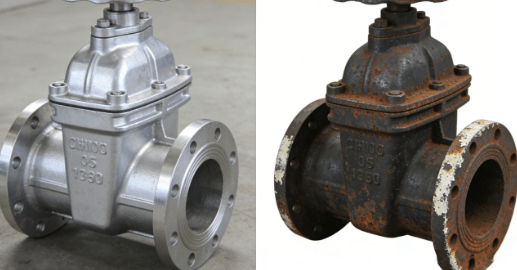
Insight: While plastic boxes are lighter and corrosion-resistant, cast iron valve boxes are better suited for high-traffic areas and long-term use.
Cast Iron vs Steel
Steel valve boxes are strong but more susceptible to rust in wet environments. Cast iron with proper coating often provides superior long-term performance.
Maintenance Strategies
Cleaning and Lubrication
Remove debris and accumulated water. Lubricate hinges and lids to prevent sticking.
Protective Coatings
Apply anti-corrosion paint or epoxy every 2–3 years, especially in areas with high moisture or salt exposure.
Scheduled Inspections
- Residential areas: annually
- Commercial areas: biannually
- Roads and industrial sites: quarterly
Maintenance Schedule Table
| Task | Frequency | Notes |
|---|---|---|
| Visual inspection | Every 6 months | Check cracks, rust, alignment |
| Cleaning | Every 6 months | Remove debris and water |
| Lubrication | Annually | Hinges and lid mechanisms |
| Protective coating | Every 2–3 years | Anti-corrosion paint or sealant |
| Advanced inspection (UT) | Every 1–2 years | Detect micro-cracks in heavy traffic areas |
Cost and Efficiency Considerations
Initial Investment vs Long-Term Savings
A high-quality cast iron valve box may cost $150–$300 upfront but can last 20–30 years with proper maintenance. Plastic alternatives may cost $50–$100 but often require replacement within 10–15 years.
Labor and Downtime Reduction
Well-maintained cast iron boxes allow quicker valve access, reducing labor time by 30–50% during routine checks or repairs.
Real-World Case Studies
Municipal Water Network
A city replaced aging plastic boxes with cast iron boxes for all main valves:
- Maintenance calls dropped by 40%
- Replacement costs reduced by $25,000 per year
- Safety incidents caused by tripping hazards eliminated
Industrial Irrigation System
A farm retrofitted its irrigation valves with adjustable cast iron boxes:
- Reduced downtime during seasonal inspections
- Easier alignment with new terrain levels
- Improved protection against vehicle and equipment damage
Commercial Parking Lot
Cast iron recessed boxes installed in a parking area experienced 0 lid failures over 5 years, withstanding daily traffic loads of up to 15,000 lbs per wheel.
Conclusion
Proper inspection and maintenance of cast iron valve boxes are essential to ensure safety, operational reliability, and long-term cost savings. By understanding types, materials, common issues, and inspection techniques, operators can extend the service life of these critical components. Regular monitoring, preventive maintenance, and informed material selection will reduce downtime, improve operational efficiency, and deliver a strong return on investment in municipal, industrial, and commercial systems.
FAQ
How often should cast iron valve boxes be inspected?
Every 6–12 months, with high-traffic or industrial areas inspected more frequently.
What are common issues found during inspection?
Cracks, rust, loose lids, misalignment, and surface wear due to traffic.
Can plastic valve boxes replace cast iron boxes?
Plastic boxes are suitable for light-duty applications but cannot match the durability of cast iron under heavy load or long-term use.
How can I prevent rust in cast iron valve boxes?
Regular cleaning, proper drainage, and applying protective coatings prevent corrosion.
What tools are essential for effective inspection?
Flashlight, tape measure, mallet, rust remover, and optionally ultrasonic or infrared inspection tools.
How long can a properly maintained cast iron valve box last?
Typically 20–30 years, depending on traffic load, environmental conditions, and maintenance frequency.
Product Categories
- Valve Parts
- Water Pump Parts
- Bearing Box Parts
- Die Casting Parts
- Stainless Steel Pump Products
- Cast Iron Pump Products
- Valve Parts For Automobile Use
- Auto Parts
- Valve Parts For Civil Use
- Vacuum Pump Parts KF

 English
  Spanish
  Arabic
  Malay
Malay  German