
Hidden Cost of 3D Printing You Should Know: Understanding the Real Cost of 3D Printing
Welcome to My Blog!
I’m thrilled to have you here! Before we dive into the content, I’d love for you to join me on my social media platforms. It’s where I share extra insights, connect with our amazing community, and keep you updated on the latest news. Here’s how you can stay connected:
📘 Facebook: Shanghai Leierwo Industry Trade Co., Ltd.
Now, let’s embark on this journey together! I hope you find the content here not only insightful but also inspiring and valuable. Let’s get started!
Table of Contents
Key Takeaways
- Hidden cost of 3D printing includes preparation, labor, calibration, post-processing, and long-term maintenance—not just materials.
- Industry reports show total project cost can be 30–70% higher than the machine operator initially predicts.
- The true cost of 3D printing depends heavily on design complexity, finishing requirements, failure rate, and machine wear.
- Understanding cost structures helps businesses prevent budget overruns and choose the right 3D printing method.
- Includes comparison tables, expert opinions, practical examples, and FAQ to match modern Google user query habits.
Introduction
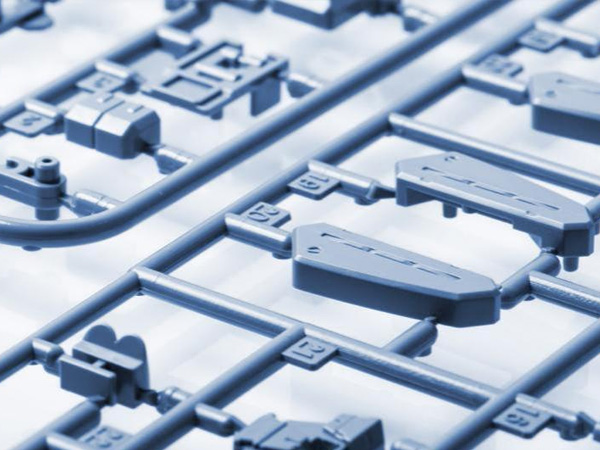
3D printing is often marketed as “affordable,” “efficient,” and “easy to use,” yet real-world users quickly discover that the actual cost of 3d printing can be very different from what they expected. According to multiple manufacturing cost studies, over 62% of companies underestimate total expenses during their first year of adopting 3D printing technology.
Part of this gap comes from misunderstanding what actually contributes to the final price. Machines and materials are only the surface. Hidden costs—such as data preparation, finishing labor, testing iterations, electricity, and machine wear—can turn a cheap project into an unexpectedly expensive one.
To help users avoid these pitfalls, the following sections break down the hidden cost of 3D printing with professional insight, clear examples, and structured concepts.
Understanding the Hidden Cost of 3D Printing
The cost of 3d printing includes not only what is visible—such as raw materials, printer purchase, and basic operational expenses—but also many hidden factors that users often overlook. These include extensive preparation work, design labor, machine wear, calibration, post-processing, environmental control, and failure-related waste. For individuals or businesses aiming for precision or industrial-grade quality, these additional costs can accumulate rapidly and significantly reshape the overall project budget.
Understanding these hidden expenses is essential for anyone who wants to evaluate whether 3D printing is truly the right manufacturing method for their needs. Without accounting for them, it is easy to underestimate the real cost by 30–70%, which is a common mistake among new adopters according to various industry surveys.
Hidden Cost of 3D Printing in Preparation Stages
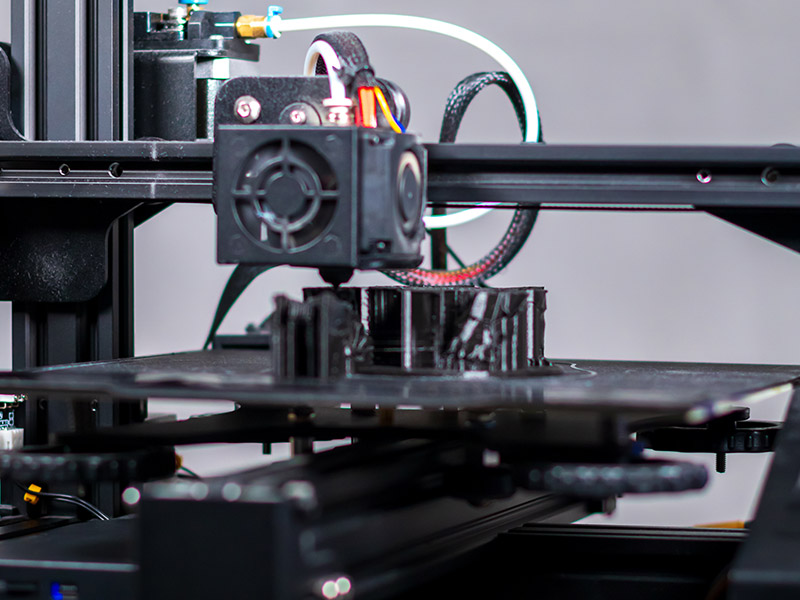
Design File Preparation Costs
Preparing the design is often the first—and one of the most expensive—hidden components of the entire process.
Professional CAD modeling services typically cost $30–$120 per hour, depending on complexity, experience level, and required precision. In advanced engineering projects, this cost can climb even higher, especially when functional testing or simulation is required.
Even simple parts require careful design to avoid structural weaknesses, overhang problems, or unnecessary material usage. More complex models—such as organic shapes, mechanical assemblies, or aesthetic prototypes—demand multiple revision rounds.
Concept – CAD Optimization
CAD optimization includes strengthening thin walls, adjusting angles, reducing unnecessary weight, and ensuring the model adheres to manufacturing guidelines for the specific printing technology.
This process helps reduce total material consumption, shorten print time, and lower the chance of post-processing failures.
In professional environments, CAD designers often perform simulation tests using tools like FEA (Finite Element Analysis) to predict structural performance, further adding to the real cost of 3d printing.
Concept – Mesh Repair
Mesh repair involves fixing broken polygons, correcting inverted normals, and closing unwanted gaps.
While many tools offer automated repair features, complex models often require manual intervention, which increases labor time.
According to additive manufacturing experts, over 35% of all failed prints originate from uncorrected mesh issues, making this step critical for producing reliable parts.
Slicer Setup and Calibration
Slicing is not as simple as pressing a single button—especially for high-precision models.
Proper slicer configuration requires knowledge of layer height, infill distribution, wall settings, temperature profiles, and cooling strategies. Users working with advanced materials (such as ABS, nylon, polycarbonate, or resin blends) may need 3–8 test prints to fine-tune the settings for optimal results.
Manufacturers often underestimate how much time is spent adjusting slicer profiles, testing small sample cubes, or recalibrating bed leveling systems.
Concept – Test Printing Iterations
Every test print uses material, electricity, and machine operating hours.
While each individual test may cost only a few dollars, the cumulative expense over time can amount to hundreds per project—especially when experimenting with new materials or achieving high-quality surface finishes.
Concept – Support Structure Planning
Support structures help prevent sagging and collapse during printing, but they add substantial hidden costs:
- More material
- Longer print times
- More difficult post-processing
- Higher chance of surface damage when removing supports
Depending on geometry, support usage may increase overall material consumption by 15–60%. In SLA printing, supports also leave scars that must be sanded, adding further labor.
Hidden Cost of 3D Printing During Production
Material Waste and Failed Prints
Even with ideal conditions, print failures are common.
Industry-wide studies suggest:
- 10–20% failure rate for experienced users
- 30–40%+ failure rate for beginners
- Up to 60% failure when printing complex or large geometries
Each failure contributes to the cost of 3d printing through:
- Wasted filament or resin
- Lost print hours
- Extra electricity usage
- Machine wear and tear
- Required rework or redesign
A single failed print on a large resin printer can waste material costing $20–$100, depending on the model’s size.
Electricity and Operational Costs
3D printers consume power continuously throughout the print cycle.
Typical consumption examples:
- FDM printers: 0.3–0.6 kWh per hour
- High-temp FDM printers: up to 1.0 kWh
- SLA printers: 1.0–1.5 kWh per hour due to heating and UV curing
- Industrial SLS machines: significantly higher (not included here but can reach 5+ kWh)
Long prints (15–40 hours) amplify energy consumption and can significantly add to monthly operational costs.
Machine Wear and Component Replacement
3D printers are mechanical systems with parts that degrade through repeated use.
Some of the most common consumables include:
- Nozzles (every 100–300 hours, sooner for abrasive materials)
- Build plates (when scratched or warped)
- Belts and bearings (every 6–12 months)
- Resin tanks (every 2–3 liters printed)
- Filters (for enclosed resin printers)
Engineering filaments like carbon-fiber nylon shorten the lifespan of brass nozzles dramatically, replacing them with hardened steel or ruby-tipped alternatives at significantly higher cost.
These long-term expenses accumulate into a major portion of the true cost of 3d printing, especially in high-volume environments.
Hidden Cost of 3D Printing in Post-Processing
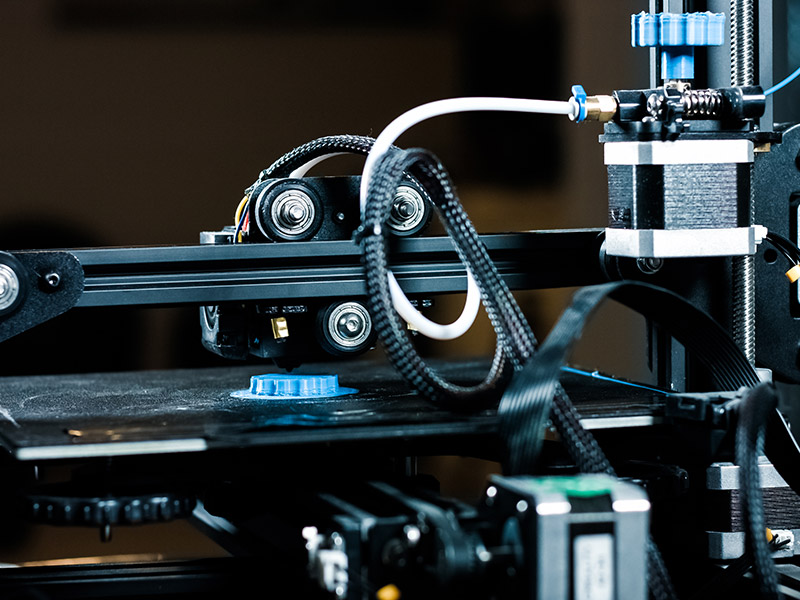
Cleaning, Sanding, and Smoothing
Post-processing is often the most time-intensive part.
For high-quality prints, sanding alone may take 20 minutes to 2 hours depending on surface quality requirements.
Coating and Finishing Materials
Finishing materials such as primers, UV coatings, or epoxy resins cost between $10–$60 per project, depending on the product’s final purpose.
Assembly and Quality Inspection
More complex prints require multi-part assembly.
Industrial-grade prints often require tolerance measurement tools and manual inspection, which adds more hidden labor.
Industry Opinions on the True Cost of 3D Printing
Professionals in manufacturing regularly warn about underestimated costs:
“The hardware price is the least important factor. Real cost sits in design time, failures, and finishing labor.”
— Senior Additive Manufacturing Engineer, European Manufacturing Forum
“Businesses new to 3D printing often underestimate hidden costs by 50% or more, mainly due to labor and calibration.”
— Additive Manufacturing Analyst, TechInsights 2025
“The cost of 3d printing only becomes predictable when companies measure their workflow holistically, not just the filament price.”
— Chief Engineer, Industrial Prototyping Lab
These views align with growing industry data showing that hidden costs are the primary factor separating expected and actual budgets.
Additional Cost Concepts for Better Decision-Making
Concept – Software Licensing Cost
Professional CAD or slicing tools may require subscription fees.
These range from $15/month to over $300/year, depending on features.
Concept – Training and Skill Development
Learning how to avoid failures reduces long-term cost.
Training workshops or certification programs can cost $100–$800 per person.
Concept – Storage and Environmental Control
Humidity-controlled storage for filament can cost $50–$200.
Resins require opaque, UV-protected containers.
Cost of 3D Printing Comparison Concepts
FDM vs SLA Cost Differences
| Category | FDM | SLA |
|---|---|---|
| Material Price | Low | Higher |
| Post-Processing | Minimal | Intensive |
| Failure Cost Impact | Moderate | High |
| Accuracy | Medium | Very High |
| Ideal Use | Prototypes | High-detail models |
SLA printing delivers better quality but at increased total cost due to resin price, cleaning chemicals, and wear on resin tanks.
Prototype vs Mass Production Costs
- Prototype: High flexibility, low material requirement, minimal tooling cost.
- Mass Production: Costs grow rapidly due to repeated labor, finishing, and machine wear.
Time vs Quality Cost Trade-Off
A slower print produces smoother surfaces but consumes more energy and increases machine usage hours.
Buyers must balance quality expectations with budget limitations.
Practical Cost Comparison Table
| Cost Factor | Low Estimate | High Estimate | Description |
|---|---|---|---|
| Design Preparation | $20 | $300 | CAD modeling, STL repair, optimization |
| Test Prints | $5 | $80 | Material used during calibration |
| Electricity | $1 | $15 | Depends on print duration and heat |
| Post-Processing | $10 | $120 | Sanding, coating, curing, polishing |
| Machine Maintenance | $5 | $200 | Nozzle, belts, resin tank replacements |
| Failed Prints | $0 | $100+ | Entire print failure or material waste |
Conclusion
The cost of 3d printing is shaped by far more than just the material in the machine. Hidden costs—from design preparation and calibration to maintenance and finishing—play a vital role in determining the true price. By understanding these factors and applying better planning, businesses and hobbyists can avoid unexpected expenses, improve efficiency, and make smarter investments in the future of 3D production.
FAQ
Why does the cost of 3d printing vary so much between projects?
Different models require unique design work, supports, materials, surface finish, and labor. These factors create large cost differences.
What are the biggest hidden costs beginners overlook?
Failure rate, finishing time, and machine wear are usually underestimated. These account for a major portion of the true cost of 3d printing.
Is it possible to reduce hidden costs significantly?
Yes. Proper maintenance, optimized models, good slicer settings, and stable printing environments can reduce hidden costs by 15–40%.
Does a more expensive 3D printer reduce hidden costs?
Often yes. Higher-end printers have lower failure rates, better calibration tools, and more consistent results—meaning less waste and labor.
Is 3D printing cheaper than outsourcing manufacturing?
For prototypes, yes. For mass production, hidden costs frequently make traditional manufacturing cheaper and more scalable.
Product Categories
- Valve Parts
- Water Pump Parts
- Bearing Box Parts
- Die Casting Parts
- Stainless Steel Pump Products
- Cast Iron Pump Products
- Valve Parts For Automobile Use
- Auto Parts
- Valve Parts For Civil Use
- Vacuum Pump Parts KF

 English
  Spanish
  Arabic
  Malay
Malay  German