
Does Zinc Rust Fast? Myths vs Reality
Welcome to My Blog!
I’m thrilled to have you here! Before we dive into the content, I’d love for you to join me on my social media platforms. It’s where I share extra insights, connect with our amazing community, and keep you updated on the latest news. Here’s how you can stay connected:
📘 Facebook: Shanghai Leierwo Industry Trade Co., Ltd.
Now, let’s embark on this journey together! I hope you find the content here not only insightful but also inspiring and valuable. Let’s get started!
Table of Contents
Zinc is everywhere—from roofing and gutters to automotive parts and industrial equipment. Its durability is often questioned: does zinc rust fast? Many people assume metals exposed to air and water inevitably degrade quickly, but zinc behaves differently from iron or steel. Understanding its corrosion patterns, protective mechanisms, and environmental influences is crucial for architects, engineers, homeowners, and manufacturers.
This article dives deep into the truth behind zinc corrosion, debunks common myths, provides expert insights, and offers practical tips to maximize the lifespan of zinc components.
Key Takeaways of This Article
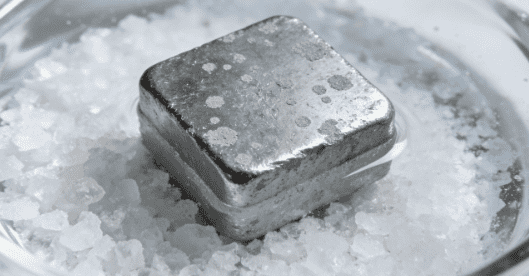
- Common myths about zinc rusting and the scientific reality
- How zinc behaves in air, freshwater, saltwater, and industrial environments
- Protective mechanisms that slow down zinc corrosion
- Comparison with other metals like iron, steel, and aluminum
- Practical maintenance and protection strategies for zinc products
- Real-world data on zinc lifespan and corrosion rates
- Answers to frequently asked questions about zinc rust
How Zinc Differs from Iron and Steel
Concept – Understanding Rust vs Corrosion
Rust is a chemical reaction unique to iron and its alloys. When iron reacts with oxygen and water, it forms iron oxides, which flake off and expose fresh metal to corrosion, accelerating deterioration. Zinc, on the other hand, does not rust in this way. Instead, it forms a stable protective layer of zinc oxide or zinc carbonate that adheres to the surface and prevents further corrosion.
This means that while iron deteriorates rapidly without protection, zinc remains largely intact over decades, making it a preferred material for long-term outdoor use.
Concept – Zinc as a Sacrificial Metal
Zinc is widely used in galvanization, where it is applied as a coating over steel. This creates a sacrificial layer that corrodes first, protecting the steel underneath. This method, known as cathodic protection, is one of the reasons galvanized steel is so durable in outdoor structures like bridges, fences, and roofing.
When zinc corrodes sacrificially, it forms a patina that slows down further corrosion, while the steel remains largely unscathed.
Expert Insight
According to Dr. Michael Corbin, corrosion engineer at the International Zinc Association:
“Zinc’s protective behavior makes it a preferred metal for outdoor applications. Unlike iron, it does not deteriorate quickly and often outlasts steel in similar conditions.”
Does Zinc Rust Fast in Air?
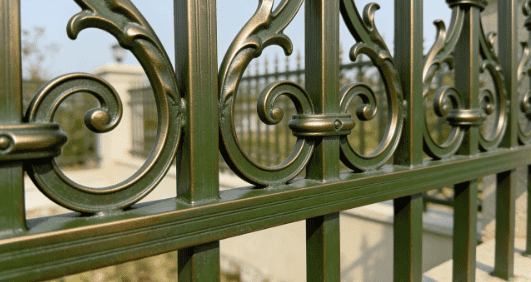
Outdoor Exposure and Longevity
Zinc is remarkably resistant to atmospheric corrosion. When exposed to air, it quickly develops a thin patina that shields it from oxygen and moisture. Environmental conditions influence its lifespan:
- Rural environments: 25–50 years before noticeable corrosion
- Urban environments (moderate pollution): 15–30 years
- Industrial areas (acidic rain, high sulfur dioxide): 10–20 years
The protective patina allows zinc to survive decades outdoors, far surpassing unprotected iron or steel.
Concept – Patina Formation
The patina consists mainly of zinc carbonate (ZnCO₃). This layer adheres tightly to the surface, providing a natural barrier against moisture, pollutants, and contaminants. Unlike iron rust, the zinc patina does not flake off, ensuring continuous protection.
Myth vs Reality
A common misconception is that all metals corrode quickly when left outdoors. In reality:
- Zinc corrosion rate in air: 0.02–0.05 mm/year
- Unprotected steel corrosion rate: 0.5–1 mm/year
This means zinc corrodes 10–20 times slower than steel under similar conditions, making it highly durable.
Does Zinc Rust in Water?
Freshwater Conditions
Zinc is also resistant to corrosion in freshwater environments. Corrosion rates typically range from 0.02–0.03 mm/year, depending on pH, dissolved oxygen levels, and temperature. The protective carbonate layer that forms in contact with water slows corrosion over time.
Freshwater applications include water tanks, plumbing fixtures, and outdoor sculptures. Zinc’s long lifespan and self-protecting behavior reduce maintenance costs and improve durability.
Saltwater Conditions
Saltwater, due to its high chloride ion concentration, can accelerate zinc corrosion. Corrosion rates in marine environments can rise to 0.05–0.1 mm/year, depending on temperature, salinity, and water flow.
Even so, zinc remains highly resistant due to its patina, which continues to provide a barrier. Applications such as coastal architecture, boats, and marine equipment often use zinc alloys specifically designed for improved corrosion resistance.
Concept – Environmental Factors
Several factors influence zinc corrosion in water:
- pH of water: Highly acidic or basic water increases corrosion risk
- Temperature fluctuations: Warmer water accelerates chemical reactions
- Dissolved oxygen and chlorides: Oxygen promotes oxidation, chlorides increase corrosion
- Flow rate: Stagnant water can concentrate corrosive agents, accelerating localized corrosion
Common Myths About Zinc Rusting
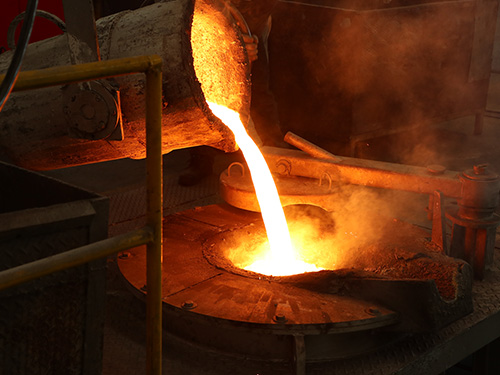
Myth 1: Zinc Rusts Like Iron
Many people mistakenly assume that all metals exposed to air and moisture rust at similar rates. However, zinc behaves fundamentally differently from iron. While iron develops flaky, red rust (iron oxide) that exposes fresh metal and accelerates deterioration, zinc forms a dense, adherent layer of zinc oxide or zinc carbonate. This layer, often called a patina, protects the underlying metal from further corrosion, meaning that zinc rarely “rusts” in the traditional sense.
Real-World Insight:
- Zinc roofing and gutters installed in rural areas can last 50+ years, while iron or uncoated steel under similar conditions often begins to deteriorate within 5–10 years.
- The protective patina becomes thicker over time, making older zinc components even more resistant than new installations.
Myth 2: Zinc Cannot Survive Outdoor Exposure
Some assume that zinc is only suitable for indoor use because it will corrode rapidly outdoors. In reality, zinc is widely used in architectural cladding, roofing, outdoor sculptures, and bridges because of its long-term durability. The metal’s slow corrosion rate and natural patina formation make it ideal for long-term outdoor applications.
Supporting Data:
- Corrosion rate in rural environments: 0.02–0.03 mm/year
- Urban environments with moderate pollution: 0.03–0.05 mm/year
- Industrial areas with high sulfur dioxide exposure: 0.05–0.08 mm/year
Even in industrial environments, zinc components can last 20+ years without major maintenance. The combination of patina formation and alloy optimization ensures zinc is suitable for challenging climates.
Myth 3: Zinc Requires Frequent Maintenance
Another common misconception is that zinc must be regularly maintained or coated to prevent corrosion. In truth, zinc is largely self-protecting. The naturally forming patina acts as a shield against moisture, oxygen, and pollutants, reducing the need for constant care.
Practical Maintenance Tips:
- Occasional cleaning with mild detergent or water to remove dust, pollutants, or salt deposits is usually sufficient.
- Avoid abrasive brushes or harsh chemicals that can damage the patina.
- Inspections every few years are recommended to ensure drainage paths are clear and no galvanic corrosion occurs due to contact with other metals.
Case Example:
A zinc sculpture in a coastal city subjected to salt spray and acidic rain required only two cleanings over 20 years and maintained excellent structural integrity.
Myth 4: All Zinc Alloys Corrode at the Same Rate
It is often believed that all types of zinc and zinc alloys have the same corrosion resistance. In reality, the corrosion behavior varies significantly depending on alloy composition.
Key Points:
- Zamak 3: Contains small amounts of aluminum and copper; shows improved corrosion resistance in marine and humid environments compared to pure zinc.
- Zamak 5: Offers slightly higher mechanical strength and is suitable for outdoor and industrial use.
- Aluminum-Zinc Alloys: These alloys combine the strength of aluminum with zinc’s corrosion resistance, providing longer-lasting protection in harsh conditions.
Scientific Insight:
Studies by the International Zinc Association show that aluminum additions to zinc alloys form a denser patina layer, enhancing corrosion protection by up to 25% in coastal or industrial environments. Copper additions can improve castability but may slightly accelerate surface corrosion under certain conditions.
Comparison Table: Zinc vs Other Metals in Outdoor Environments
| Metal | Typical Corrosion Rate | Lifespan | Maintenance Needs | Notes |
|---|---|---|---|---|
| Zinc | 0.02–0.05 mm/year | 25–50 years | Low | Protective patina forms naturally |
| Steel (uncoated) | 0.5–1 mm/year | 3–10 years | High | Rapid rusting, flakes off |
| Aluminum | 0.03–0.1 mm/year | 20–40 years | Medium | Oxide layer protective but thinner than zinc |
| Copper | 0.02–0.06 mm/year | 30–60 years | Low | Develops green patina (copper carbonate) |
Does Zinc Rust Faster in Industrial or Acidic Environments?
Industrial Pollutants
Sulfur dioxide (SO₂) and nitrogen oxides (NOx) accelerate zinc corrosion. Studies show urban zinc surfaces corrode 0.05–0.08 mm/year compared to rural rates of 0.02 mm/year.
Acid Rain
Acid rain (pH < 5.5) can slightly increase corrosion, but zinc’s patina still provides protection.
Protective Measures
- Apply clear coatings for high-exposure areas
- Avoid contact with iron or copper surfaces to prevent galvanic corrosion
- Design components with proper drainage
Zinc Alloy Behavior and Rust Resistance
Common Alloys
- Zamak 3: Low corrosion rate, used in household hardware
- Zamak 5: Slightly higher corrosion resistance, better for marine exposure
- Aluminum-Zinc Alloys: Lightweight, corrosion-resistant for roofing and automotive parts
Concept – Alloy Optimization
Adding small amounts of aluminum, copper, or magnesium enhances strength and corrosion resistance but may influence patina color.
Tips to Maintain Zinc Components
Proper maintenance of zinc components ensures longevity, structural integrity, and aesthetic appeal. Even though zinc is naturally corrosion-resistant, following these tips can help maximize its lifespan.
Cleaning
Regular Dust and Debris Removal
Accumulated dirt and dust can trap moisture, which accelerates localized corrosion. Use soft brushes or microfiber cloths to gently remove surface debris.
Mild Detergents for Pollutants
Industrial areas or coastal environments can deposit pollutants or salts on zinc surfaces. Mild detergents mixed with warm water effectively remove these without harming the patina.
Rinsing and Drying
After cleaning, always rinse thoroughly with fresh water to eliminate detergent residue. Dry surfaces prevent water from pooling, which could cause minor corrosion over time.
Recommended Frequency
- Rural or indoor areas: once every 2–3 years
- Coastal or industrial areas: annually
- High-pollution zones: semi-annually for heavy exposurensing
Environmental Awareness
Proper Drainage Design
Stagnant water on zinc surfaces can lead to uneven corrosion. Ensure sloped surfaces or drainage systems allow water to flow off efficiently.
Avoiding Galvanic Corrosion
When zinc is in contact with more noble metals like copper or stainless steel, galvanic corrosion may occur. Insulate contact points with rubber gaskets, plastic spacers, or coatings.
Monitoring Air Quality
Urban or industrial pollutants, such as sulfur dioxide or nitrogen oxides, can accelerate corrosion slightly. Awareness of air quality helps plan cleaning and maintenance schedules.
Temperature and Climate Considerations
Extreme temperature fluctuations can cause micro-cracks in zinc surfaces. Seasonal inspections help detect stress damage early, particularly in regions with freeze-thaw cycles.
Protective Coatings
Powder Coatings for Outdoor Durability
Powder coatings provide a uniform, long-lasting protective layer that resists UV radiation, salt spray, and minor mechanical wear. Ideal for facades, roofing, or sculptures.
Paint Layers for Harsh Environments
Barrier coatings, such as epoxy or polyurethane, shield zinc from acidic rain or industrial pollutants. These coatings enhance corrosion resistance, especially in industrial and coastal regions.
Clear Sealants to Preserve Patina
Clear coatings maintain the natural gray patina of zinc while adding a protective barrier against moisture and pollutants. These are often preferred for decorative or architectural elements.
Surface Preparation
Before applying any coating, ensure the zinc is clean, dry, and free of grease. Improper preparation may trap moisture and reduce the effectiveness of the coating.
Inspection
Visual Surface Checks
Look for signs of discoloration, white powdery deposits, or minor pitting. These can indicate localized corrosion before it affects structural integrity.
Check Joints and Fasteners
Connections and fastening points often retain water or pollutants. Regular inspections help detect early-stage corrosion at these critical areas.
Use of Tools for Assessment
Advanced inspections can include portable moisture meters or corrosion sensors, especially for industrial or large-scale installations. Infrared imaging may detect hidden water accumulation.
Inspection Frequency
- Standard applications: every 3–5 years
- Coastal or industrial installations: every 1–2 years
- High-stress or exposed structures: annual check recommended
Early Intervention
Small issues, such as minor pitting or discoloration, can be addressed with localized cleaning, patina restoration, or spot coatings to prevent expensive repairs later.
Comparison: Zinc vs Galvanized Steel vs Aluminum
| Feature | Zinc | Galvanized Steel | Aluminum |
|---|---|---|---|
| Corrosion Rate | 0.02–0.05 mm/yr | 0.1–0.2 mm/yr | 0.03–0.1 mm/yr |
| Lifespan Outdoors | 25–50 yrs | 10–20 yrs | 20–40 yrs |
| Maintenance | Low | Medium | Medium |
| Protective Layer | Natural patina | Zinc coating | Oxide layer |
| Ideal Use | Roofs, gutters, sculptures | Structural steel | Panels, roofing |
Conclusion
Zinc does not rust fast. Its natural protective patina, sacrificial behavior in galvanization, and inherent corrosion resistance allow it to remain durable in a variety of environments. Proper alloy selection, maintenance, and environmental awareness can ensure zinc components last decades, often outperforming steel, aluminum, and other metals.
Understanding the myths vs reality of zinc corrosion enables informed decisions for construction, industrial manufacturing, and decorative applications.
FAQ
Does zinc rust quickly in humid climates?
No. Zinc corrodes slowly even in humid areas due to its protective patina.
How long will a zinc roof last?
Typically 40–50 years under normal environmental conditions.
Can zinc prevent steel from rusting?
Yes, through galvanization, zinc corrodes sacrificially to protect steel.
Does saltwater affect zinc significantly?
Saltwater increases corrosion rates, but the metal remains long-lasting with patina protection.
Is maintenance necessary for zinc gutters or fixtures?
Minimal cleaning is enough; zinc is self-protecting in most environments.
What alloys offer the best corrosion resistance?
Zamak 3 and aluminum-zinc alloys perform best in industrial or marine settings.
Product Categories
- Valve Parts
- Water Pump Parts
- Bearing Box Parts
- Die Casting Parts
- Stainless Steel Pump Products
- Cast Iron Pump Products
- Valve Parts For Automobile Use
- Auto Parts
- Valve Parts For Civil Use
- Vacuum Pump Parts KF

 English
  Spanish
  Arabic
  Malay
Malay  German