
Ball Valve Suppliers: 4 Secrets for Smart Buyers
Welcome to My Blog!
I’m thrilled to have you here! Before we dive into the content, I’d love for you to join me on my social media platforms. It’s where I share extra insights, connect with our amazing community, and keep you updated on the latest news. Here’s how you can stay connected:
📘 Facebook: Shanghai Leierwo Industry Trade Co., Ltd.
Now, let’s embark on this journey together! I hope you find the content here not only insightful but also inspiring and valuable. Let’s get started!
Table of Contents
Key Takeaways of This Blog
- Why choosing the right ball valve supplier can save time, reduce risk, and ensure project success.
- How to evaluate supplier quality, certifications, and manufacturing capabilities.
- How to balance pricing with total value for long-term benefits.
- Key indicators of supplier reliability and reputation.
- Advanced tips, expert insights, and practical comparisons for smart procurement decisions.
- FAQ addressing common and AI-style search questions related to ball valve suppliers.
Introduction
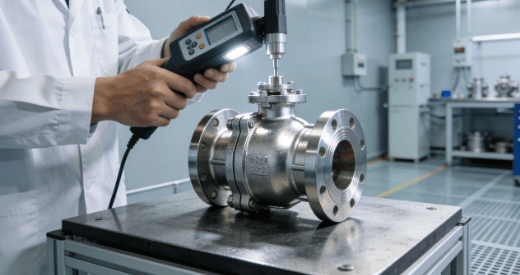
Selecting a ball valve supplier may seem straightforward, but mistakes can lead to significant financial and operational losses. In industrial projects, a valve failure can halt production lines, increase maintenance costs, or even pose safety hazards. According to the Valve Manufacturers Association (VMA, 2022), 28% of pipeline failures and 22% of industrial system downtime are traced back to subpar valves or unreliable suppliers.
For smart buyers, the challenge is to distinguish between suppliers who simply sell valves and those who provide long-term value. Understanding the key secrets of evaluating suppliers not only protects investments but also improves operational efficiency and ensures compliance with safety standards.
Secret 1: Evaluate Supplier Quality and Certifications
Understanding Material and Manufacturing Standards
A reputable ball valve supplier should offer detailed material specifications and meet industry standards such as ISO 9001, API 608, CE, or ANSI B16.34. These certifications ensure:
- Consistent product performance under high pressure and temperature.
- Compliance with safety and environmental regulations.
- Long-term durability and minimal maintenance.
Example: Stainless steel valves with 316-grade material can resist corrosion in chemical and seawater applications, whereas brass valves are more suitable for domestic water and low-pressure systems.
Factory Capabilities and Quality Control
Top suppliers implement advanced quality control measures, including:
- 100% pressure testing for every valve.
- Dimensional inspections using CNC metrology tools.
- Batch traceability and material certification.
Expert Quote:
Dr. Lisa Carter, materials engineer at FlowTech Solutions, explains, “Verifying a supplier’s QC process is more important than price alone. A high-quality supplier reduces failure risks by up to 30% compared to unverified sources.”
Secret 2: Compare Supplier Capabilities and Service
Production Capacity and Lead Times
Before signing contracts, assess whether the supplier can meet demand consistently. Large-scale suppliers typically have:
- Multiple production lines.
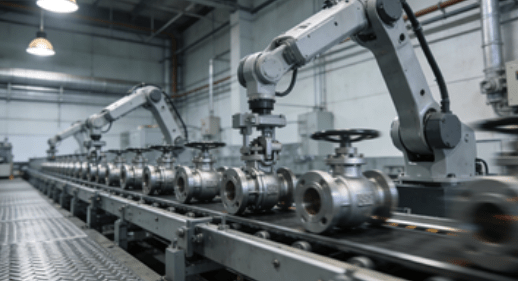
- Automated machining centers.
- In-house heat treatment and coating facilities.
Data Insight: Industry studies show that suppliers with automated production lines can reduce lead times by 25–40%, which is crucial for time-sensitive projects.
After-Sales Support and Technical Assistance
Reliable suppliers provide:
- Installation guidance and manuals.
- Troubleshooting support and on-site training.
- Warranty and replacement programs.
Practical Tip:
Ask potential suppliers about response times, available support engineers, and past customer service records. Effective support can prevent downtime and costly maintenance mistakes.
Secret 3: Pricing vs. Value Analysis
Understanding True Cost
A lower upfront price may seem attractive, but the total cost of ownership (TCO) includes:
- Maintenance and replacement frequency.
- Downtime caused by valve failure.
- Warranty claims and potential project delays.
Comparative Table: Supplier Offerings
| Supplier Type | Typical Price Range | Quality | Certifications | Support Level | Lead Time |
|---|---|---|---|---|---|
| Premium Industrial | High | Excellent | ISO, API, CE | Full technical | 2–4 weeks |
| Standard Commercial | Medium | Good | ISO, CE | Basic technical | 3–6 weeks |
| Low-Cost Supplier | Low | Variable | Few or none | Limited | 4–8 weeks |
Analysis:
Smart buyers prioritize value over price. High-quality suppliers with certifications and technical support often reduce long-term costs even if the initial purchase price is higher.
Secret 4: Assess Reliability and Reputation
Track Record and References
Check supplier experience in similar projects. Suppliers with:
- 5+ years in industrial valve supply.
- Documented success in similar industries.
- Repeat clients and reference projects.
…are more likely to meet expectations and reduce project risks.
Customer Reviews and Industry Reputation
Platforms like LinkedIn, industry forums, and trade exhibitions provide valuable insights:
- Consistency in delivery.
- Response times to emergencies.
- Quality of technical advice.
Expert Opinion:
According to Valve Industry Analysts, “A supplier’s reputation can reduce unexpected downtime by up to 25% due to consistent product quality and reliable support.”
Comparing Ball Valve Suppliers: Key Factors
- Material Selection: Stainless steel, brass, carbon steel, or alloy.
- Certification Compliance: ISO/API vs. minimal certification.
- Support Services: Full technical vs. limited support.
- Pricing: True cost analysis vs. lowest price.
- Lead Time: Fast delivery vs. delayed shipments.
Pro Tip:
Use a weighted scoring system to evaluate suppliers based on quality, support, price, and lead time for objective decision-making.
Advanced Concepts: High-Performance Ball Valves
Torque Efficiency vs. Valve Type
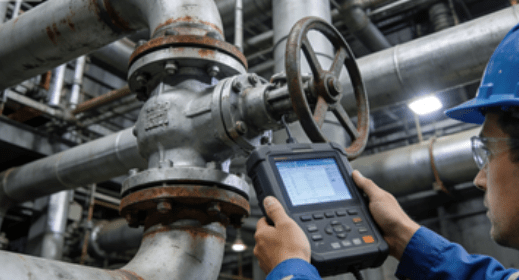
Different ball valves have varying torque requirements. Suppliers providing:
- Low-torque valves reduce manual effort.
- High-pressure valves require robust manufacturing for safety.
Tool Wear and Maintenance Considerations
Premium suppliers offer anti-wear coatings and advanced ball polishing techniques to:
- Extend valve life.
- Reduce maintenance frequency.
- Ensure smooth operation under high-pressure conditions.
FAQ
Q: How do I verify a supplier’s certifications?
A: Request ISO/API/CE certificates and verify authenticity with certification bodies.
Q: Are online reviews reliable for supplier selection?
A: Combined with references and factory audits, online reviews provide useful insights.
Q: What is the typical lifespan of industrial ball valves?
A: Stainless steel valves under normal conditions can last 10–20 years; maintenance reduces failure risks.
Q: Should I choose a domestic or international supplier?
A: Domestic suppliers offer faster logistics; international suppliers may provide specialized products and advanced certifications.
Q: How can I ensure valve quality before bulk orders?
A: Request sample units, perform material testing, and review inspection reports.
Q: Can suppliers provide customized valves?
A: Many premium suppliers can customize valve dimensions, pressure ratings, and materials to meet project specifications.
Q: How often should ball valves be maintained?
A: Maintenance frequency depends on operating conditions; high-pressure or corrosive applications may require quarterly inspections.
Q: What is the risk of choosing low-cost suppliers?
A: Potential risks include material failure, non-compliance with standards, poor after-sales support, and frequent downtime.
Case Study: Successful Supplier Selection
Scenario:
A chemical plant required high-pressure stainless steel ball valves for pipeline expansion.
Solution:
- Evaluated suppliers for ISO 9001 certification, technical support, and production capacity.
- Requested sample valves for pressure testing.
- Selected a premium supplier with documented reliability and strong references.
Result:
- No valve failures during 2 years of operation.
- Reduced maintenance costs by 18%.
- Improved safety and compliance with industry regulations.
Conclusion
Selecting the right ball valve supplier requires careful evaluation of quality, certifications, production capabilities, pricing vs. value, and reputation. By following these four secrets, buyers can:
- Ensure consistent, high-quality valves for their projects.
- Reduce maintenance and downtime risks.
- Achieve cost-effective, long-term procurement success.
Remember, smart sourcing is not about the cheapest price—it’s about maximum value, safety, and reliability.
Product Categories
- Valve Parts
- Water Pump Parts
- Bearing Box Parts
- Die Casting Parts
- Stainless Steel Pump Products
- Cast Iron Pump Products
- Valve Parts For Automobile Use
- Auto Parts
- Valve Parts For Civil Use
- Vacuum Pump Parts KF

 English
  Spanish
  Arabic
  Malay
Malay  German